New Exhibit! Sacrifice on Seminary Ridge

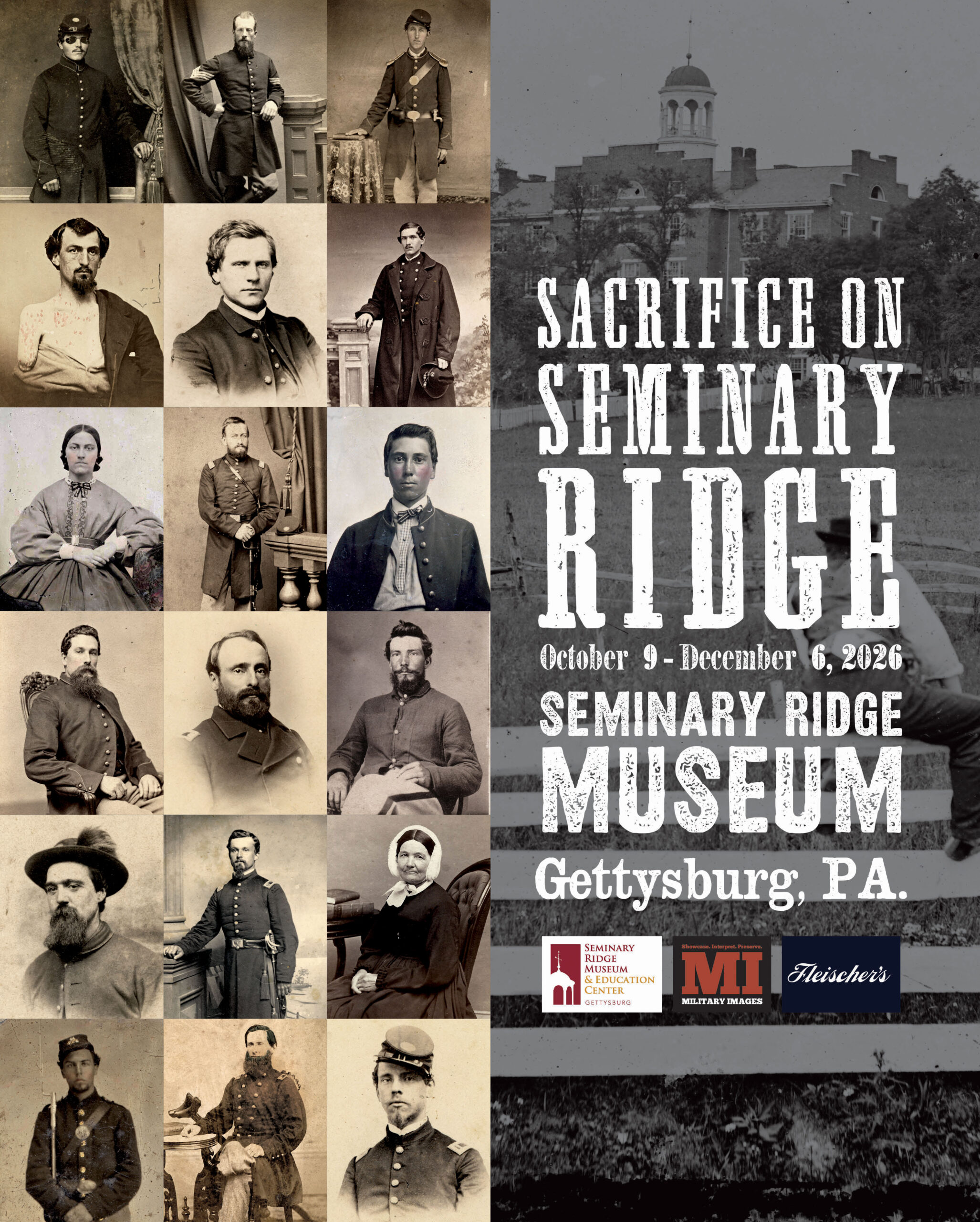
After months of planning, we are thrilled to announce Sacrifice on Seminary Ridge, a special exhibition opening October 9 at the Seminary Ridge Museum and Education Center in Gettysburg.

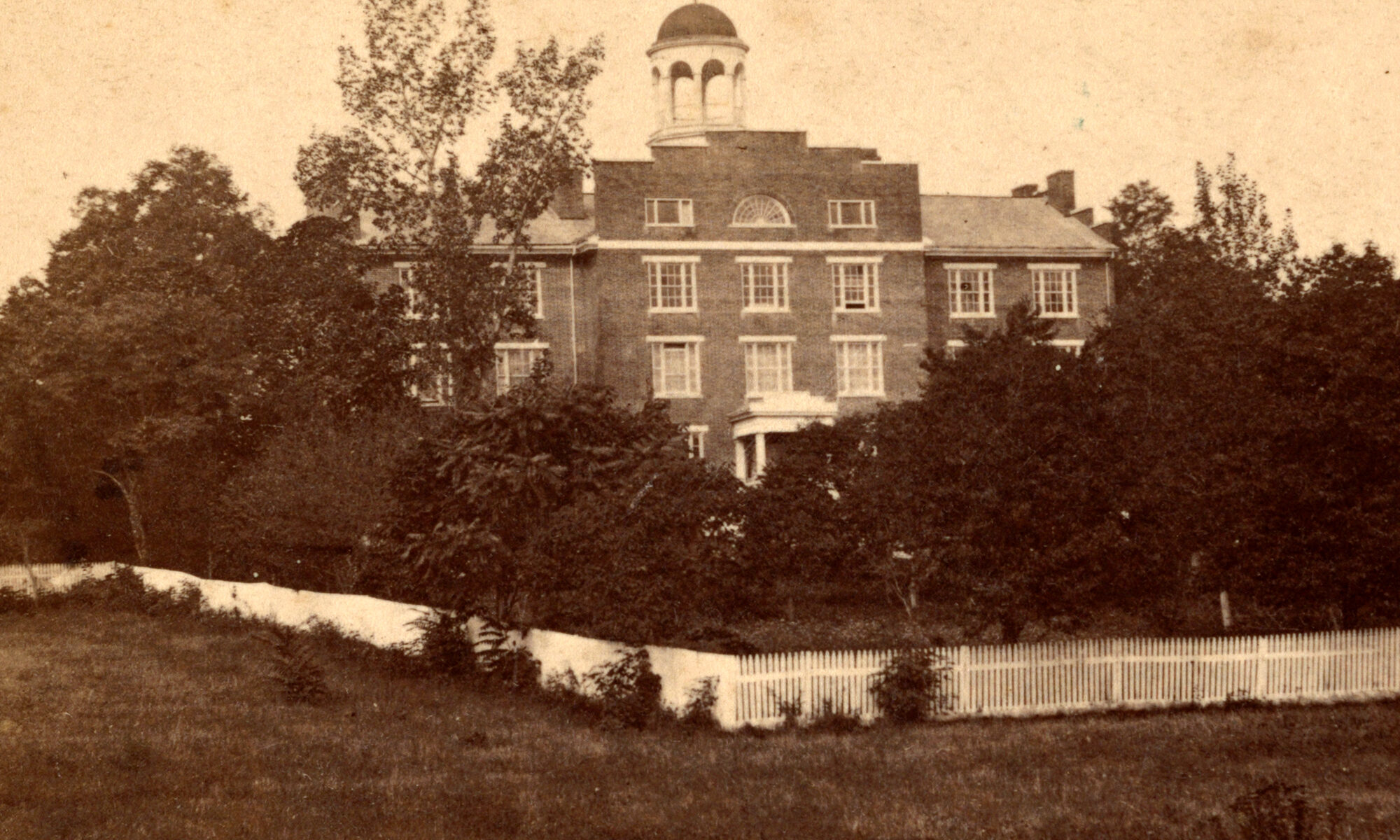
The exhibit uses wartime portraits and personal accounts to tell the stories of Union soldier-patients, surgeons, and nurses whose lives intersected within the walls of the Lutheran Theological Seminary during and after the Battle of Gettysburg. Some fought in the desperate struggle around the Seminary on July 1, 1863. Some entered its hospital grievously wounded. Others worked amid overwhelming suffering to care for them.

The exhibition grew out of a collaboration between the Seminary Ridge Museum and Military Images. Paul Russinoff, a Military Images senior editor and member of the museum’s board, originated the idea and played a key role in making it a reality.

Sacrifice on Seminary Ridge will be on view October 9–December 6, 2026. An opening-night reception will mark its debut.

We are grateful to Fleischer’s Auctions, the exhibition’s exclusive sponsor, for helping make this project possible.

The exhibit also demonstrates the power of the Civil War portrait collecting community. Images were generously shared by Scott Hann, Scott Hilts, Charles T. Joyce, Jeff Kowalis, Jason and Mark Krausz, C. Paul Loane, Faye and Ed Max, Robert May, Ronn Palm, Jim Rivest, Paul Russinoff, Brian White, and Ronald S. Coddington, with assistance from Dale R. Niesen. Additional portraits came from the Adams County Historical Society and The Liljenquist Family Collection at the Library of Congress. By bringing together these long-scattered faces, the community has allowed the soldier-patients, surgeons, and nurses of the Seminary hospital to stand together once more.

The Autumn 2026 issue of Military Images will feature two related articles: Within These Walls, a collection of portraits and accounts featured in the exhibit, and In the Line of Fire, an investigation of a memorable Mathew Brady photograph and what it reveals about the building and grounds in the battle’s aftermath.

Military Images Editor and Publisher Ronald S. Coddington will speak about the project at the Center for Civil War Photography’s conference in Gettysburg, October 2–4.

For more information, contact militaryimages@gmail.com.

The Summer 2026 Issue

A complete table of contents for the Summer 2026 issue of Military Images magazine, and information about how to purchase single issues and subscriptions.

Vol. XLIV, No. 3
(80 pages)

Print edition: Visit our store to check availability
Digital edition: Visit JSTOR.org to purchase
Subscribe or renew your subscription

Explore the MI Archives:
Browse | Advanced search | Tutorial

Inside

Cover
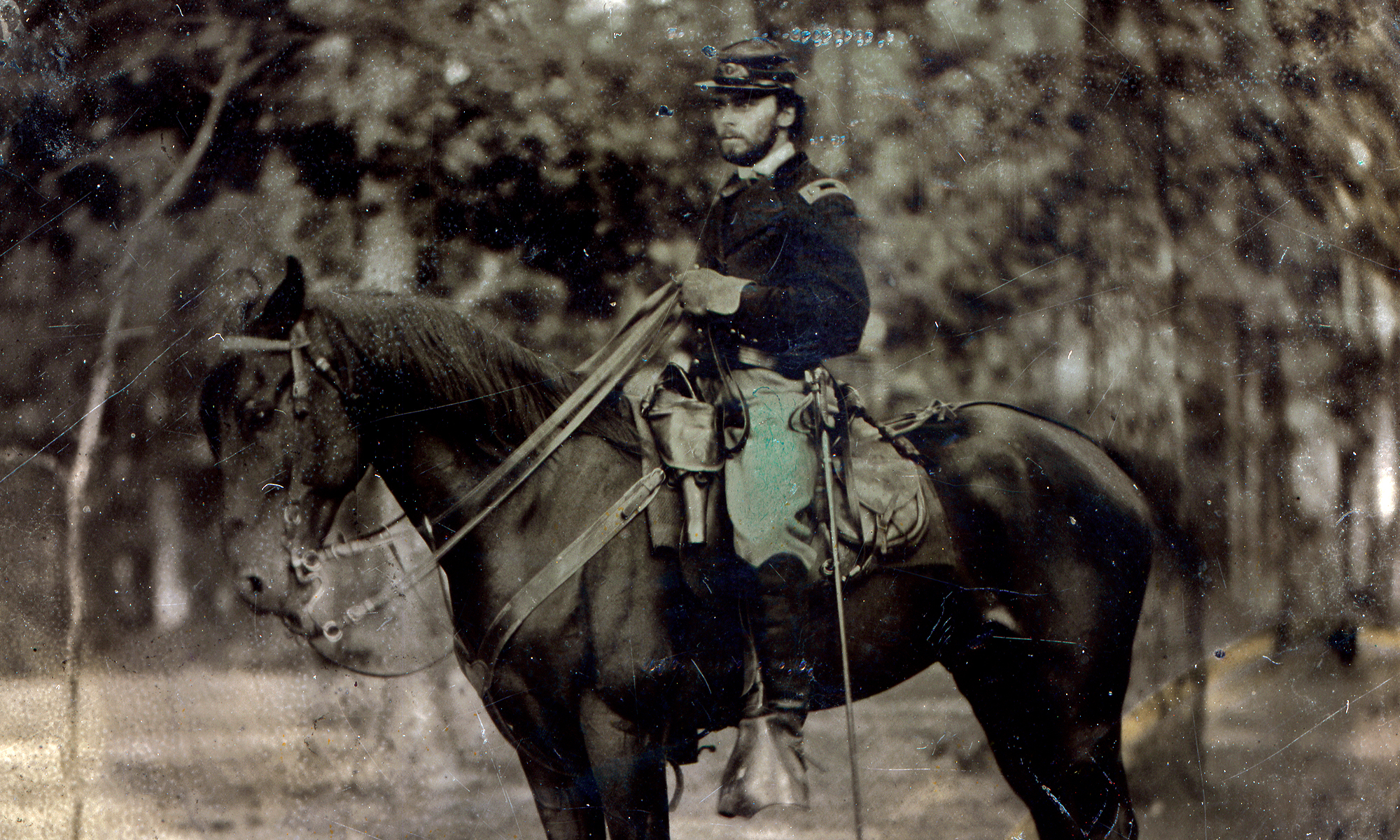
A tintype of Lt. Col. William A. Throop of the 1st Michigan Infantry on horseback beneath the shade of trees.

Table of Contents (p. 1)

Editor’s Desk (p. 2)
Thoughtful planning can help collectors find future caretakers for Civil War images and artifacts while easing the burden on loved ones.

Mail Call (pp. 3-4)
Feedback includes praise from new and veteran subscribers, and corrections on a weapon identification and a death place.

Military Anthropologist (p. 4)
Data reveals how emergency militia call-ups from New York, Pennsylvania, Illinois, and Indiana reinforced Union defenses during key Civil War crises.

Passing in Review (p. 6)
Reviews of two new books: Scott Hippensteel’s Civil War Photo Forensics and the first volume of James McLean’s regimental history of The 14th New York State Militia in the Civil War.

Photo Sleuth by Kurt Luther and Bryan Cheeseboro (pp. 8-13)
The identification of three rare U.S. Colored Troops group portraits, revealing their regiments, forts, photographer, and early postwar service in Washington, D.C.

Antebellum Warriors (p. 14)
A daguerreotype by Henry Earle Insley depicts a U.S. Army captain during the Mexican War era. Uniform details offer clues, but his identity remains unknown.

Most Hallowed Ground (p. 16)
Capt. George “Van” Vanderbilt led a daring cavalry action at Bristoe Station, delaying Confederates and helping secure a Union victory.

The Honored Few by Evan Phifer (pp. 18-20)
Artilleryman Frederick W. Fout earned the Medal of Honor for rallying abandoned guns during the 1862 siege and surrender of Harpers Ferry.

The Citizenry by Elizabeth A. Topping (pp. 22-24)
General George McClellan’s wife, Nelly, embraced society life, drew criticism for limited wartime charity work, and remained devoted to him until his death.

Of Arms and Men by Phil Spaugy (pp. 26-27)
Phil investigates three Ohio soldiers, Austrian Lorenz muskets, and conflicting evidence that challenges a long-accepted identification.

Gettysburg: Echoes of Three Days in July 1863 Curated by Charles Joyce, with contributions from Rick Brown, Scott Hann, Robert May, Dale Niesen, Paul Russinoff, and Melissa Winn (pp. 29-43)
Portraits and stories reveal stories of courage, sacrifice, wounds, death, and survival across three days of the Battle of Gettysburg.

War Compromised His Health. Photography Gave Him a New Lease on Life. The Life and Times of Enos F. Hilton, 8th Missouri State Militia Cavalry by M. Jane Johansson (pp. 44-47)
Civil War cavalryman Enos F. Hilton battled illness, reinvented himself as a photographer, and documented Colorado boomtowns.

Mountain Legion: The hard-fighting 156th New York Infantry in the Eastern and Western Theaters by Kyle A. Williams and Paul D. Thompson(pp. 48-55)
The 156th New York Infantry fought from Louisiana bayous to the Shenandoah Valley, earning distinction in both the Eastern and Western Theaters.

Rocket Man: Acting Signal Officer George H. Felt and his innovative pyrotechnics by Dale R. Niesen and Ronald S. Coddington (pp. 56-61)
Acting Signal Officer George H. Felt developed innovative signal rockets and coded pyrotechnics that sought to transform Civil War communications.

Material Culture by Ronald S. Coddington (p. 64)
Though linked to Confederate forces, Maynard carbines also armed select Union cavalry regiments, including the 1st Wisconsin and 9th Pennsylvania.

Women of War by Melissa A. Wynn (pp. 66-68)
Educator Emma Brown Montgomery devoted her life to teaching Black children during and after the Civil War, leaving a lasting legacy in Washington, D.C.

Behind the Backdrop by Buck Zaidel (pp. 70-71)
Four cartes de visite reveal how photographer J.P. Ball used painted backdrops to distinguish civilian life from military service in wartime Cincinnati.

Vignette by Scott Valentine (p. 72)
Colonel John A. Koltes fell leading a charge at Second Bull Run. His blood-stained scabbard rested atop his casket during a well-attended funeral in Philadelphia.

Stragglers (pp. 75-77)
Confederate Capt. William Pratt Parks, Sgt. John W. Taylor, Capt. Samuel D. Irvin, a Zouave, and a portrait of a print of Col. Elmer E. Ellsworth.

The Last Shot by Robert May(p. 80)
Color Sergeant John A. Kiggins repaired his regiment’s flagpole at Gettysburg and earned the Medal of Honor for heroism at Lookout Mountain.
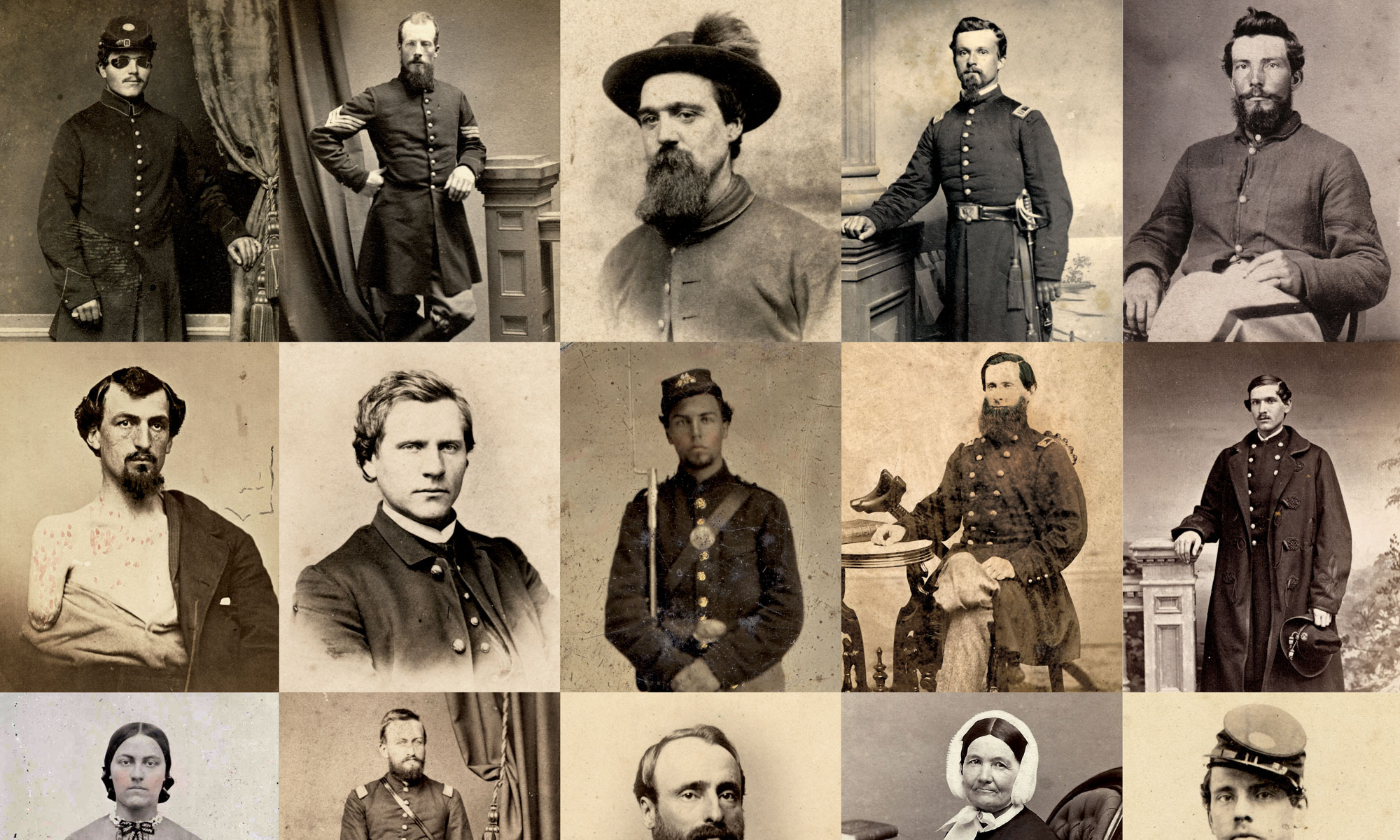
Faces of Gettysburg’s Seminary Hospital: A Research Update

One Friday last January, I drove to Gettysburg to visit the Seminary Ridge Museum and met with Codie Eash, the Director of Education and Interpretation, and Paul Russinoff, a Military Images senior editor and a member of the museum’s board. Paul organized the meeting to discuss an idea—an exhibit of images of surgeons, patients, and attendants who were on the seminary grounds used as a temporary hospital during the three-day battle.

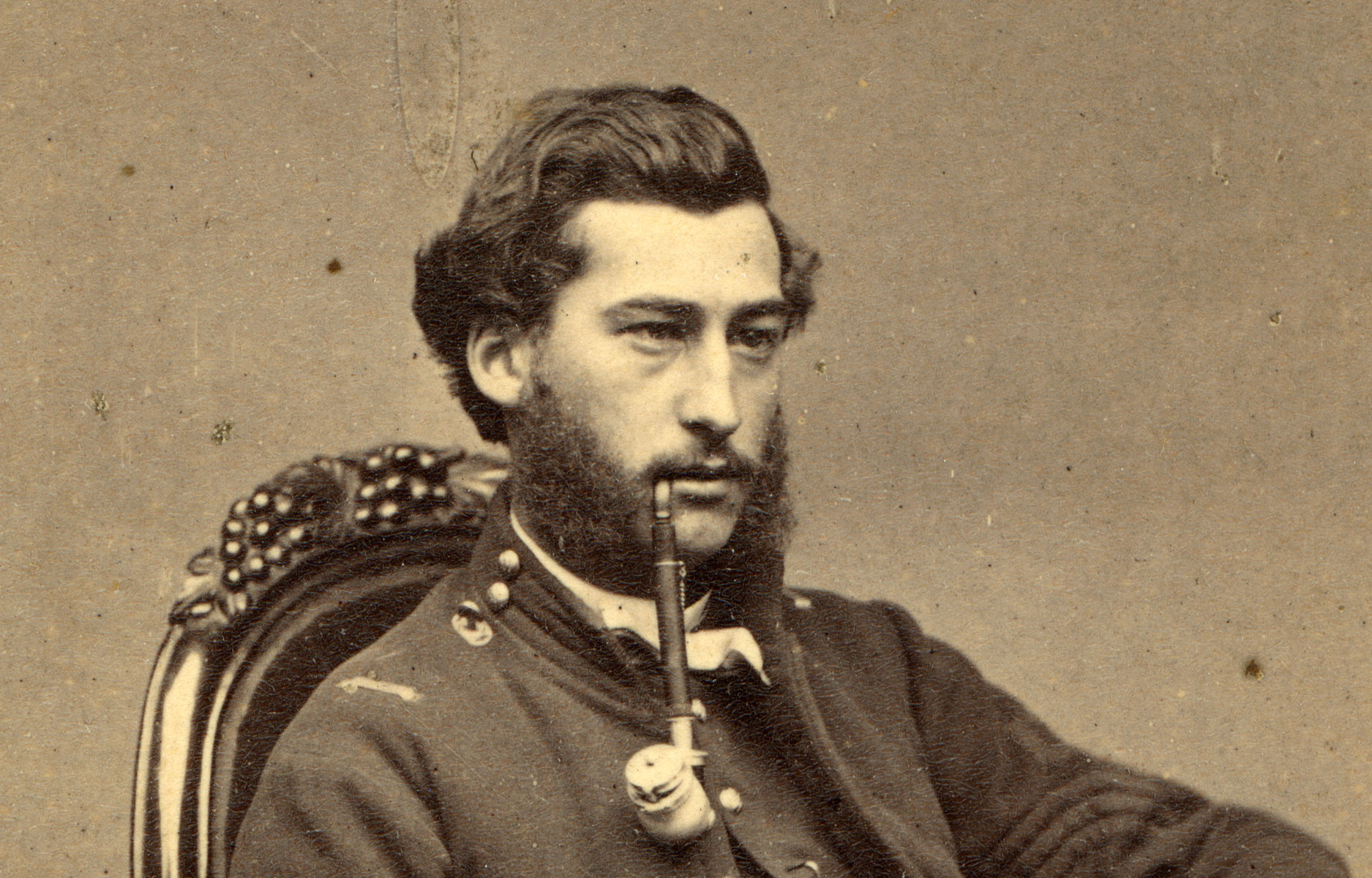
The meeting was a success, and it kicked off a larger effort to locate original, wartime, photographic portraits of those who were there. The project began with a remarkable dataset: a documented list of 498 patients treated at the hospital during and after the Battle of Gettysburg, along with registries of 147 attendants and 30 surgeons who cared for them—675 unique individuals.

Here’s an update on our progress.

The first and most important phase of the project relied on the generosity of collectors. Through social media, personal outreach, and the support of the Civil War photography community, collectors shared images from their collections and helped identify individuals connected to the hospital. Their contributions formed the foundation of this effort.

As the project evolved, we explored new research methods alongside traditional approaches. Using Artificial Intelligence and Large Language Models, we compared the 675-person list against thousands of identified Civil War photographs. We searched about 6,600 records of Union images published in Military Images and analyzed more than 9,000 images in the Library of Congress’s Liljenquist Family Collection of Civil War Photographs. Using ChatGPT to assist our efforts, we were able to compare the datasets, surface potential matches, and direct our attention to promising leads that were then verified through traditional historical research.

To date, we have identified 25 unique individuals connected to the Seminary Hospital for whom original wartime photographs are known to survive. Some are represented by multiple views.

This work would not have been possible without the efforts of many individuals. In addition to Paul and Codie, thanks tot he collecting community who responded to the call: Sid Dreese, Scott Hahn, Scott Hilts, Chuck Joyce, Paul Loane, Ronn Palm, Jim Rivest, and Tom Liljenquist and the staff of the Library of Congress.

While our analysis of major image databases is largely complete, the search continues. We will continue to crowdsource through social media, collector networks, descendants, and institutional contacts in hopes of locating additional photographs.

It is not too late to participate! Here’s the spreadsheet.

The exhibit is expected to open at the Seminary Ridge Museum this September. The opening is planned to coincide with the annual symposium of the Center for Civil War Photography, which will be held in Gettysburg, where the project will be shared with attendees—and, of course, with a wider audience of historians, collectors, and Civil War enthusiasts.

Onward!

Ronald S. Coddington
Editor & Publisher