How a Gettysburg Licensed Battlefield Guide Found a Soldier Portrait Through Military Images to Help Tell the Story of the Fight

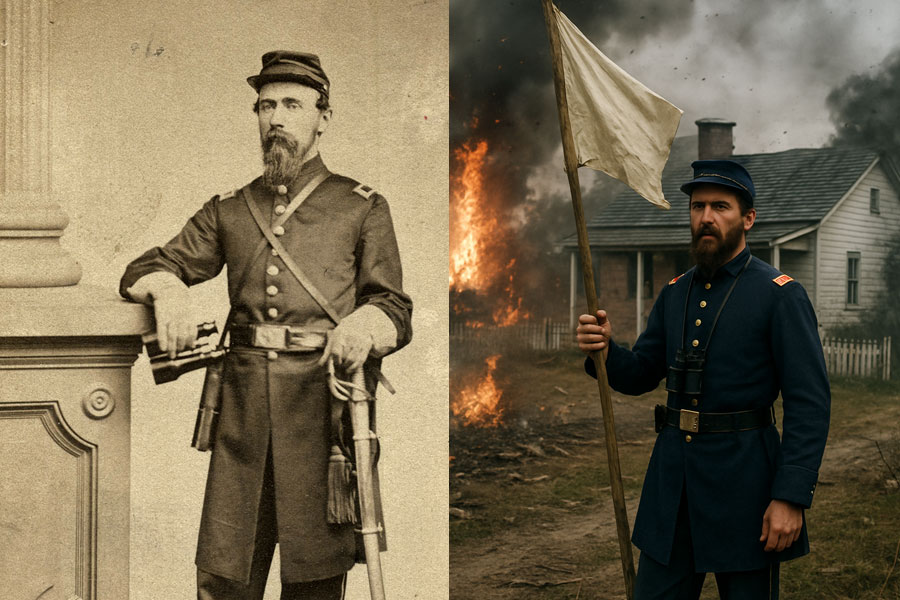
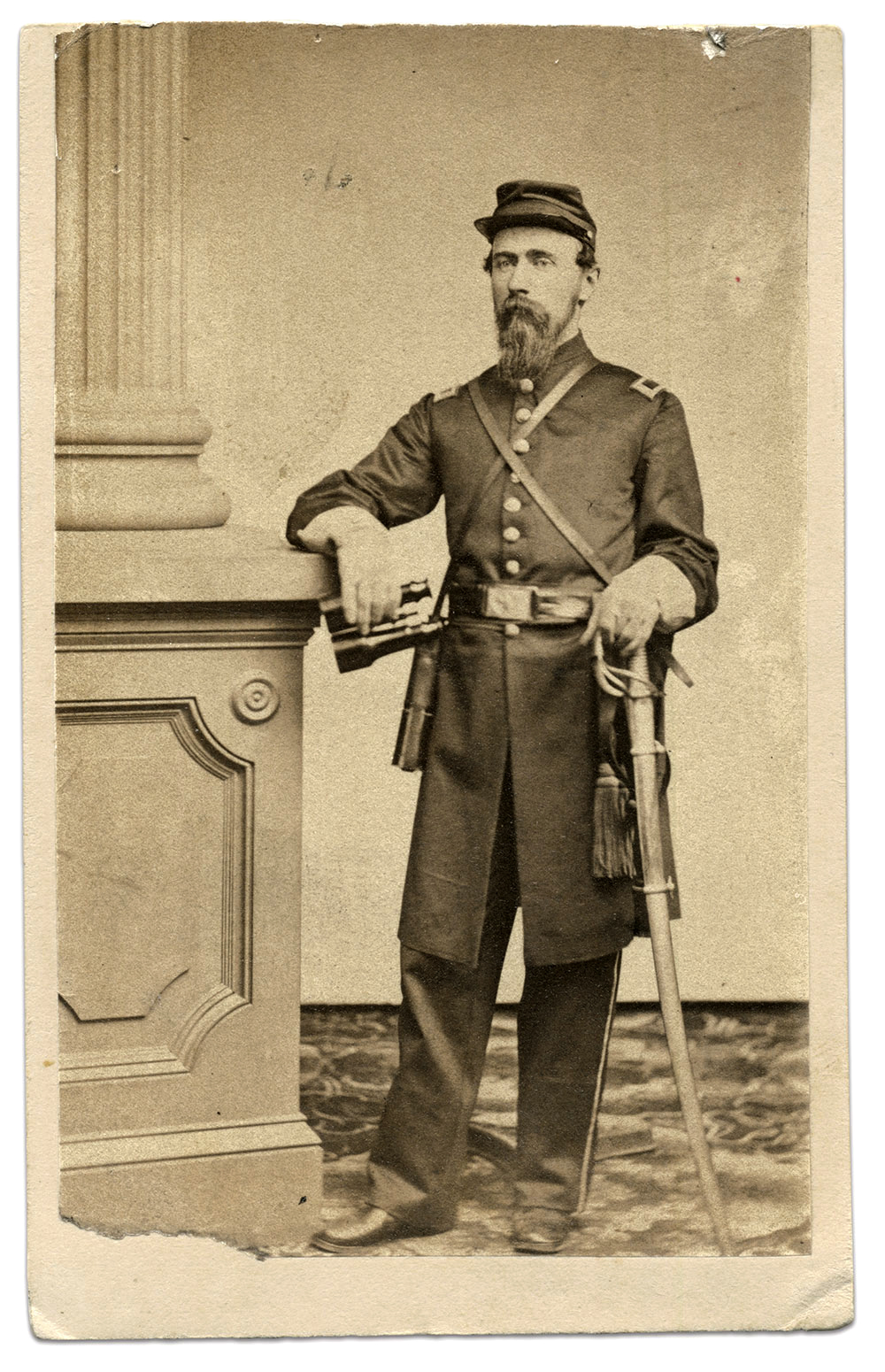
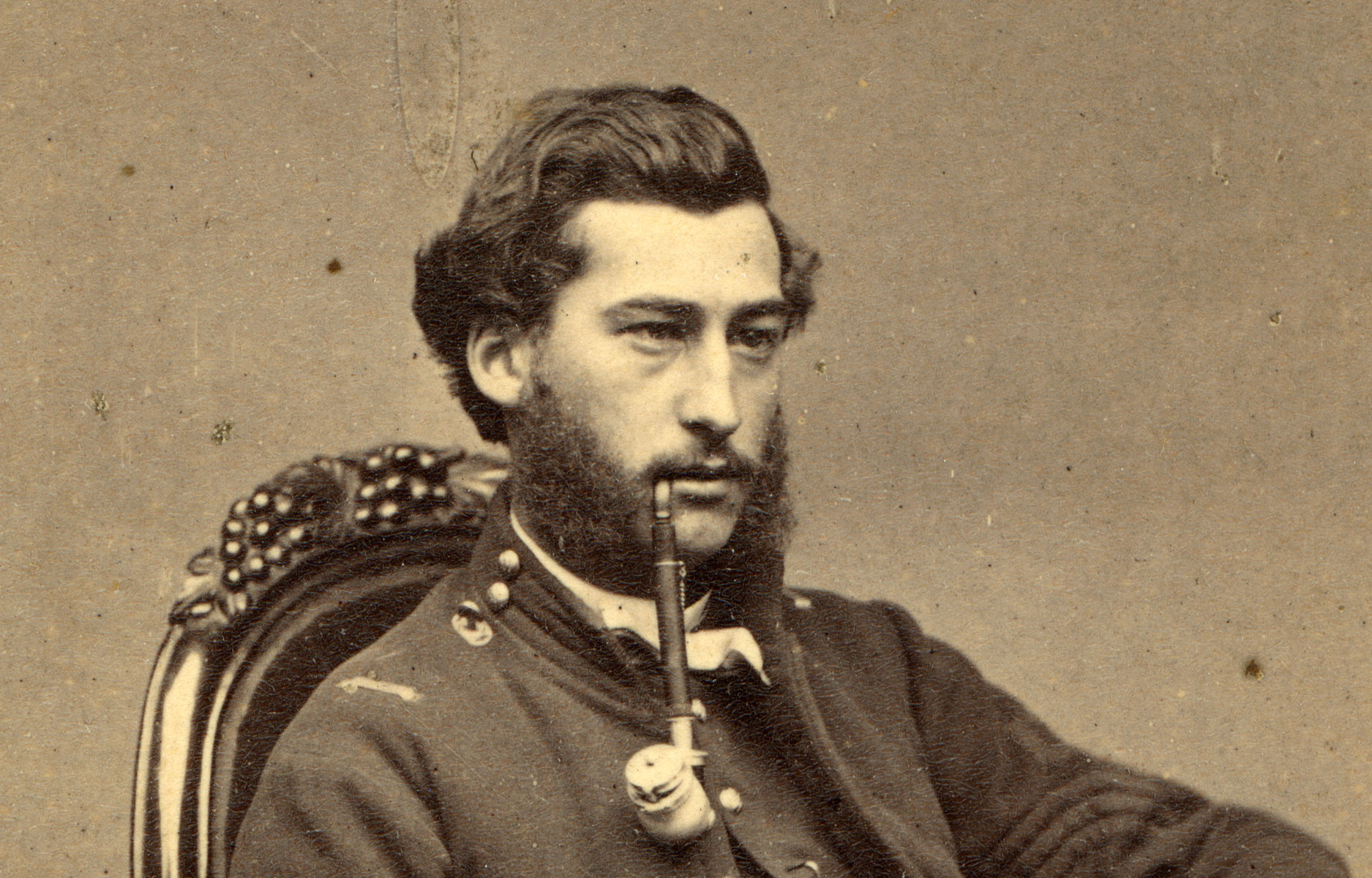
When Gettysburg Licensed Battlefield Guide Jerry Hahn watched a YouTube episode of Life on the Civil War Research Trail featuring Capt. Davis Eugene Castle of the U.S. Signal Corps, a wartime portrait of Castle—standing confidently, binoculars in hand—appeared on the screen.

Hahn, who tells Castle’s story as part of his tour, had not previously seen the image.

Carte de visite by an anonymous photographer. The late Rick Carlile Collection.

Hahn reached out and requested permission to use it, and for a higher resolution copy.

The image, part of the late Rick Carlile Collection, first appeared in our Summer 2019 issue in a feature story titled “Optics: Military men with field glasses and telescopes.

In 2022, Castle’s image and story appeared in the book Gettysburg Faces: Portraits and Personal Accounts, printed by Gettysburg Publishing.

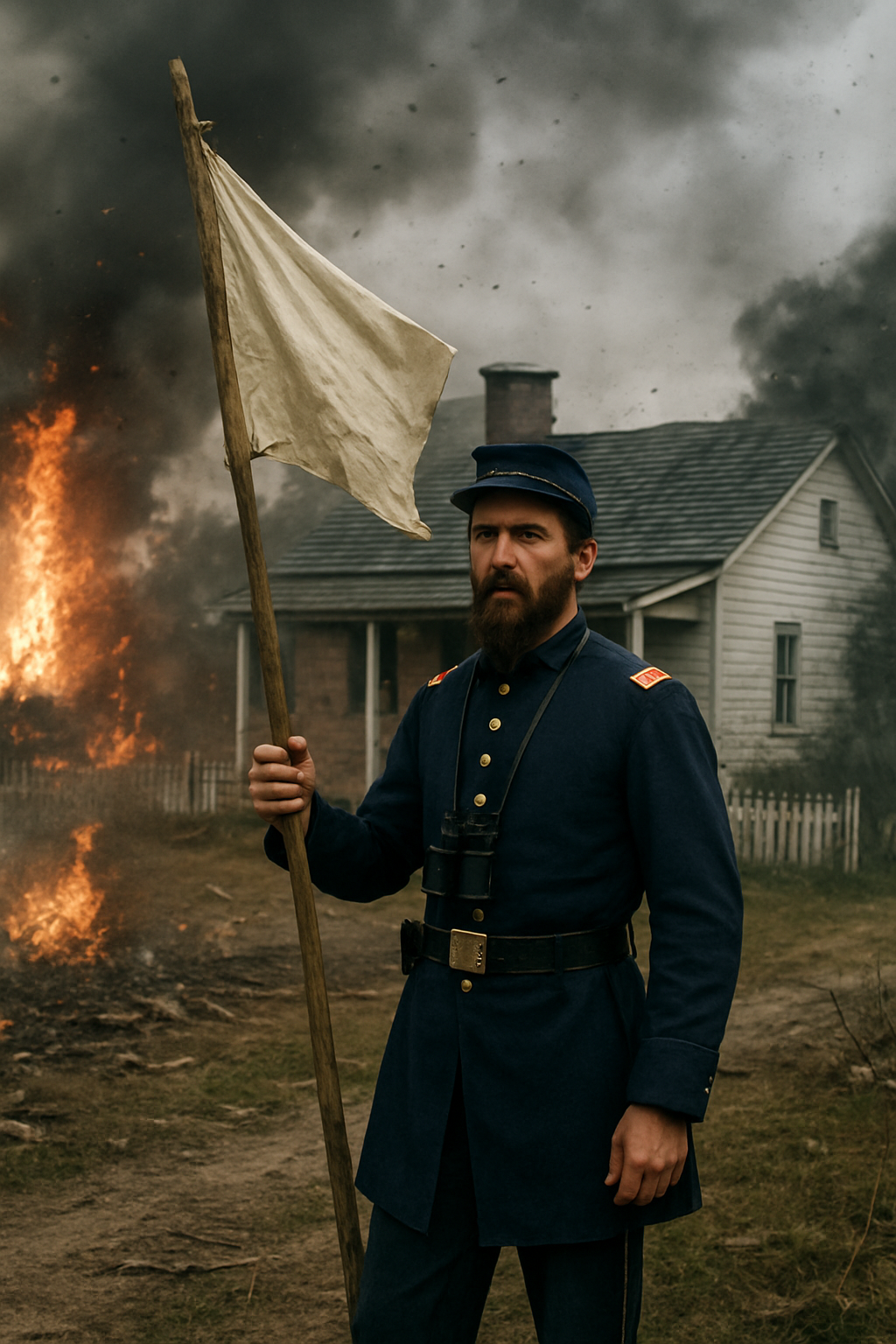
Castle’s Gettysburg story is memorable. According to an official report by his commanding officer, “On July 3, when the enemy made their furious attack upon our center at Gettysburg, Captain Castle occupied a signal station at General Meade’s headquarters, near Cemetery Hill, and remained there on duty after all others had been driven away. His flagmen had also left with his signal equipments, under the impression that their officer had gone with the rest. Having occasion to send a couple of important messages to the general commanding, then at General Slocum’s headquarters, Captain Castle quickly cut a pole, extemporized a signal flag from a bedsheet procured nearby, and sent his dispatches through under a most galling fire.”

Courtesy Jerry Hahn.

We gladly granted Hahn’s permission to use the portrait in his interpretive work on the battlefield. Using ChatGPT’s image-generation tools, he created a compelling artistic interpretation of Castle, standing with his improvised bedsheet signal flag, with Meade’s headquarters behind him. This imaginative visualization reflects what great battlefield guides do—take historical evidence, understand it in context, and bring it to life in ways that help visitors see the past more vividly. Hahn’s image reinforces Castle’s extraordinary moment of bravery and ingenuity.

Licensed battlefield guides like Hahn help visitors understand the human stories that shaped the battle. Their work depends on primary sources—photographs, letters, memoirs—and on the historians, editors, and collectors who preserve and publish them.

When battlefield guides and other students of Civil War history reach out to request an image—as Hahn did—we see it as a sign that the magazine remains a relevant resource for public history. We’re honored to support Hahn and all who interpret America’s defining conflict.

Bringing a Civil War Photographic Treasure to Hart Island

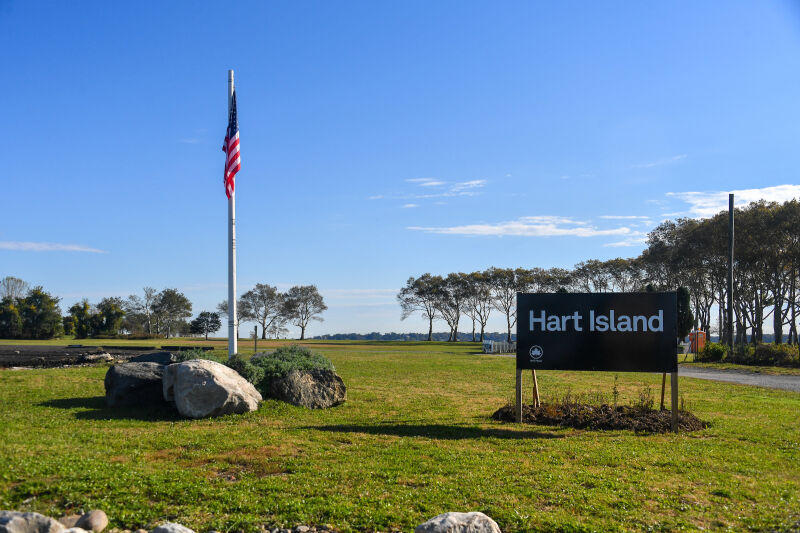
Military Images magazine is especially proud to help connect historic Civil War photographs and the private collectors who preserve them with researchers and educators around the country. Recently, Charles Handras, Park Supervisor for Hart Island in the Bronx, reached out to us as his office deepens its historical research into the island’s past.
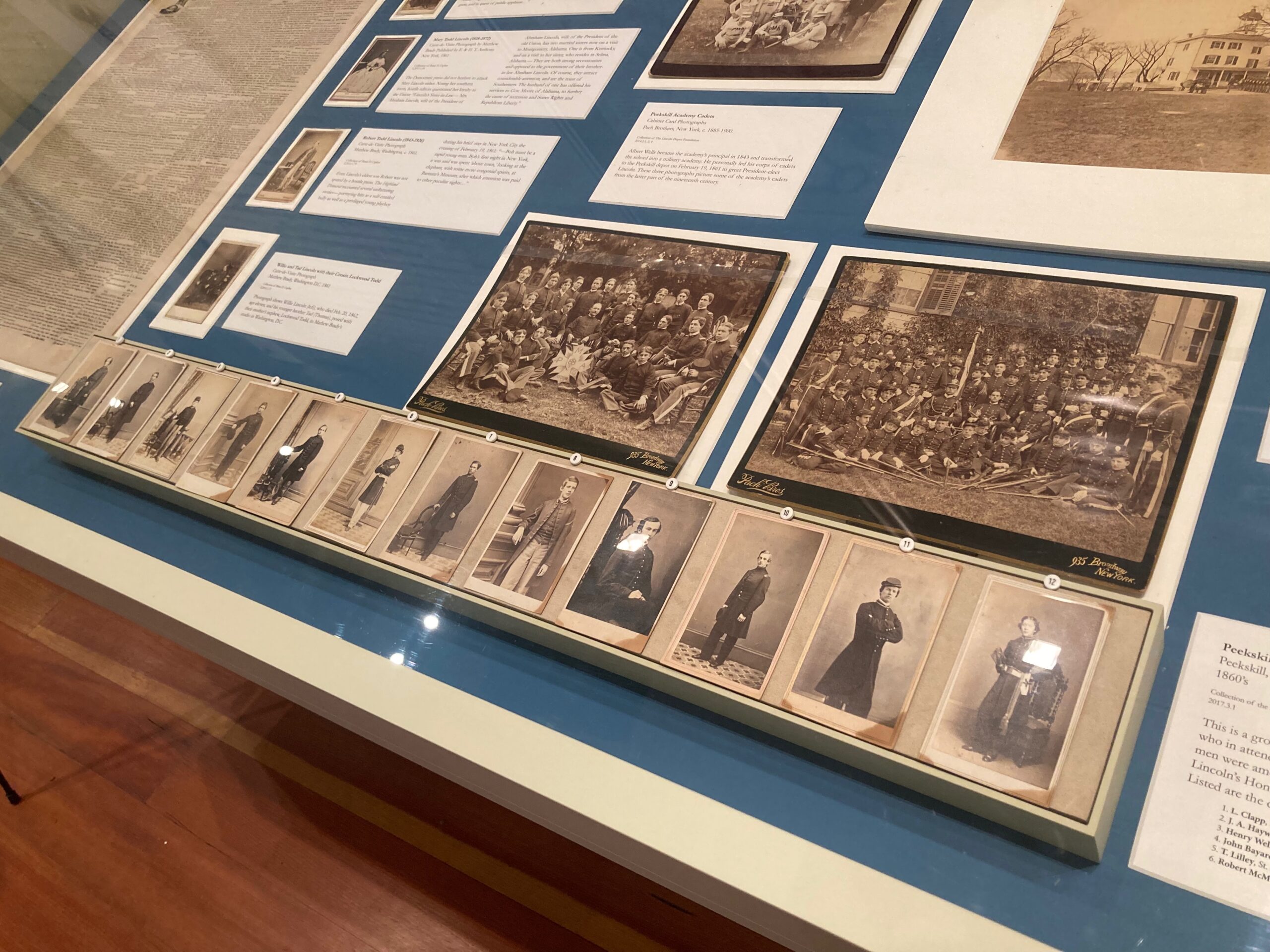
Hart Island.

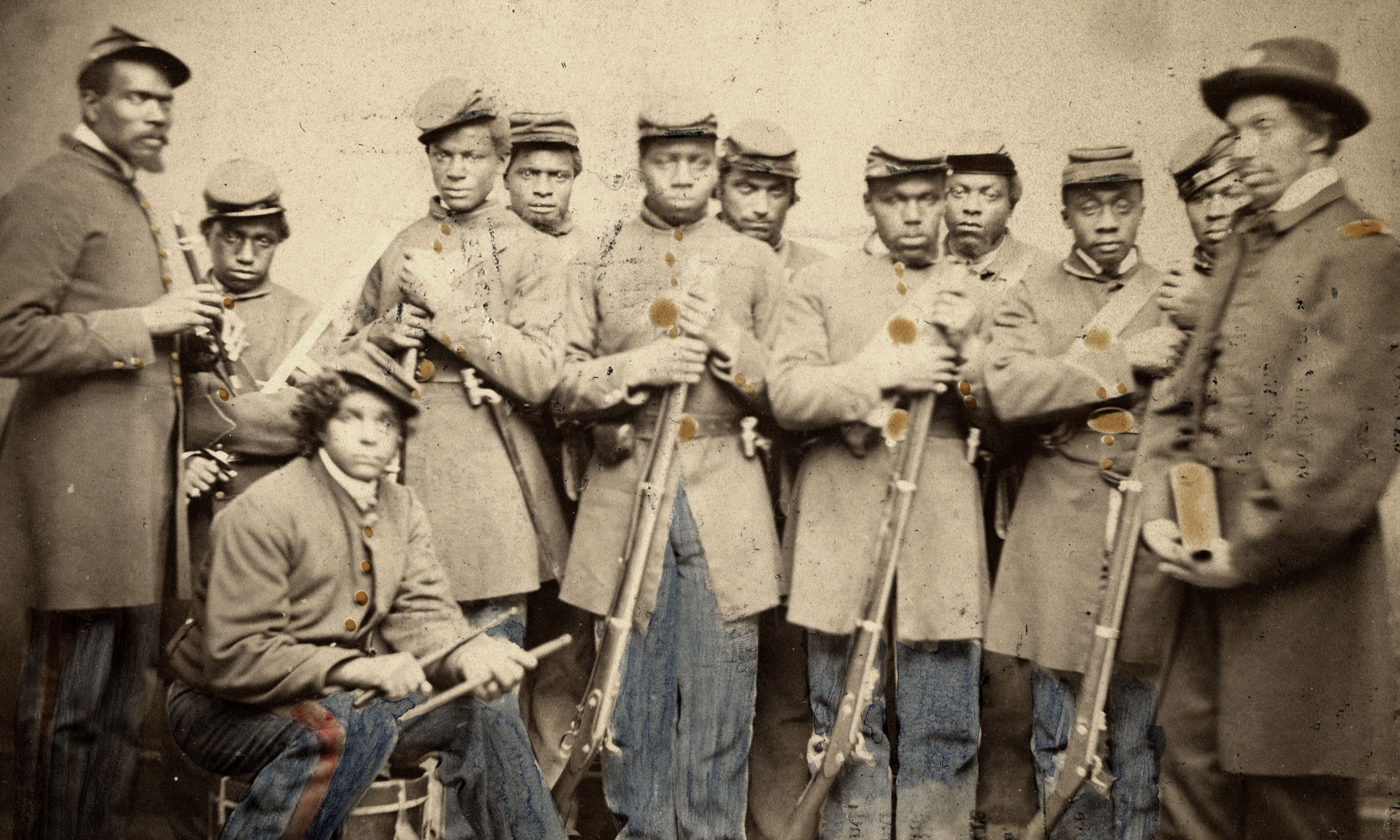
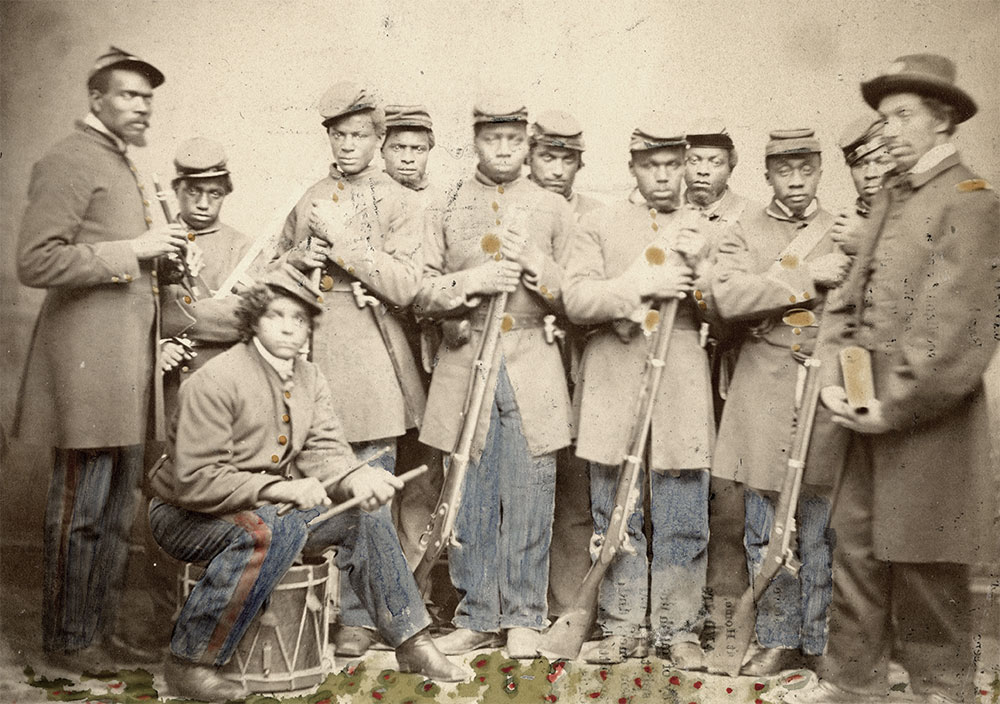
Their work includes exploring Hart Island’s connection to the U.S. Colored Troops who trained there before serving in the Union Army. Among the images that captured their attention was a historically significant 1864–65 photograph of African American soldiers at L’Ouverture Hospital in Alexandria, Va.,—an image featured in Military Images’ story “Freedmen Warriors, Civil Rights Fighters” by Charles Joyce, a onetime owner of the image.

Group at L’Overture Hospital, Alexandria, Va., about December 1864-April 1865, from left to right: Tobias Trout, 31st USCT, Wounded, Crater; William DeGraff, 22nd USCT, Sick; John H. Johnson, 27th USCT, Sick, diarrhea and rheumatism; Jerry Lisle, 28th USCT, Wounded, Crater; Leander Brown, 30th USCT, Wounded, Crater; Samuel Bond, 19th USCT, Sick; Robert Deyo, 26th USCT, Sick, pleurisy; Adolphus Harp, 19th USCT, Wounded, Crater; Stephen Vance, 30th USCT, Wounded, Crater; George H. Smith, 31st USCT, Wounded, Crater; Adam Bentley, 19th USCT, Wounded, Crater; Chauncey Leonard, Chaplain, USCT, Assigned to hospital. Ross J. Kelbaugh Collection.

The photograph now resides in the National Portrait Gallery, thanks to Ross J. Kelbaugh, who generously donated it and graciously granted permission for Supervisor Handras and his colleagues to publish it in their educational work.

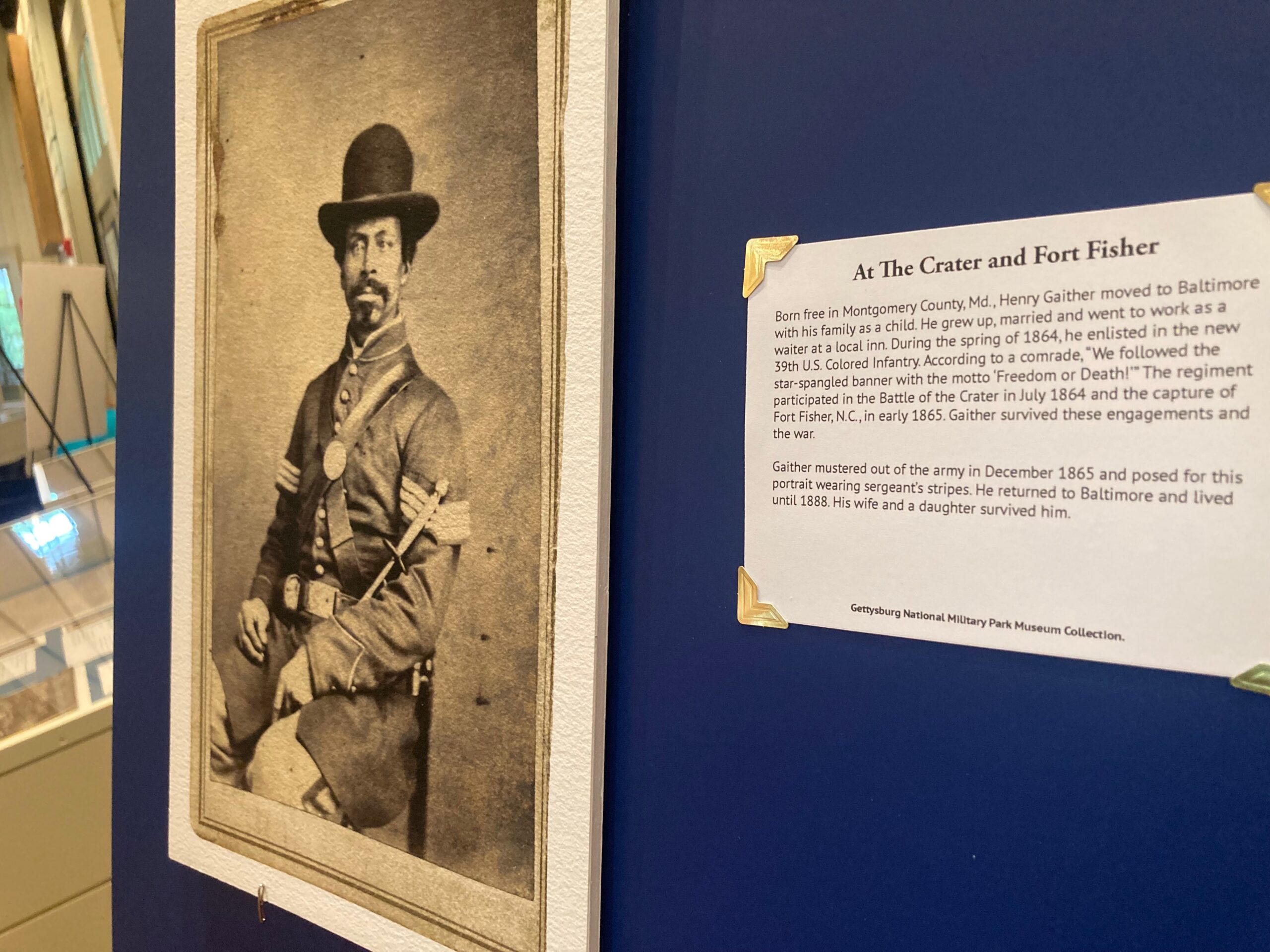
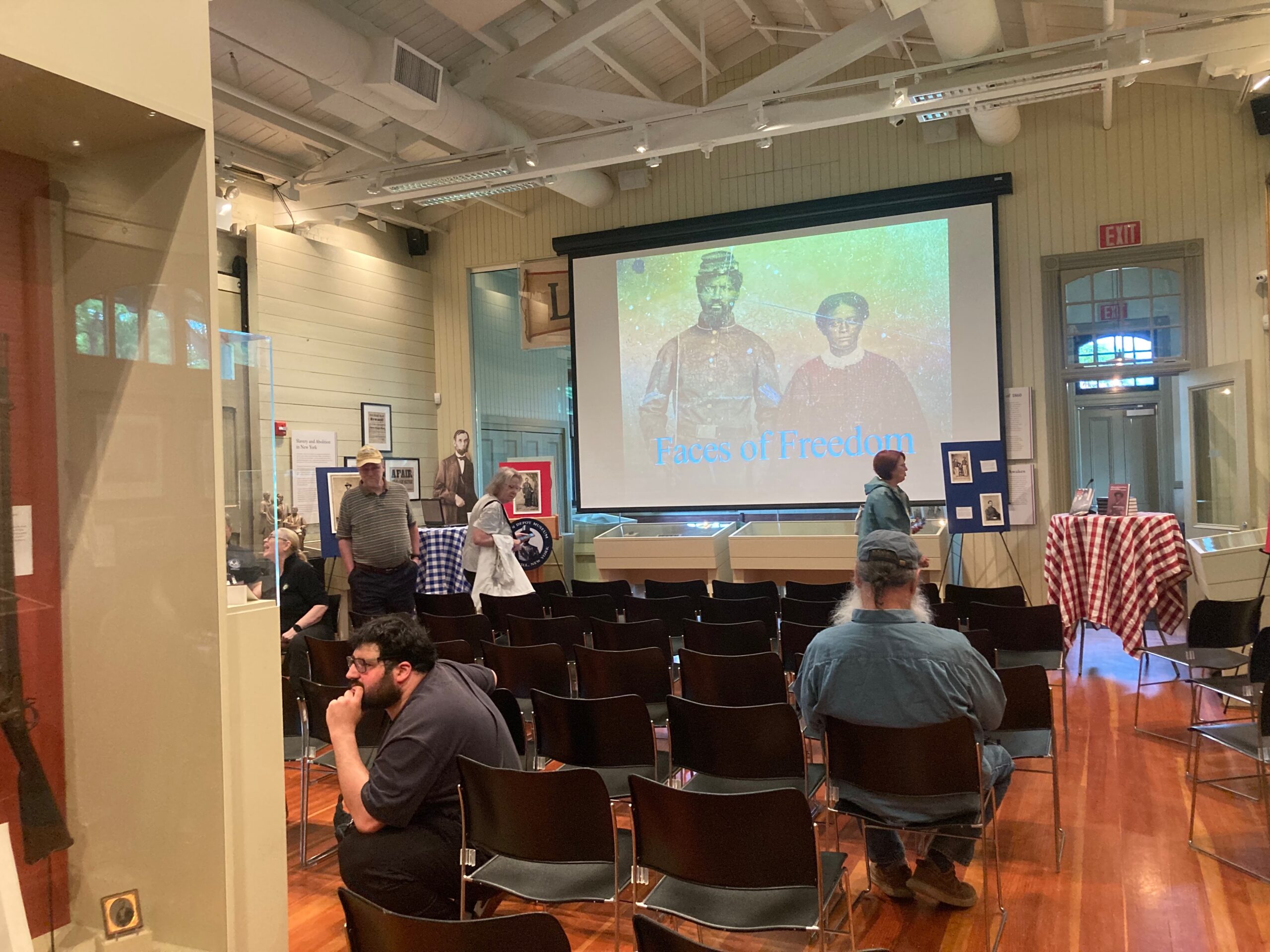
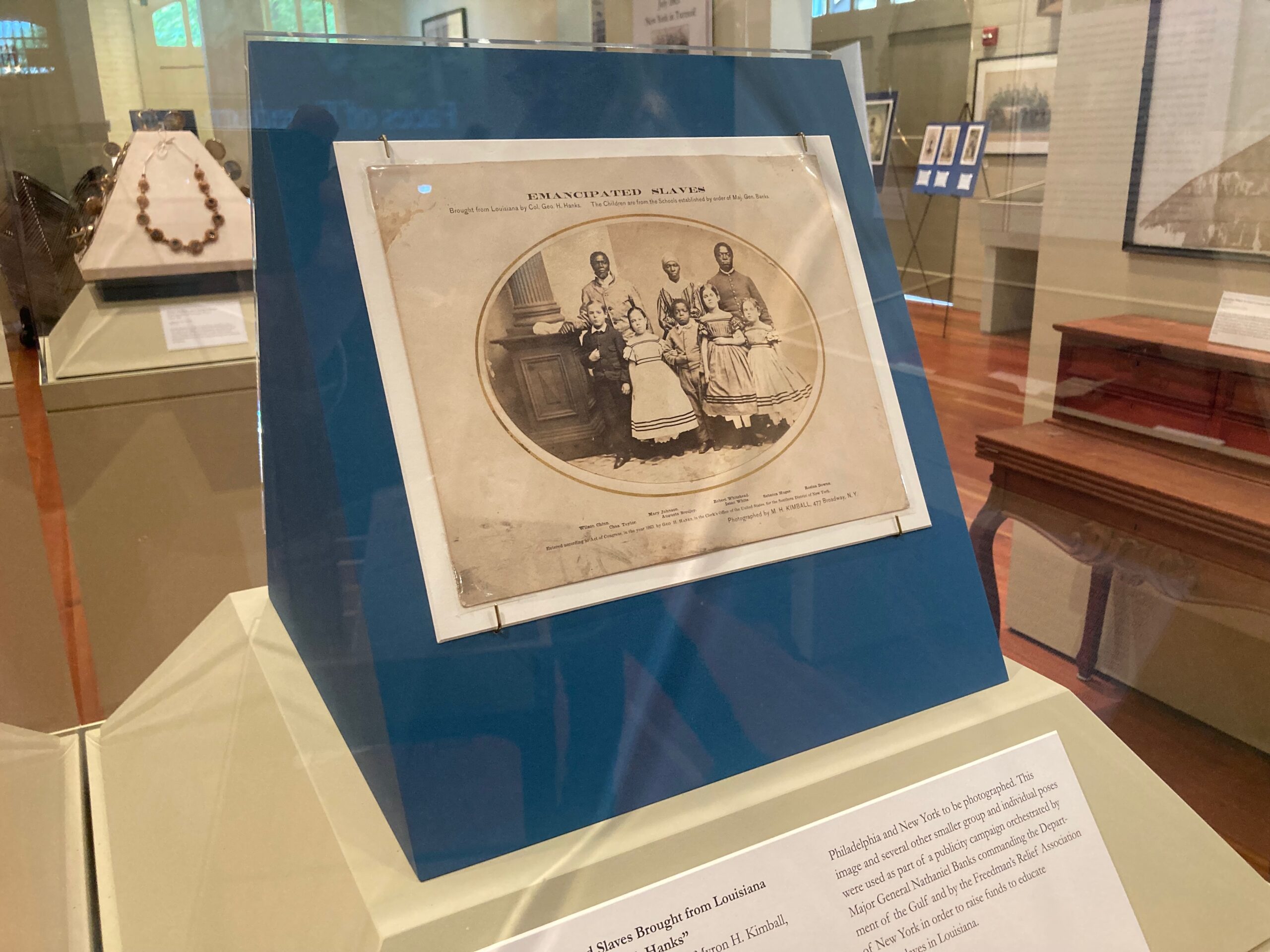
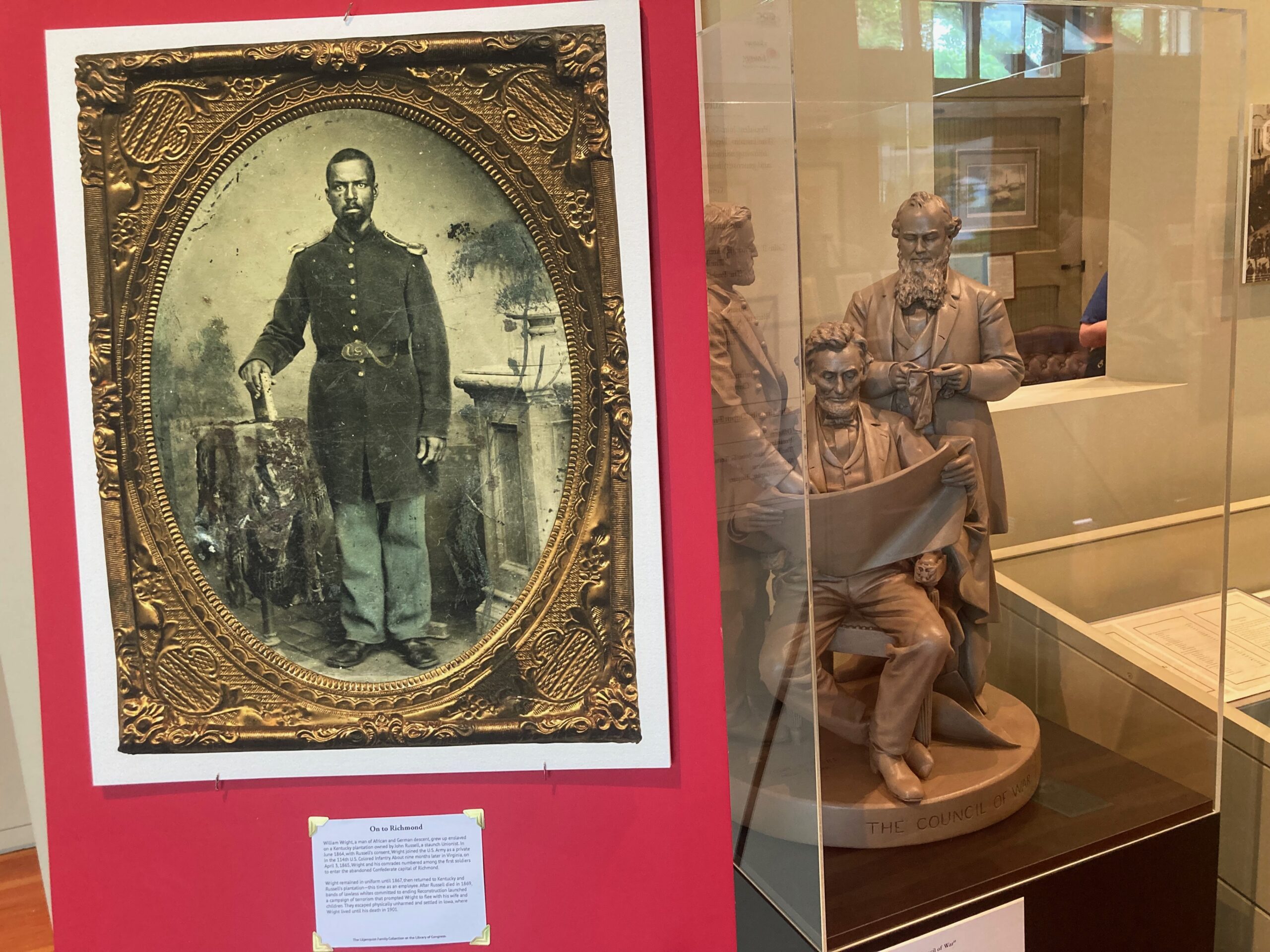
Faces of Freedom Exhibit Opens at Lincoln Depot Museum

Peekskill, NY — June 7, 2025

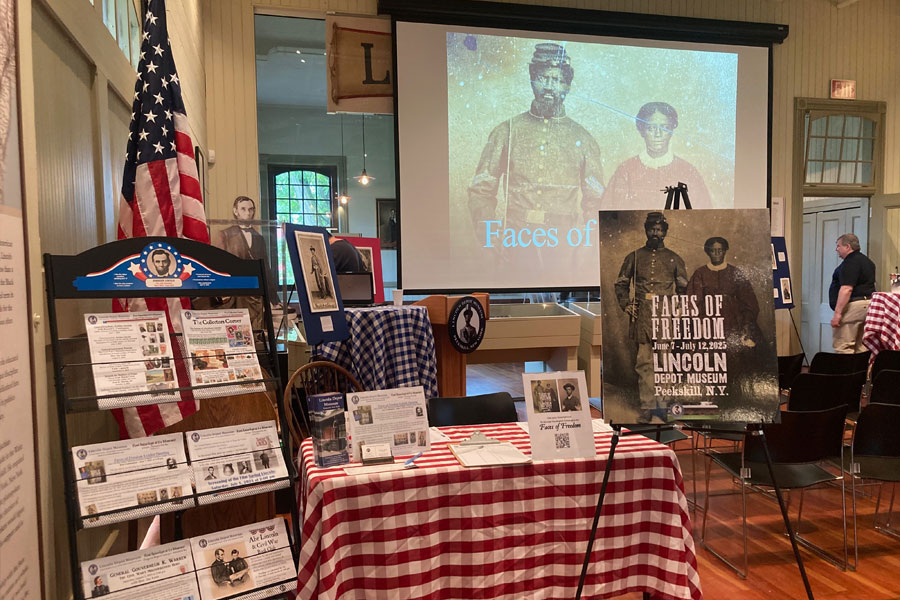
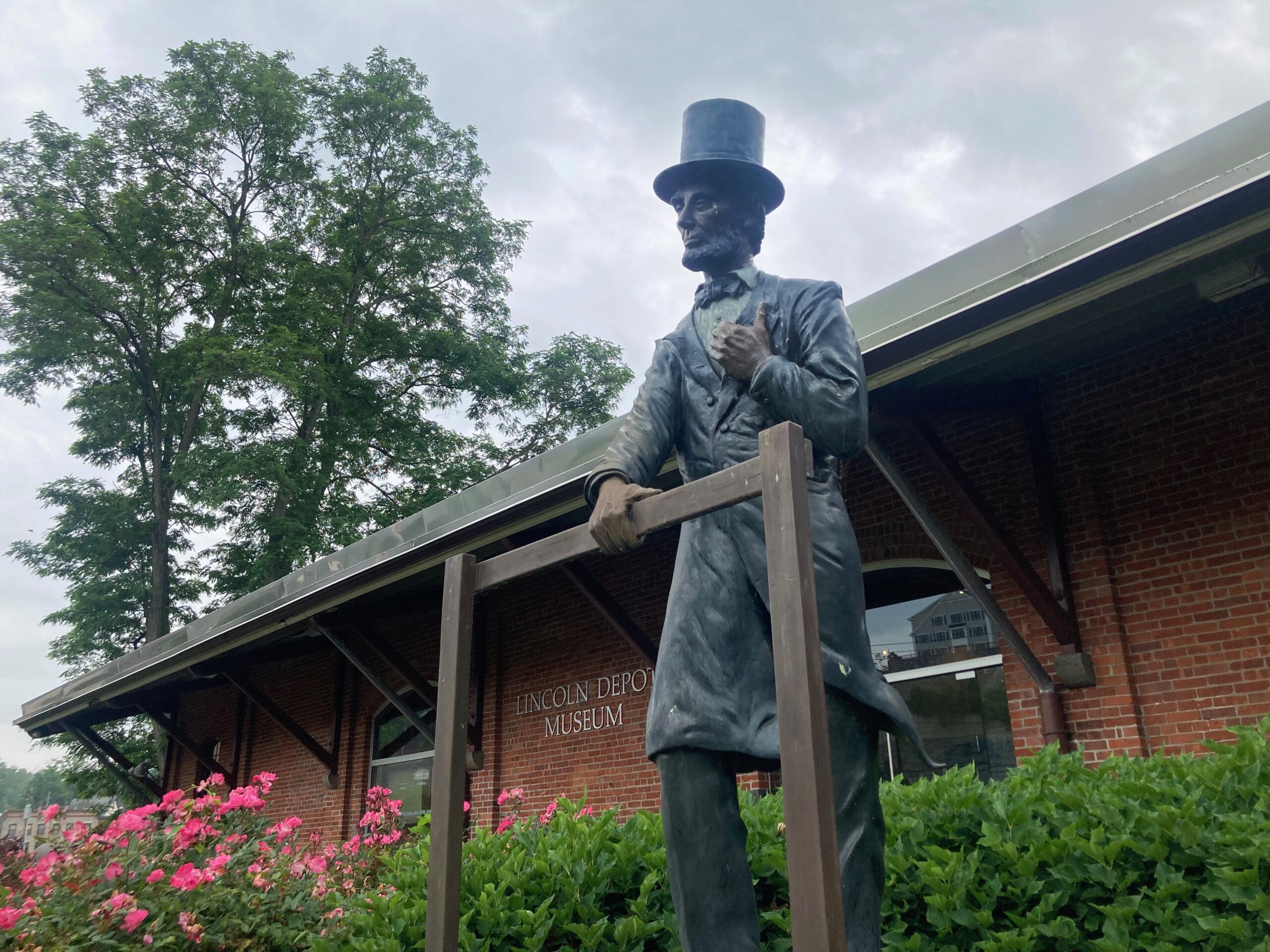
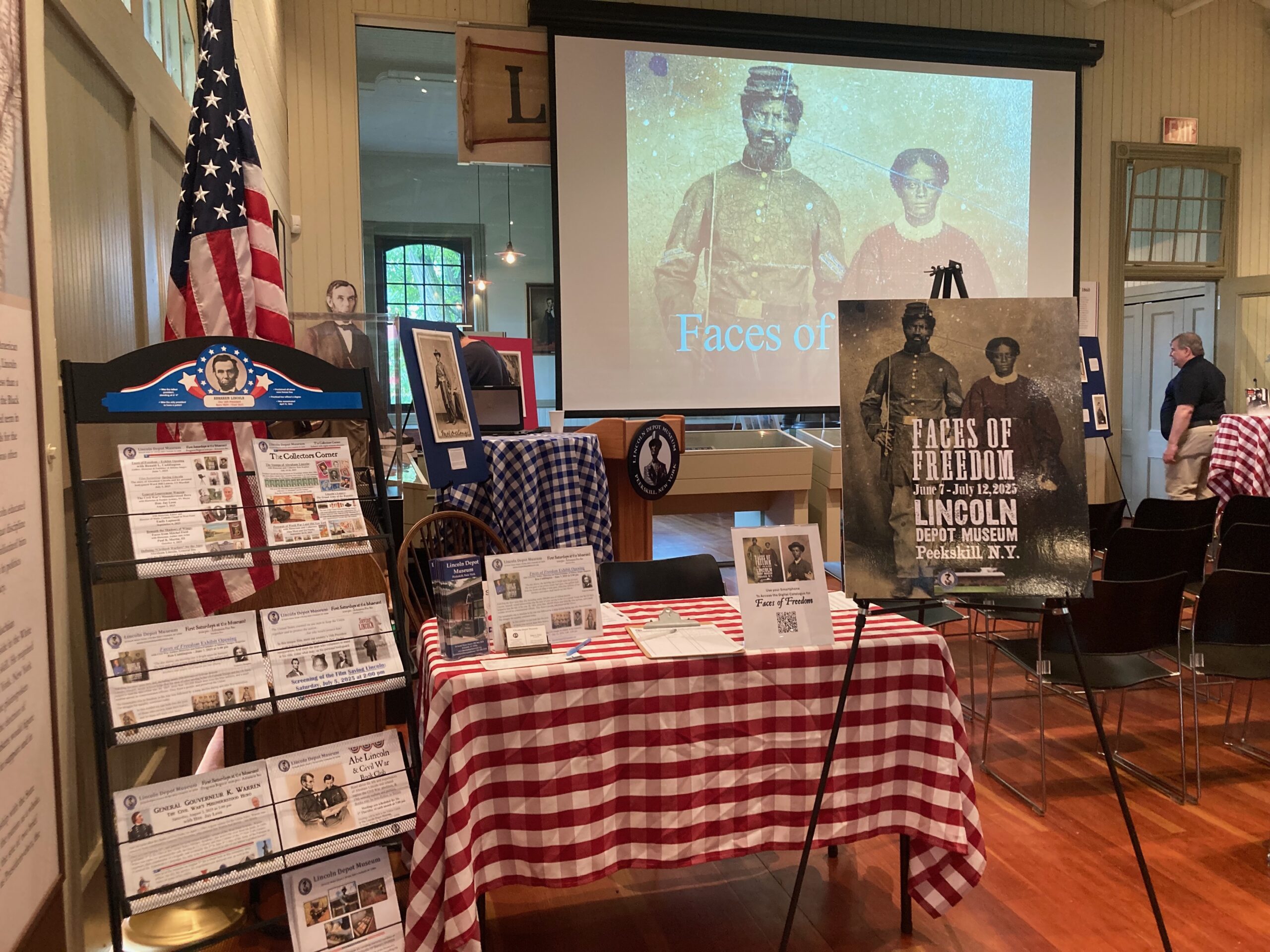
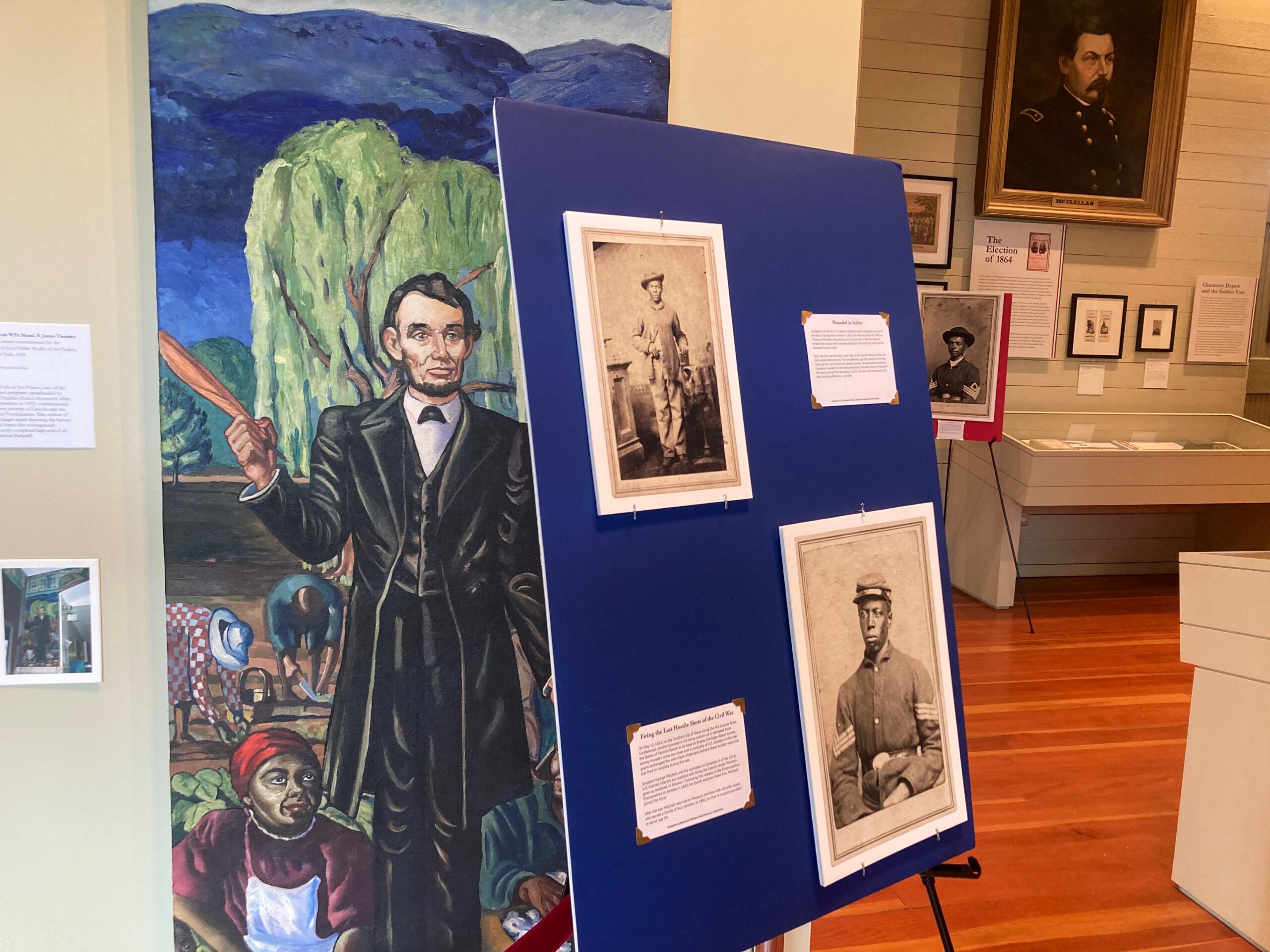
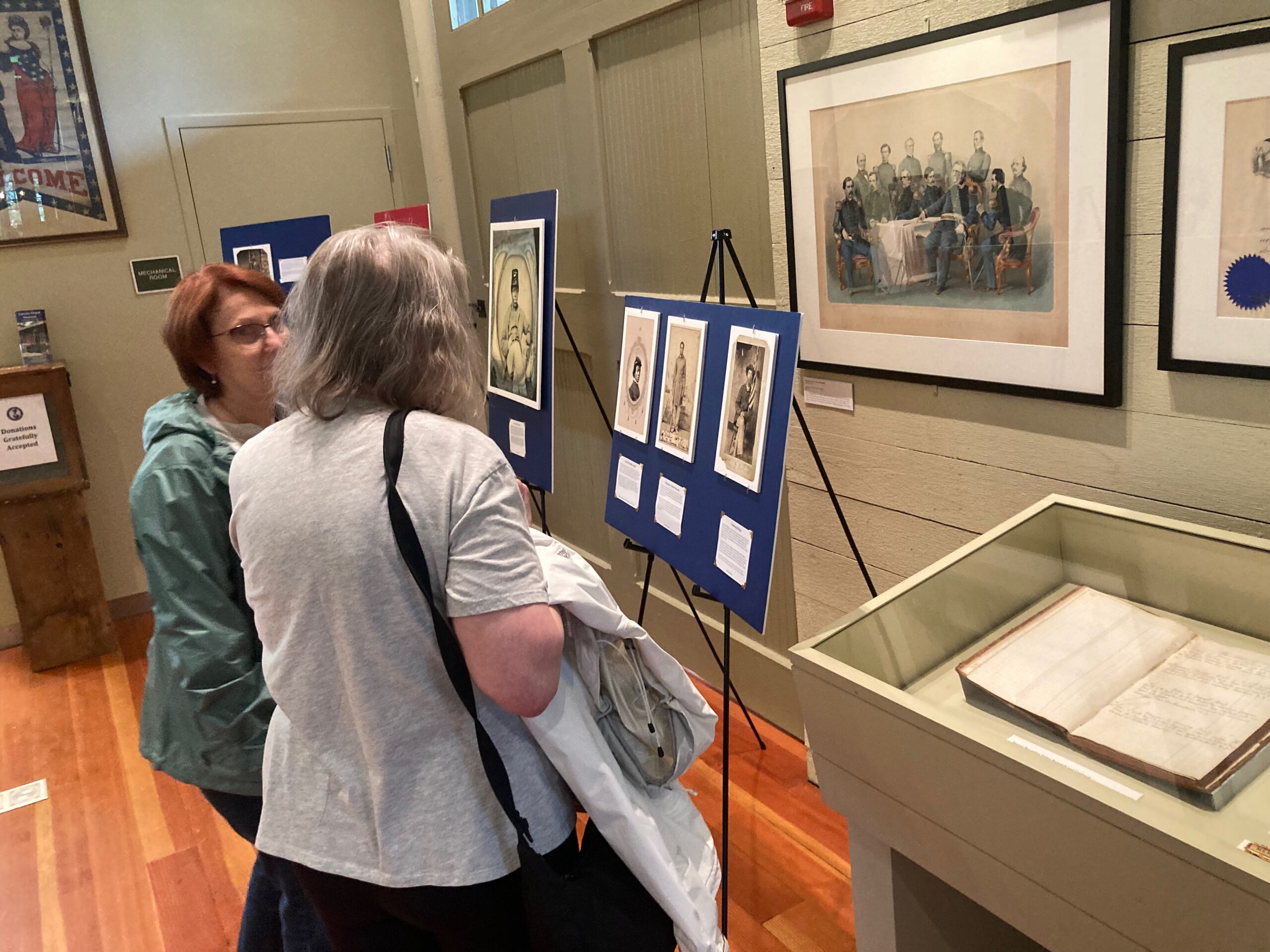
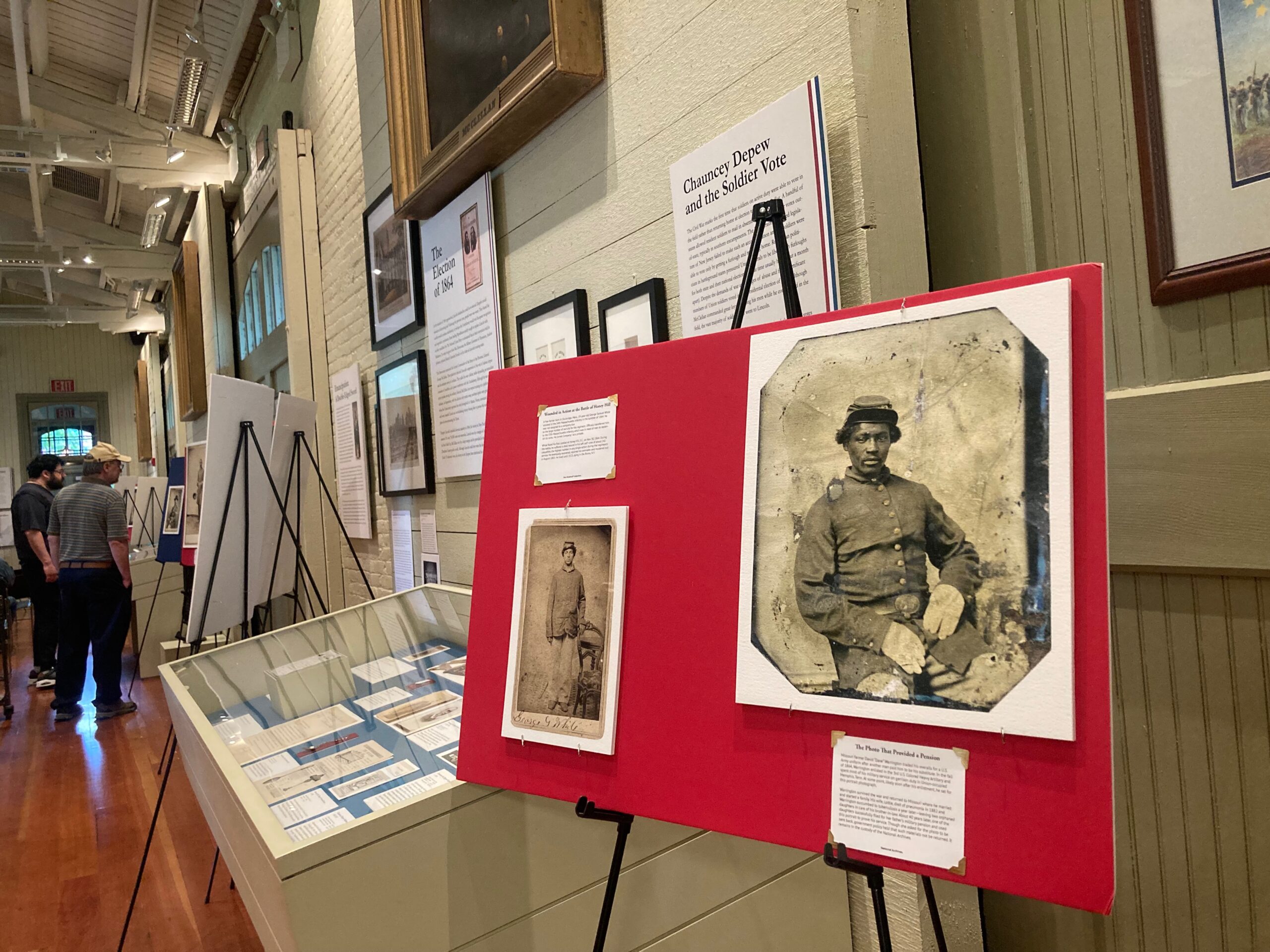
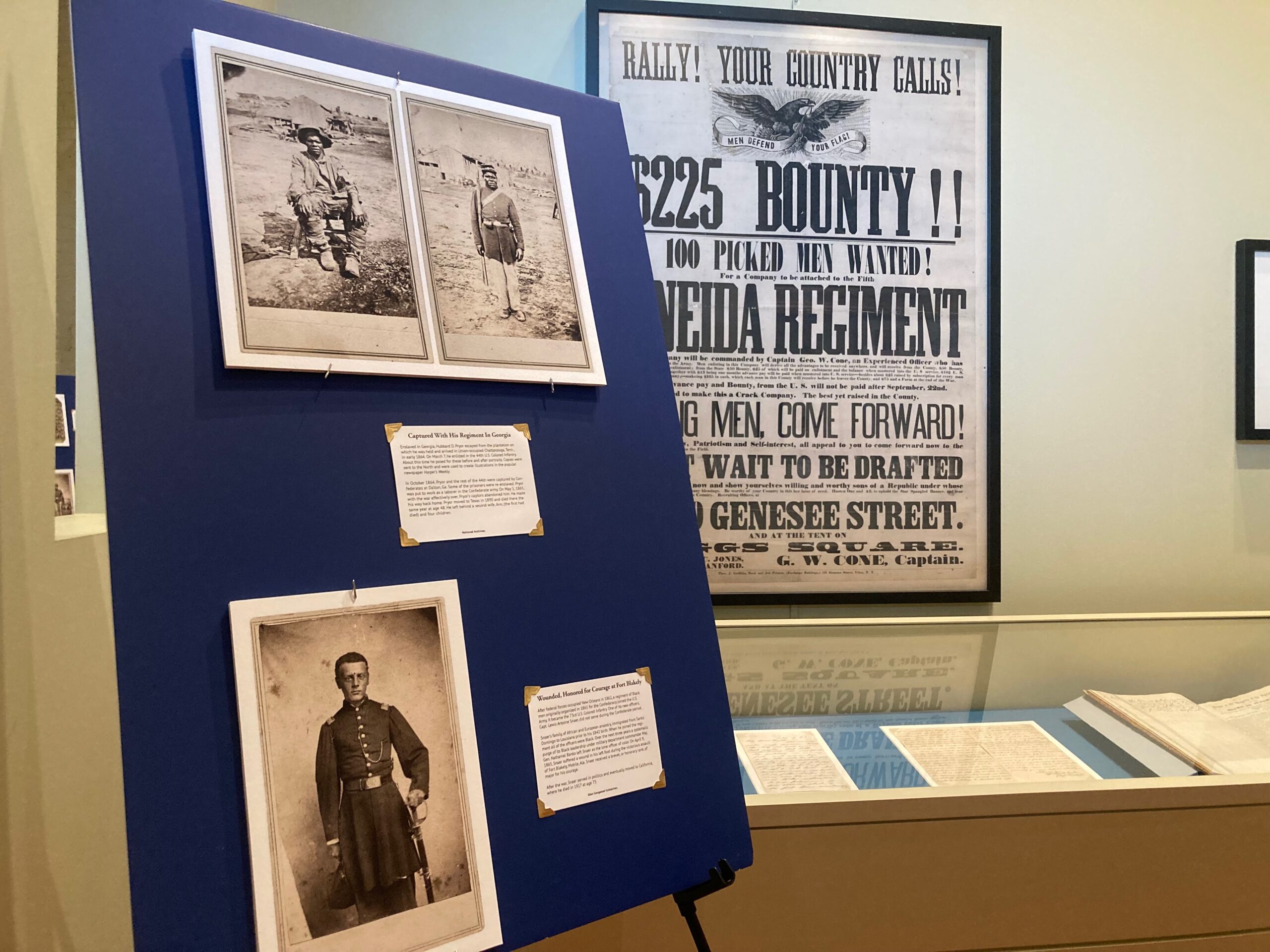
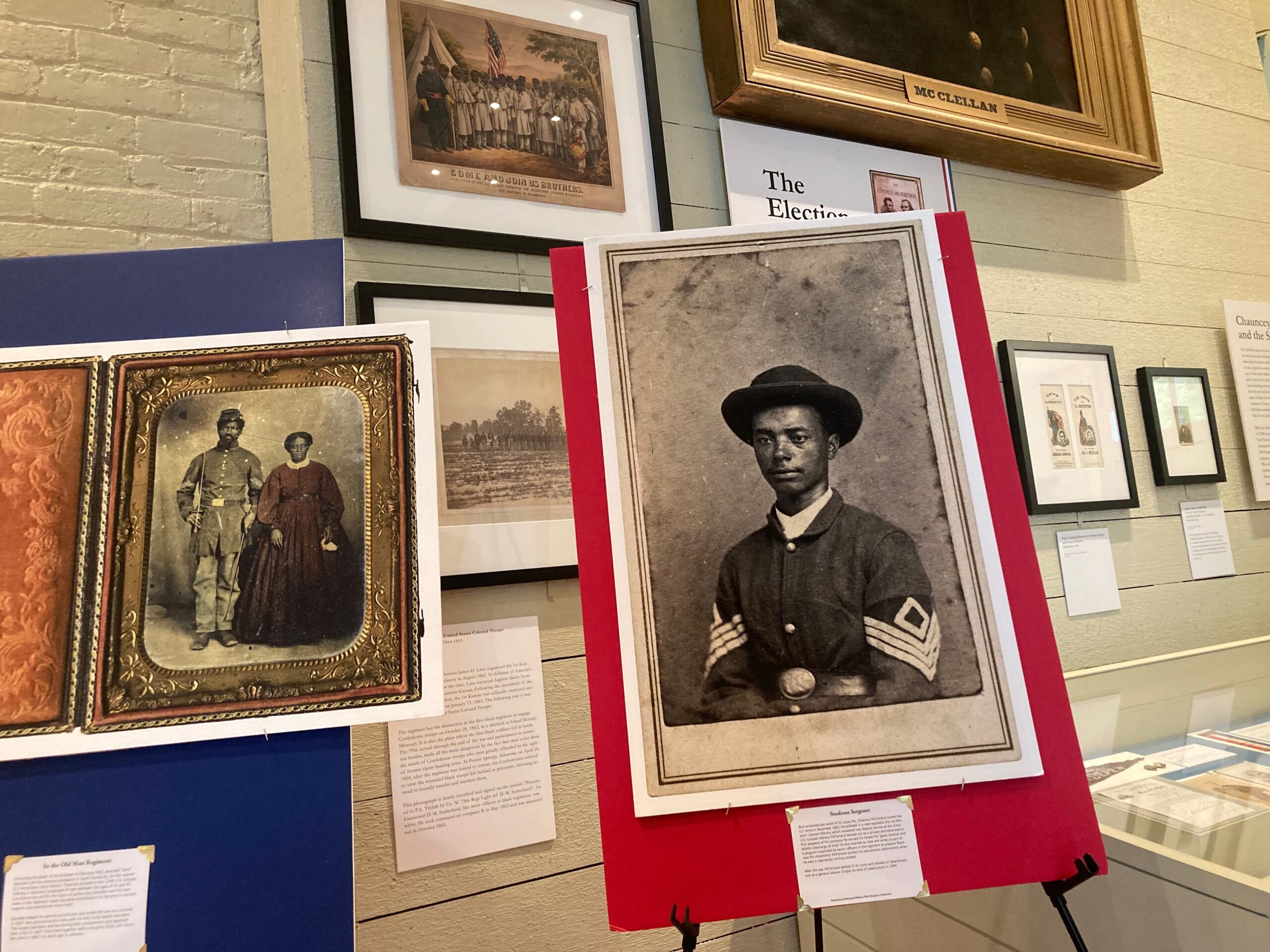
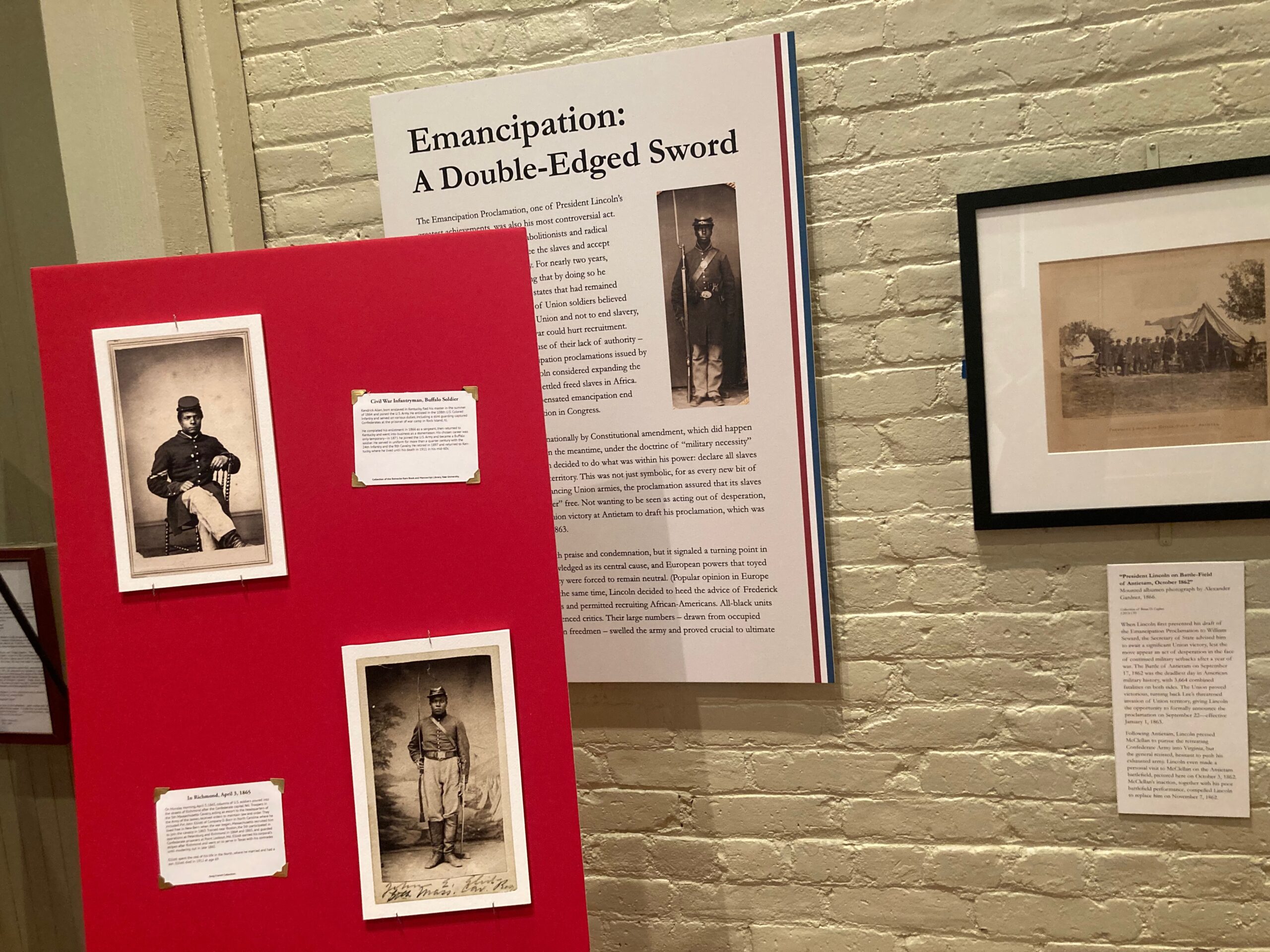
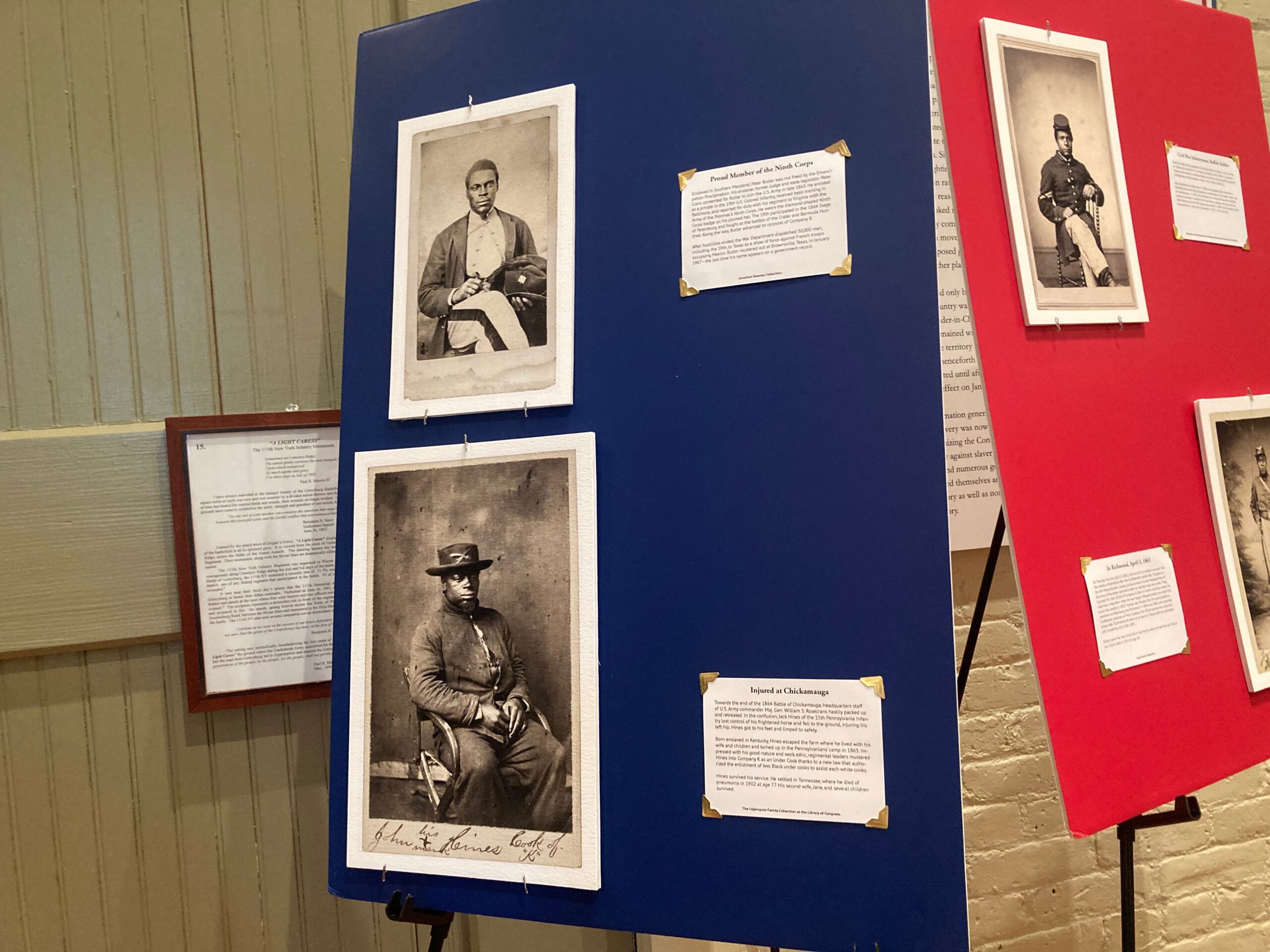
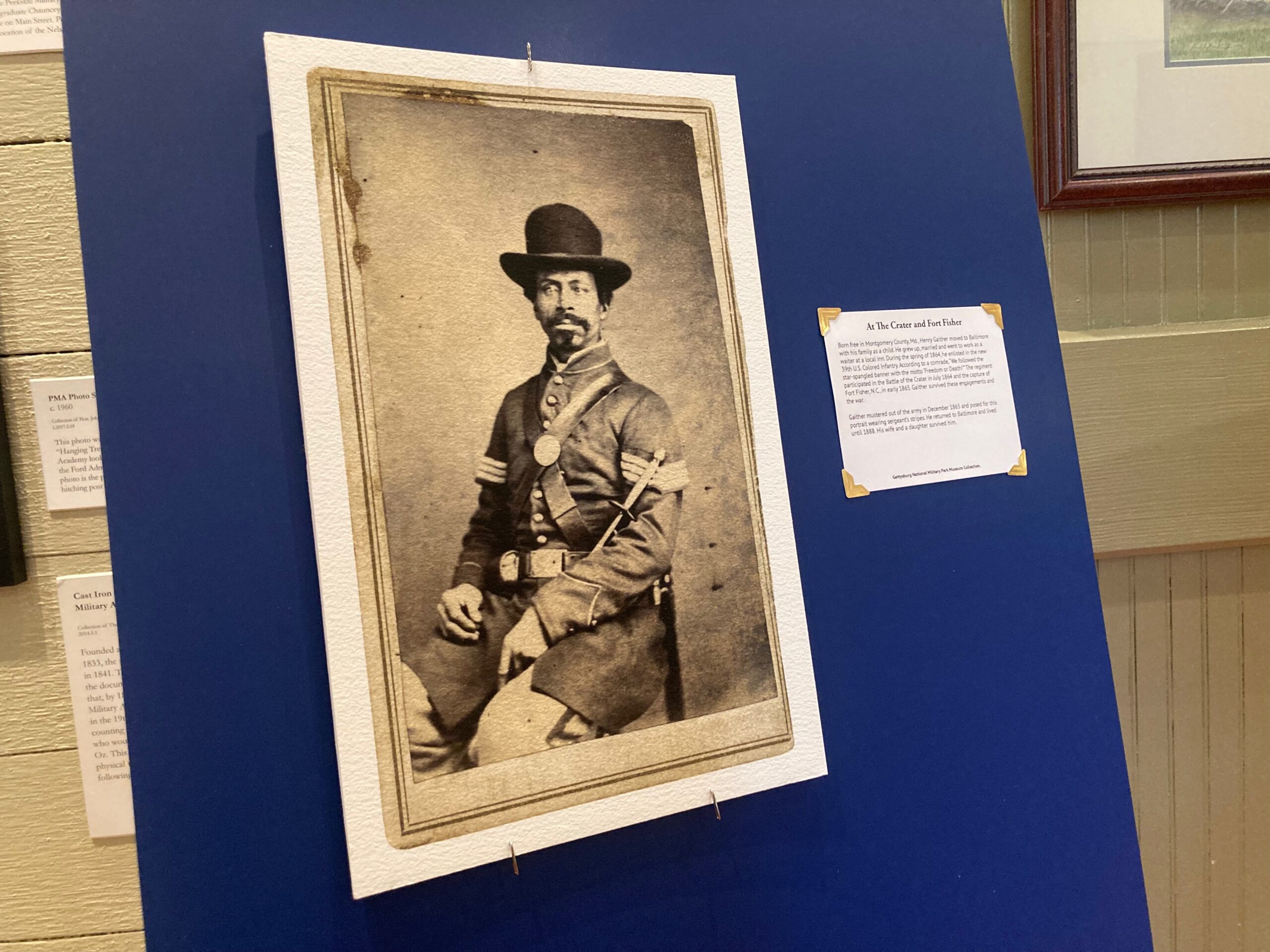
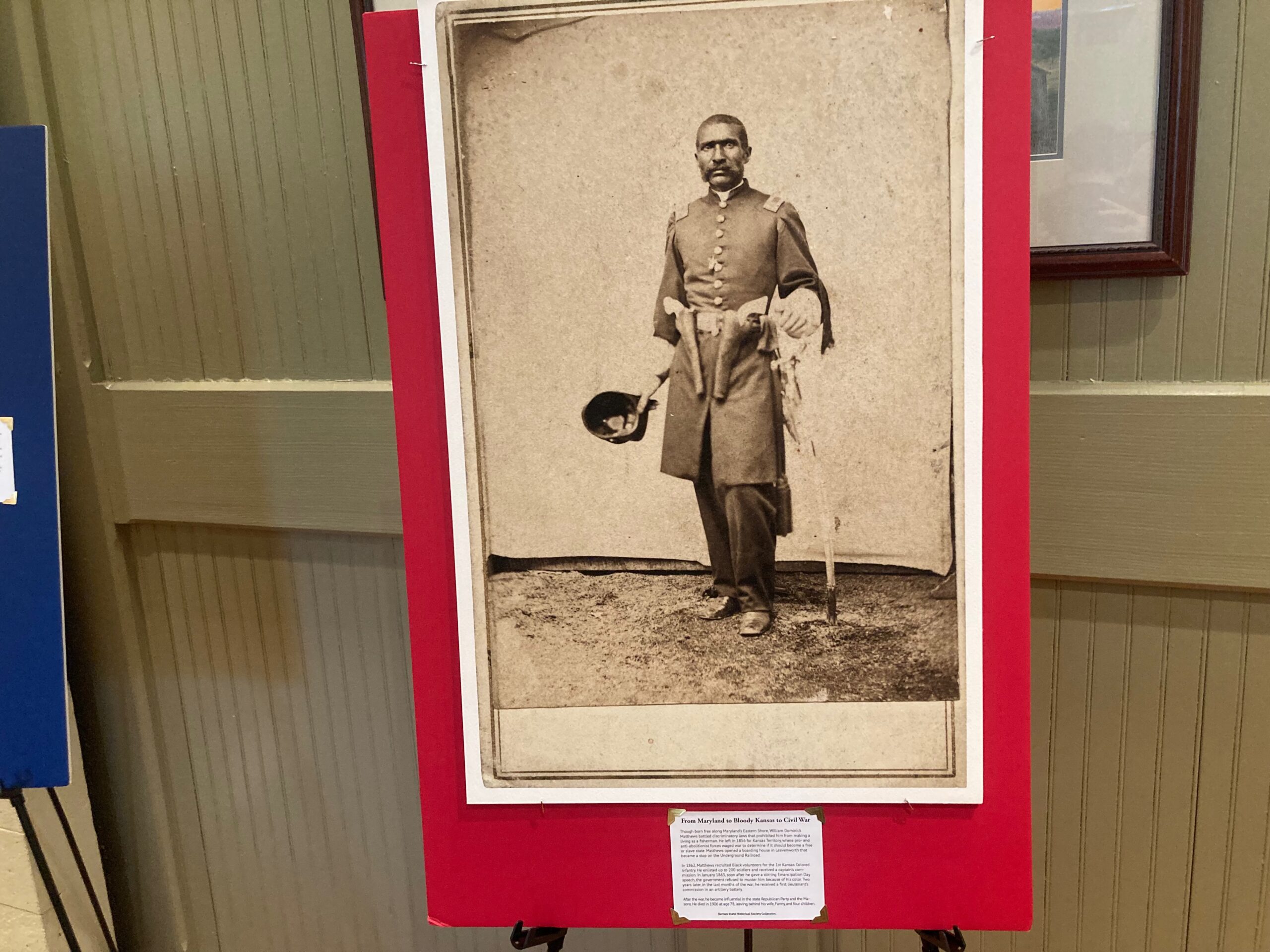
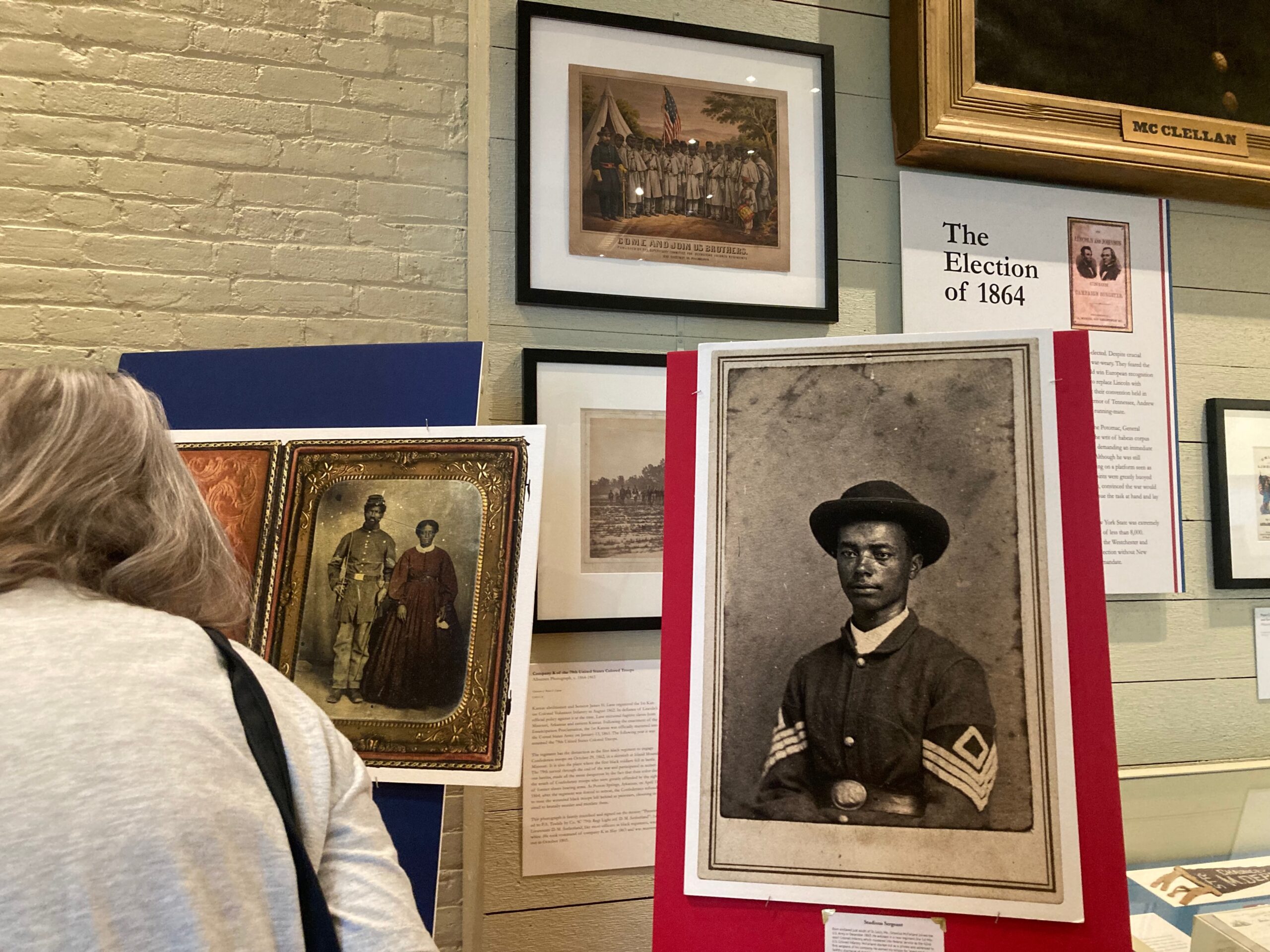
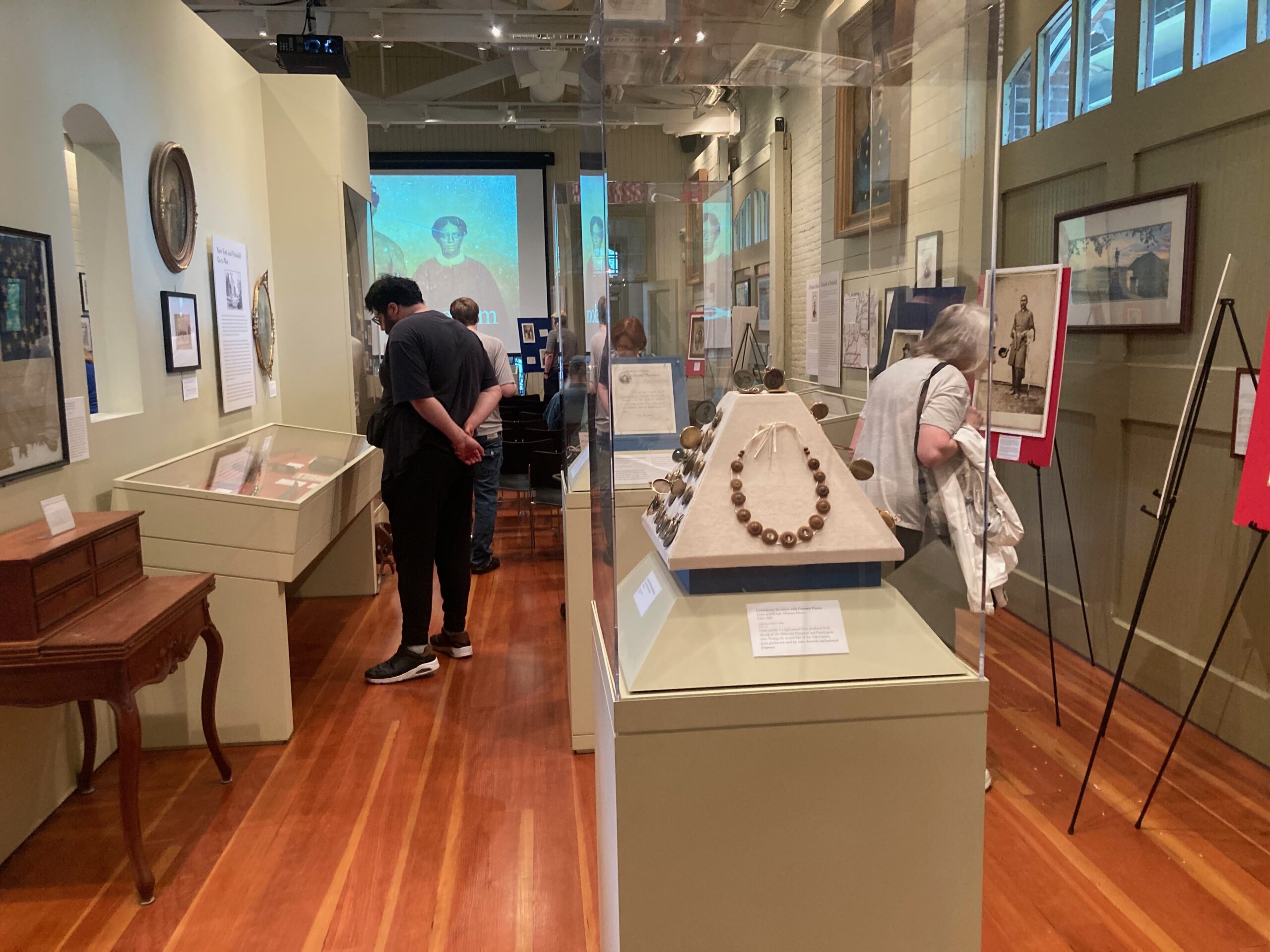
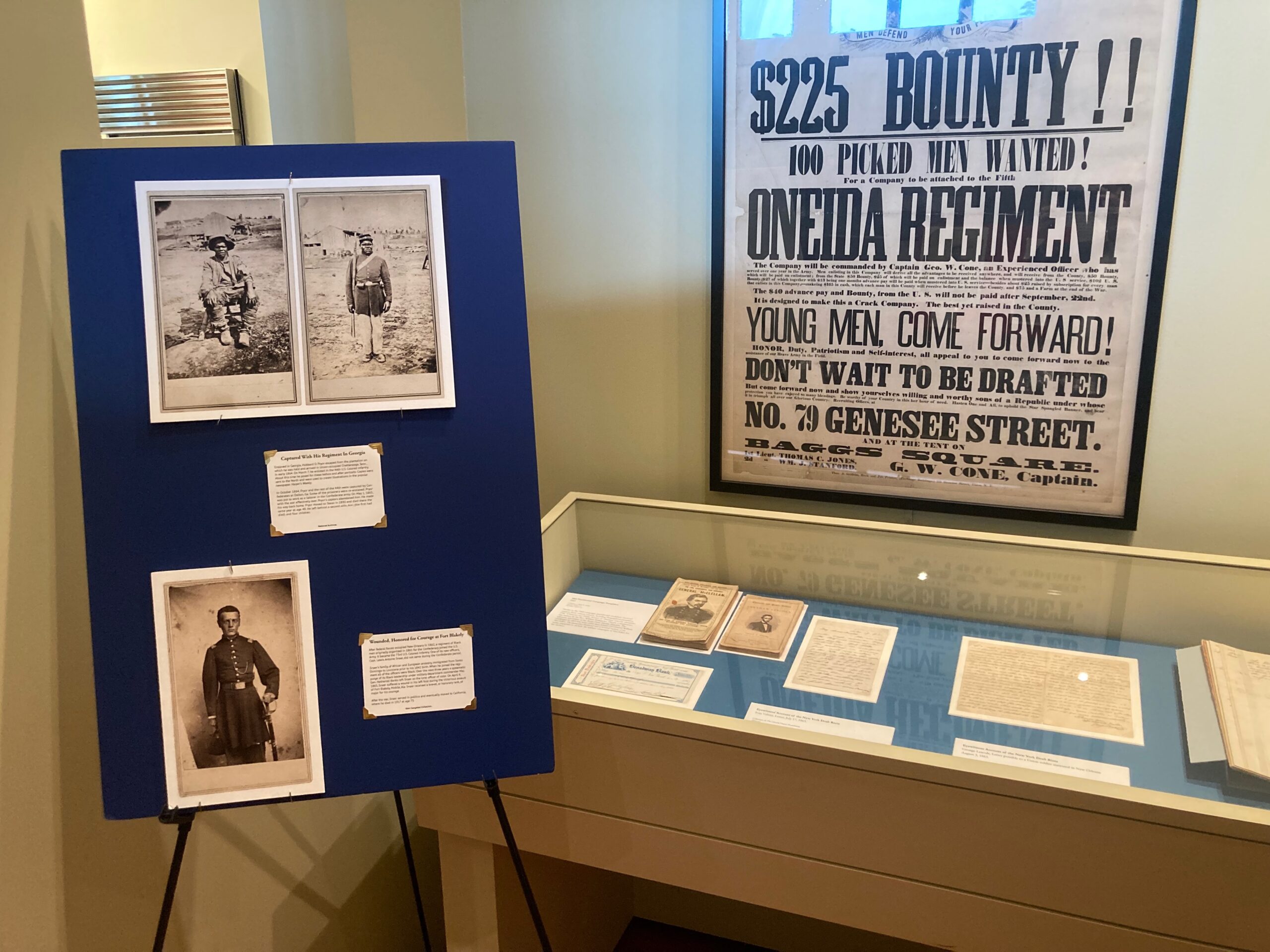
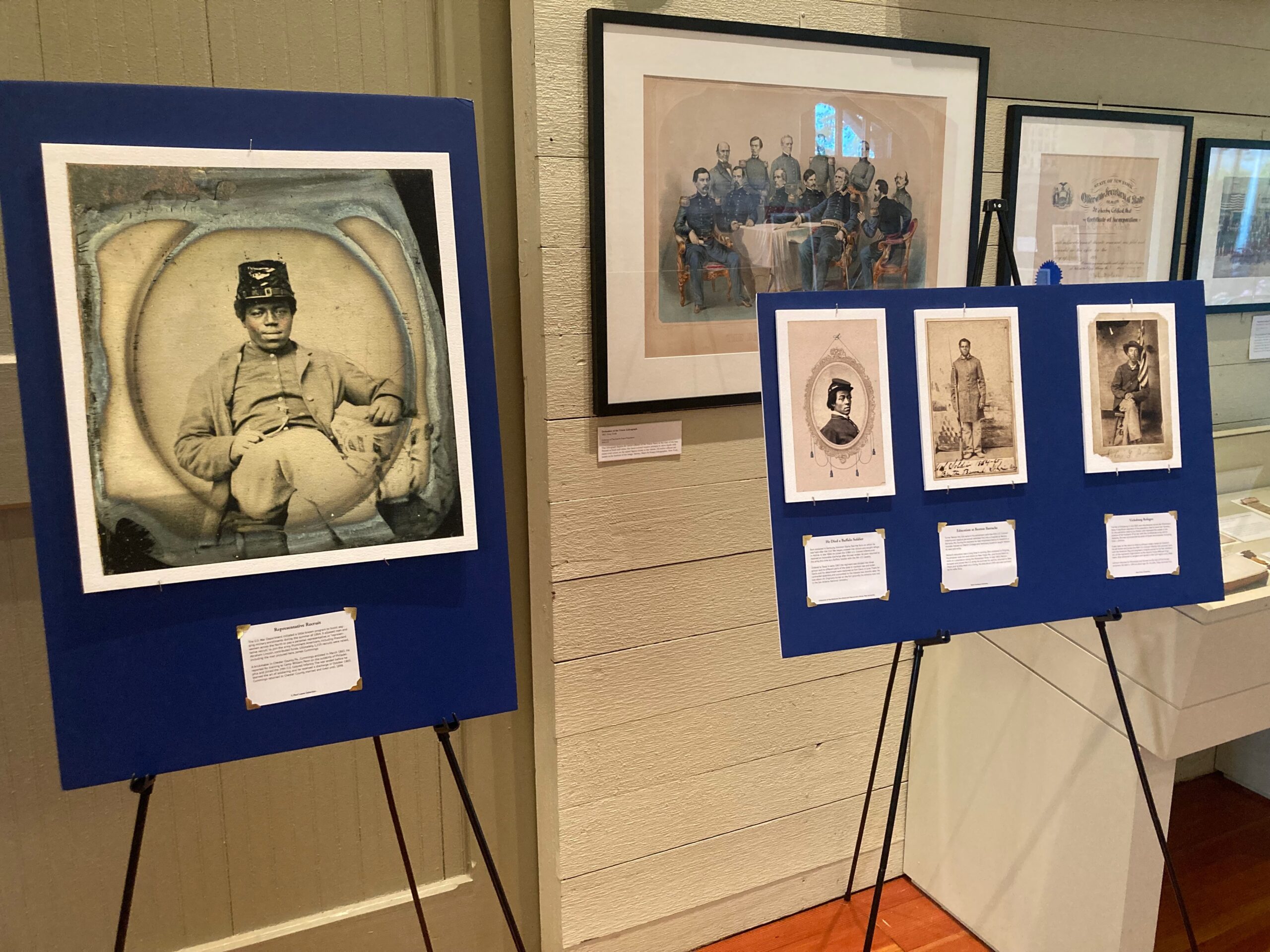
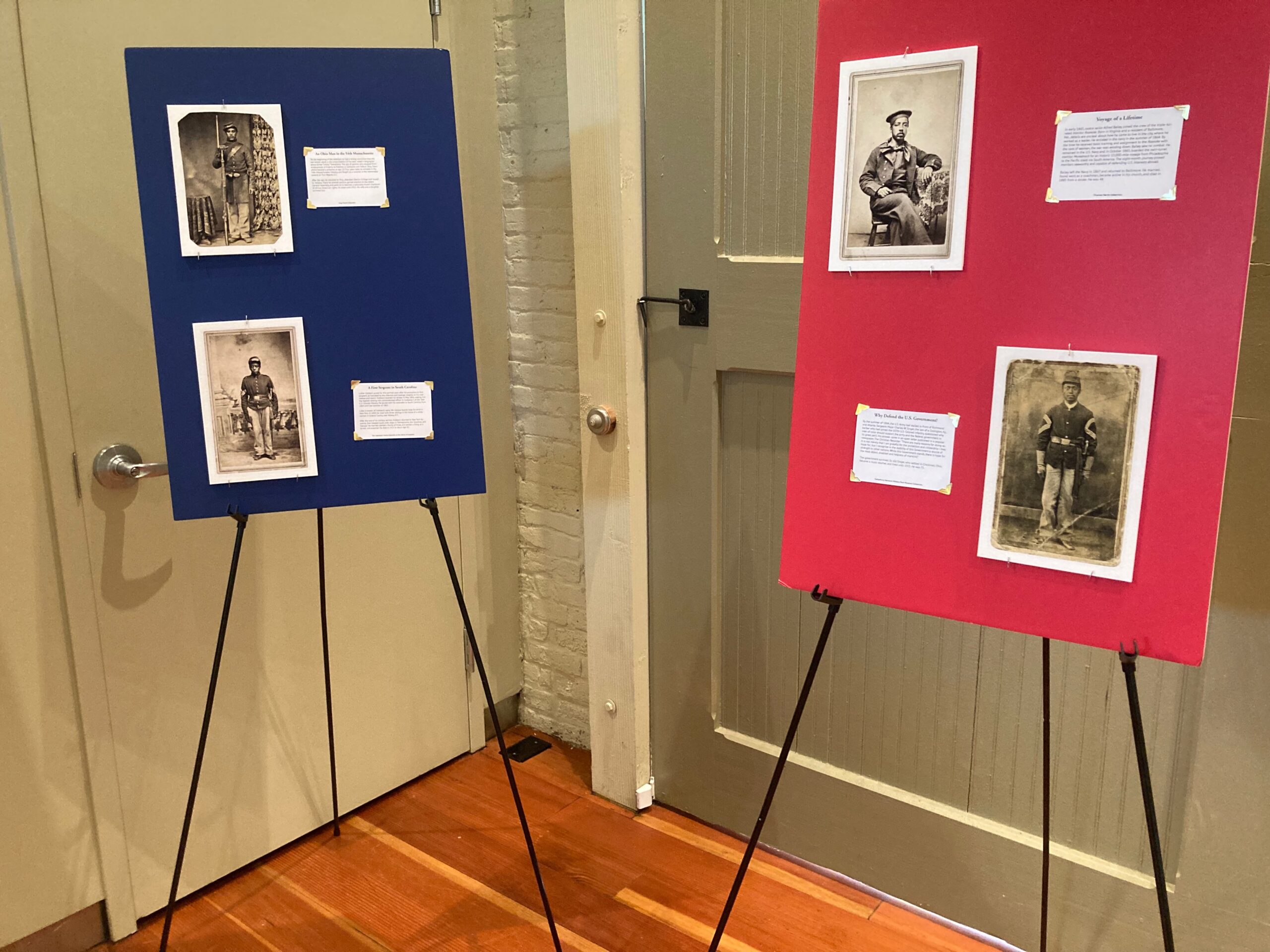
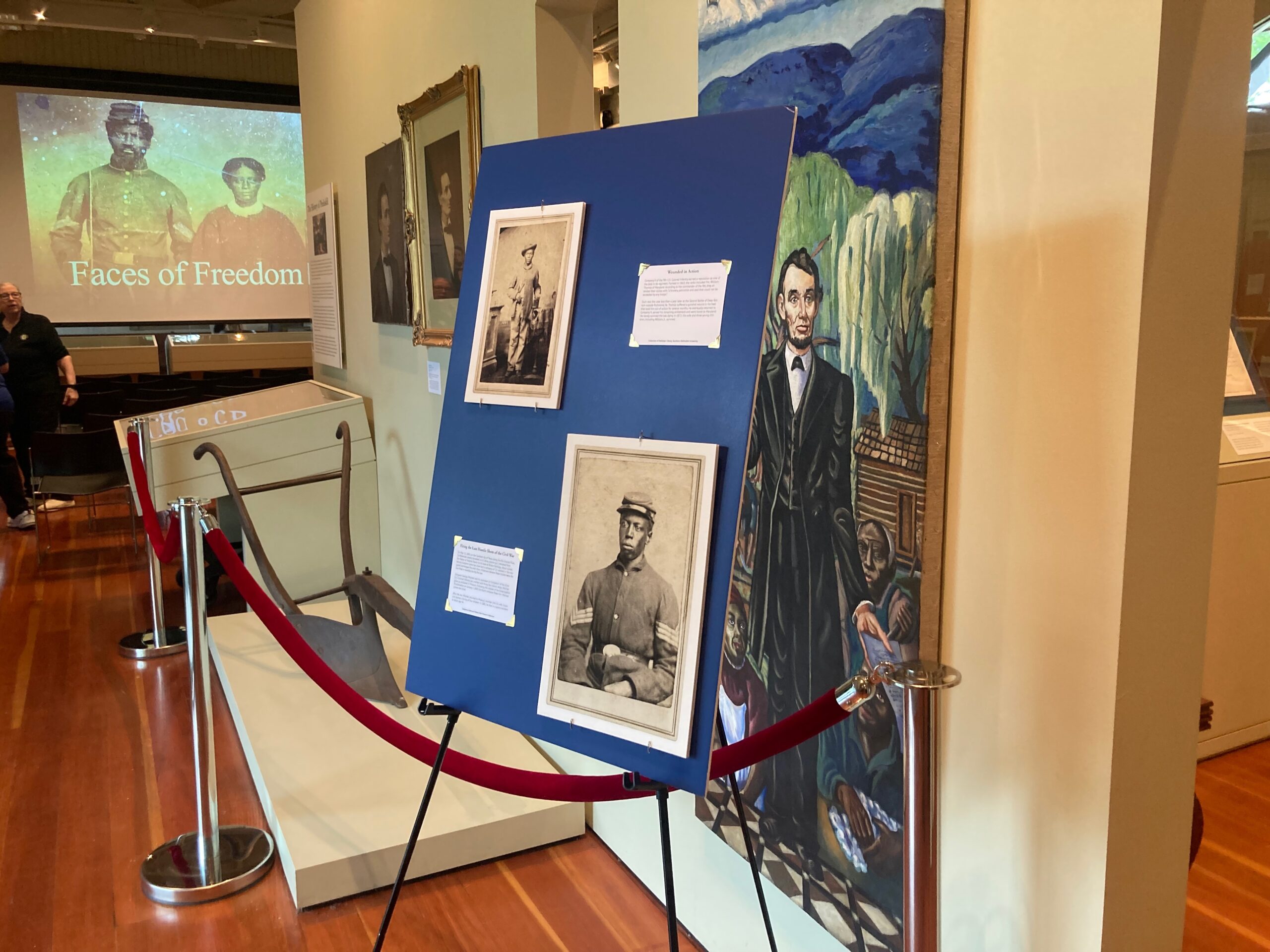
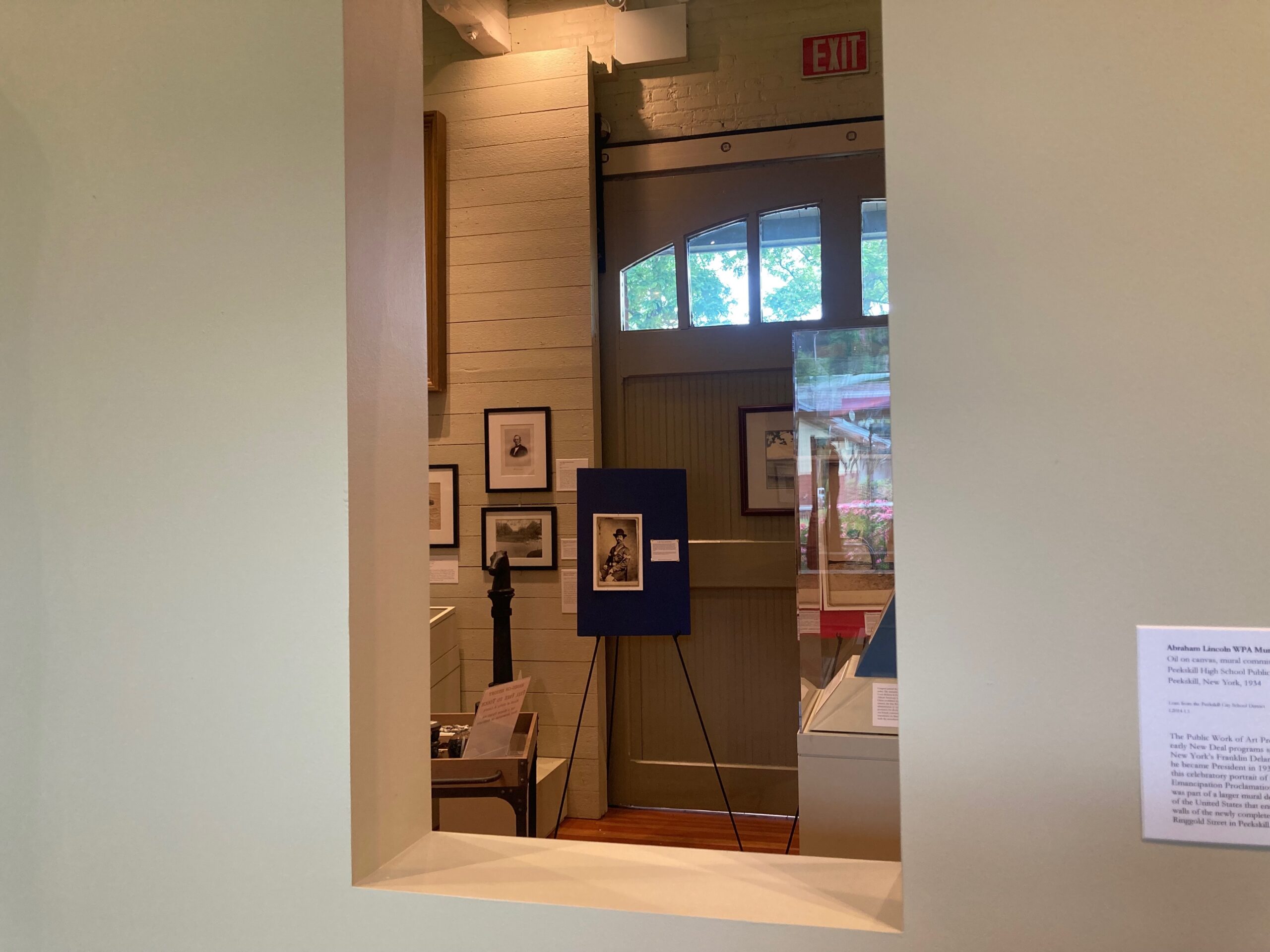
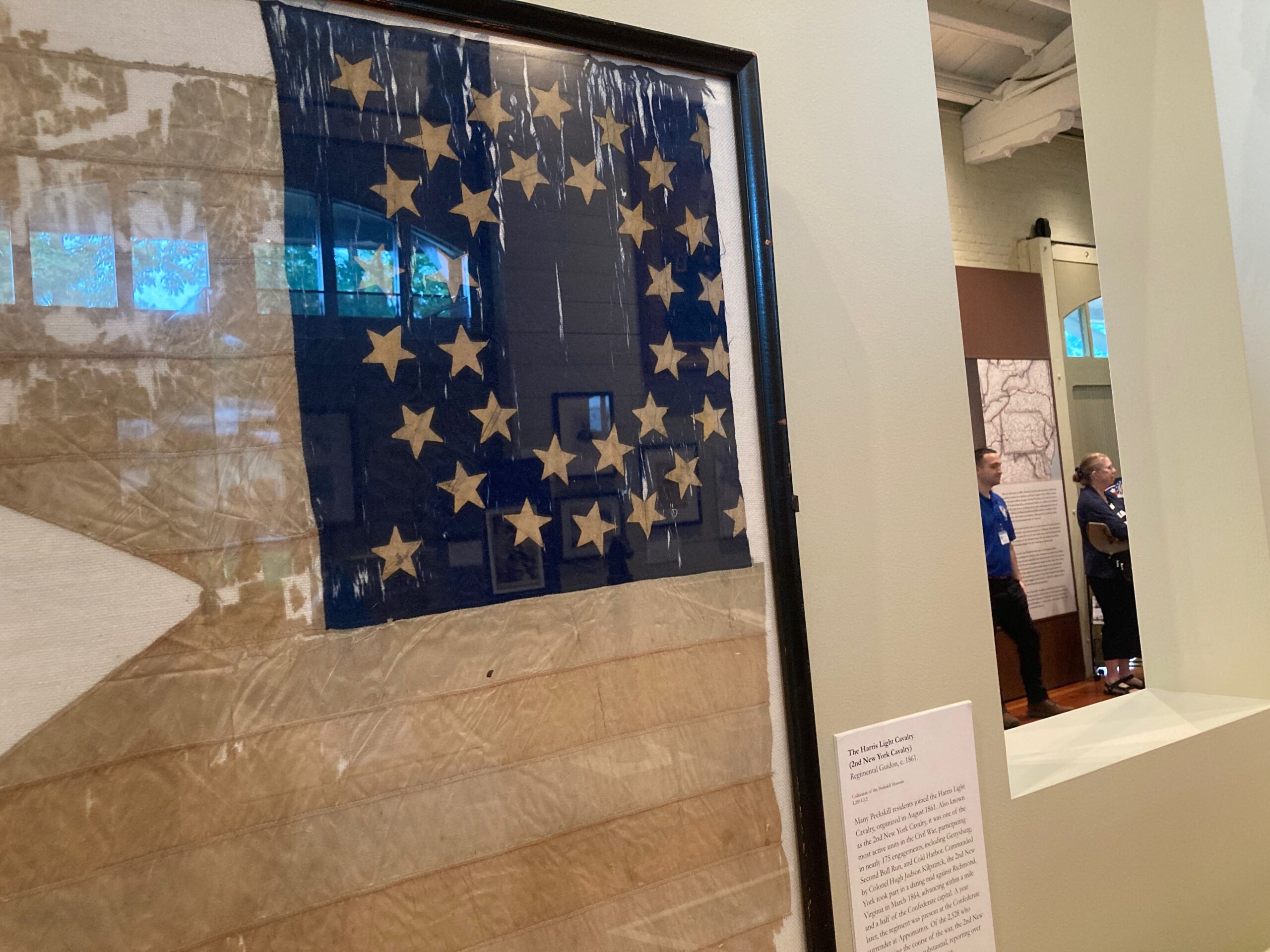
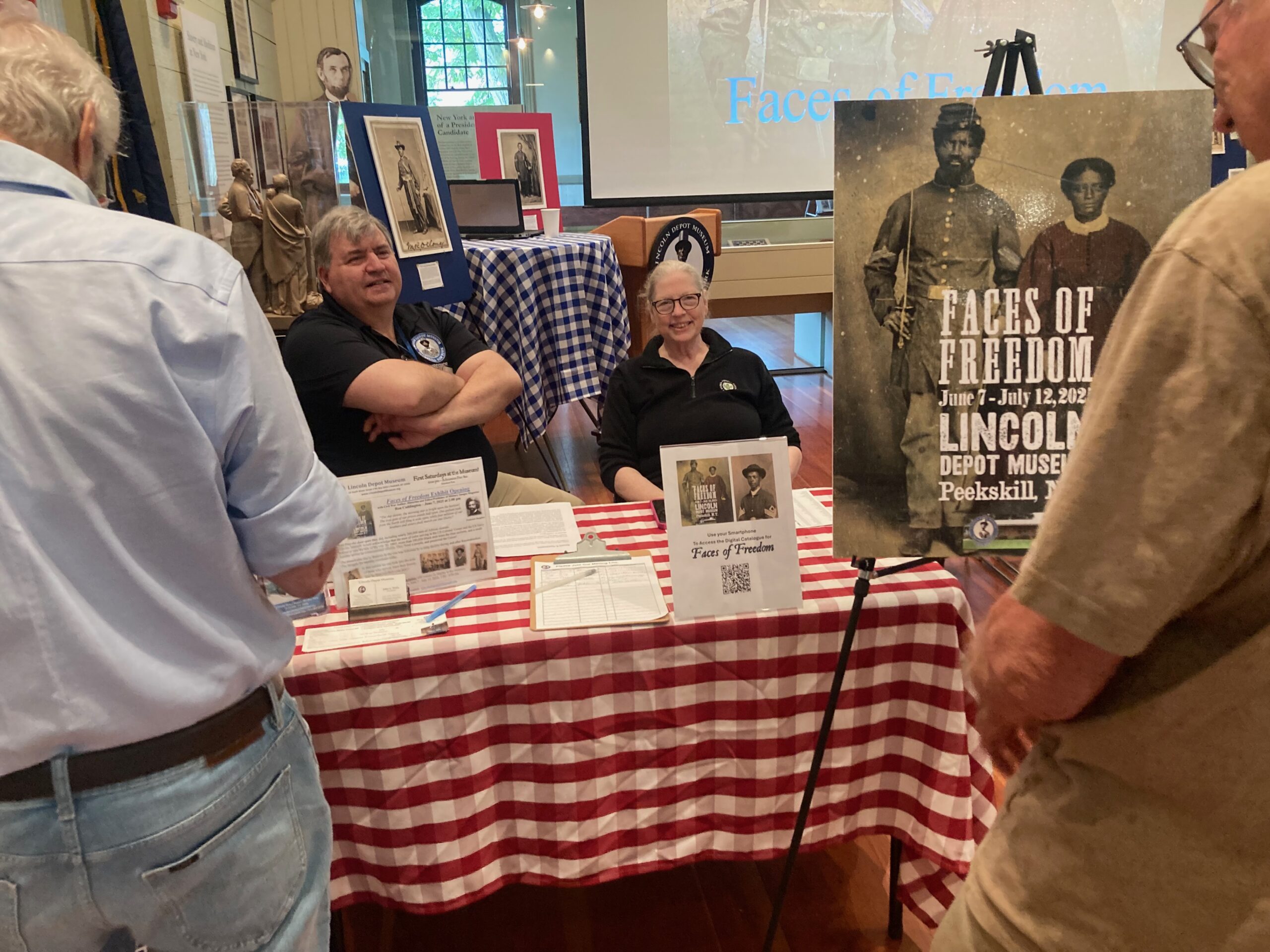
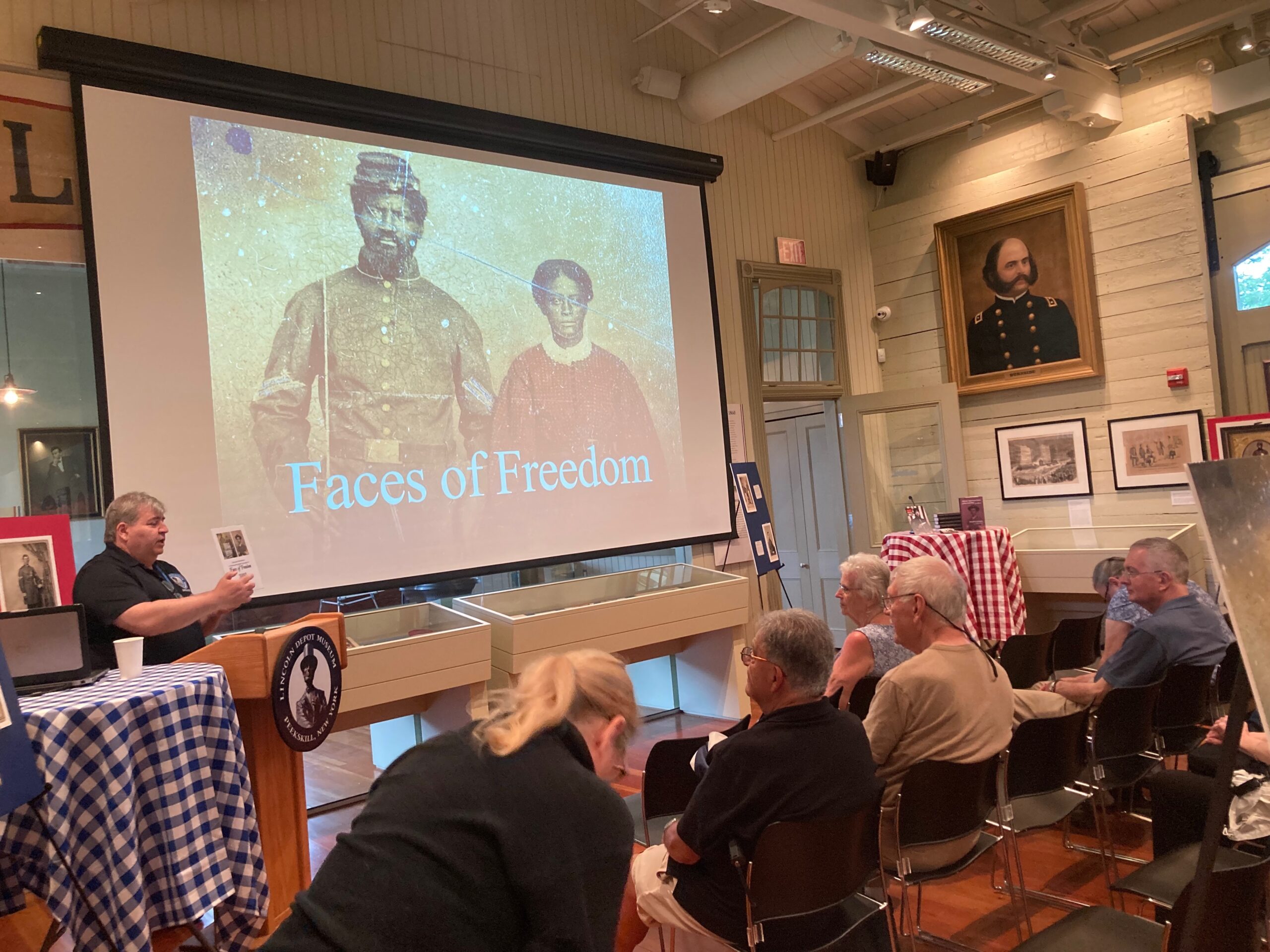
Military Images officially launched its traveling exhibit, Faces of Freedom: African American Faces of the Civil War Era, today at the historic Lincoln Depot Museum—just as a steady rain tapped against the roof of the 19th-century depot. Inside, the energy was high and the room full, as a packed house gathered to mark the opening.

Ron Coddington, editor and publisher of Military Images, delivered a wide-ranging presentation that set the stage for the exhibit. He traced the project’s development and explored the evolution of photography during the Civil War era. A “By the Numbers” section offered compelling data points, while detailed diagrams mapped the journeys of Black men from 1861 through the postwar years, culminating in the formation of the Buffalo Soldiers.

Coddington also addressed the evolution of terminology—from “Contraband” to “Freedmen” to “United States Colored Troops (USCT)”—and shared powerful, firsthand quotes from the soldiers themselves. Audience questions were both plentiful and insightful, underscoring the impact and importance of the stories on display.

Military Images extends a heartfelt thanks to Michael and Gail Bennett and all the volunteers at the Lincoln Depot Museum for their generous support and hospitality.

If you missed today’s event, don’t worry—the exhibit runs through July 12, 2025. Don’t miss your chance to experience this compelling visual and historical narrative.