Life-Sized Tribute: New Traveling Exhibit Brings Civil War Nurses Into Focus

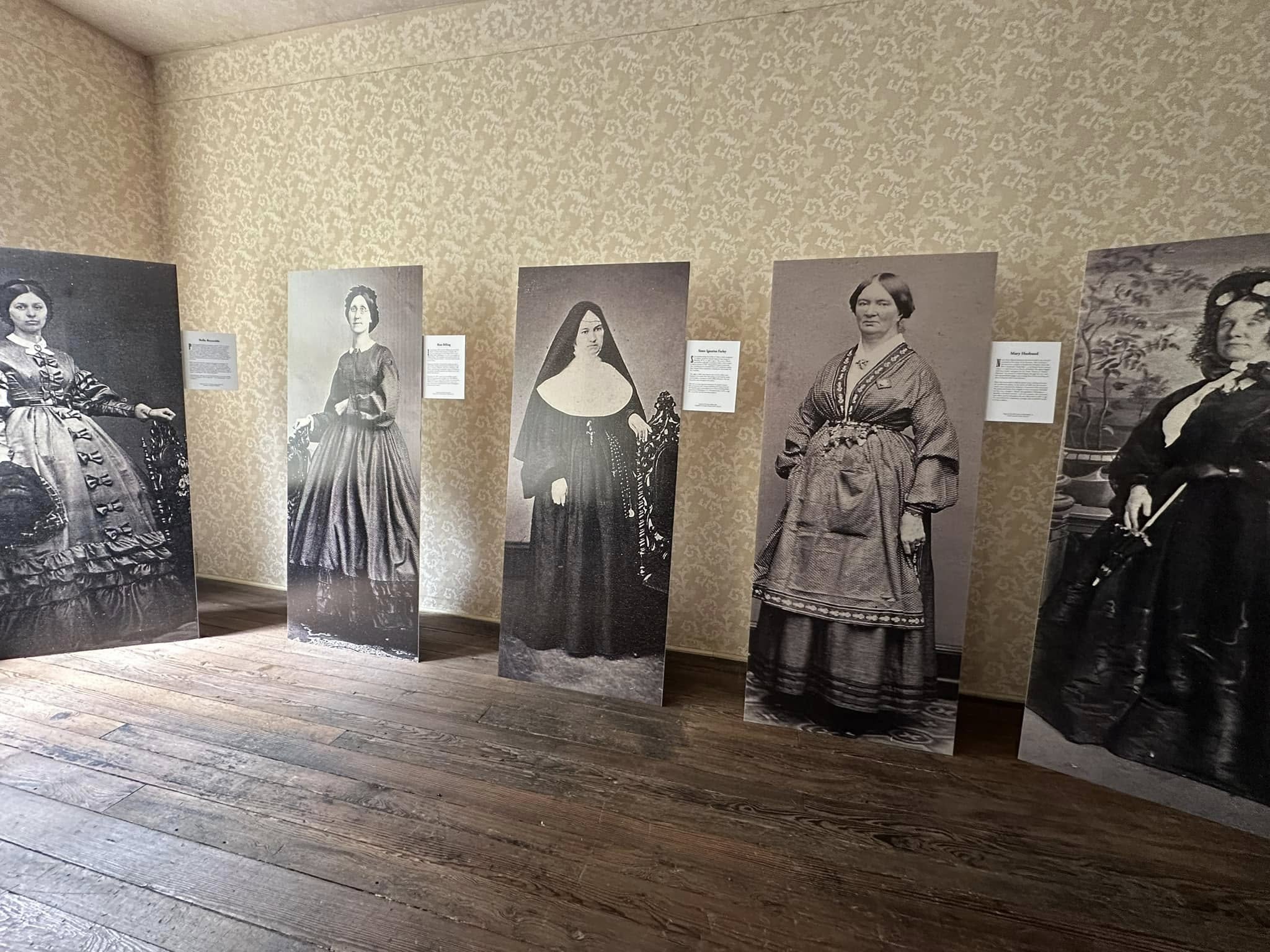
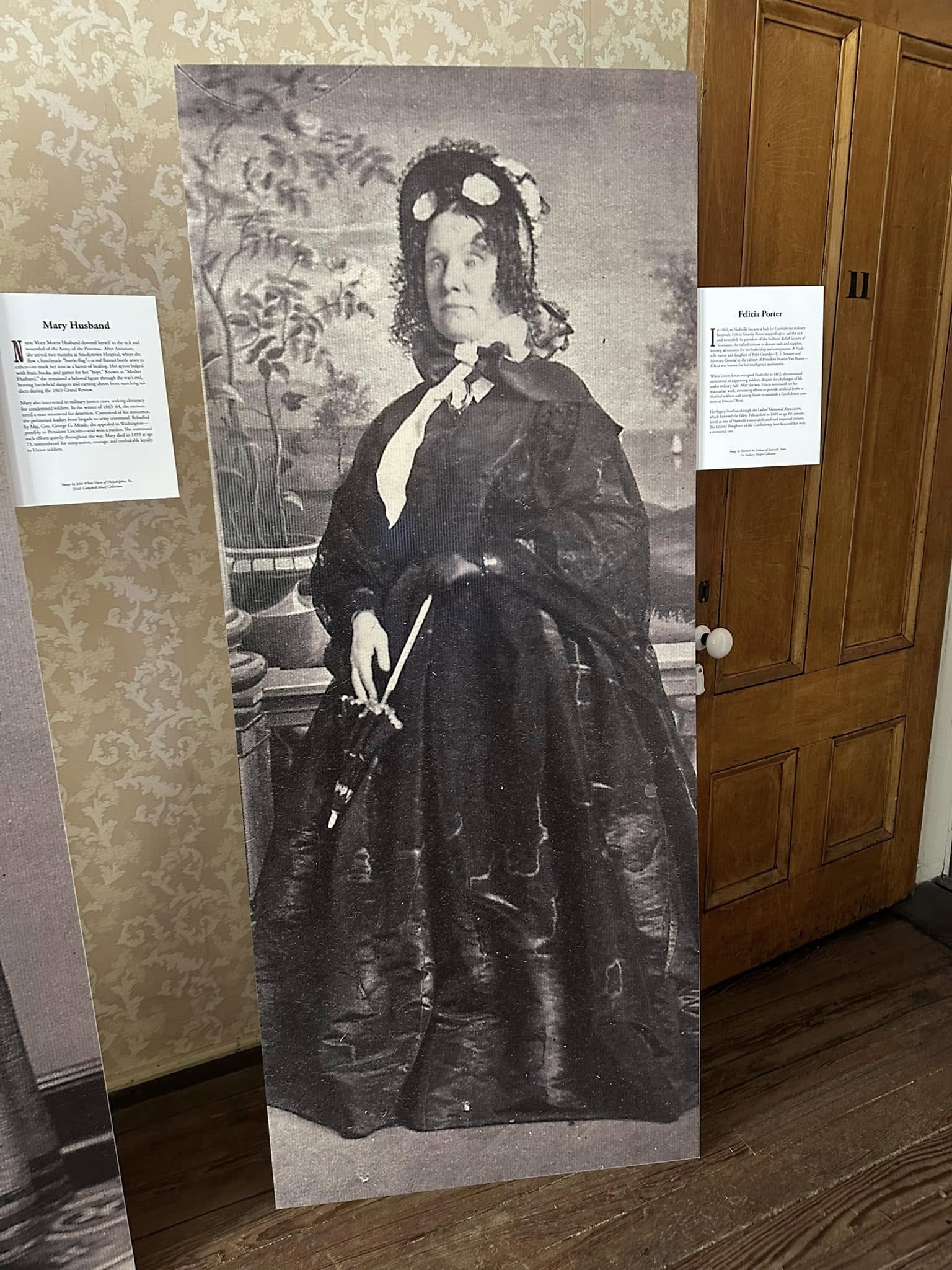
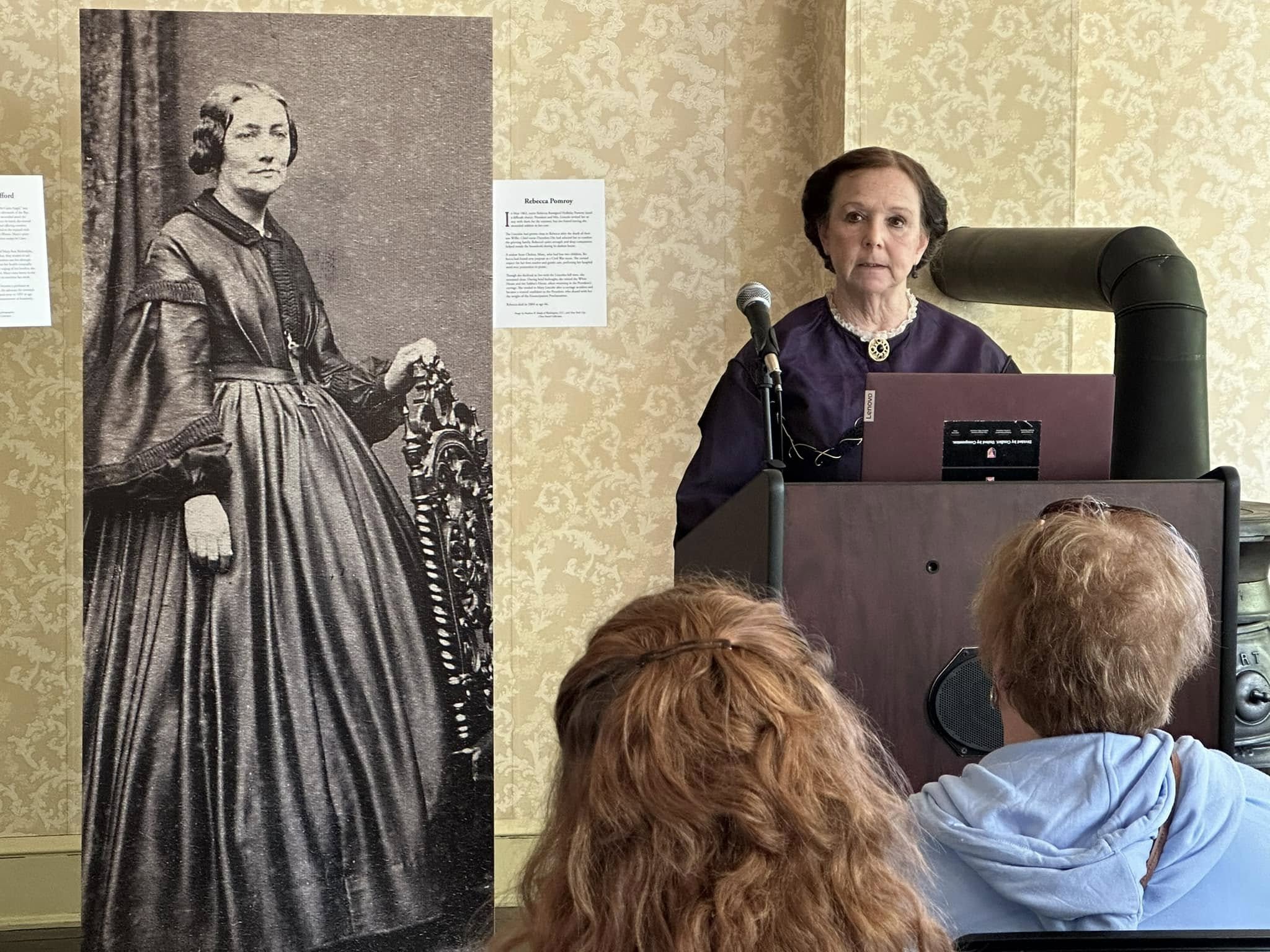
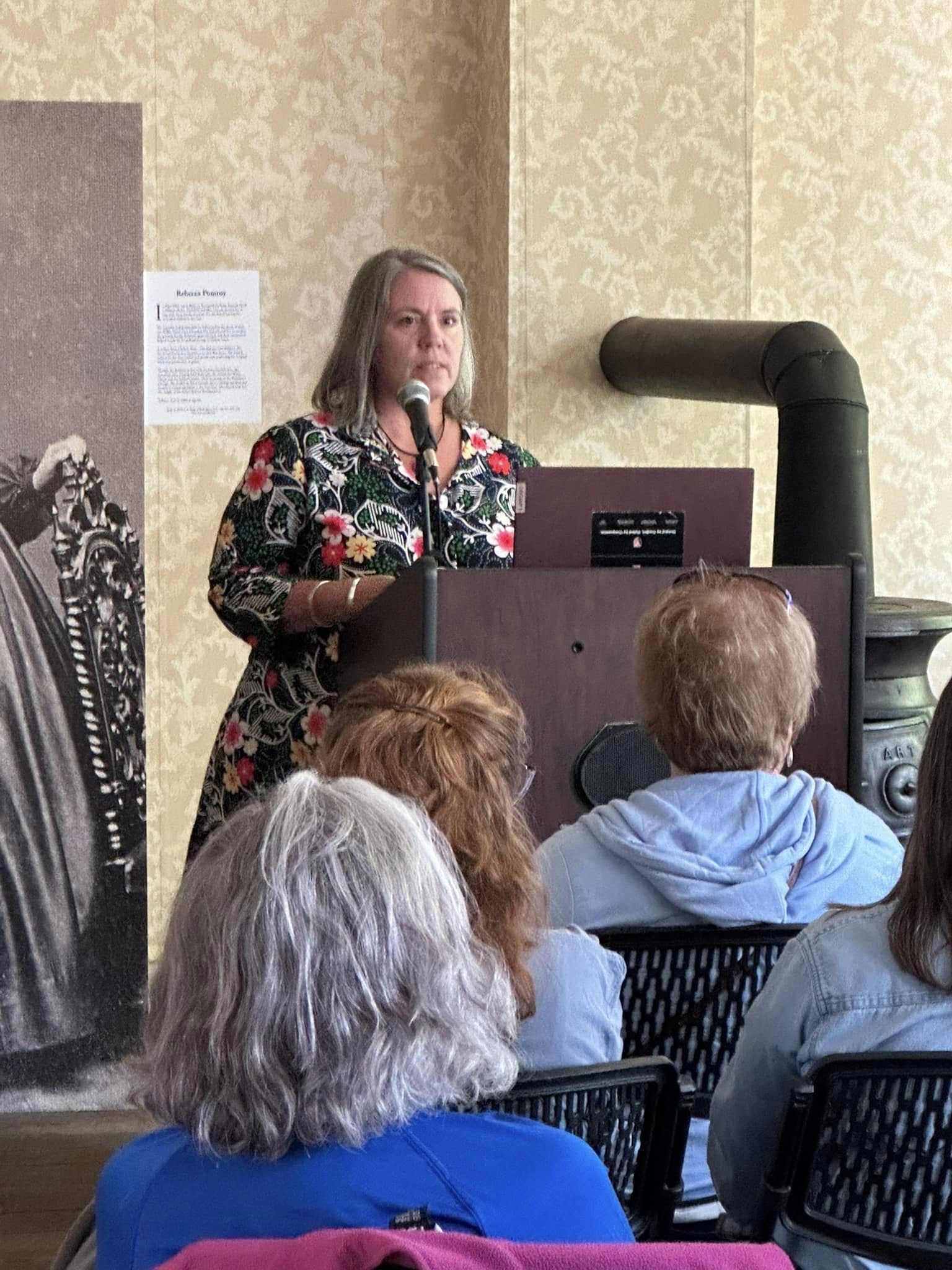
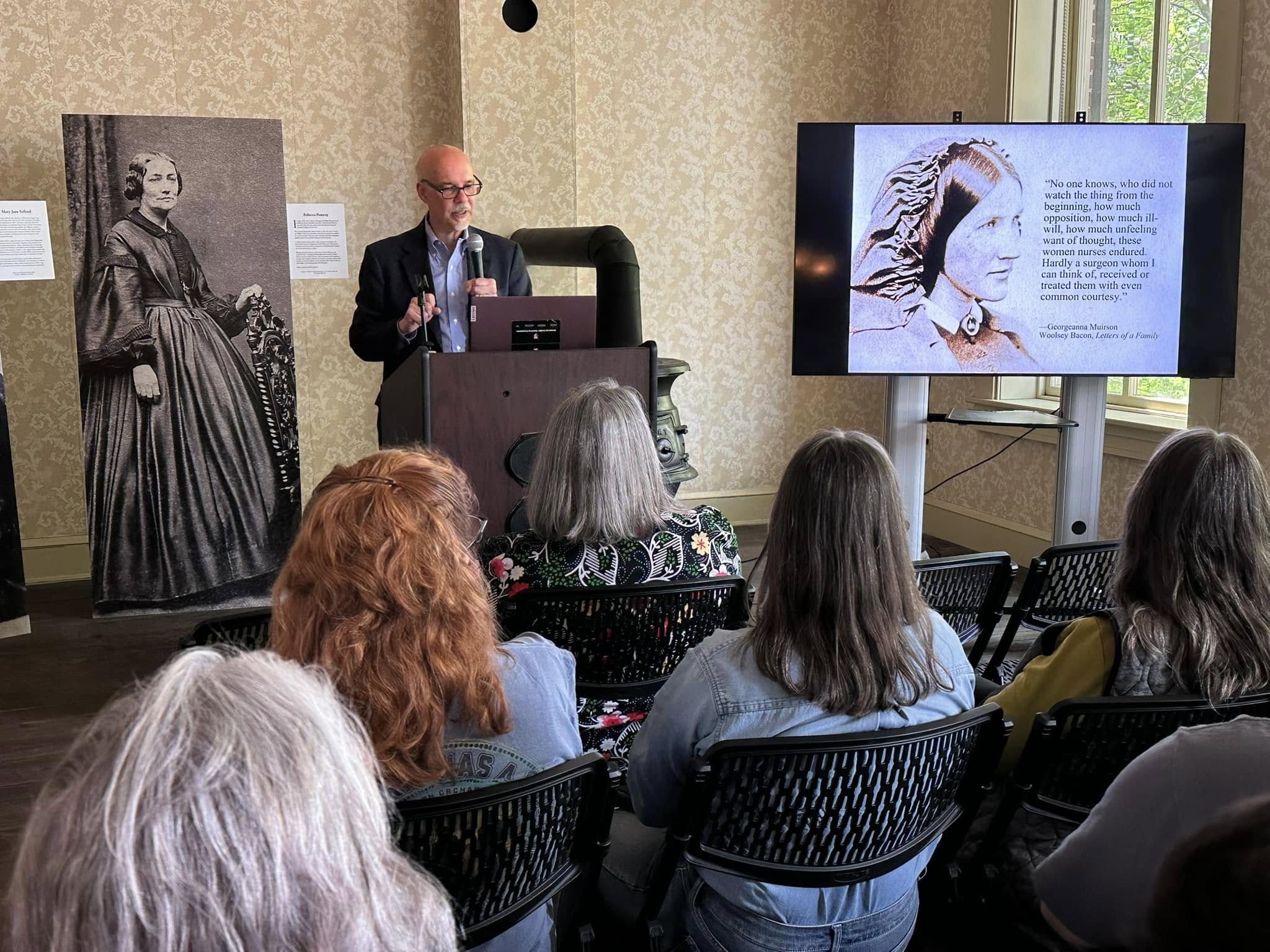
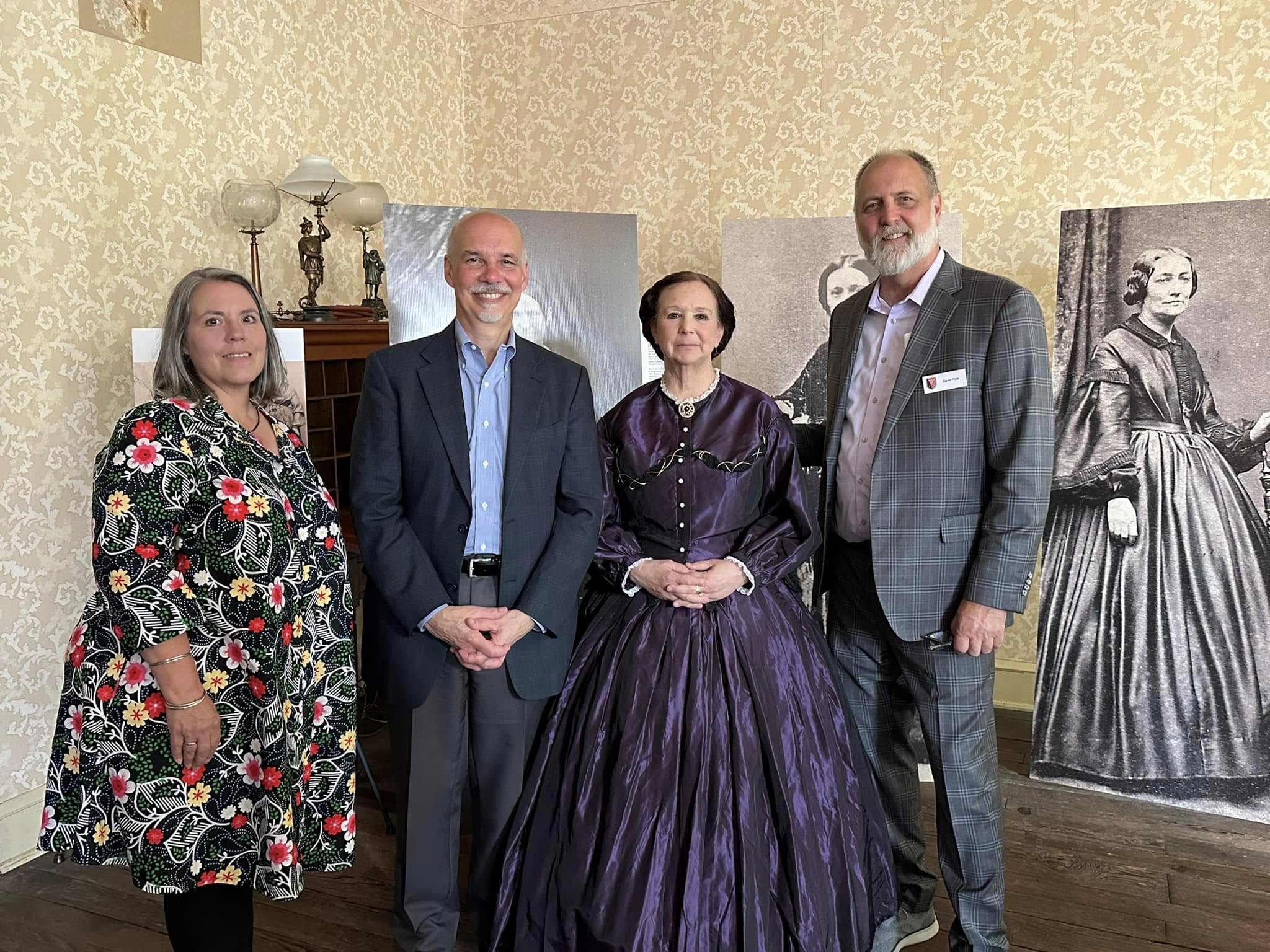
We are thrilled to share that the opening of Faces of Civil War Nurses at the Clara Barton Missing Soldiers Office Museum on May 24 drew an enthusiastic and engaged crowd. This unique traveling exhibition, on view through September 1, 2025, shines a light on the remarkable women who stepped beyond the boundaries of traditional life to care for soldiers during the Civil War.

The exhibit is a collaboration between the National Museum of Civil War Medicine, which operates the Clara Barton Museum, and Military Images magazine. Military Images—the only publication solely dedicated to showcasing, interpreting, and preserving Civil War portrait photography—curated this collection of life-sized images and stories. The foundation for much of this work can be found in the book Faces of Civil War Nurses, authored by Military Images editor and publisher Ronald S. Coddington and published by Johns Hopkins University Press.

The exhibit brings together powerful photographic portraits and vivid biographies that highlight the courage, compassion, and moral strength of these caregivers. The original images, once cherished as keepsakes or carried in the pockets of soldiers, now offer us rare opportunities to connect with the enduring legacy of Civil War nurses.

Visitors to the opening explored the stories of women like Helen Gilson, who defied prejudice to care for U.S. Colored Troops at City Point, Va.; “Captain” Sally Tompkins, who ran one of the South’s most efficient hospitals; and Harriet Tubman, whose fearless work as a nurse, scout, and spy contributed immeasurably to the Union cause.

Through Faces of Civil War Nurses, both the exhibit and the book invite us to look beyond the well-known figures and discover the breadth of contributions made by women from all walks of life. These portraits and narratives remind us of the sacrifices and service that helped define a nation at war—and the caregiving spirit that endures to this day.

A special thanks to David Price, Executive Director at the National Museum of Civil War Medicine; Dana Shoaf, Director of Interpretation; Melissa Winn, Director of Marketing and Communications; and Carolyn Ivanoff, author for Gettysburg Publishing, who portrayed Clara Barton at the opening.

Want to bring this exhibit to your location? Contact Ron Coddington, Editor & Publisher of Military Images magazine.

Faces of Freedom Exhibit Opens at Lincoln Depot Museum

Peekskill, NY — June 7, 2025

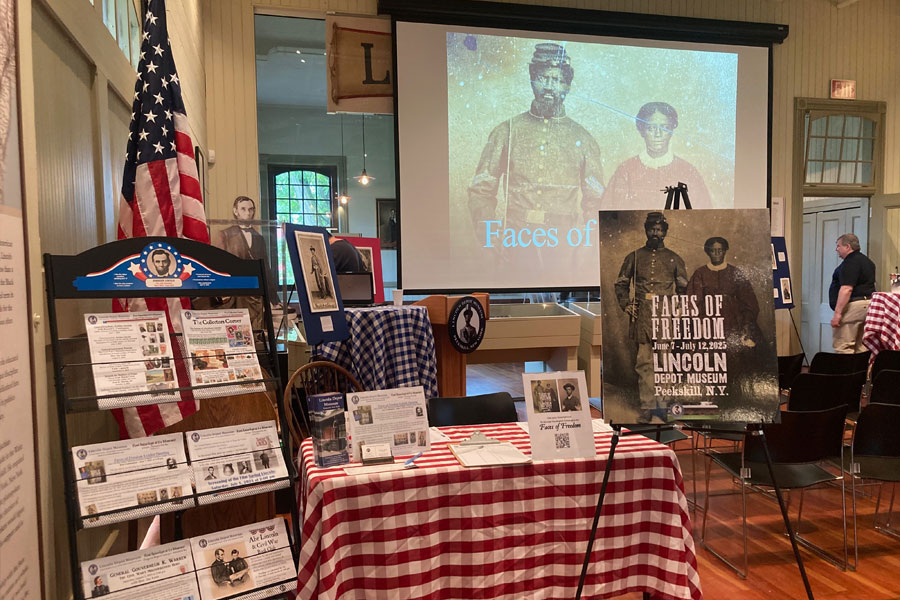
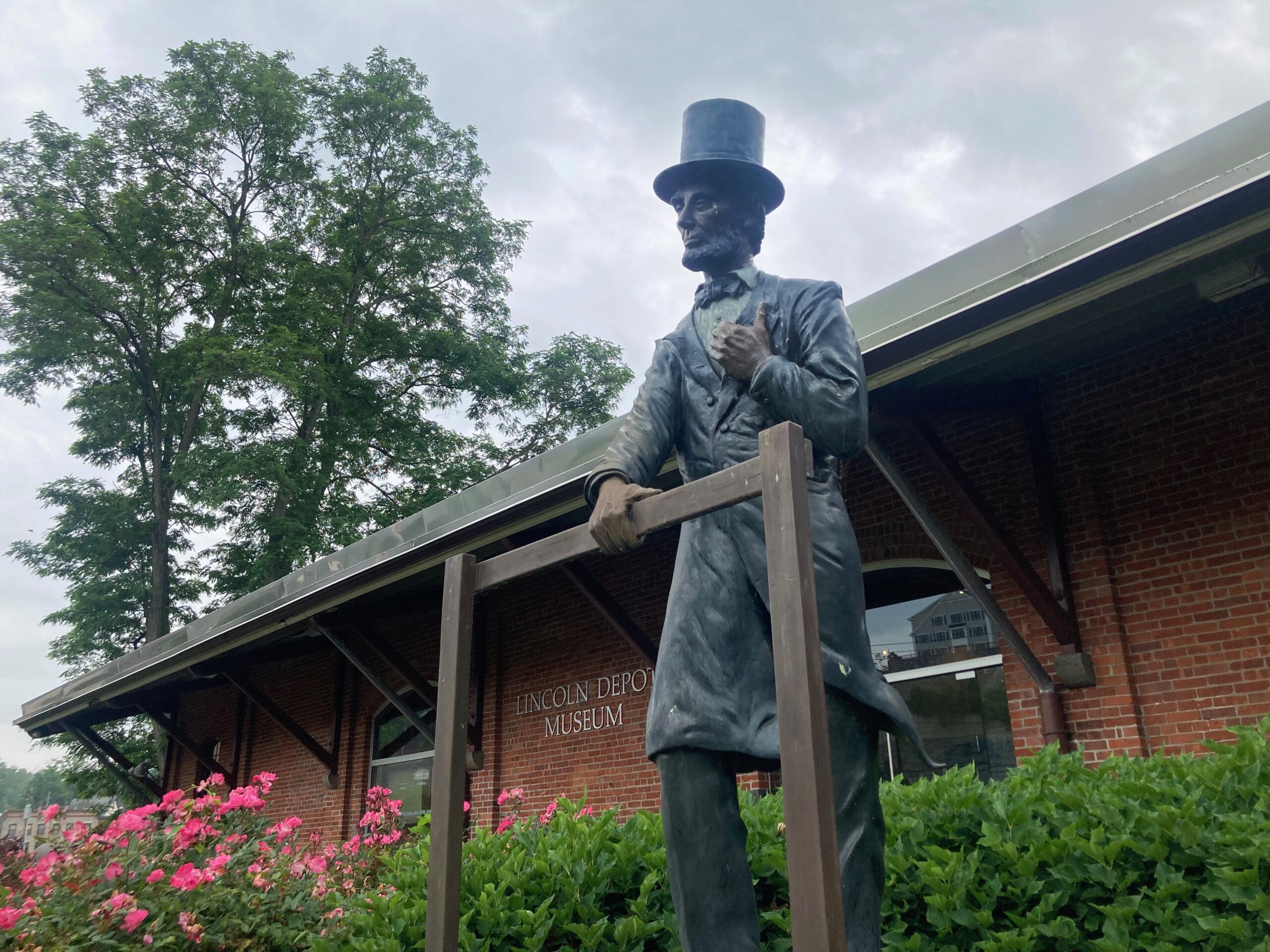
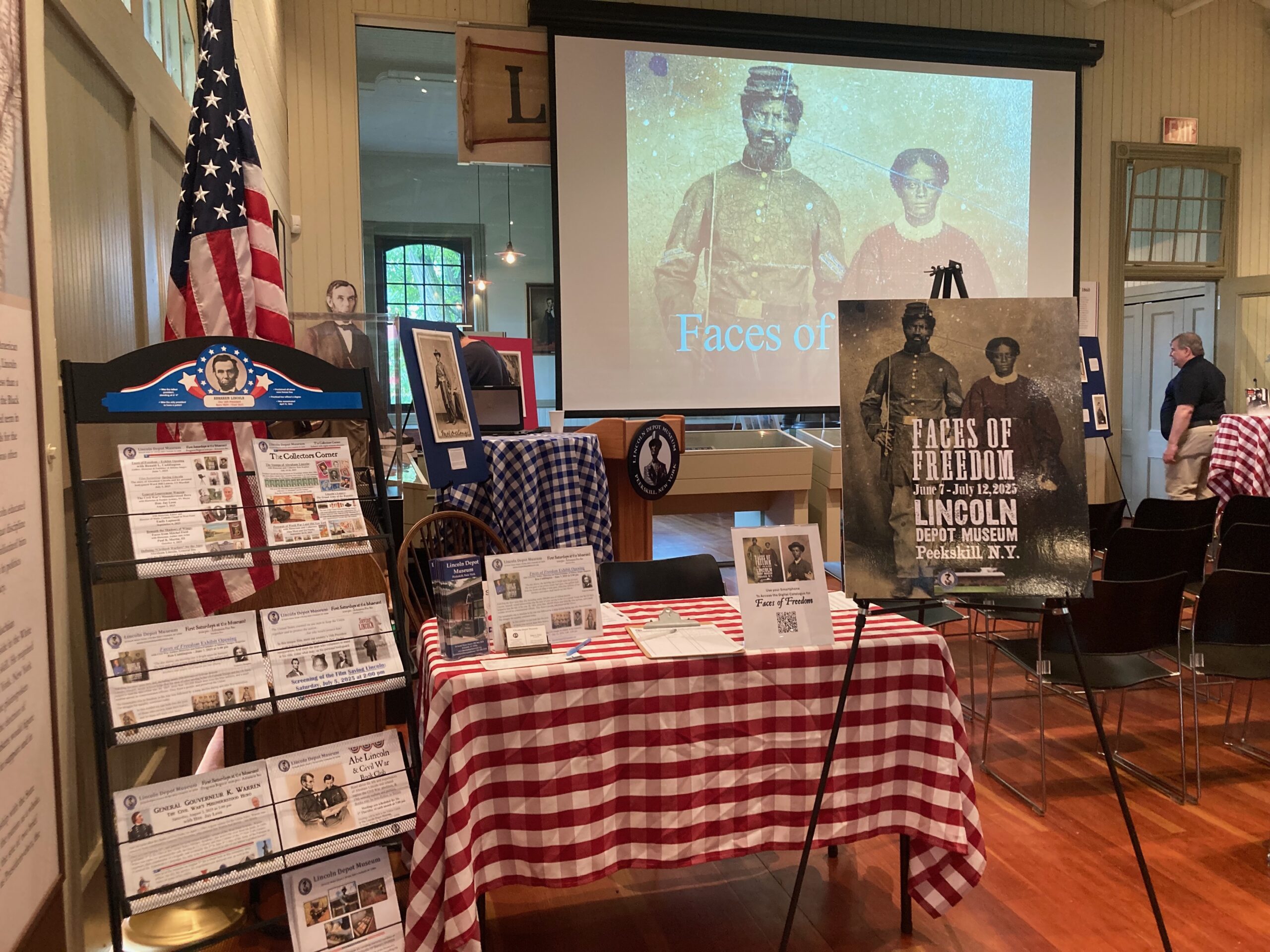
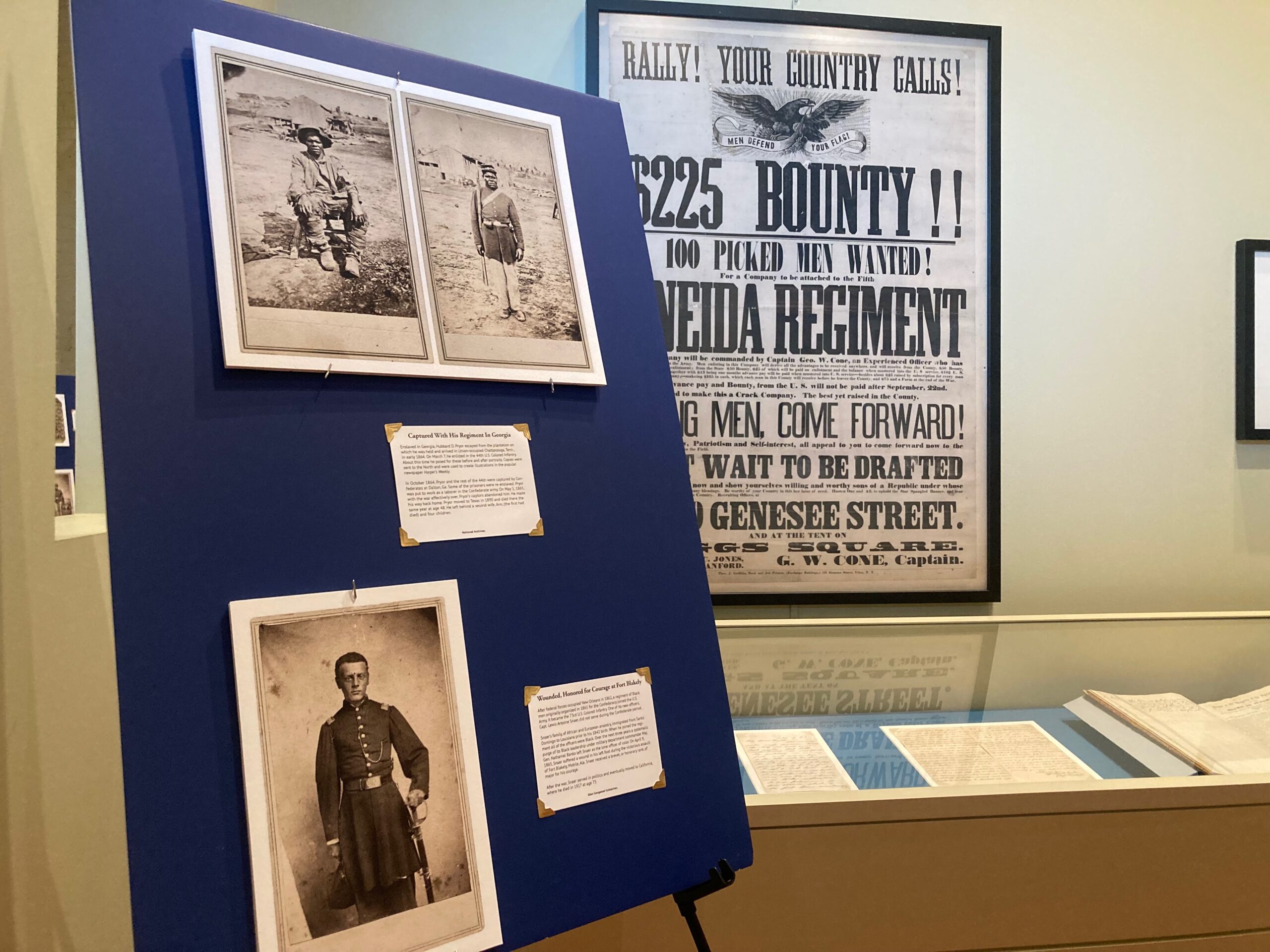
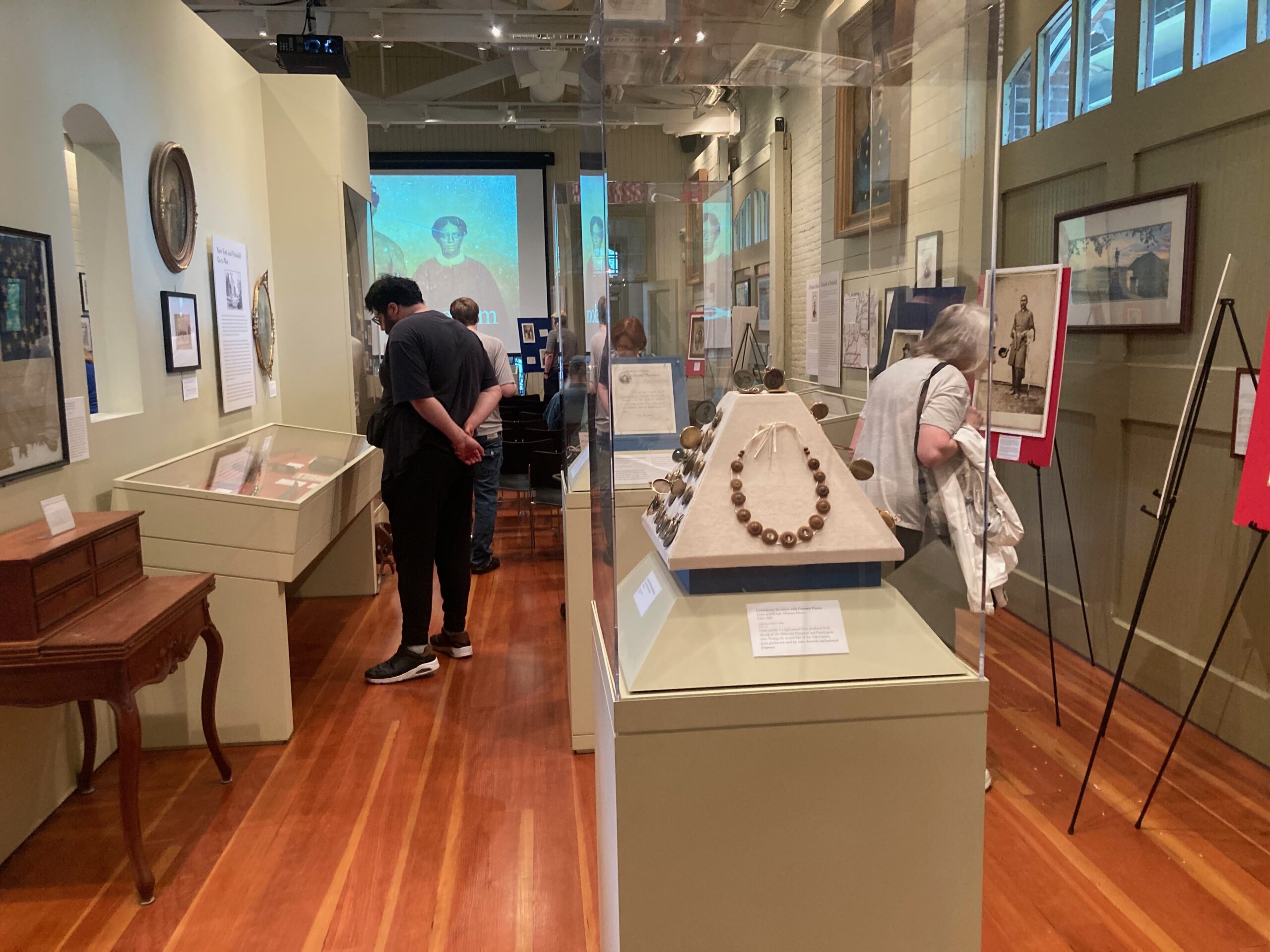
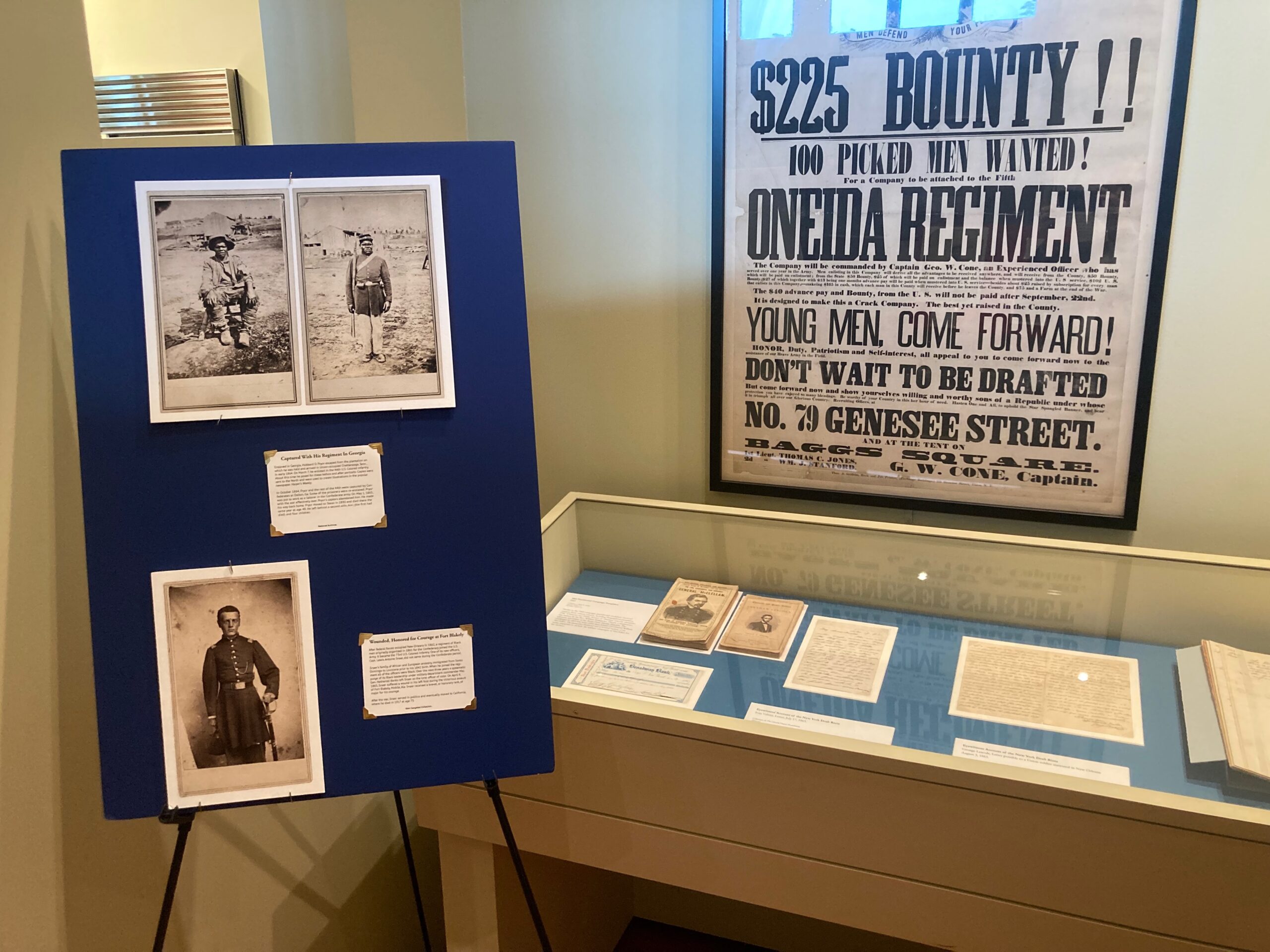
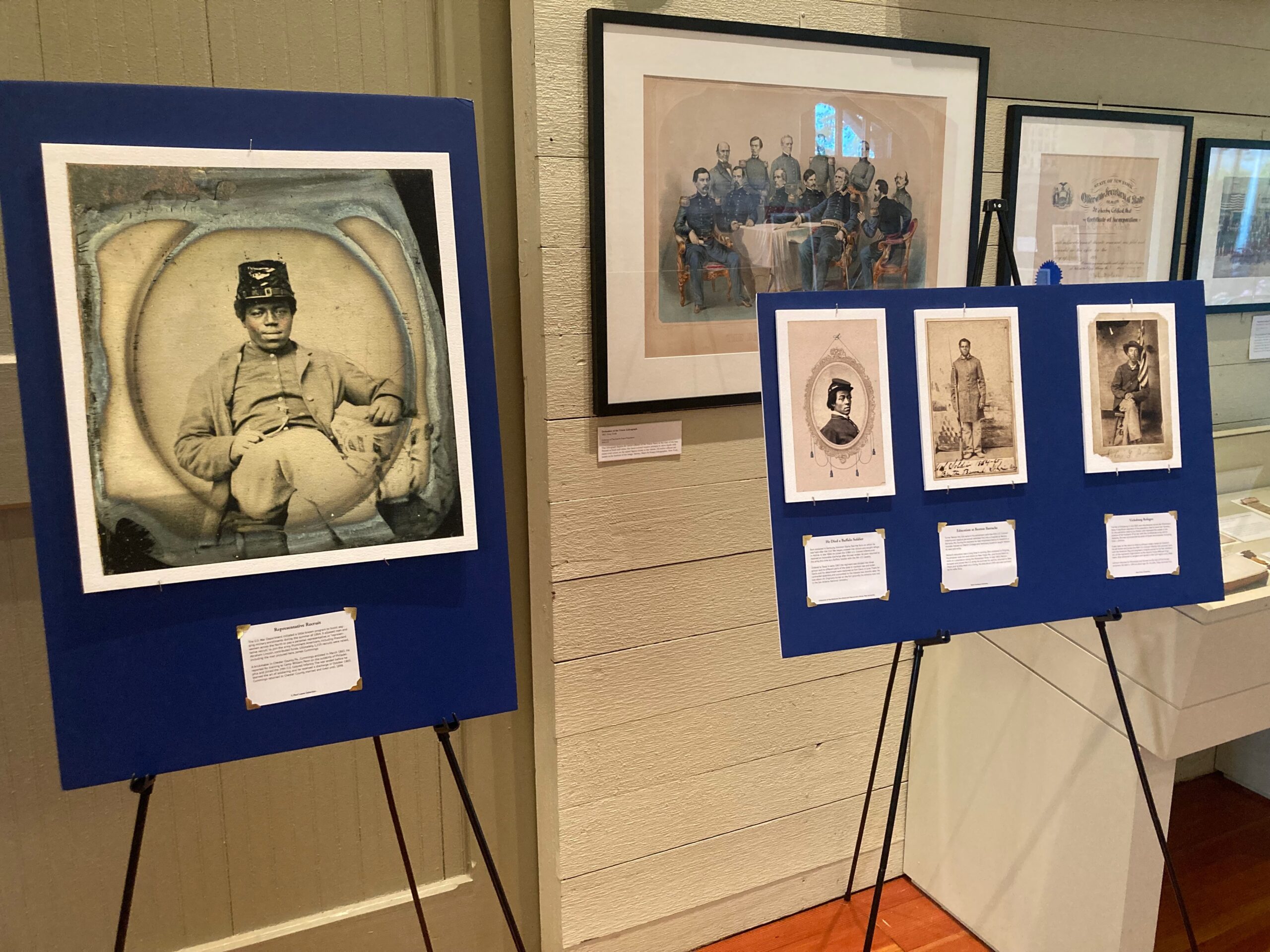
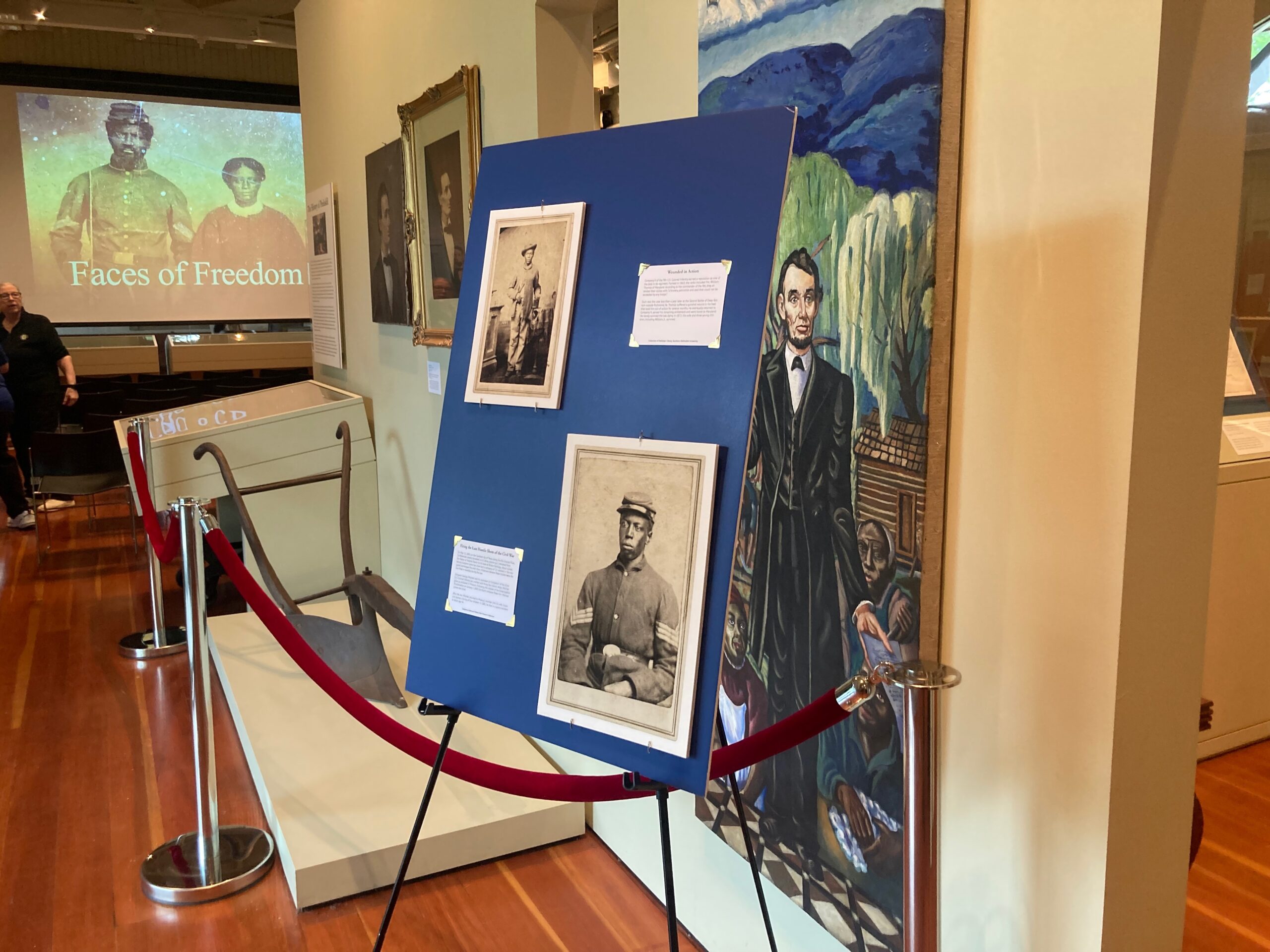
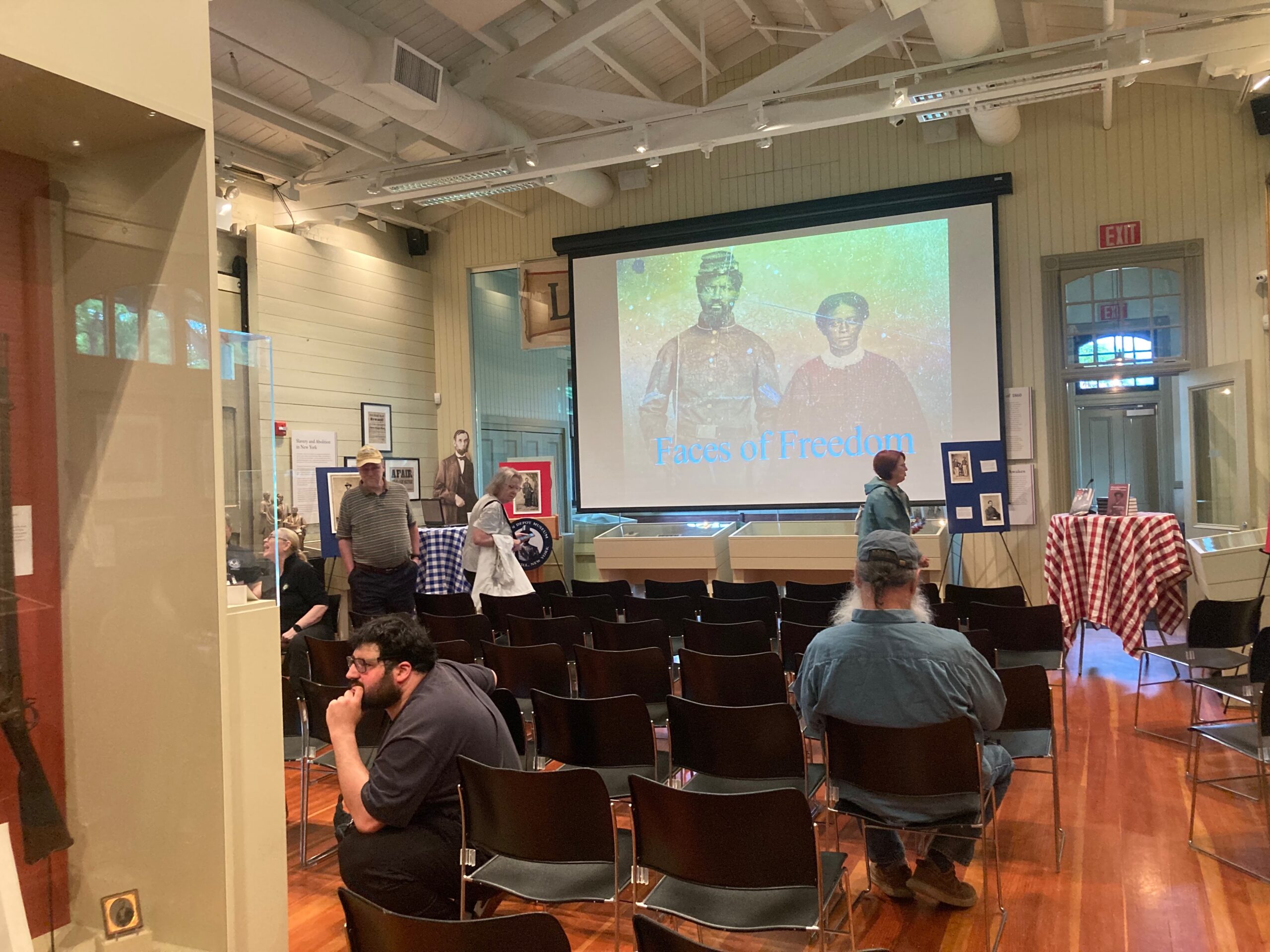
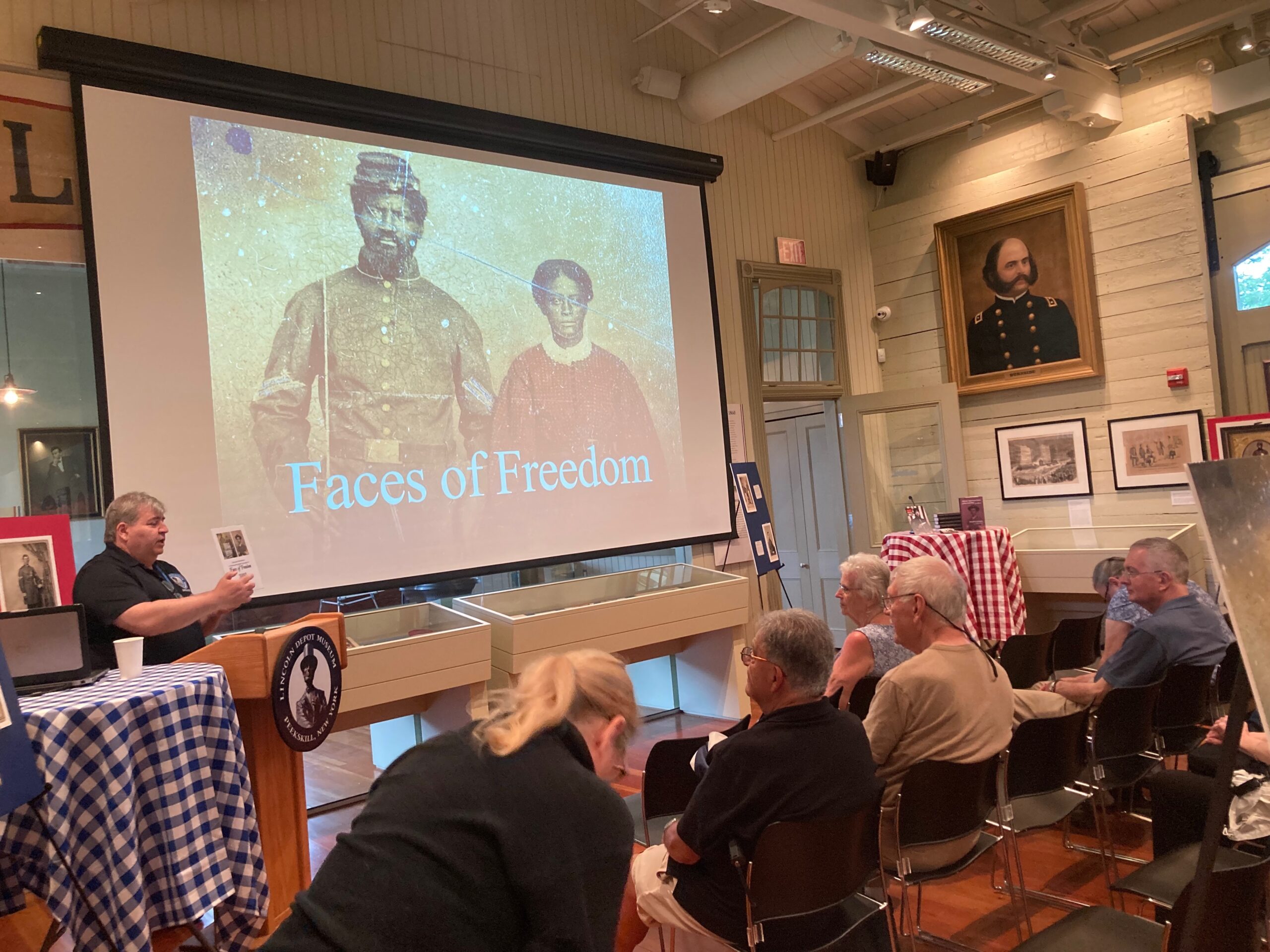
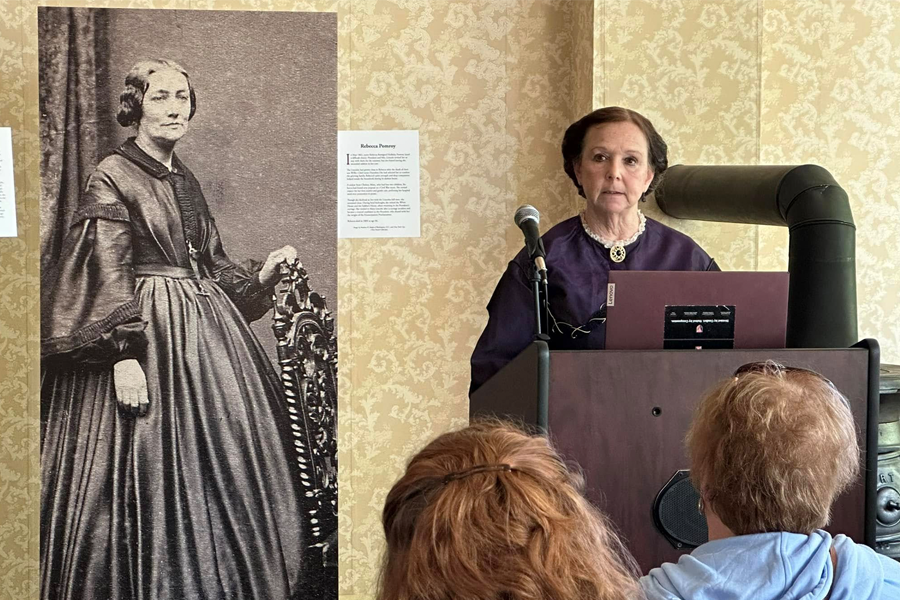
Military Images officially launched its traveling exhibit, Faces of Freedom: African American Faces of the Civil War Era, today at the historic Lincoln Depot Museum—just as a steady rain tapped against the roof of the 19th-century depot. Inside, the energy was high and the room full, as a packed house gathered to mark the opening.

Ron Coddington, editor and publisher of Military Images, delivered a wide-ranging presentation that set the stage for the exhibit. He traced the project’s development and explored the evolution of photography during the Civil War era. A “By the Numbers” section offered compelling data points, while detailed diagrams mapped the journeys of Black men from 1861 through the postwar years, culminating in the formation of the Buffalo Soldiers.

Coddington also addressed the evolution of terminology—from “Contraband” to “Freedmen” to “United States Colored Troops (USCT)”—and shared powerful, firsthand quotes from the soldiers themselves. Audience questions were both plentiful and insightful, underscoring the impact and importance of the stories on display.

Military Images extends a heartfelt thanks to Michael and Gail Bennett and all the volunteers at the Lincoln Depot Museum for their generous support and hospitality.

If you missed today’s event, don’t worry—the exhibit runs through July 12, 2025. Don’t miss your chance to experience this compelling visual and historical narrative.

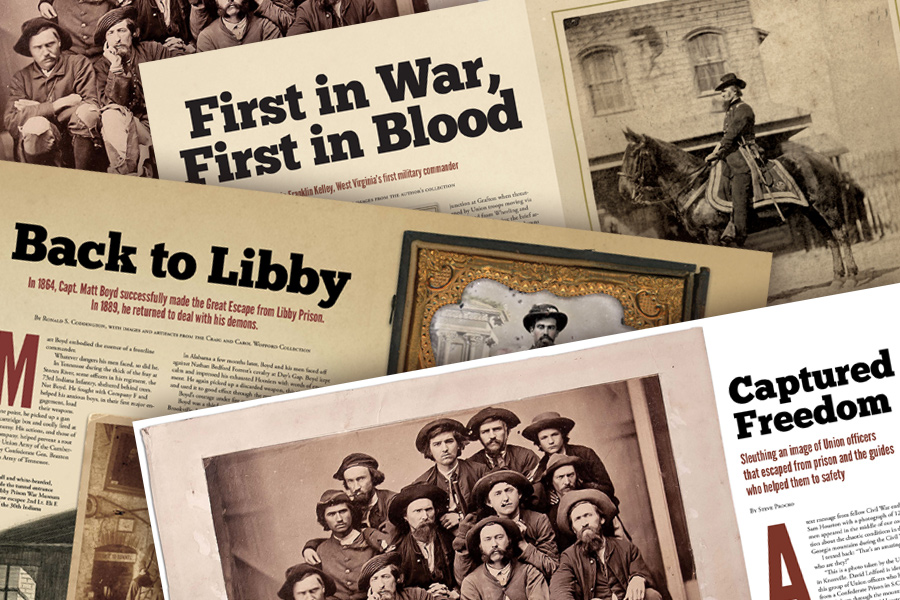
3 Military Images Stories are Finalists in the 2025 Army Historical Foundation Distinguished Writing Awards

Delighted to announce that three stories from Military Images magazine have been named finalists for the 2025 Army Historical Foundation Distinguished Writing Awards:

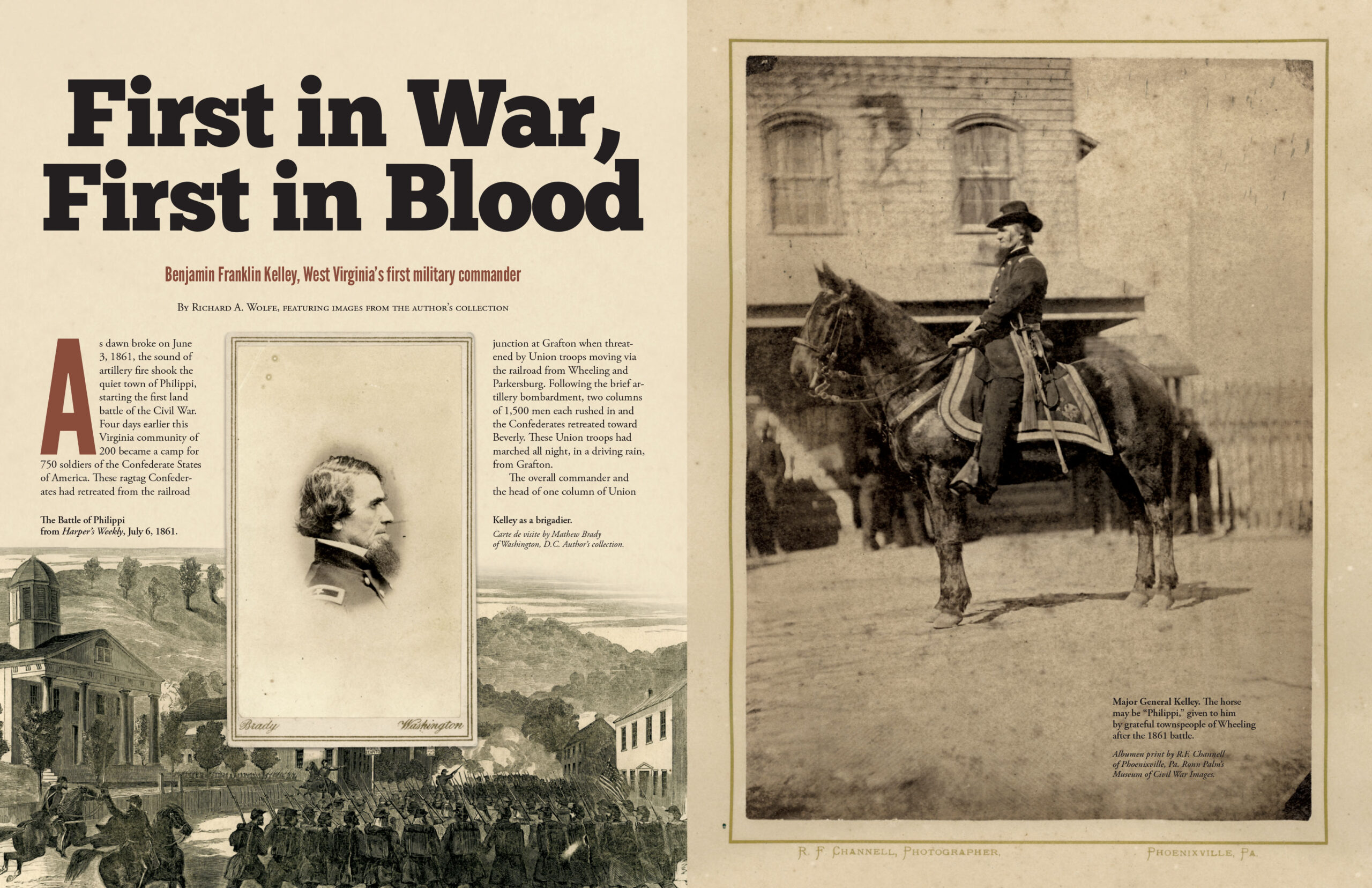
“First in War, First in Blood” by Richard A. Wolfe: Union Brig. Gen. Benjamin F. Kelley is remembered for his 1861 victory and his 1865 capture by partisan rangers. Here’s what happened in between.

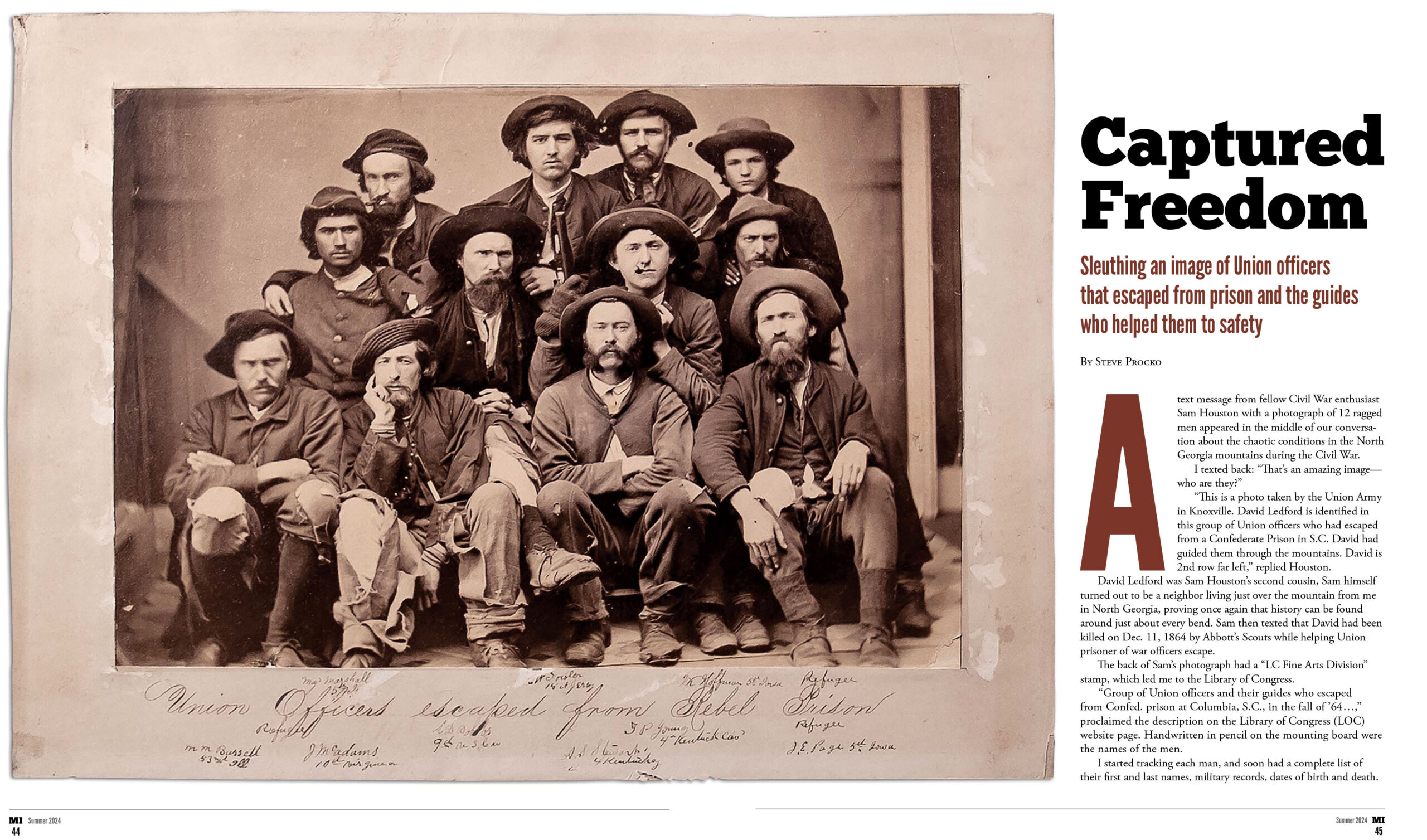
“Captured Freedom” by Steve Procko: An image of escaped Union prisoners and two guides who assisted them along the way has been reproduced and misidentified. Here’s the origin story of the photo.

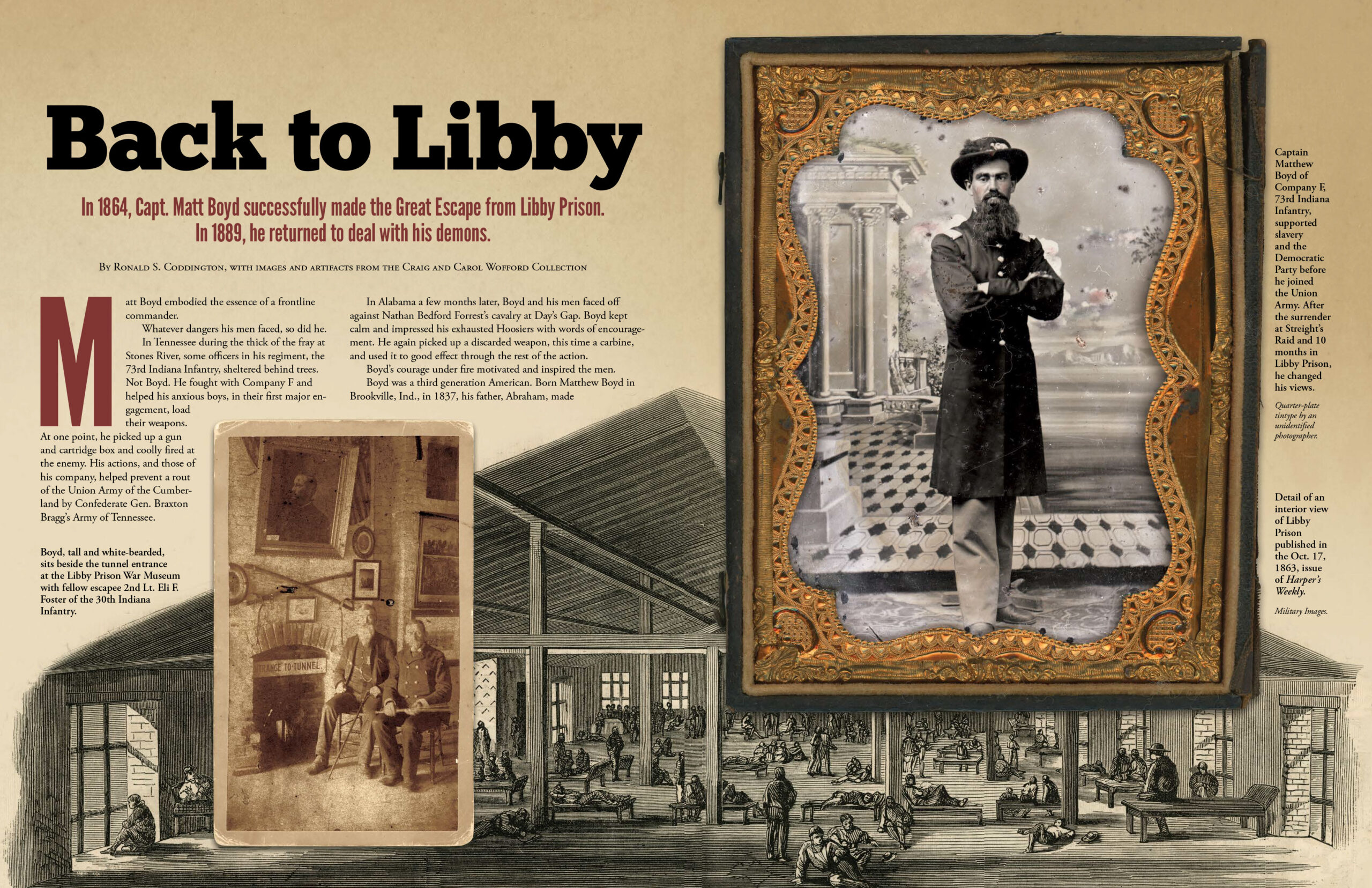
“Back to Libby” by Ronald S. Coddington: Matt Boyd, a captain in the 73rd Indiana Infantry, surrendered at the abrupt end of Streight’s Raid, returned to Libby Prison as a guard when the building was moved to Chicago and opened as a museum.

Presented annually by the Army Historical Foundation, the Distinguished Writing Awards honor excellence in historical writing that fosters greater understanding and appreciation of the U.S. Army’s storied past. Each year, the Foundation recognizes outstanding articles and books that exemplify rigorous research, engaging storytelling, and historical significance.

I am especially proud that Military Images is represented among this year’s finalists. Since 1979, our mission has been to showcase, interpret, and preserve Civil War portrait photography, sharing original photographs and personal stories of the soldiers and sailors who served and citizens who contributed. The nominated stories reflect our mission—blending rare and compelling images with historical context.

The winners will be announced later this year. Heartfelt congratulations to our contributors, and much appreciation to the Army Historical Foundation for this meaningful recognition.

Free Talk About the 19th Indiana and the Iron Brigade, April 9, 2025

Live in Chicago and on Zoom | April 9, 2025 | 7:30 p.m. CST
📍 Zoom ID: 845 3227 1496 | No Passcode Required
Brought to you by the Civil War Round Table of Chicago
https://www.chicagocwrt.org/index.html

The Iron Brigade—famed for their black Hardee hats and fierce reputation—is often remembered as Wisconsin’s pride. But the 19th Indiana Infantry was there from the beginning. On April 9, Phil Spaugy, a senior editor who writes “Of Arms and Men” for Military Images, will share the compelling story of this hard-fighting Hoosier regiment.

At Gettysburg, the 19th Indiana fought valiantly along Willoughby Run, bearing the brunt of the July 1 assault with grim tenacity. They suffered a 62% casualty rate in a single day—an astonishing toll. Five color bearers fell carrying the flag. Their colonel, Samuel J. Williams, a farmer from Indiana with Virginia roots, was wounded at Gettysburg and later killed in action at the Battle of the Wilderness.

Phil brings decades of experience to this story. A longtime member of the North South Skirmish Association, he has live-fired nearly every type of Civil War firearm. His expertise in infantry arms, uniforms, and accouterments—especially those connected to the Iron Brigade of the West—makes him one of the most sought-after voices in the field.

In addition to his work for Military Images, Phil is the Arms Columnist for The Civil War Monitor and serves as a historical consultant to the Adams County Historical Society and Civil War News. He and his wife, Amy, live in Vandalia, Ohio.

Whether you attend in person or tune in via Zoom, this is a talk you won’t want to miss.

📆 Mark your calendar: Wednesday, April 9
💻 Zoom Meeting ID: 845 3227 1496
🕢 7:30 p.m. CST | No passcode required

Faces of Freedom Exhibit Travels to the Lincoln Depot Museum

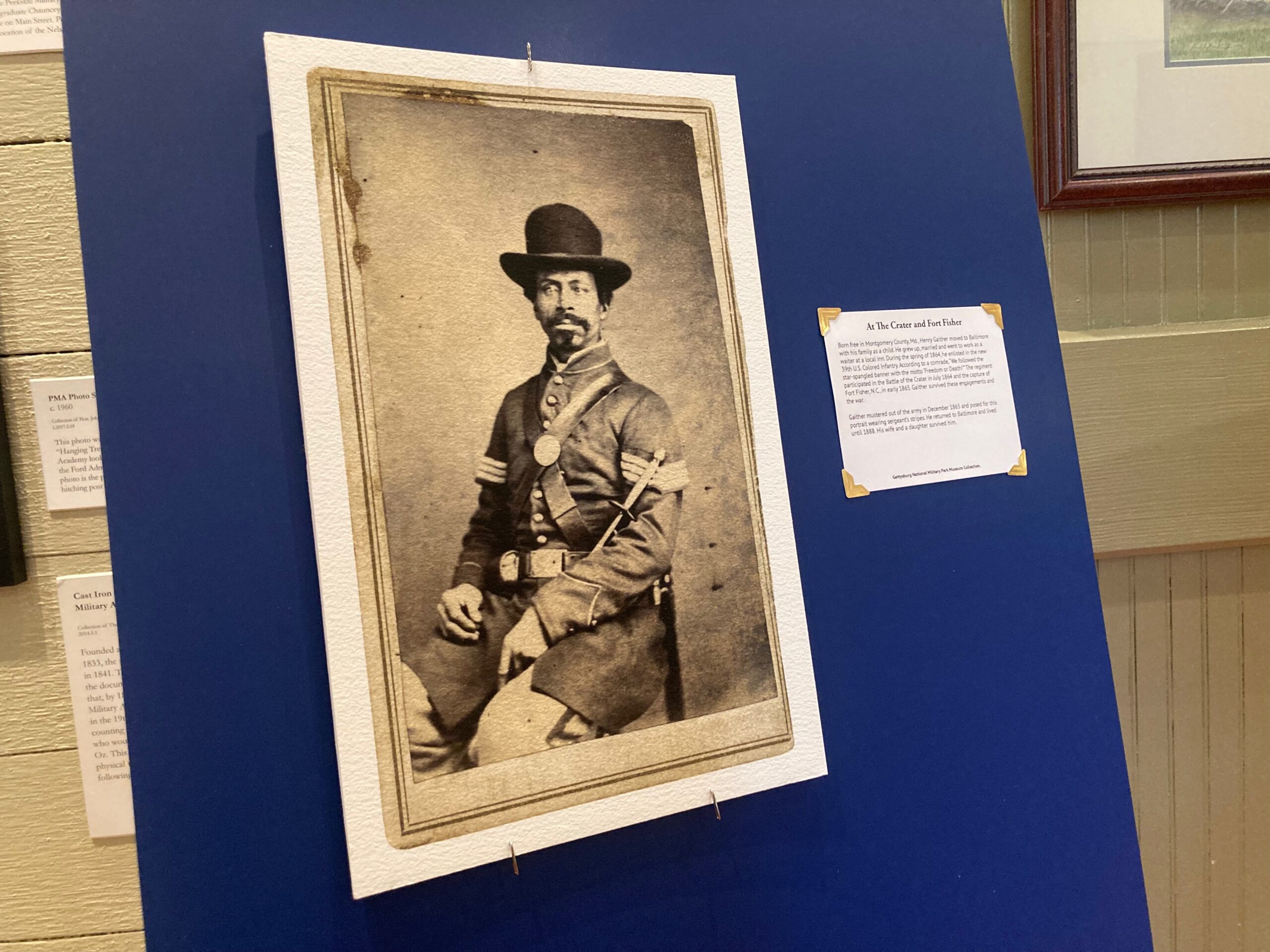
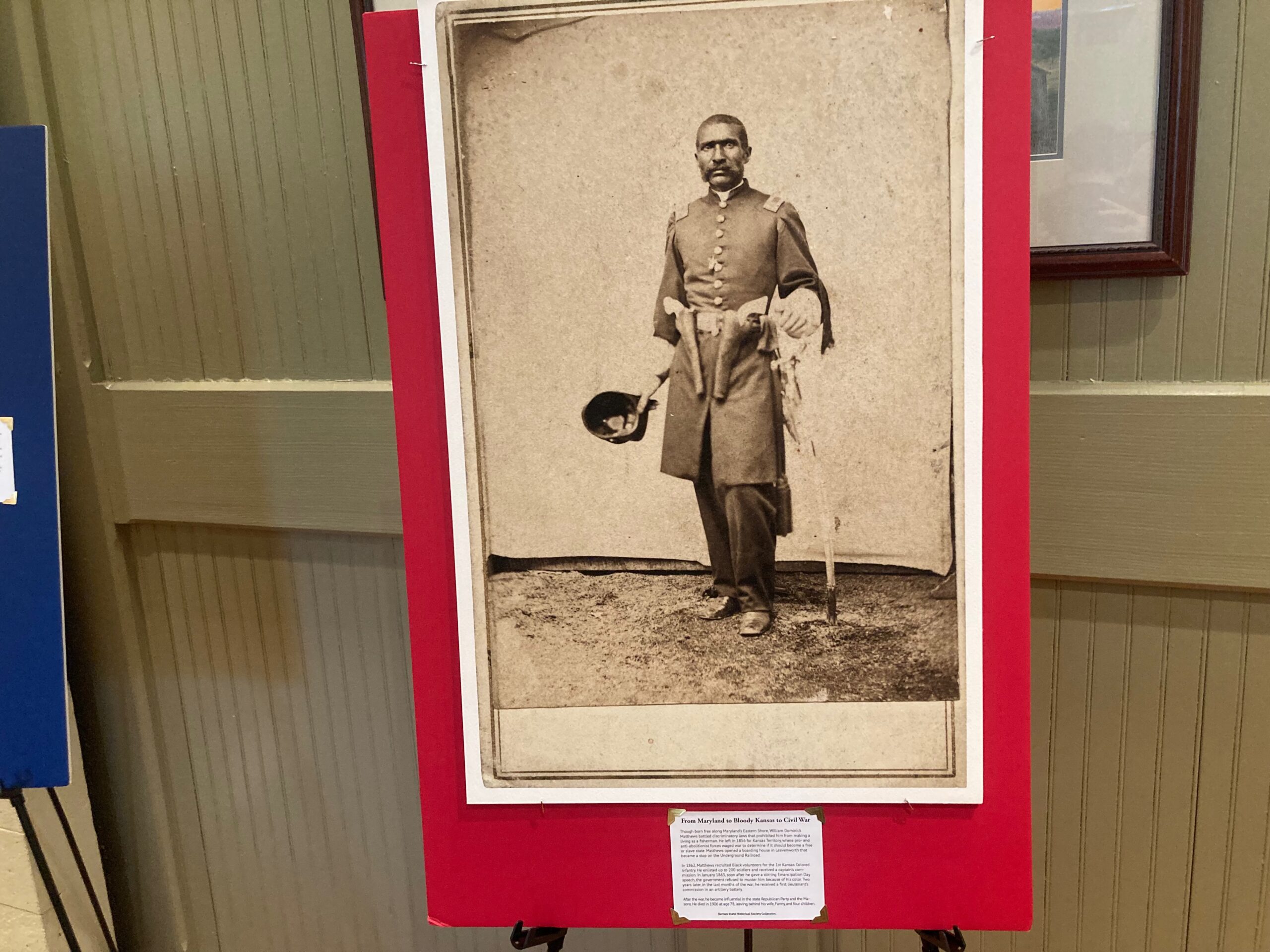
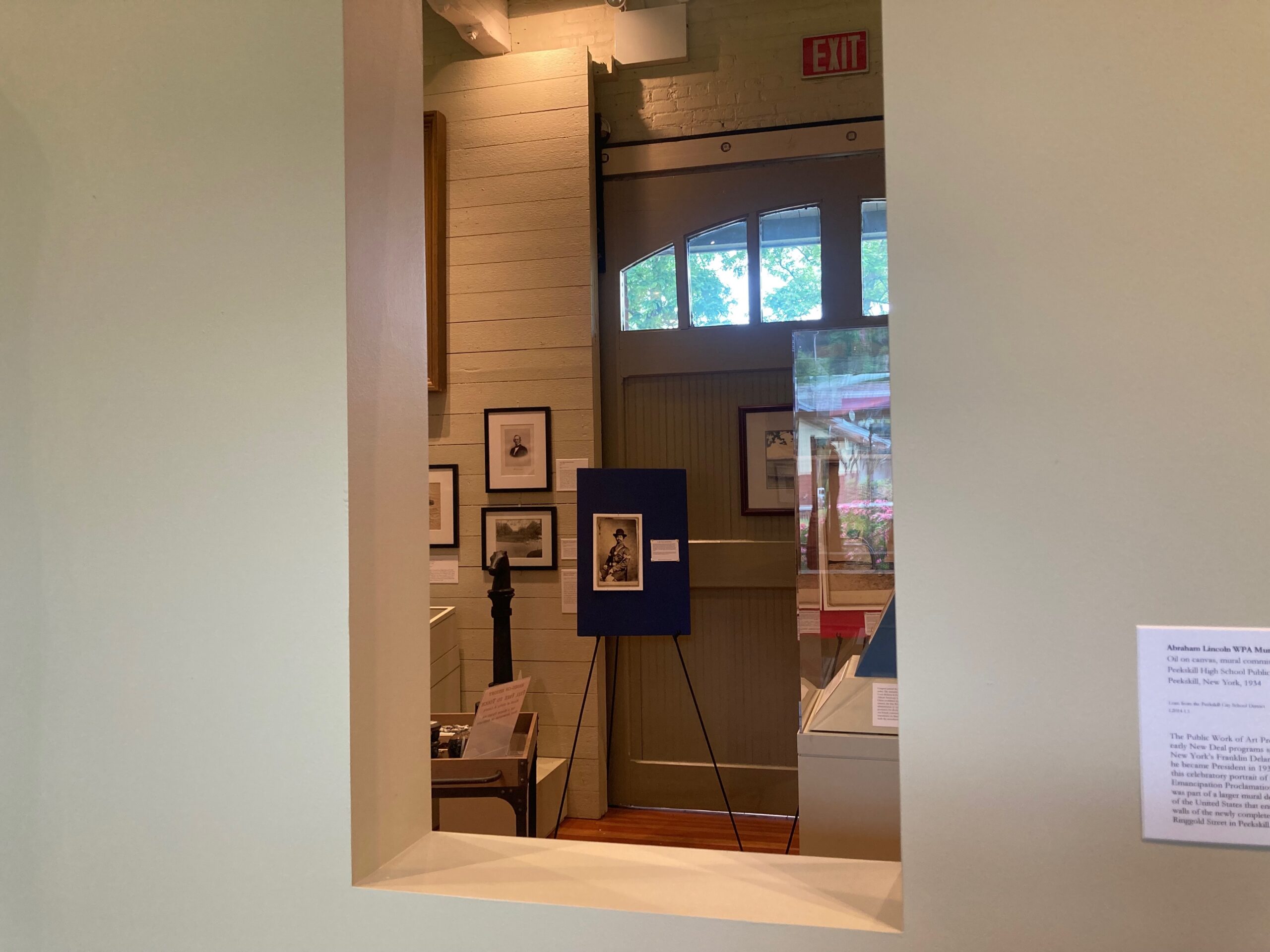
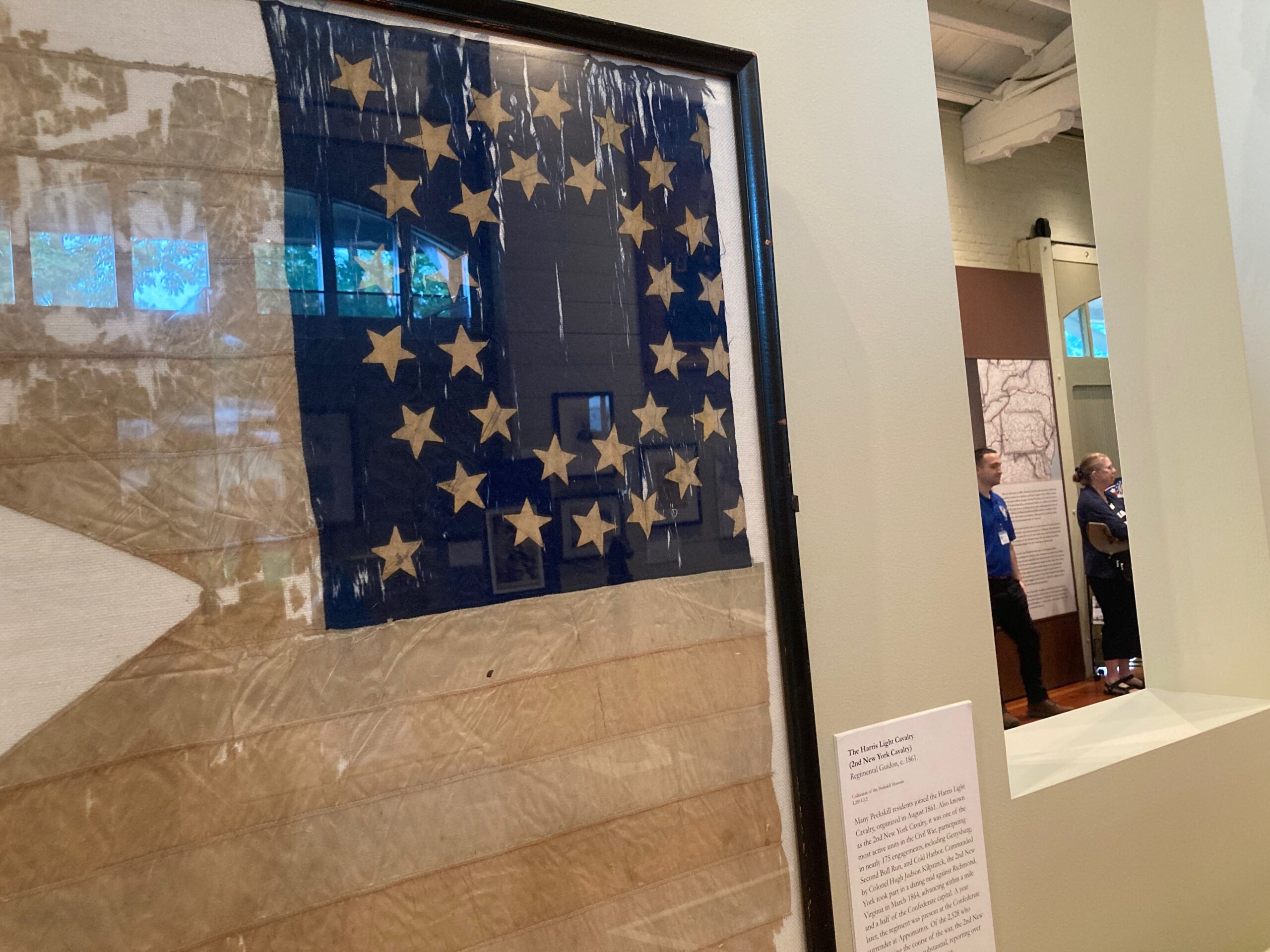
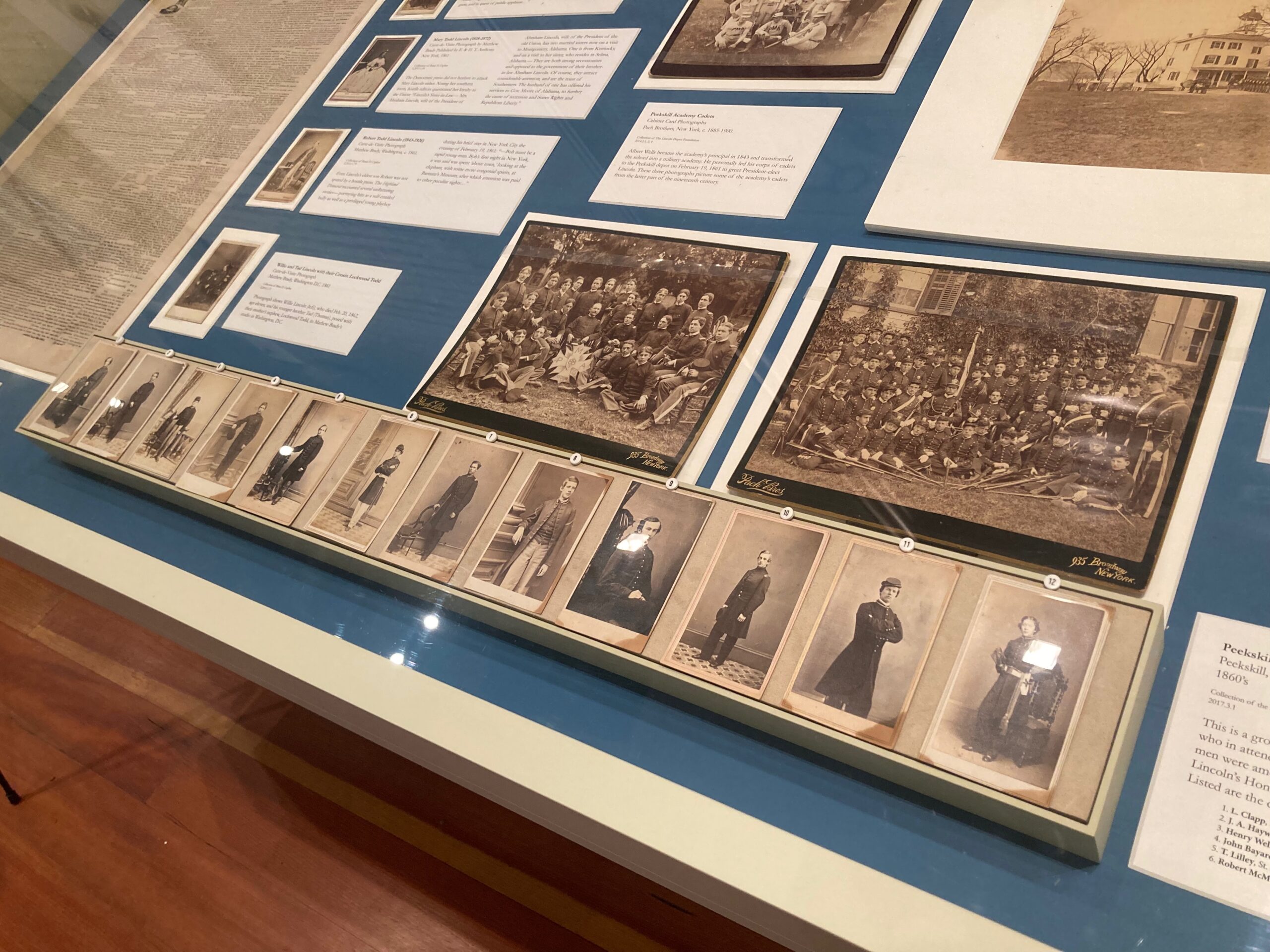
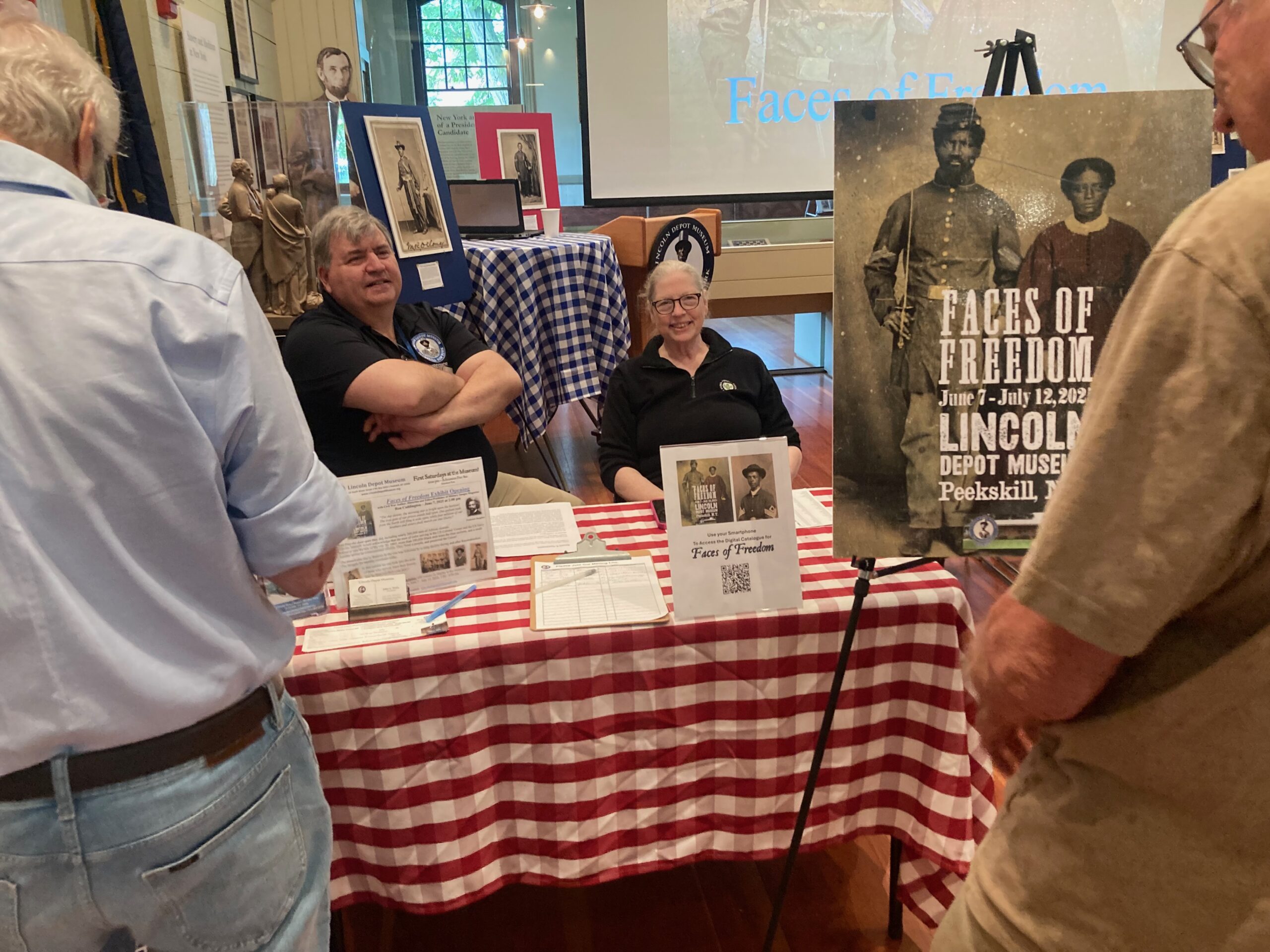
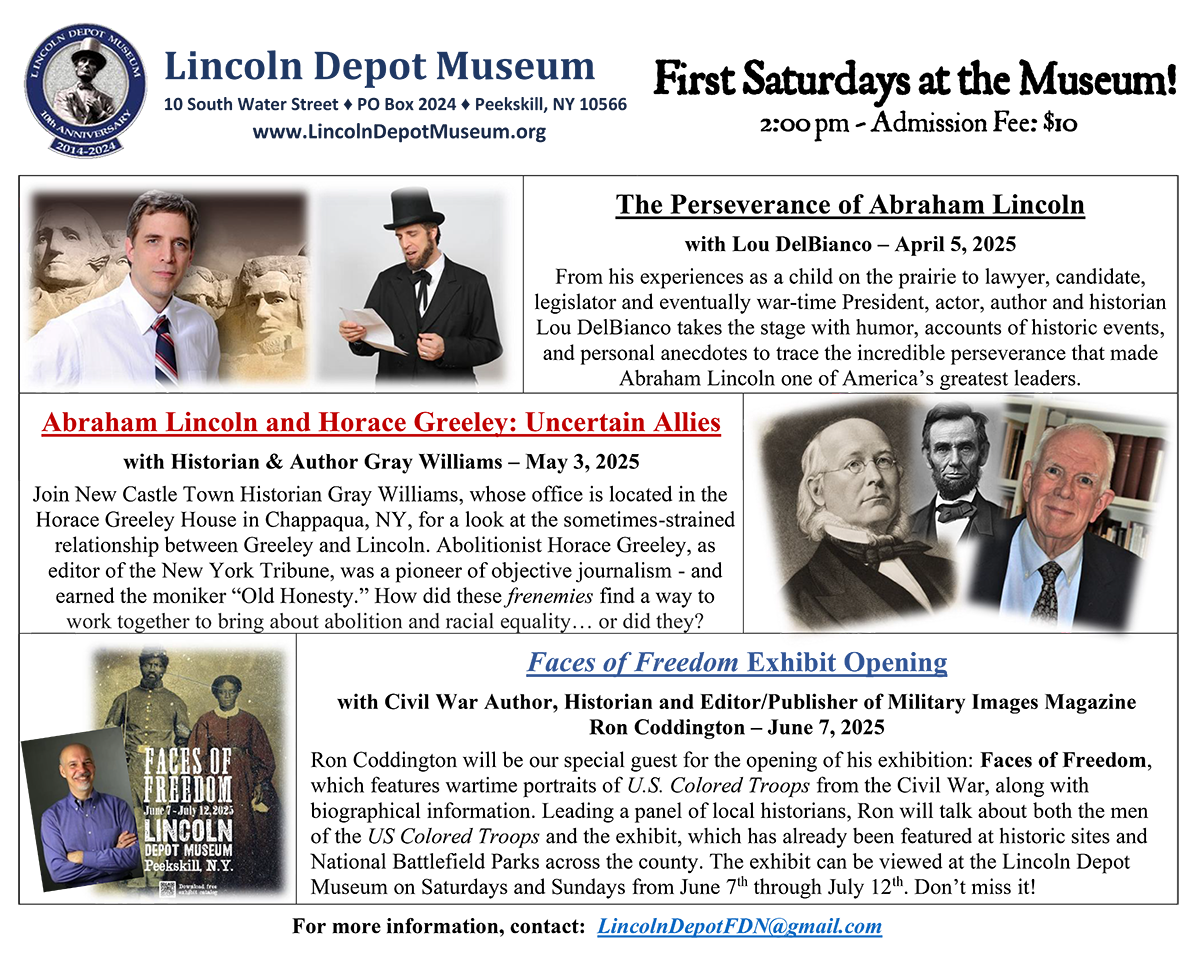
We are thrilled to announce that our traveling exhibit, Faces of Freedom, is coming to the Lincoln Depot Museum in Peekskill, N.Y. The exhibit will be on display from June 7 through July 12, 2025, offering visitors a powerful opportunity to connect with the courageous Black men who fought for freedom during the Civil War.

Established in 2019, Faces of Freedom first appeared at the Hubbard House Underground Railroad Museum in Ashtabula, Ohio. After a pause due to COVID, the exhibit resumed its travels in 2024, stopping at the Goodridge Freedom Center and Underground Railroad Museum in York, Pa., followed by Manassas National Battlefield Park. Now, we are honored to bring this exhibit to the Lincoln Depot Museum.

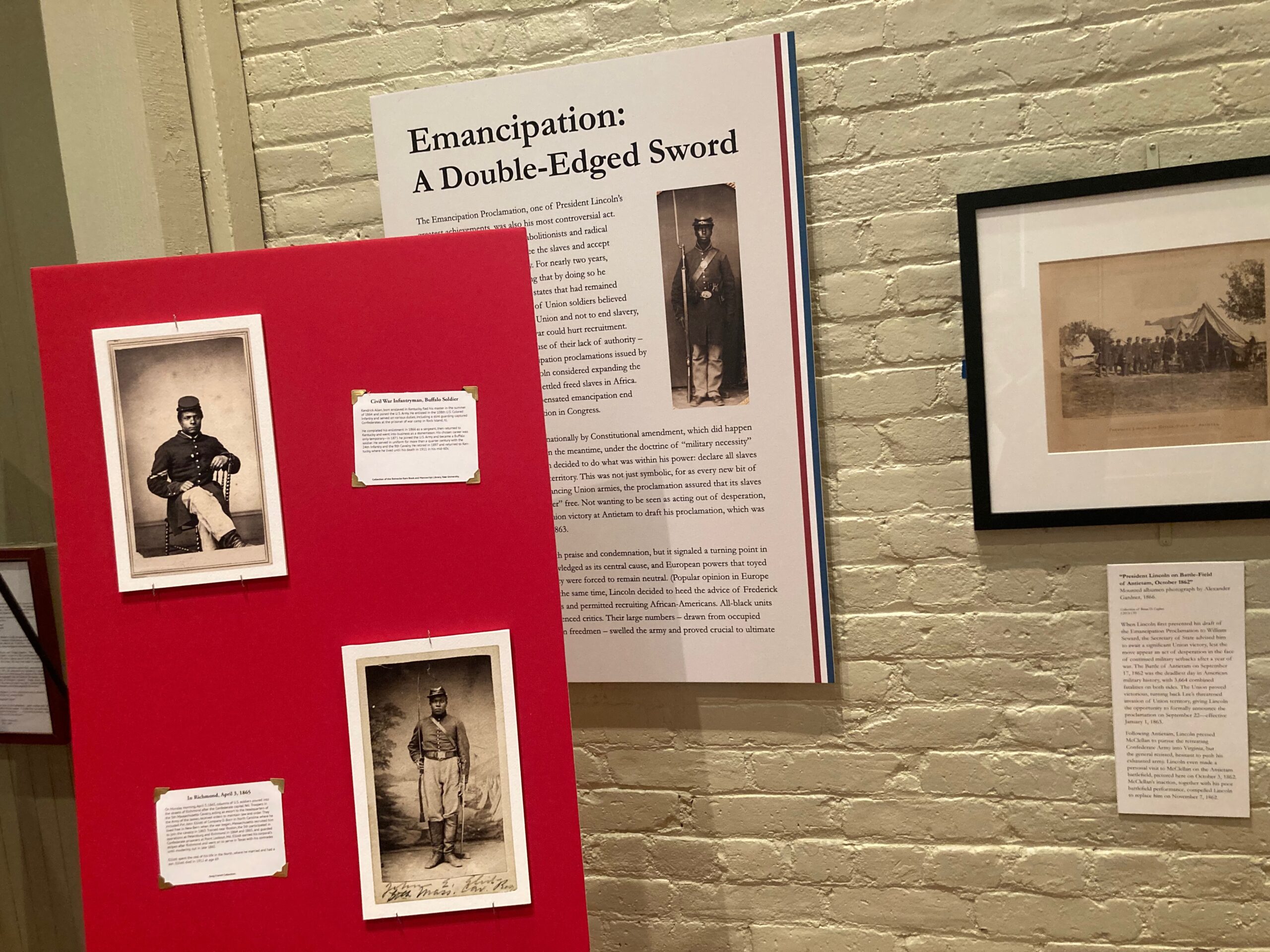
The Lincoln Depot Museum is a fitting location for this unique exhibit. President Abraham Lincoln traveled by rail through Peekskill on the way to his first inauguration in 1861. Two years later, Lincoln signed the Emancipation Proclamation, an executive order that paved the way for the enlistment of Black men in the Union Army and Navy. The soldiers featured in Faces of Freedom fought for the very cause Lincoln championed—freedom and equality.


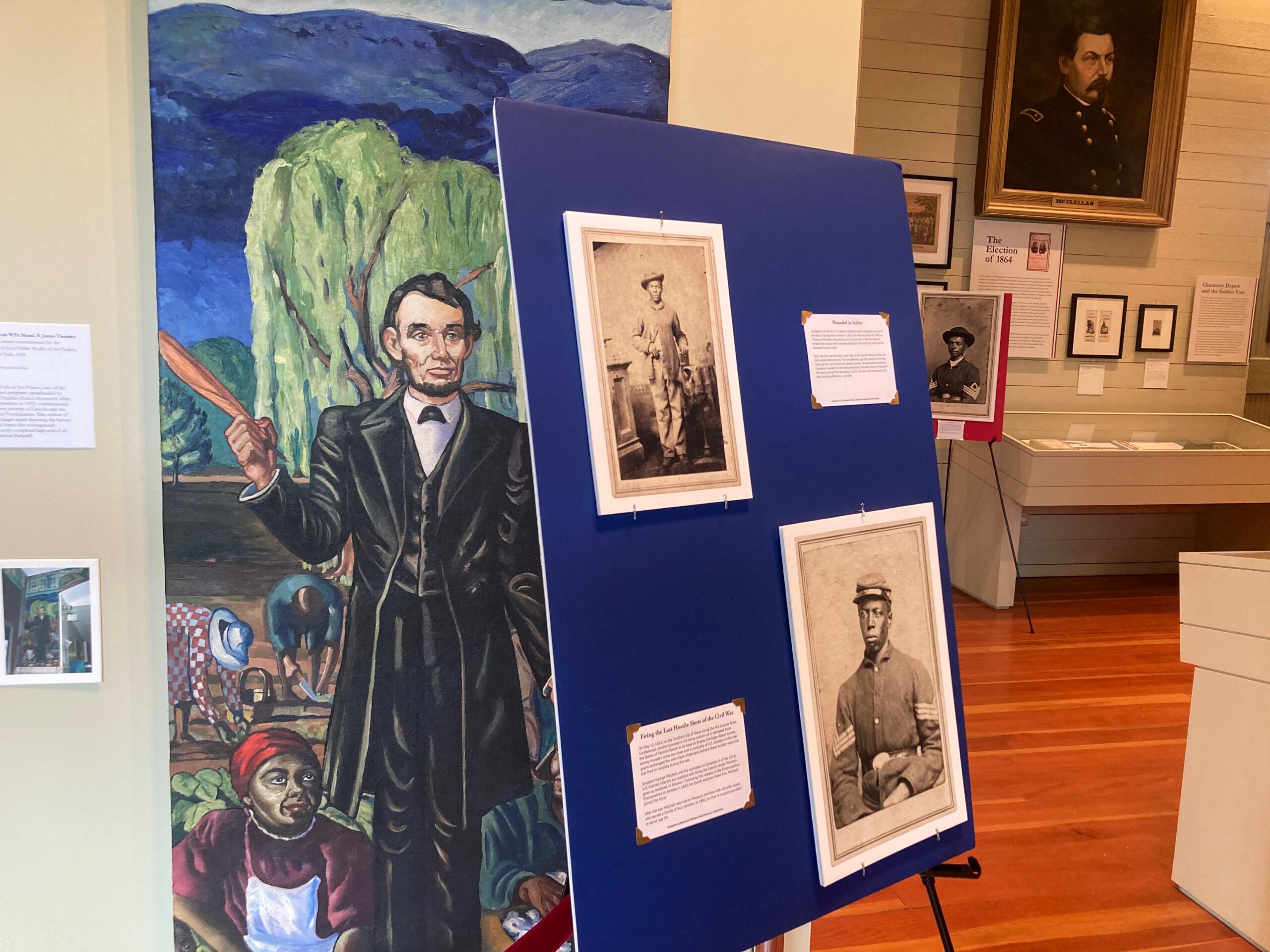
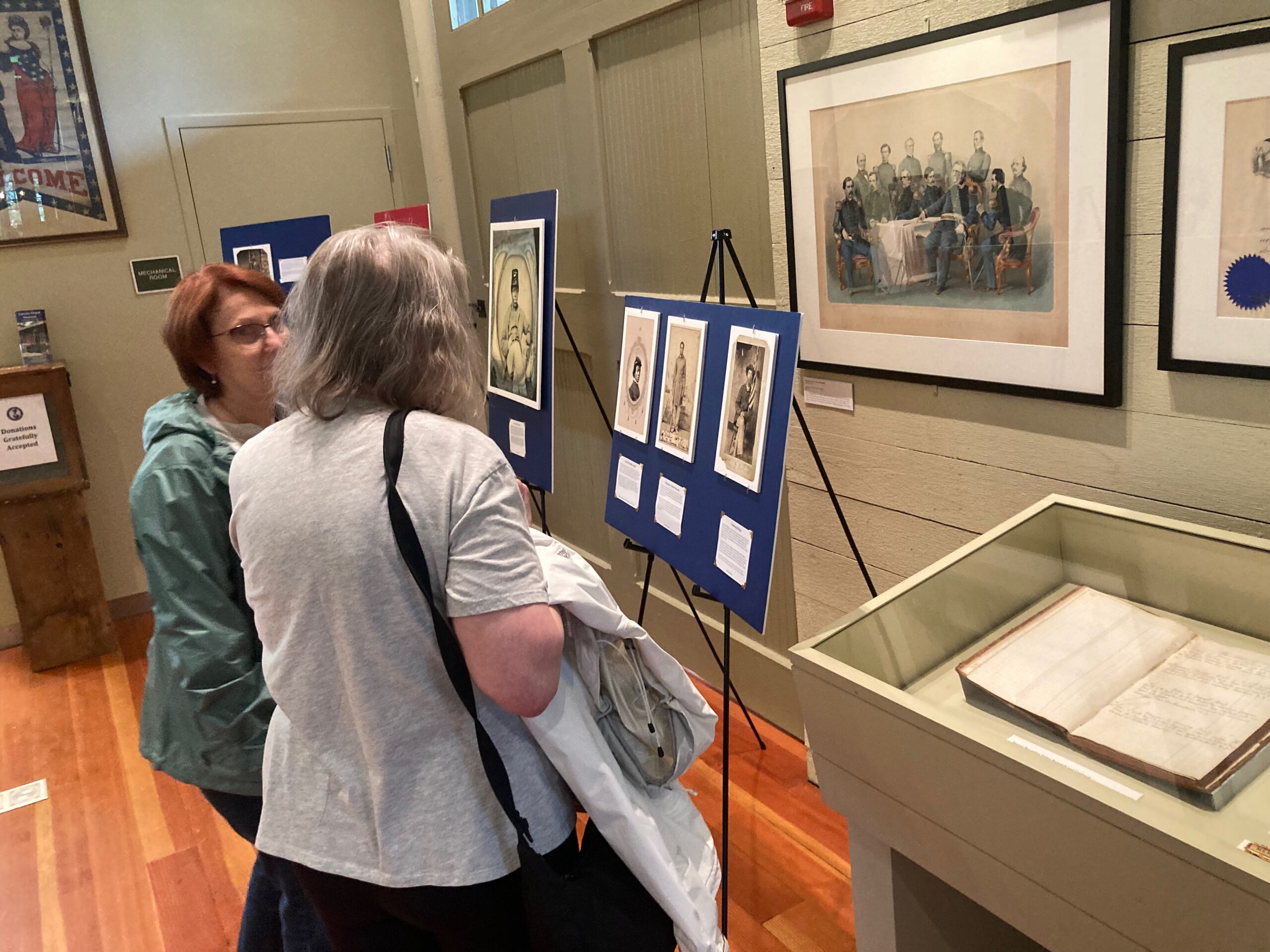
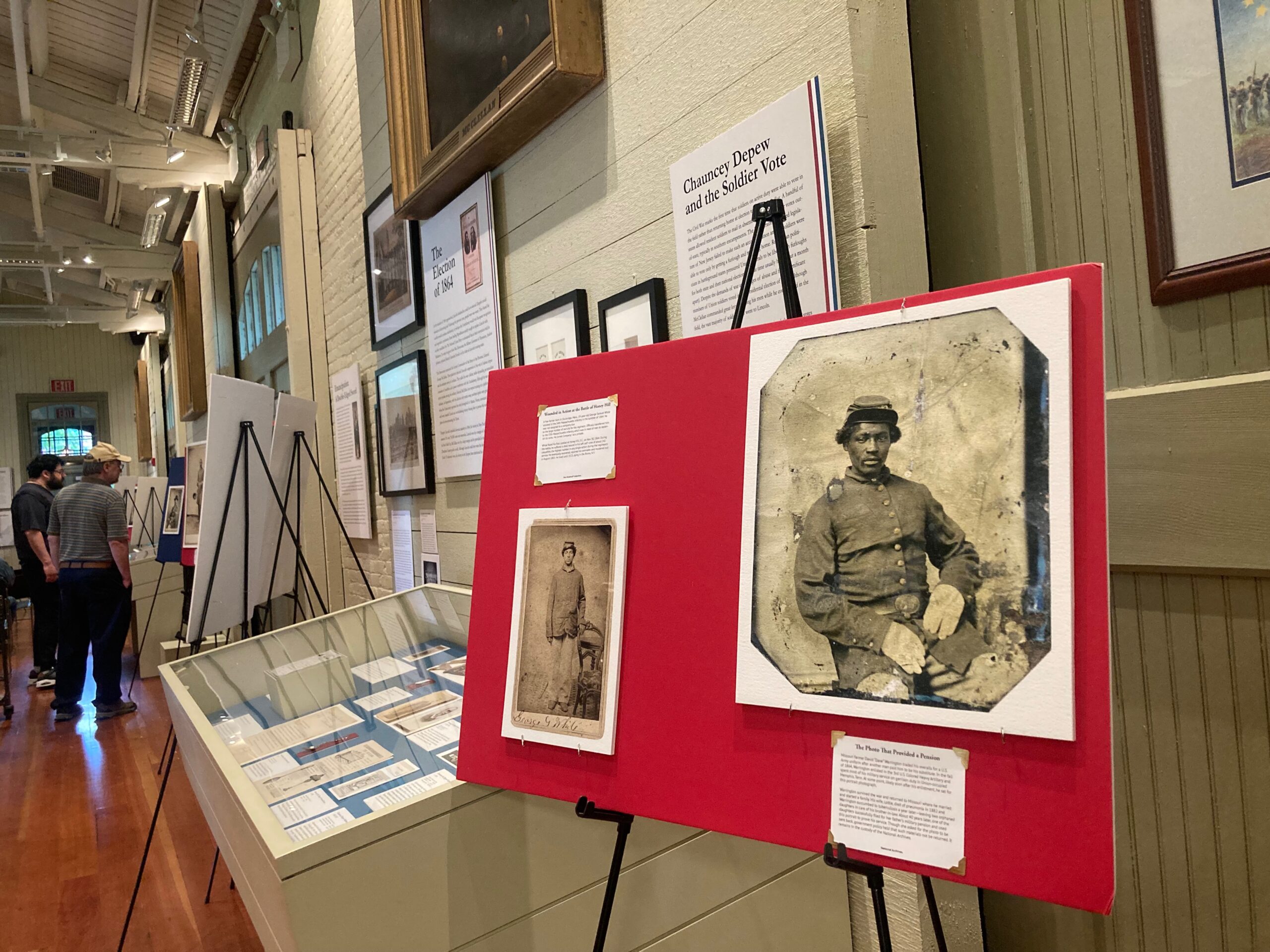
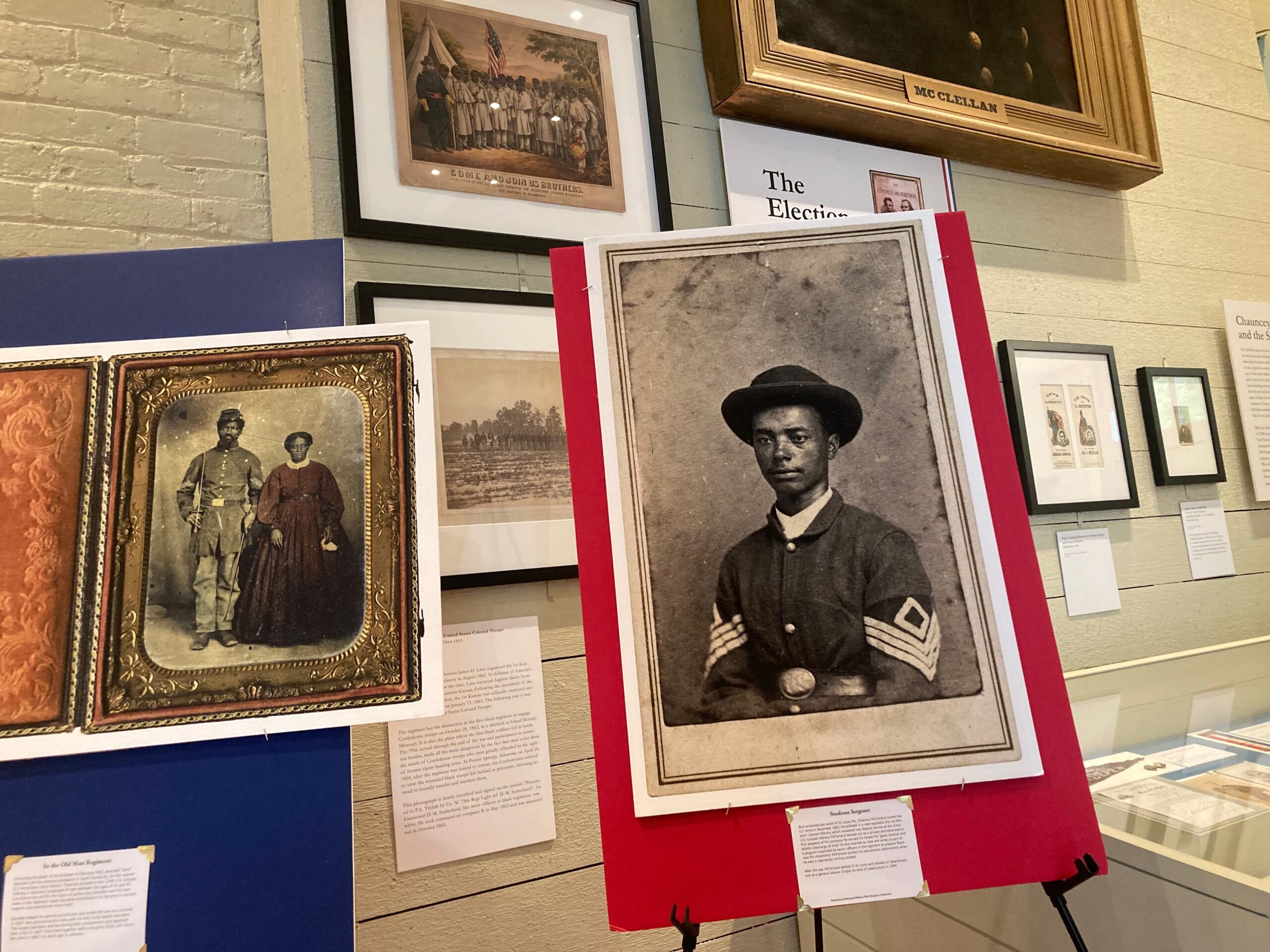
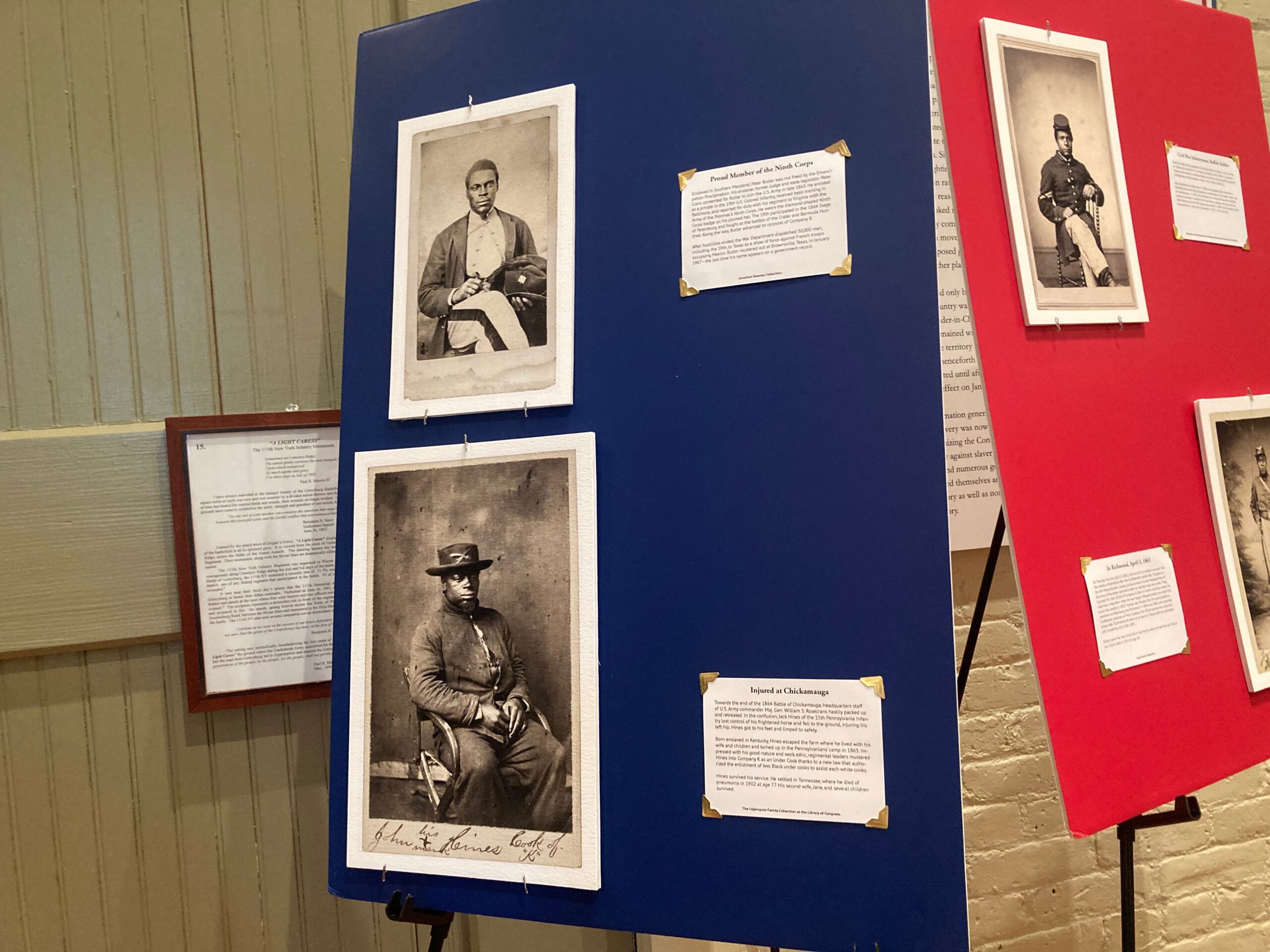
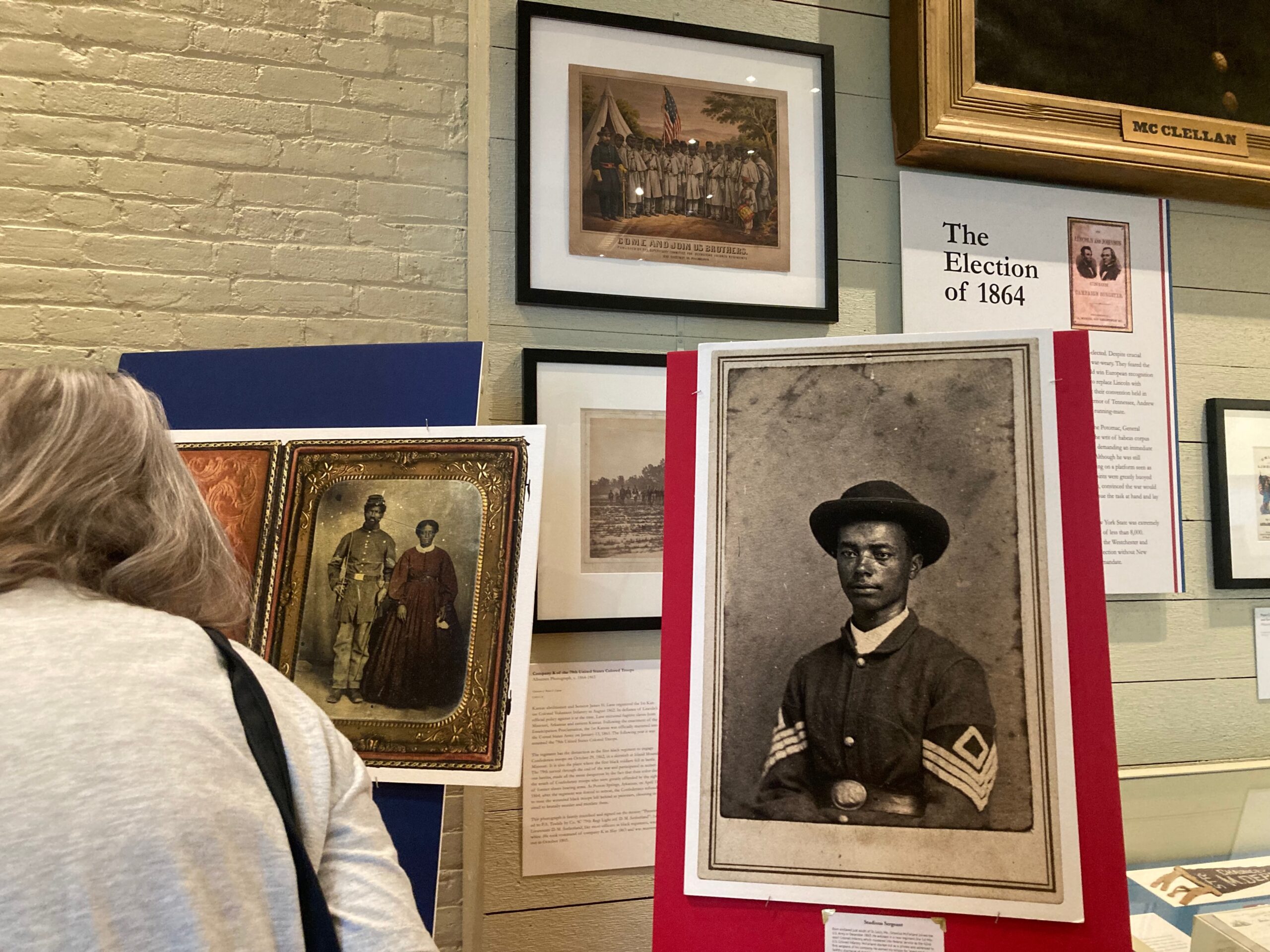
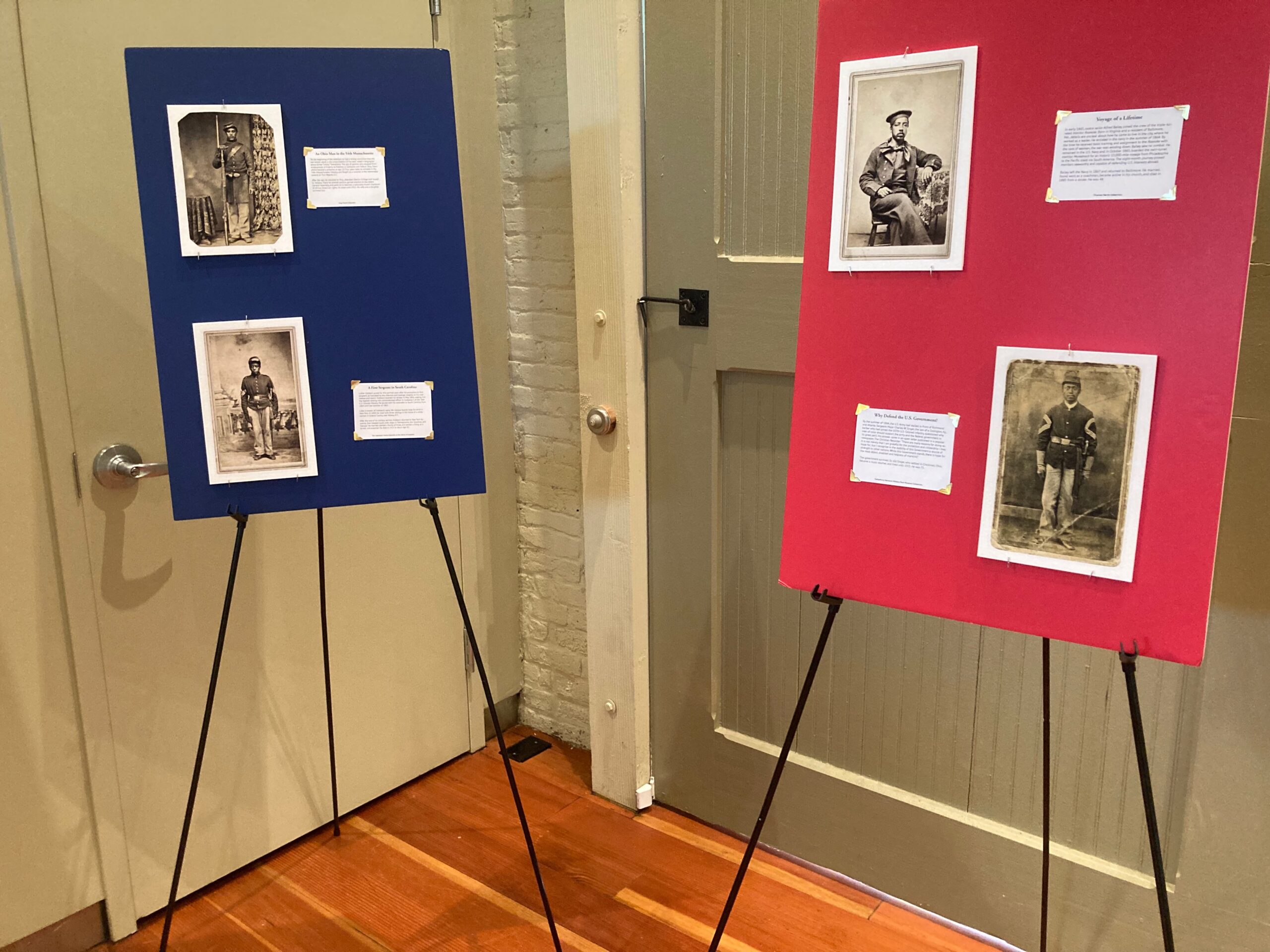
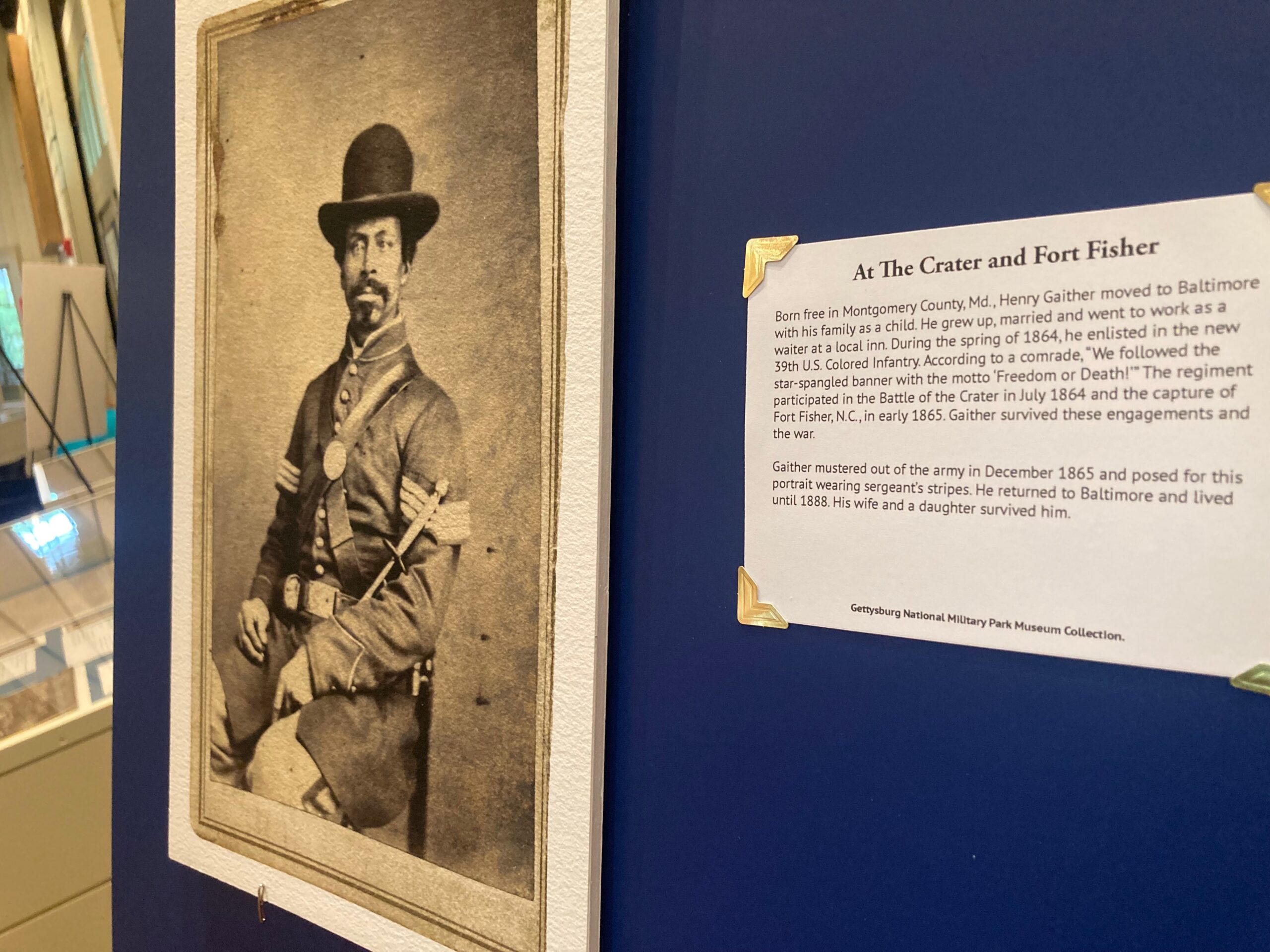
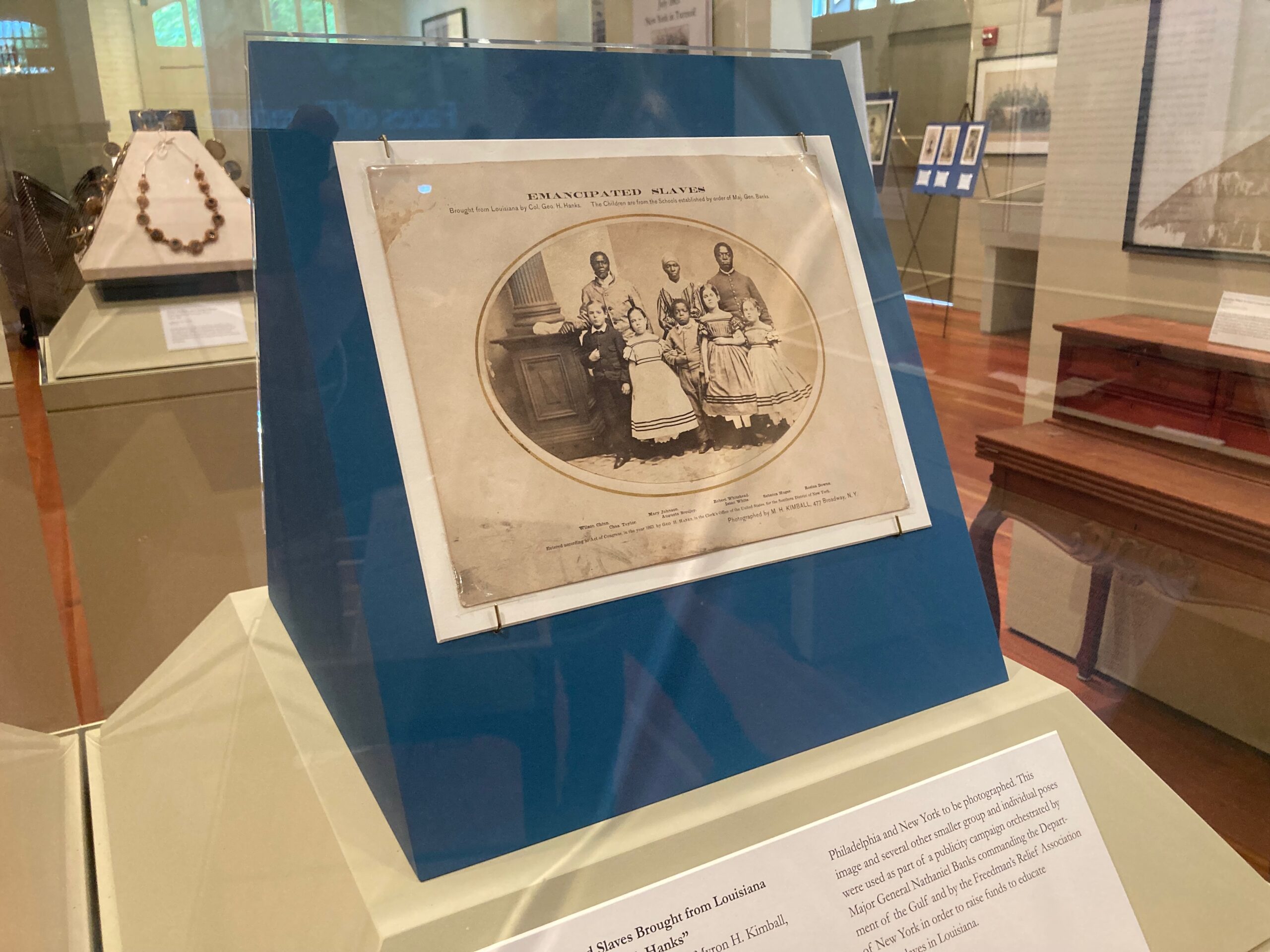
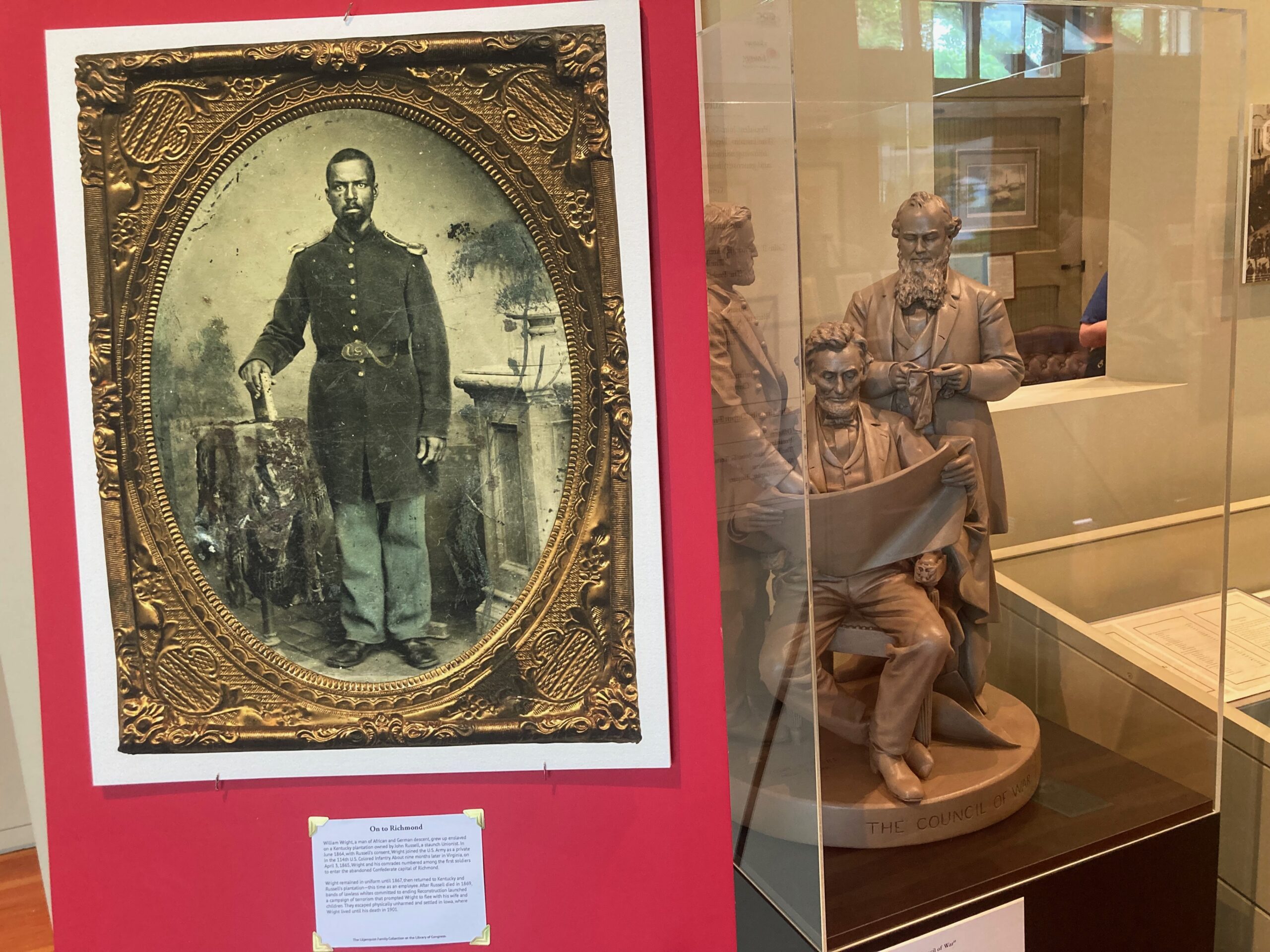
The exhibit features 37 stunning, high-quality prints of wartime portraits of Black soldiers and sailors who served in the U.S. Colored Troops (USCT) and Navy. Each portrait is paired with a compelling biographical sketch detailing their wartime experiences—some gave their lives in service of a more perfect Union, while others continued their fight for justice as Buffalo Soldiers in the West.

This special exhibit is made possible by Military Images, with assistance from the Goodridge Freedom Center and Underground Railroad Museum. Editor and Publisher Ron Coddington shares, “We are excited to bring these incredible portraits and stories to the Lincoln Depot Museum, where visitors can truly appreciate the bravery and sacrifice of these men who shaped our nation’s history.”

The images on display come from both private collectors and esteemed public institutions. We extend our deepest gratitude to the following individuals for sharing images from their collections: Jonathan Beasley, David E. Brown, Kevin Canberg, Glen Cangelosi, Ronald S. Coddington, Greg French, Thomas Harris, Ross Kelbaugh, C. Paul Loane, Steve Meadow, Ronn Palm, and Paul Russinoff.

We also thank the following institutions for their contributions:

  • Beinecke Rare Book and Manuscript Library, Yale University
  • The Lawrence T. Jones III Collection at DeGolyer Library, Southern Methodist University
  • Gettysburg National Military Park Museum
  • Kansas State Historical Society
  • The Liljenquist Family Collection at the Library of Congress
  • National Archives
  • West Virginia and Regional History Collection, West Virginia University Libraries
  • Manuscripts, Archives, and Rare Book Library, Robert W. Woodruff Library, Emory University

Don’t miss this extraordinary opportunity to experience history up close and honor these forgotten heroes. Visit the Lincoln Depot Museum in Peekskill, N.Y., and immerse yourself in the powerful stories of the Faces of Freedom.

For more details about the exhibit and museum hours, please visit https://lincolndepotmuseum.org/.

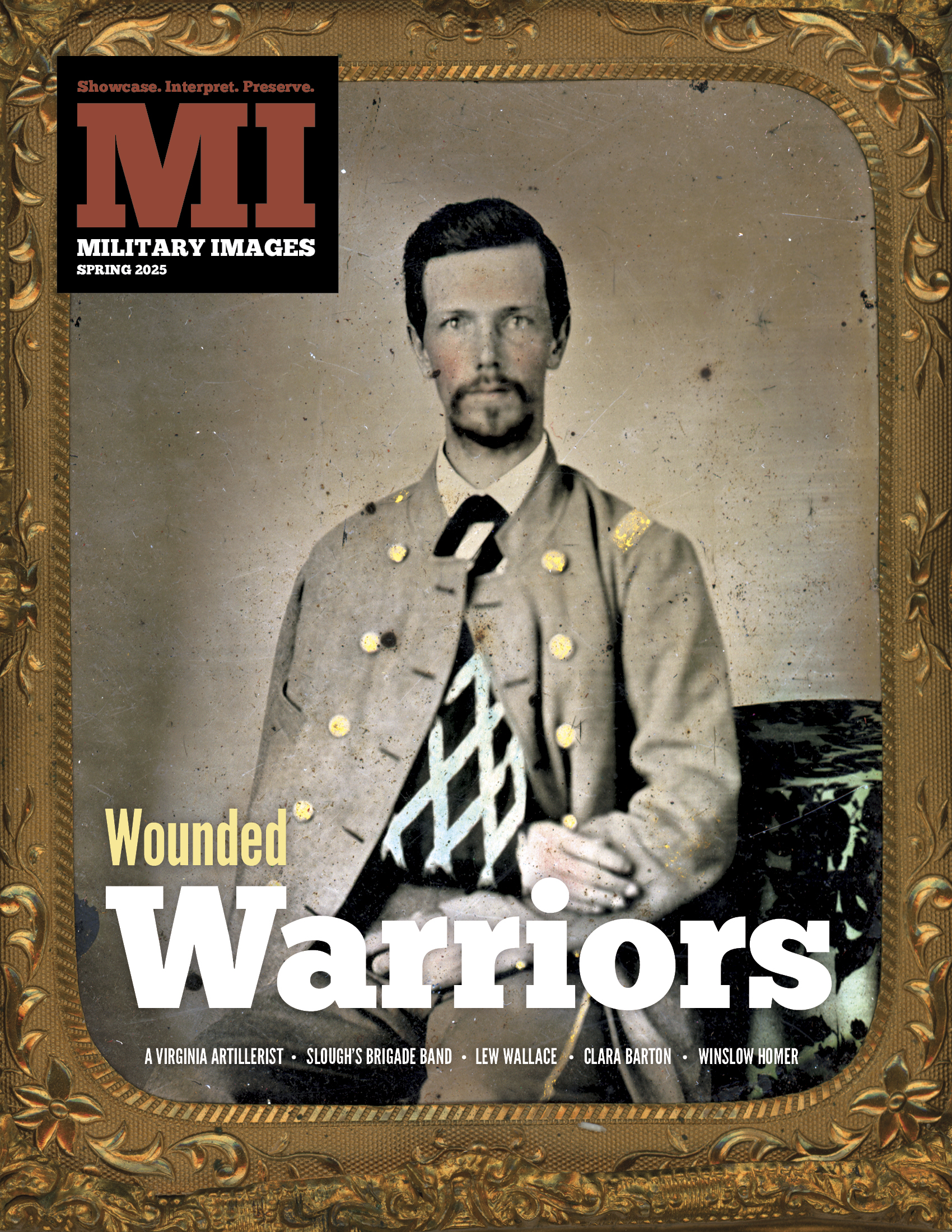
The Spring 2025 Issue

A complete table of contents for the Spring 2025 issue of Military Images magazine, and information about how to purchase single issues and subscriptions.

Vol. XLIII, No. 2
(80 pages)

Print edition: Visit our store to check availability
Digital edition: Visit JSTOR.org to purchase
Subscribe or renew your subscription

Explore the MI Archives:
Browse | Advanced search | Tutorial

Inside

Cover
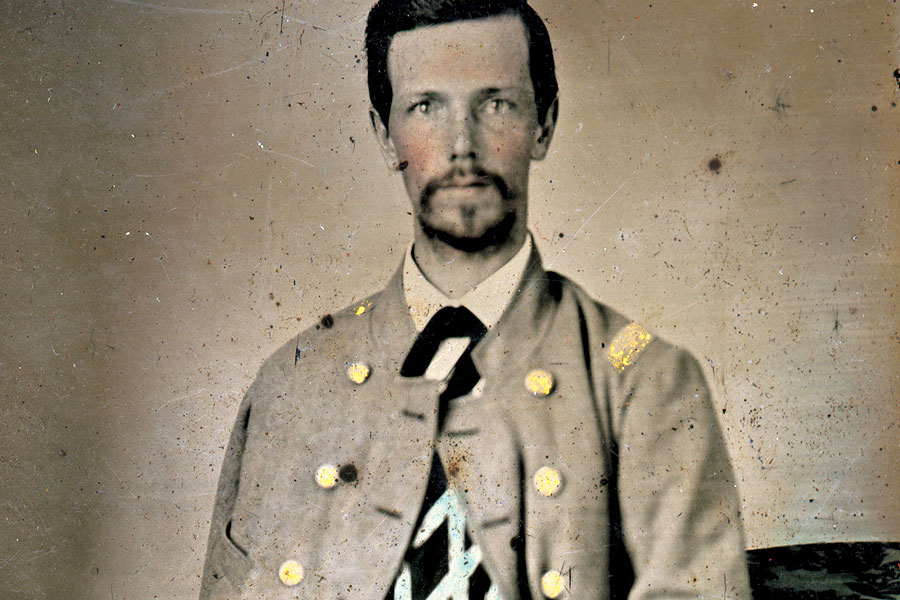
A tintype from the Dan Schwab Collection pictures Confederate Col. Evander Mciver Law recuperating from the wound he suffered at the First Battle of Manassas.

Table of Contents (p. 1)

Editor’s Desk (p. 2)
After Kolt Massie alerted me about a tintype picturing Evander M. Law recovering from his First Manassas wound, I reflected on the thrill of Civil War photography discoveries.

Mail Call (pp. 3-4)
Feedback includes an appreciation for John Walsh’s Fort Donelson feature, Kurt Luther’s Photo Sleuth column, Paul Russinoff’s story about a Michigan cavalryman, and more.

Military Anthropologist (p. 4)
A review of shot fractures of limbs in The Medical and Surgical History of the War of the Rebellion reveals the success rates of conservation, excision, and amputation.

Passing in Review (p. 6)
Righteous Strife by Richard Carwardine, published by Knopf Doubleday, explores how religious nationalism shaped Lincoln’s Union and the Civil War’s moral battles.

Photo Sleuth by Kurt Luther (pp. 8-10)
Photo sleuthing Civil War portraits requires triangulating names, units, and ages to ensure accurate IDs, revealing lost soldier stories and correcting mislabeling.

Antebellum Warriors (p. 12)
A daguerreotype of an unidentified 1840s-50s militia soldier showcases distinctive insignia, a Model 1840-style sword, and period-specific uniform details.

Most Hallowed Ground (p. 14)
Edmund C. Bainbridge, a career U.S. Army officer, served in key Civil War campaigns before retiring as a colonel. He was buried with honors at Arlington.

The Honored Few (p. 16)
At Petersburg, John W. Boutwell of the 18th New Hampshire Infantry rescued a wounded comrade. Decades later, he and another soldier received the Medal of Honor.

The Citizenry (p. 18)
Love of country fills this portrait of a patriotic woman, likely a fundraising image from the 1864 Mississippi Valley Sanitary Fair, featuring the Old Guard’s flag and liberty cap.

Of Arms and Men by Phil Spaugy (pp. 20-22)
Colonel Lew Wallace found a dead Confederate’s ornate Tryon & Co. muzzle-loading rifle at Fort Donelson in 1862, and took it home as a battlefield souvenir.

Wounded Warriors: Slings, crutches, and missing limbs are emblems of personal loss and patriotic sacrifice(pp. 22-36)
A photographic survey of Civil War amputees and other wounded soldiers and sailors, their societal impact, medical treatment, and portraits of the veterans.

Gifted Scholar, Faithful Christian, Reluctant Soldier: The life and times of Virginia professor and artillerist Lewis Minor Coleman by Ronald S. Coddington, with images from the Dave Batalo Collection (pp. 38-45)
Lewis Minor Coleman, an educator turned Confederate officer, sought to balance duty, faith, and the horrors of war. His service culminated at Fredericksburg.

A Useful Life: Sarah Chamberlin Eccleston, Civil War nurse and educator by Sidney Dreese (pp. 46-48)
Sallie Chamberlin defied age restrictions to serve as a Civil War nurse, later pioneering kindergarten education in Argentina. She lived a life of service.

Cruising the Potomac and Elsewhere with Brig. Gen. John P. Slough’s Brigade Band by Ronald S. Coddington, with images from the Mark Jones Collection (pp. 50-55)
Formed from the 60th New York Infantry, Slough’s Brigade Band played at key Civil War events in Alexandria, Va., and Washington, D.C.

Winslow’s Homer’s Use of Portrait Photographs in Civil War Era Illustrations by Rick and Victoria Britton (pp. 57-60)
A recently discovered sketch of Gen. Montgomery Meigs adds to Winslow Homer’s rich artistic legacy. The famed Civil War illustrator captured wartime life in Harper’s Weekly.

Wherever He Went, He Found History: Remembering Alex de Quesada, 1965-2024 by Ronald S. Coddington(pp. 62-64)
Alex de Quesada (1965-2024) was a passionate historian, collector, and author, known for his militaria expertise, vast artifact collection, and love of Star Wars.

Material Culture by Frank Graves (p. 66)
An early 1840s daguerreotype features an unknown man holding a U.S. Model 1805 Harpers Ferry flintlock pistol, the first military handgun made by a U.S. national armory.

Women of War by Melissa A. Wynn (pp. 68-69)
Clara Barton, Civil War nurse and founder of the Missing Soldiers Office, helped families locate lost loved ones and later established the American Red Cross.

Behind the Backdrop by Dave Batalo (p. 70)
A look at a painted camp and forts backdrop that appears in Confederate soldier portraits; it may be connected to a Fredericksburg photographer.

Vignette by Scott Valentine (p. 72)
First Lt. and Adjutant Orett Munger of the 44th New York Infantry was captured at Laurel Hill but freed by Gen. George Armstrong Custer’s cavalry. After the Civil War he settled in Chicago.

Stragglers (p. 74)
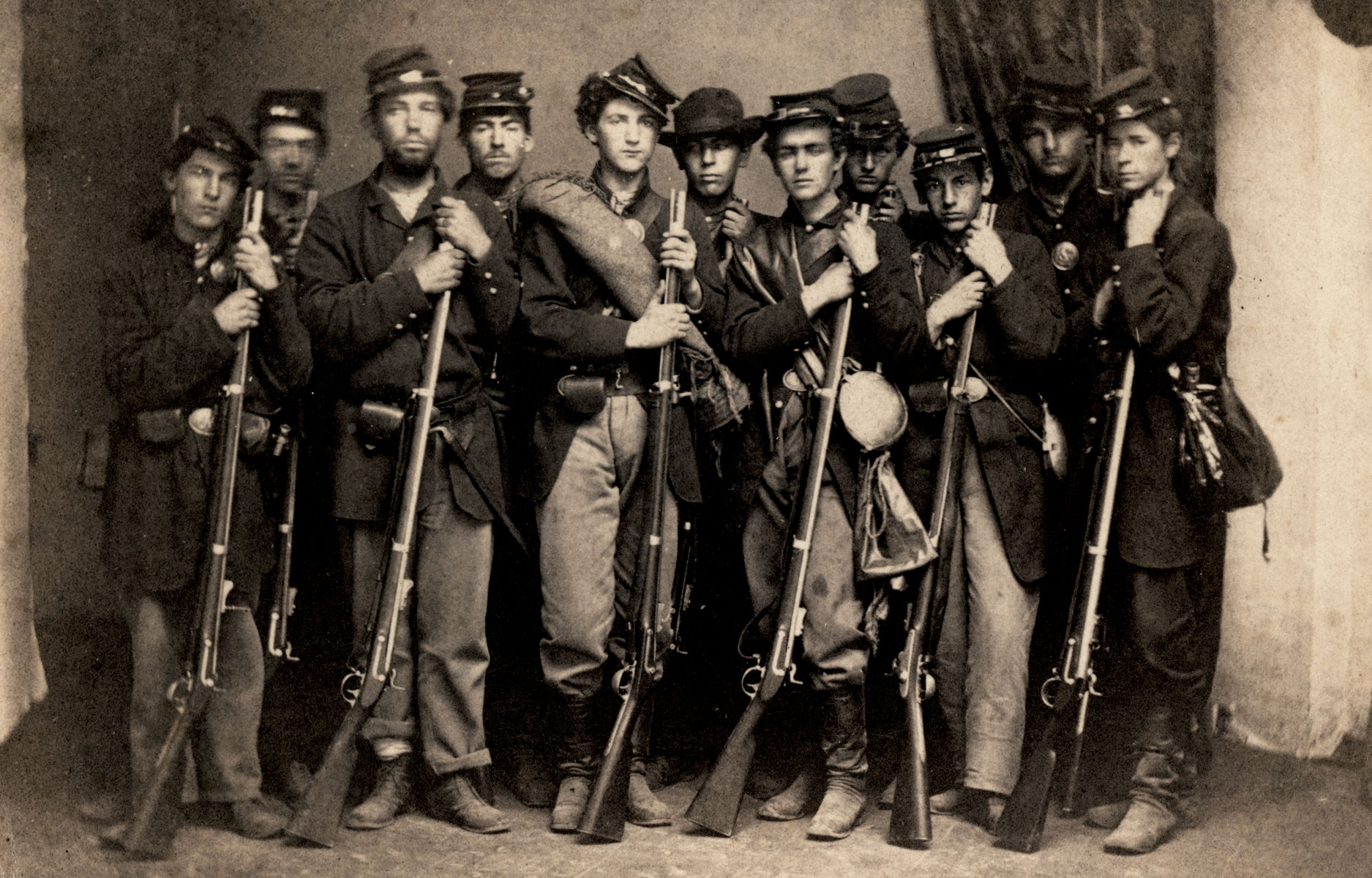
Confederate and Union soldiers pose for portraits, showcasing unique uniforms, tinting, and photography techniques by Charles R. Rees and other artists.

The Last Shot (p. 80)
A Confederate captain poses in a rustic studio scene with a tree-trunk chair and table, holstered sidearm, and missing coat button.
New Column: “Of Arms and Men” by Phil Spaugy

I am thrilled to welcome Phil Spaugy as a Senior Editor and columnist. His inaugural column, “Of Arms and Men: At the intersection of photography and ordnance technology,” debuts in this issue. I’ve known Phil for some years now, and he’s the trusted source I’ve turned to time and again to identify long and side arms in photographs. His knowledge, enthusiasm, and collaborative spirit are infectious. A longtime member of the North-South Skirmish Association (N-SSA), Phil has served in numerous offices, including National Commander and the Board of Directors. He has also been active with the N-SSA’s Union Guards, 19th Indiana Infantry. Phil studies arms and accouterments of federal infantry soldiers with an emphasis on his home state of Ohio, firearms of the U.S Arsenal at Harpers Ferry, and the Iron Brigade.

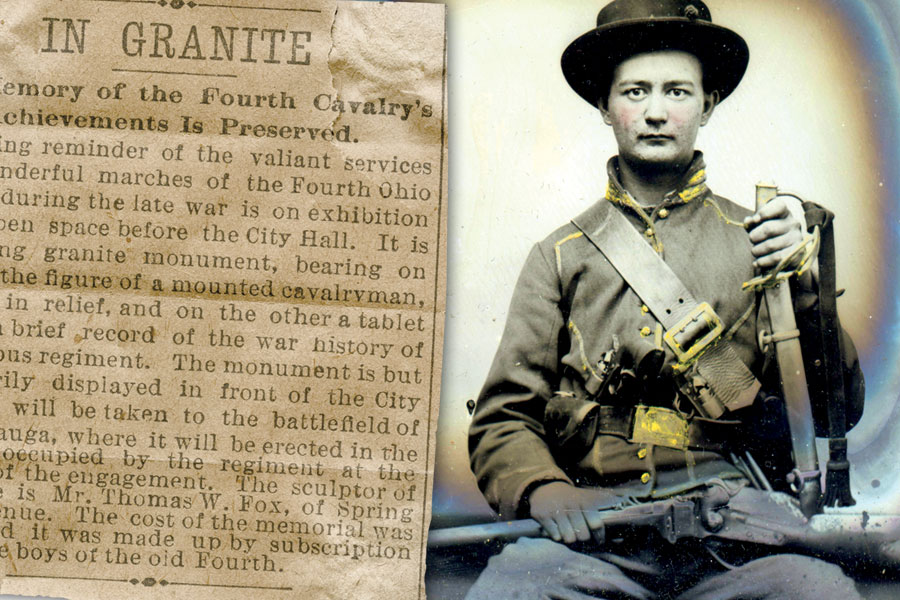
Phil’s inaugural column, “The Invincible Buckeyes of the 4th Ohio Volunteer Cavalry,” explores a sixth-plate tintype in the Paul Reeder Collection of an unidentified trooper. Phil details the weapons in the portrait and, thanks to a newspaper clipping tucked into the case, connects the image to Huntsville, Ala., where this image may have been taken.
Please join me in welcoming Phil and “Of Arms and Men” to MI.