The Autumn 2026 Issue

A complete table of contents for the Autumn 2026 issue of Military Images magazine, and information about how to purchase single issues and subscriptions.

Vol. XLIV, No. 4
(80 pages)

Print edition: Visit our store to check availability
Digital edition: Visit JSTOR.org to purchase
Subscribe or renew your subscription

Explore the MI Archives:
Browse | Advanced search | Tutorial

Inside

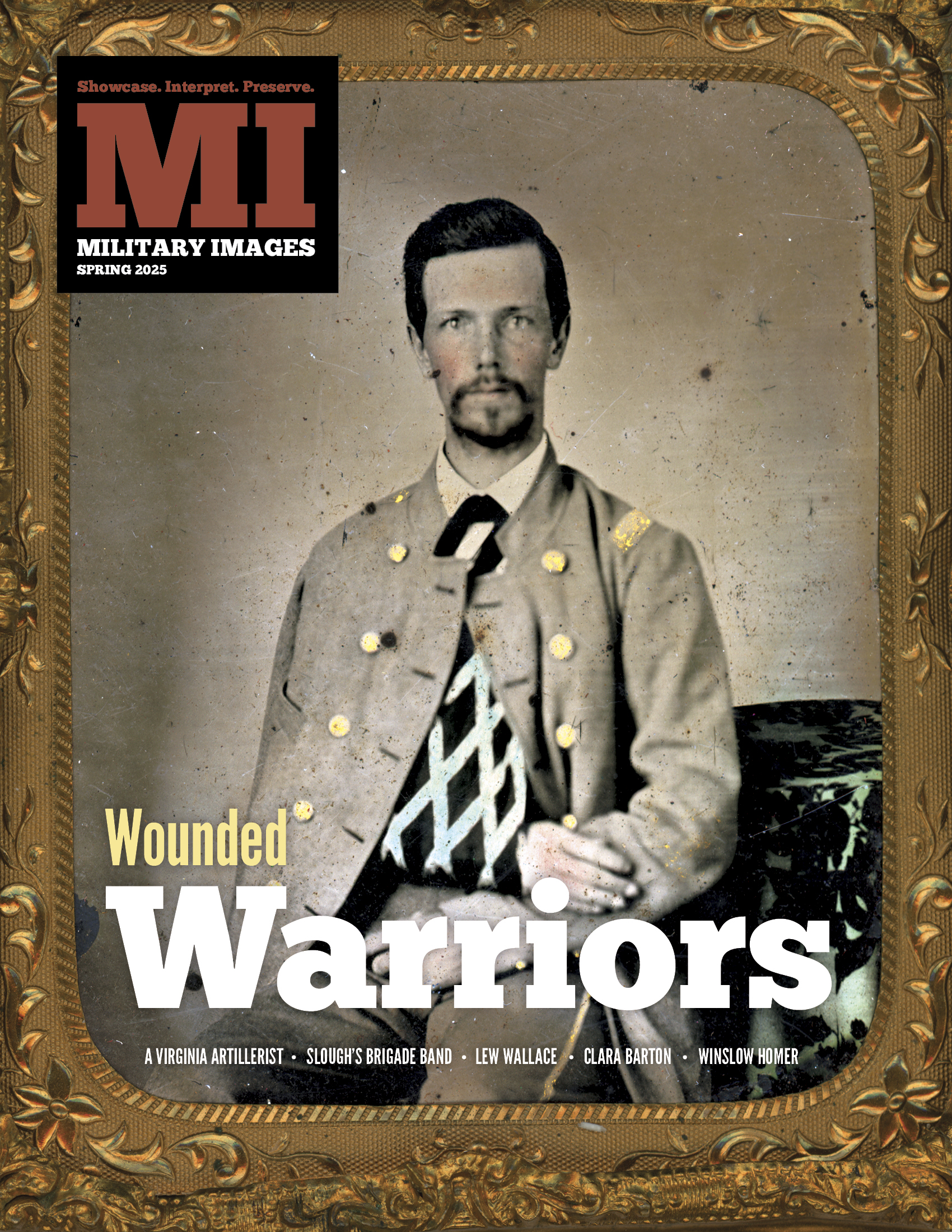
Cover
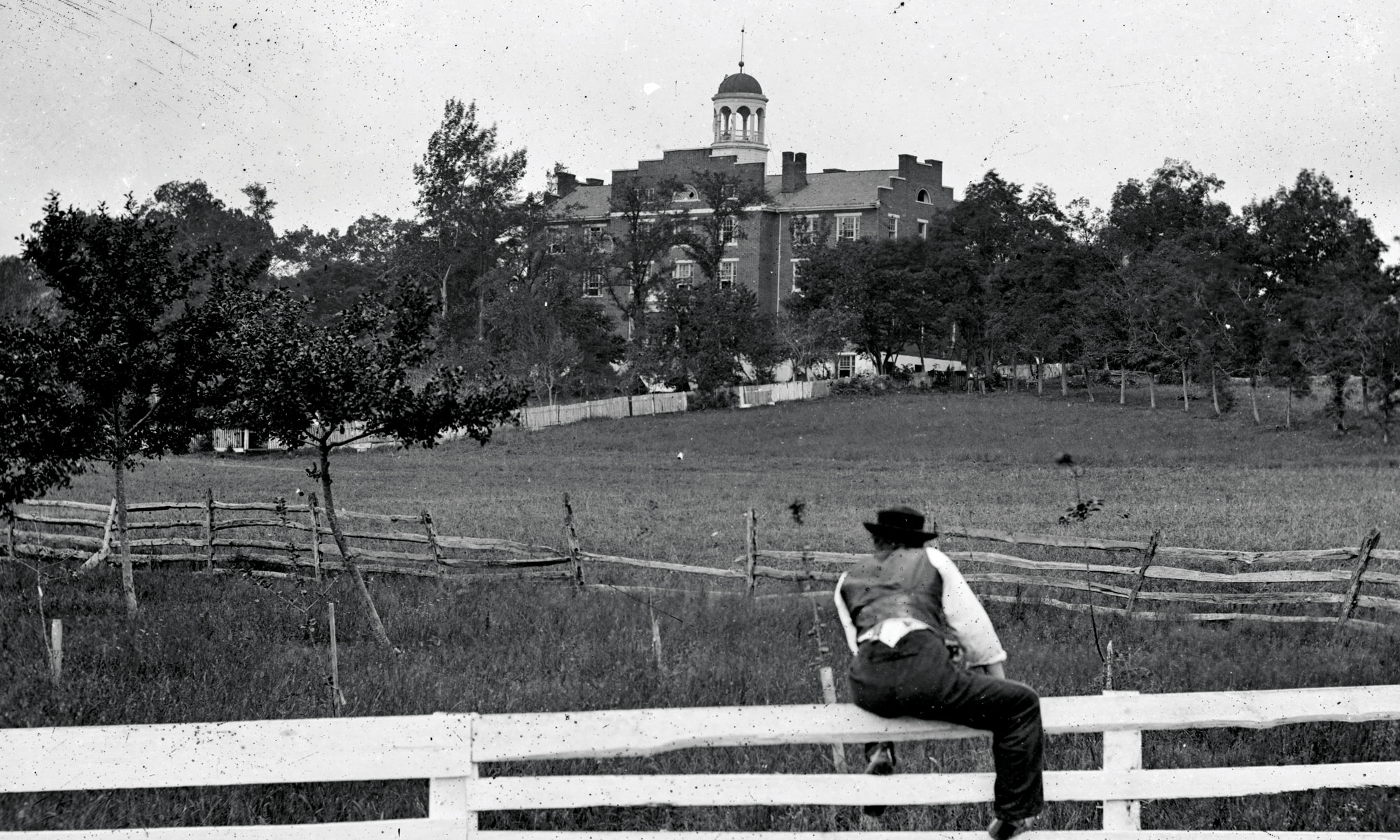
Gettysburg’s Lutheran Theological Seminary photographed by Mathew B. Brady’s team in July 1863.

Table of Contents (p. 1)

Editor’s Desk (p. 2)
A visit to Gettysburg offers hope for the future as a new generation of collectors embraces Civil War photographs and the stories they preserve.

Mail Call (pp. 3-4)
Feedback includes praise from new and veteran subscribers, a request for information about a Sanitary Fair statuette, the identification of a Tennessee officer, and more.

Military Anthropologist (p. 4)
William F. Fox’s Civil War data identifies nine Union infantry regiments that lost more than 100 men killed or mortally wounded in a single battle.

Passing in Review (p. 6)
Reviews of new books on Civil War nurse Cornelia Hancock by Carolyn Ivanoff and Don Troiani and Ron Field’s detailed study of Union and Confederate uniforms.

Photo Sleuth by Stephen Berry and Kurt Luther (pp. 8-9)
A composite photograph of South Carolina legislators reveals the power, politics, racism, and violence surrounding Prince Rivers during Reconstruction.

Antebellum Warriors (p. 10)
Marine officer William Stokes Boyd helped lay the first transatlantic telegraph cable aboard the USS Niagara in 1858, linking Britain and America.

Most Hallowed Ground (p. 12)
Augustus G. Kellogg fought aboard the USS Powhatan at Fort Fisher before embarking on a distinguished 26-year career in the U.S. Navy.

The Honored Few by Evan Phifer (pp. 14-16)
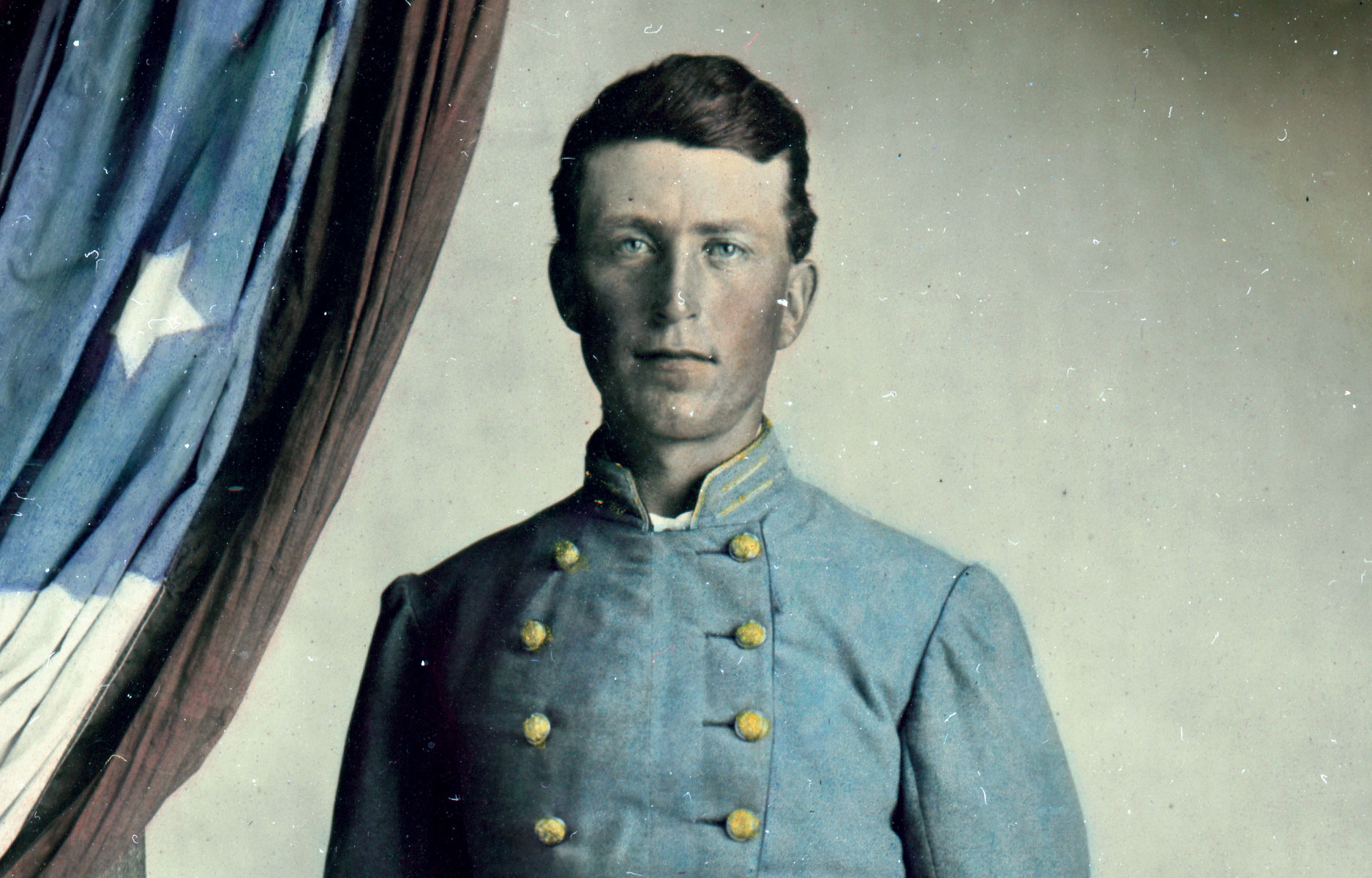
Wounded twice at Gettysburg, Henry S. Huidekoper refused to leave his regiment and later received the Medal of Honor for his courage under fire.

The Citizenry by Richard Look (p. 18)
Two women posed in a Union soldier’s uniform in 1863, connecting their portraits to a Massachusetts family touched deeply by the Civil War.

Of Arms and Men by Phil Spaugy (pp. 20-22)
Union soldiers rallied behind a rail barricade on Seminary Ridge, buying precious time during the first day of the Battle of Gettysburg.

Gettysburg’s Lutheran Seminary in the Line of Fire by Ronald S. Coddington (pp. 24-32)
A Brady photograph reveals Gettysburg’s Lutheran Seminary as a battlefield observation post and hospital during three days of fighting in July 1863.

Within These Walls: Gettysburg’s Seminary Hospital (pp. 34-47)
Portraits and personal accounts reveal the Union soldiers, surgeons, and nurses who experienced Gettysburg’s Seminary hospital during and after the battle.

The Civil War’s First Amputee by Jan K. Herman (pp. 51-52) 
Moses S. Herrick suffered the surgical removal of his foot in an accidental shooting inside the U.S. Capitol, becoming the Civil War’s first documented amputee.

Faces of the Sultana by Gene Eric Salecker (pp. 53-57)
Portraits and stories reveal the soldiers, survivors, and victims of the Sultana disaster, which claimed an estimated 1,164 lives in April 1865.

Grim Reunion at Galveston: A Father and Son on Opposite Sides of the War by Curt Robbins (pp. 61-63)
A Confederate father finds his mortally wounded Union son after the Battle of Galveston, a tragic reunion of family divided by Civil War.

Practical Stewardship for the Modern Collector by Kevin Canberg(pp. 64-65)
How collectors can inventory, plan, and protect their collections while preparing artifacts for the next generation of caretakers.

Different Journeys, Shared Passion by Larry West, Ross J. Kelbaugh, Dr. Robert Drapkin, and Greg French (pp. 66-69)
Four collectors share the discoveries, stories, and unexpected journeys behind their passion for 19th-century photography.

Material Culture by Ron Field (pp. 70-71)
Explore the distinctive Havelock hats worn by Illinois, Iowa, and Wisconsin troops and the manufacturers who supplied them during the Civil War.

Women of War by Melissa A. Wynn (pp. 72-73)
Martha Coston perfected a pyrotechnic signal system that helped Union Navy ships communicate, enforce the blockade, and coordinate operations.

Behind the Backdrop by Buck Zaidel (pp. 74-75)
A portrait reveals how backdrops, military gear, personal objects, and even a pair of worn boots helped photographers tell a soldier’s story.

Vignette by Ronald S. Coddington (p. 76)
Seth Ledyard Phelps helped build the Union’s Brown Water Navy and fought at Forts Henry and Donelson, Shiloh, and in the Vicksburg Campaign.

Stragglers (p. 78)
Three images reveal a fallen Mississippi soldier, an unidentified USCT infantryman, and soldiers punished in barrel shirts.

The Last Shot (p. 80)
A Union infantryman poses as if advancing into battle, armed with a converted musket and Colt revolver in this dramatic Civil War tintype.

John Walsh Wins 2025 Army Historical Foundation Distinguished Writing Award

We are delighted to share wonderful news from the Army Historical Foundation.

On behalf of the Foundation, Matthew Seelinger recently informed us that John Walsh’s feature, “Donelson,” has been selected as the winner of the 2025 Army Historical Foundation Distinguished Writing Award for Journals and Magazines.

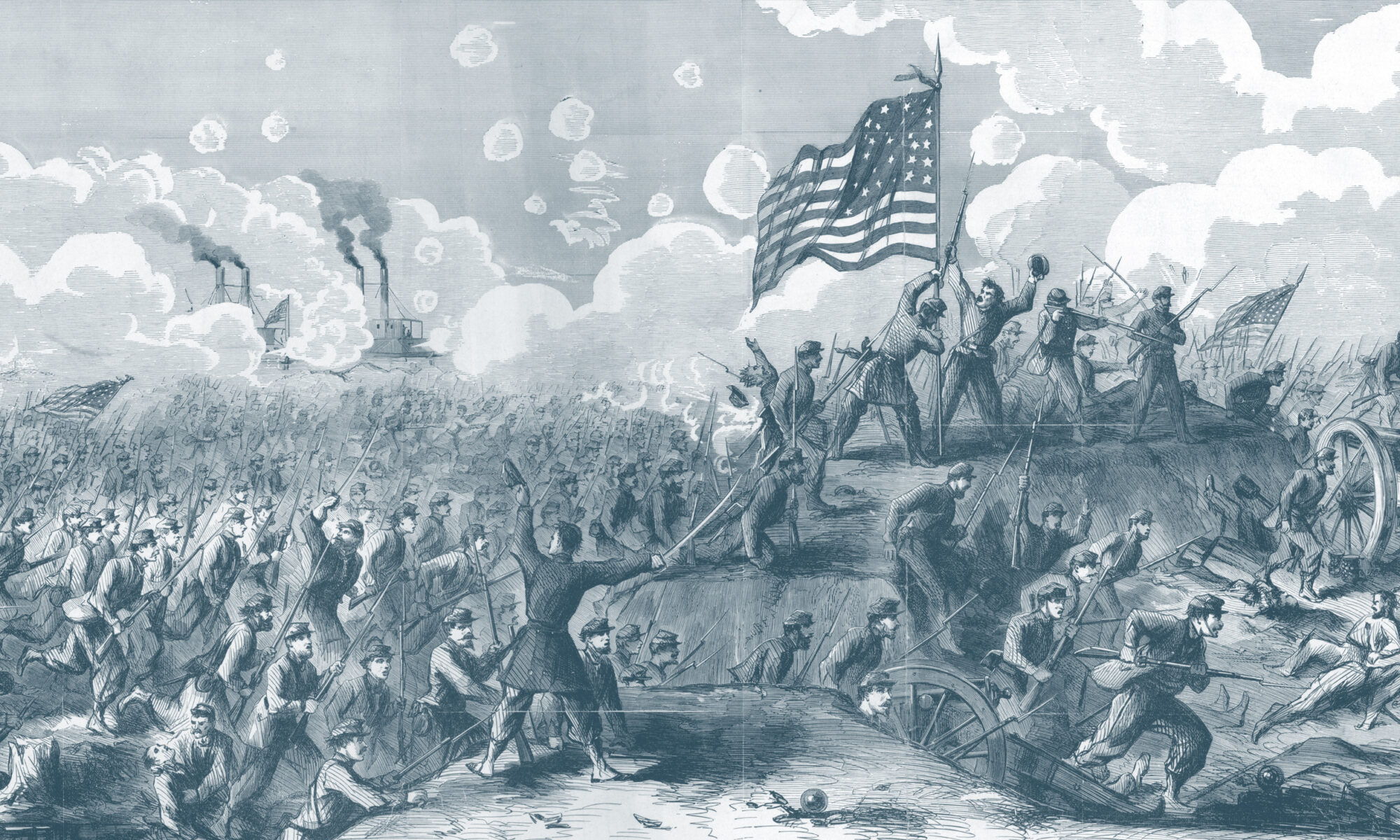
John’s article explores the pivotal Union victory at Fort Donelson in February 1862, a campaign that reshaped the Civil War in its first year and propelled Brig. Gen. Ulysses S. Grant onto the national stage. Through careful research and compelling storytelling, John illuminates why this early victory proved to be one of the conflict’s defining turning points.

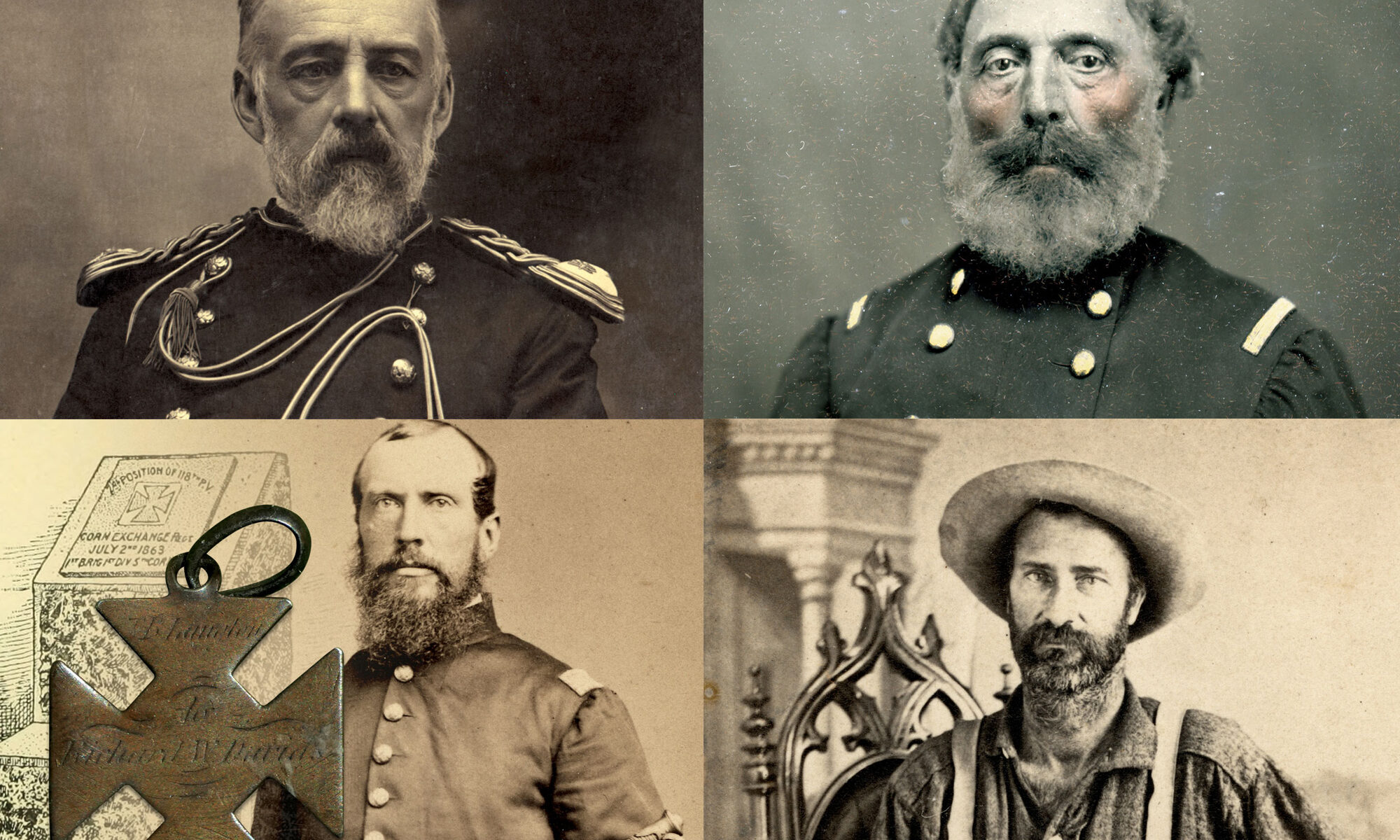
This honor follows an extraordinary showing for Military Images. Earlier this year, we announced that four stories from the magazine had been named finalists for the 2025 Army Historical Foundation Distinguished Writing Awards:

  • “Fort Donelson: Early Turning Point of the Civil War,” by John Walsh (Winner)
  • “‘Died at Gettysburg’: No Prouder Epitaph Need Any Man Covet,” by Charles T. Joyce
  • “On Quinby’s Watch,” by Ronald S. Coddington
  • “Bonds of Loyalty: Forged in Mexico, 1847—Tested in Texas, 1864,” by Ronald S. Coddington

To have four finalists in a single year was an honor in itself. To see one of those stories selected as the overall winner makes the recognition even more meaningful.

Presented annually by the Army Historical Foundation, the Distinguished Writing Awards recognize excellence in historical scholarship and storytelling that deepens understanding of the history of the U.S. Army. We are grateful to the Foundation and its judges for this recognition.

Since 1979, Military Images has pursued a simple mission: to showcase, interpret, and preserve Civil War portrait photography while pairing original images with thoroughly researched narratives that bring the people behind the photographs to life. Honors such as this affirm the value of that mission and the exceptional work of the historians and writers who contribute to the magazine.

Please join us in congratulating John Walsh on this well-deserved achievement—and in celebrating all of this year’s finalists, whose work reflects the high standard of scholarship and storytelling that defines Military Images.

Read the press release from the AHF.

4 Military Images Stories Named Finalists for 2025 Army Historical Foundation Distinguished Writing Awards

Delighted to share that four stories from Military Images magazine have been named finalists for the 2025 Army Historical Foundation Distinguished Writing Awards:

“Fort Donelson: Early turning point of the Civil War,” by John Walsh
The Union victory at Fort Donelson in February 1862 reshaped the war in its first year and propelled Ulysses S. Grant to national prominence. Read.

“‘Died at Gettysburg’: No Prouder Epitaph Need Any Man Covet,” by Charles T. Joyce
A moving exploration of the life and legacy of Davids, a Philadelphia aristocrat whose sacrifice at Gettysburg resonated through family memory and history. Read.

“On Quinby’s Watch,” by Ronald S. Coddington
Colorado Lt. Ira Quinby, a Signal Corps officer at the 1864 Battle of Westport, helped direct movements that checked Price’s Raid—often called the Gettysburg of the West. Read.

“Bonds of Loyalty: Forged in Mexico, 1847 — Tested in Texas, 1864,” by Ronald S. Coddington
Two Indiana soldiers who served together in the Mexican War found themselves on opposite sides fifteen years later during the Civil War—a powerful story of divided loyalties. Read.

Presented annually by the Army Historical Foundation, the Distinguished Writing Awards recognize excellence in historical scholarship and storytelling that deepens understanding of the U.S. Army’s past.

Final scores are due from the judges on July 1, with winners to be announced shortly thereafter.

We are proud to see Military Images so strongly represented among this year’s finalists. Since 1979, our mission has been to showcase, interpret, and preserve Civil War portrait photography—pairing compelling original images with research-driven narratives that bring the past to life. These nominations reflect that commitment.

Congratulations to our authors, and our thanks to the Army Historical Foundation for this meaningful recognition.

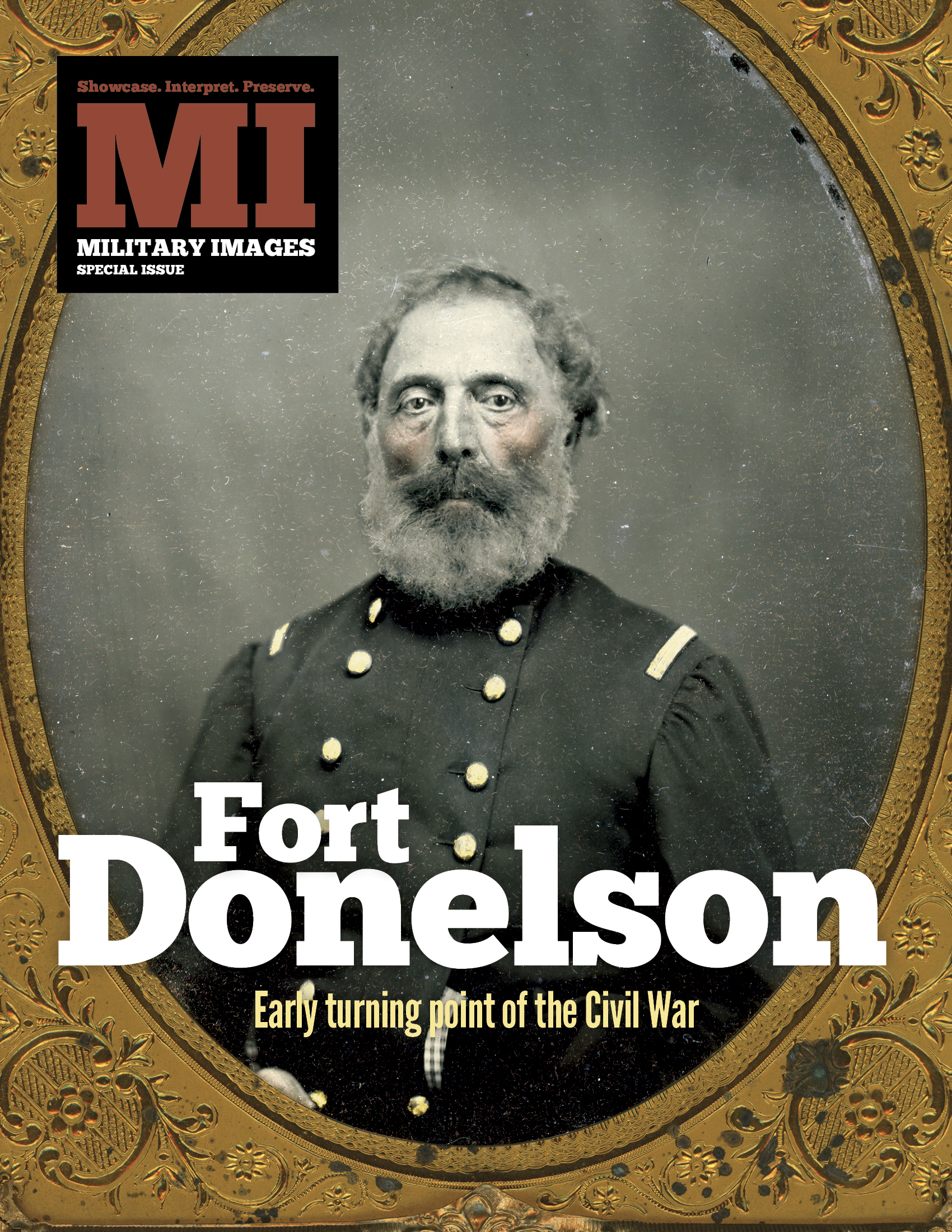
New Special Issue Tells the Fort Donelson Story Through Photos and Stories of Those Who Were There

A new special issue from Military Images and John Walsh brings the story of Fort Donelson to life through powerful portraits and firsthand accounts.

Originally published as the cover story in our Winter 2025 issue, this 20-page presentation by John Walsh—founder of Fort Donelson Relics and a lifelong student of the Western Theater—offers a deeply informed and personal look at one of the Civil War’s pivotal early victories.

As Walsh writes, the Union triumph in February 1862 “broke the back of the secession serpent.” The fall of the fort triggered the surrender of 14,600 Confederates, opened vital rivers, and led to the loss of Nashville—while elevating a little-known general, Ulysses S. Grant, to national prominence with his demand for unconditional surrender.

From the twin blows at Fort Henry and Donelson—supported by the ironclads of Andrew H. Foote—to the engagement of more than 40,000 soldiers, this issue captures the human dimension of the campaign through the faces and stories of those who were there.

Walsh, who lives near Fort Donelson National Battlefield, has spent decades preserving relics and advancing understanding of the soldiers who fought on this ground. His work reflects a commitment to responsible collecting, historical research, and battlefield preservation.

Founded in 1979, Military Images is dedicated to showcasing, interpreting, and preserving Civil War portrait photography—and the stories behind the faces.

Get your copy for $10 plus shipping at shopmilitaryimages.com.

The Spring 2025 Issue

A complete table of contents for the Spring 2025 issue of Military Images magazine, and information about how to purchase single issues and subscriptions.
Vol. XLIII, No. 2
(80 pages)

Print edition: Visit our store to check availability
Digital edition: Visit JSTOR.org to purchase
Subscribe or renew your subscription

Explore the MI Archives:
Browse | Advanced search | Tutorial

Inside

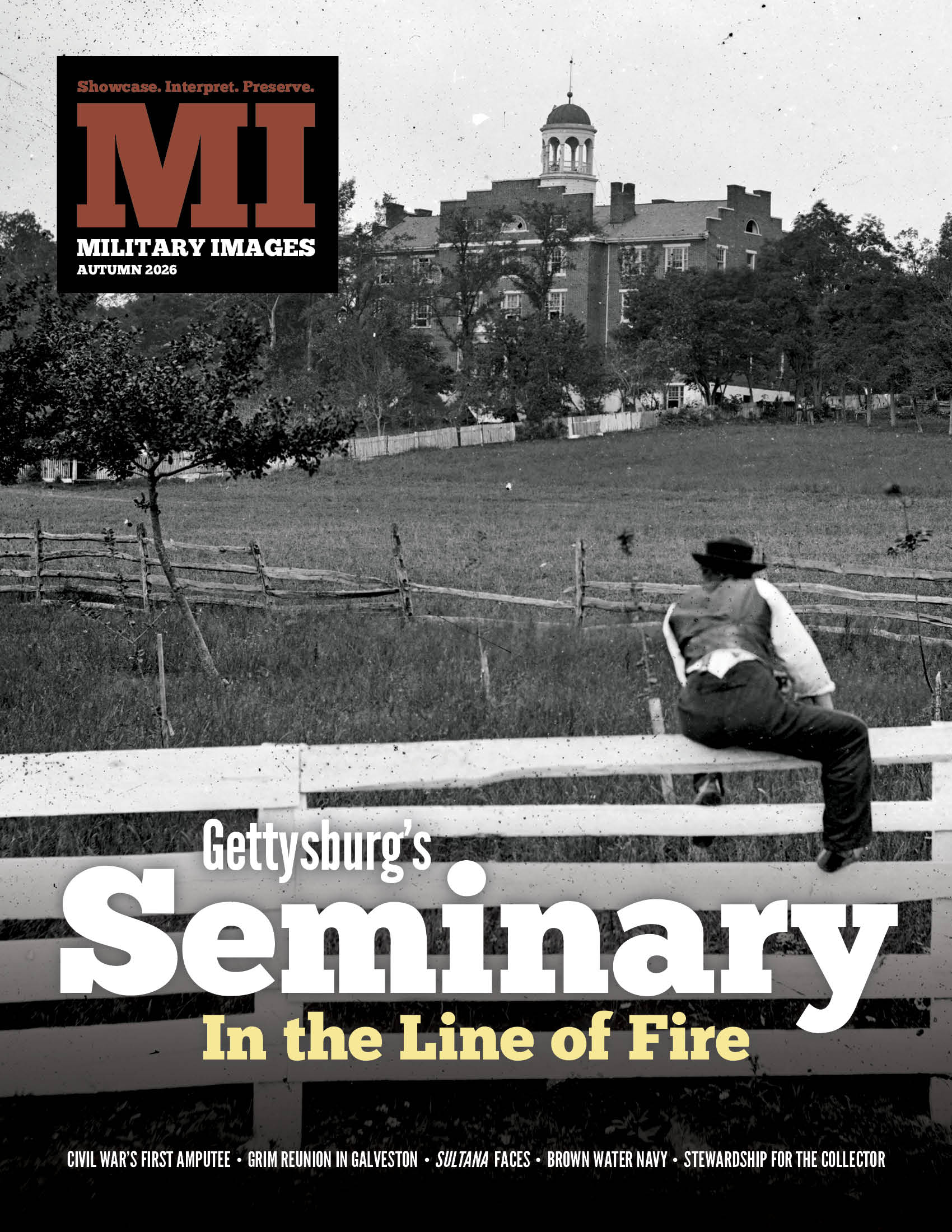
Cover
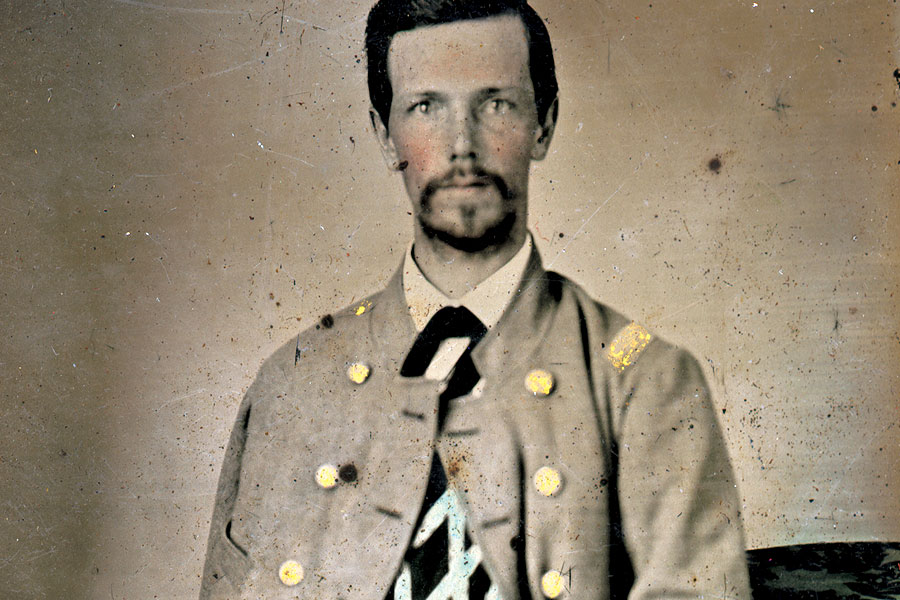
A tintype from the Dan Schwab Collection pictures Confederate Col. Evander Mciver Law recuperating from the wound he suffered at the First Battle of Manassas.

Table of Contents (p. 1)

Editor’s Desk (p. 2)
After Kolt Massie alerted me about a tintype picturing Evander M. Law recovering from his First Manassas wound, I reflected on the thrill of Civil War photography discoveries.

Mail Call (pp. 3-4)
Feedback includes an appreciation for John Walsh’s Fort Donelson feature, Kurt Luther’s Photo Sleuth column, Paul Russinoff’s story about a Michigan cavalryman, and more.

Military Anthropologist (p. 4)
A review of shot fractures of limbs in The Medical and Surgical History of the War of the Rebellion reveals the success rates of conservation, excision, and amputation.

Passing in Review (p. 6)
Righteous Strife by Richard Carwardine, published by Knopf Doubleday, explores how religious nationalism shaped Lincoln’s Union and the Civil War’s moral battles.

Photo Sleuth by Kurt Luther (pp. 8-10)
Photo sleuthing Civil War portraits requires triangulating names, units, and ages to ensure accurate IDs, revealing lost soldier stories and correcting mislabeling.

Antebellum Warriors (p. 12)
A daguerreotype of an unidentified 1840s-50s militia soldier showcases distinctive insignia, a Model 1840-style sword, and period-specific uniform details.

Most Hallowed Ground (p. 14)
Edmund C. Bainbridge, a career U.S. Army officer, served in key Civil War campaigns before retiring as a colonel. He was buried with honors at Arlington.

The Honored Few (p. 16)
At Petersburg, John W. Boutwell of the 18th New Hampshire Infantry rescued a wounded comrade. Decades later, he and another soldier received the Medal of Honor.

The Citizenry (p. 18)
Love of country fills this portrait of a patriotic woman, likely a fundraising image from the 1864 Mississippi Valley Sanitary Fair, featuring the Old Guard’s flag and liberty cap.

Of Arms and Men by Phil Spaugy (pp. 20-22)
Colonel Lew Wallace found a dead Confederate’s ornate Tryon & Co. muzzle-loading rifle at Fort Donelson in 1862, and took it home as a battlefield souvenir.

Wounded Warriors: Slings, crutches, and missing limbs are emblems of personal loss and patriotic sacrifice(pp. 22-36)
A photographic survey of Civil War amputees and other wounded soldiers and sailors, their societal impact, medical treatment, and portraits of the veterans.

Gifted Scholar, Faithful Christian, Reluctant Soldier: The life and times of Virginia professor and artillerist Lewis Minor Coleman by Ronald S. Coddington, with images from the Dave Batalo Collection (pp. 38-45)
Lewis Minor Coleman, an educator turned Confederate officer, sought to balance duty, faith, and the horrors of war. His service culminated at Fredericksburg.

A Useful Life: Sarah Chamberlin Eccleston, Civil War nurse and educator by Sidney Dreese (pp. 46-48)
Sallie Chamberlin defied age restrictions to serve as a Civil War nurse, later pioneering kindergarten education in Argentina. She lived a life of service.

Cruising the Potomac and Elsewhere with Brig. Gen. John P. Slough’s Brigade Band by Ronald S. Coddington, with images from the Mark Jones Collection (pp. 50-55)
Formed from the 60th New York Infantry, Slough’s Brigade Band played at key Civil War events in Alexandria, Va., and Washington, D.C.

Winslow’s Homer’s Use of Portrait Photographs in Civil War Era Illustrations by Rick and Victoria Britton (pp. 57-60)
A recently discovered sketch of Gen. Montgomery Meigs adds to Winslow Homer’s rich artistic legacy. The famed Civil War illustrator captured wartime life in Harper’s Weekly.

Wherever He Went, He Found History: Remembering Alex de Quesada, 1965-2024 by Ronald S. Coddington(pp. 62-64)
Alex de Quesada (1965-2024) was a passionate historian, collector, and author, known for his militaria expertise, vast artifact collection, and love of Star Wars.

Material Culture by Frank Graves (p. 66)
An early 1840s daguerreotype features an unknown man holding a U.S. Model 1805 Harpers Ferry flintlock pistol, the first military handgun made by a U.S. national armory.

Women of War by Melissa A. Wynn (pp. 68-69)
Clara Barton, Civil War nurse and founder of the Missing Soldiers Office, helped families locate lost loved ones and later established the American Red Cross.

Behind the Backdrop by Dave Batalo (p. 70)
A look at a painted camp and forts backdrop that appears in Confederate soldier portraits; it may be connected to a Fredericksburg photographer.

Vignette by Scott Valentine (p. 72)
First Lt. and Adjutant Orett Munger of the 44th New York Infantry was captured at Laurel Hill but freed by Gen. George Armstrong Custer’s cavalry. After the Civil War he settled in Chicago.

Stragglers (p. 74)
Confederate and Union soldiers pose for portraits, showcasing unique uniforms, tinting, and photography techniques by Charles R. Rees and other artists.

The Last Shot (p. 80)
A Confederate captain poses in a rustic studio scene with a tree-trunk chair and table, holstered sidearm, and missing coat button.