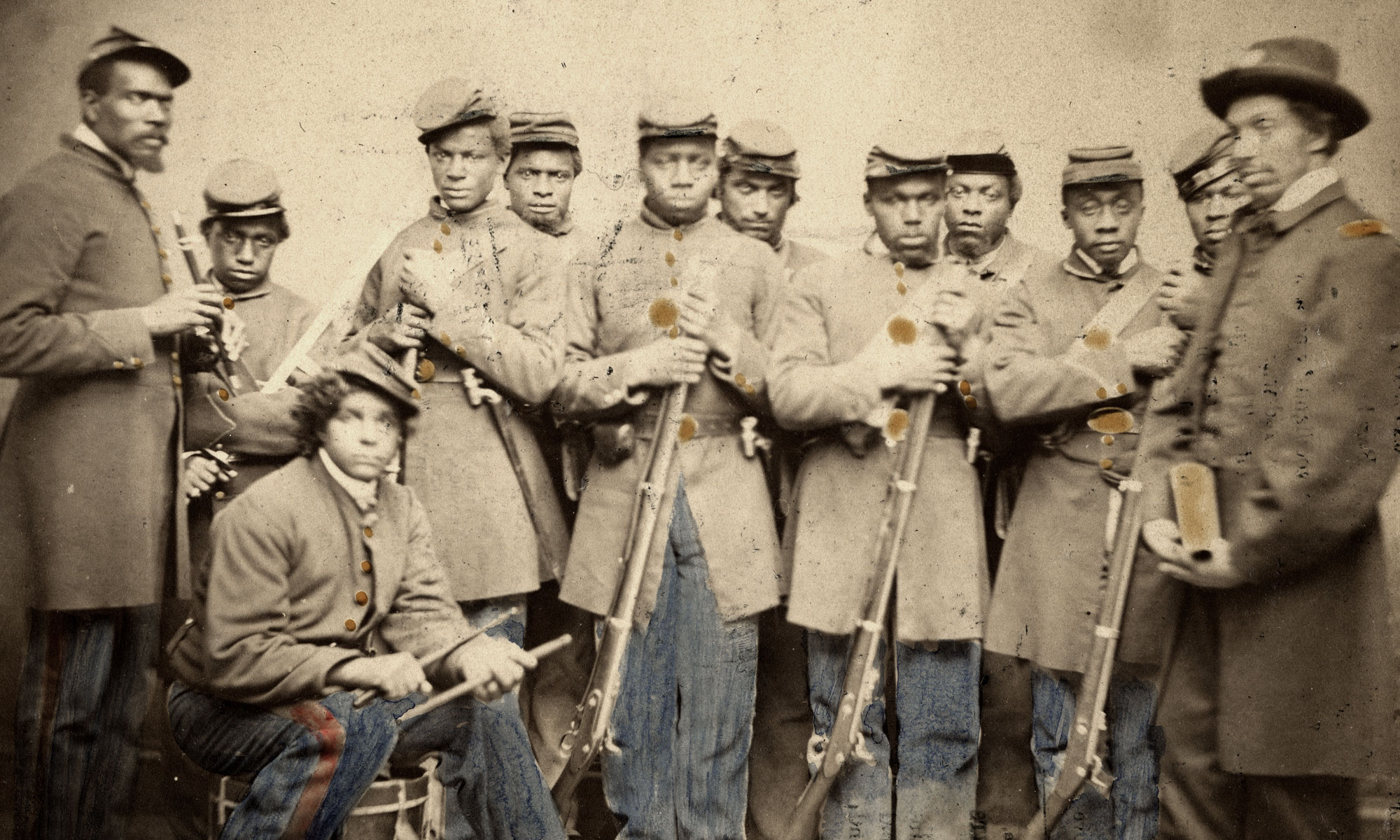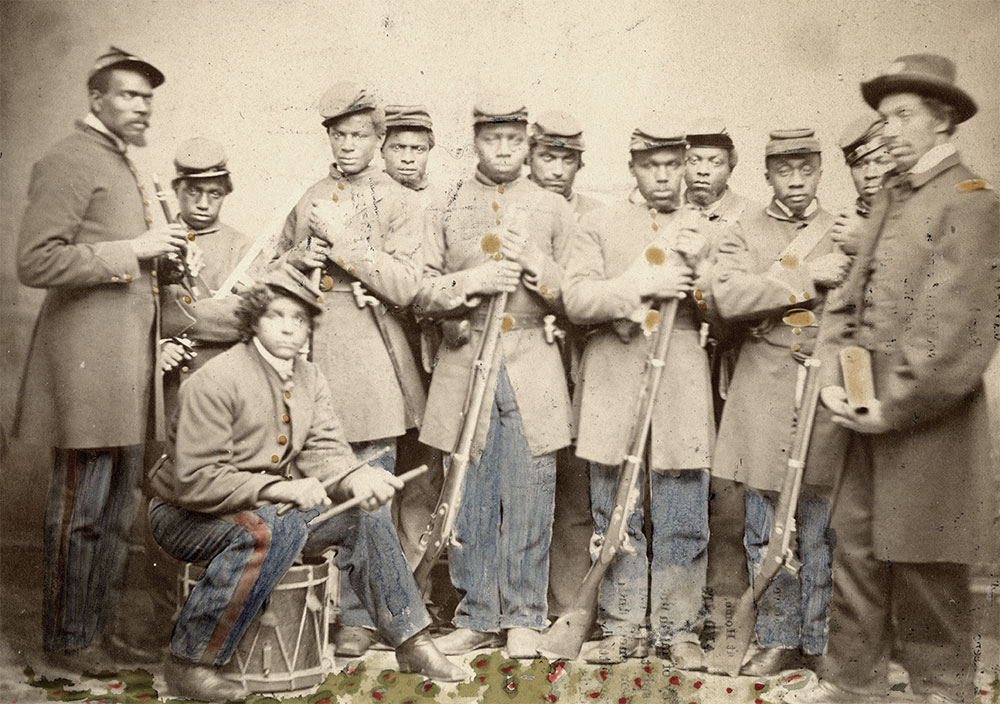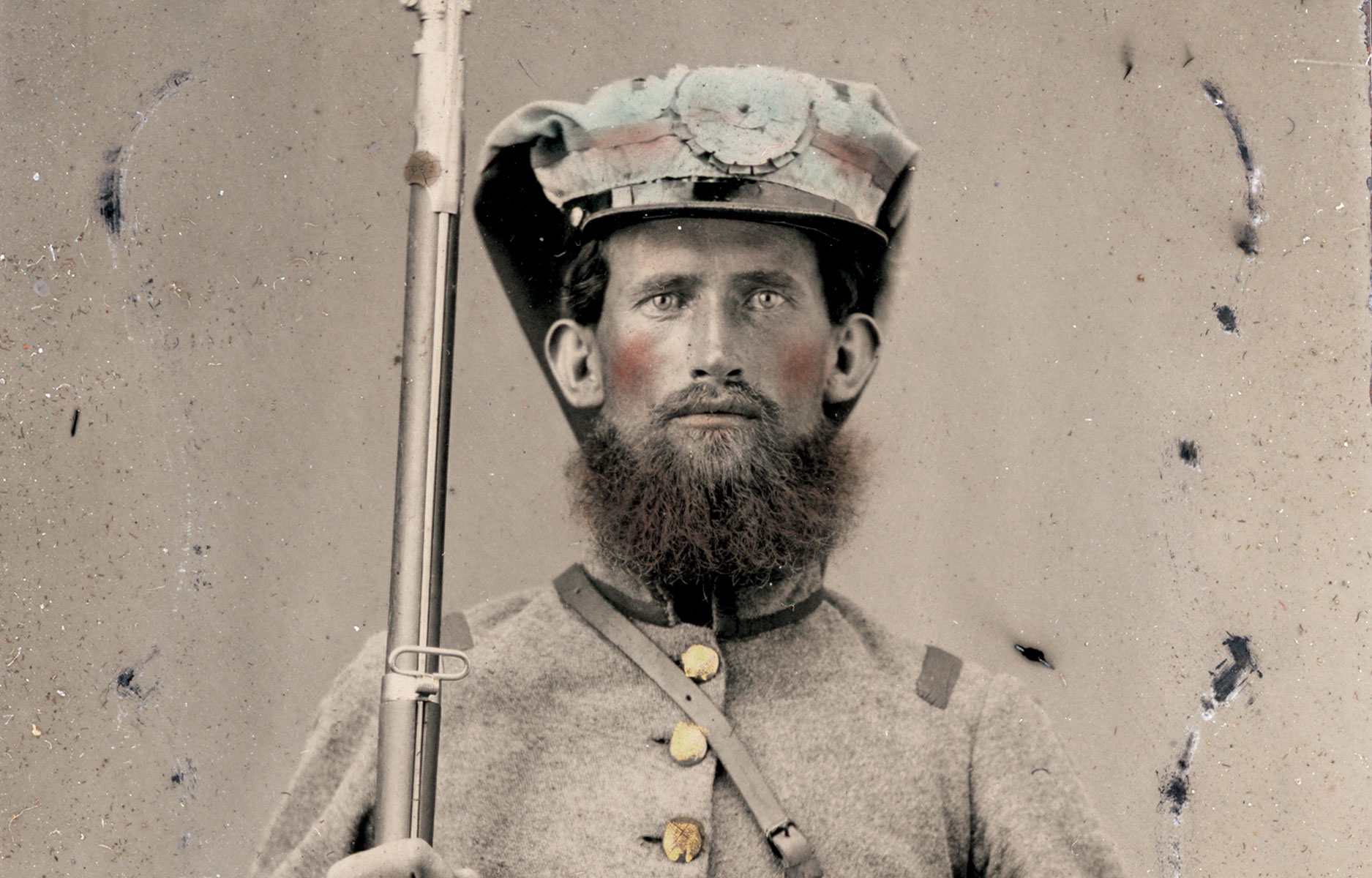

Most wartime soldier photos were not taken for mass-media consumption. These were personal mementos distributed to families, friends, and comrades. Many are scattered in private and public collections. Having a photo for identification purposes was not standard military practice during this era.
Finding a portrait is possible, though it requires patience and determination. Locating an image is rarely a sprint; it is a marathon. These tips can help.
Search National, State, and Local Repositories
Civil War Photo Sleuth (CWPS) is a free application with more than 60,000 images in its searchable database. If you have an unidentified image, CWPS hosts facial recognition technology that can compare your subject’s features against the database of portraits to help you find potential matches.
The Liljenquist Family Collection at the Library of Congress is a free site with more than 9,000 images of Union and Confederate soldiers and sailors.
Identified Civil War Soldier, Sailor and Civilian Portraits in Military Images magazine is a free database with more than 9,000 entries for Union and Confederate soldiers and sailors, and civilians. Though the images are not included to protect private collectors, links to past issues on the nonprofit Journal Storage (JSTOR) are included.
If you are searching for an ancestor and know which state he served in, visit the state archives. Though the number, cataloging, and digitization of images vary, you may find your veteran. If you know the city, town, or community in which your ancestor resided when he enlisted, seek out local libraries, museums, historical societies, archives, and other institutions. Access and holdings will vary.
Connect with Community Networks and Seek Out Individuals with Authoritative Knowledge
The Civil War image collecting community is knowledgeable and often eager to help. Dedicated communities on Facebook (Civil War Faces) and historical forums (Civil War Talk) include collectors and enthusiasts who possess deep, collective knowledge. They often provide useful feedback and guidance on uniform details or regimental specifics that may assist in your search.
Military historians, local museum curators, and other researchers can also help. These individuals have spent years navigating archives and may be able to point you toward the right lead or private collector.
Utilize genealogy sites like FamilySearch (free) and Ancestry (subscription) to search records and connect with distant relatives. You may find that someone else in your extended family tree has already secured or archived the exact photo you are looking for.
Search newspaper collections for postwar portraits of veterans who survived the war. Digitized newspaper archives are available at no cost for some states and through the Library of Congress. Newspapers.com (subscription) features about 32,000 newspapers and 1.3 billion pages of content.
Monitor the Civil War Image Marketplace
Original portraits are sold through auctions, dealers, Civil War collector shows, and social media marketplaces. Actively monitor these sites. The right image may reappear when you least expect it. But buyer beware: there are sellers at public auctions who may defraud you, knowingly or unknowingly. Military Images magazine’s advertisers are trusted sources. You’ll find them at the bottom of this page. Civil War News maintains a dealer directory.
Enjoy the journey! Reach out with questions: militaryimages@gmail.com.
Updated: November 16, 2026.