Finding Aid: Summer 2022

A complete table of contents for the Summer 2022 issue of Military Images magazine, and information about how to purchase single issues and subscriptions.
Vol. XL, No. 3
(80 pages)

Print edition: Visit our store to check availability
Digital edition: Visit JSTOR.org to purchase
Subscribe to MI

Explore the MI Archives:
Browse | Advanced search | Tutorial

Inside

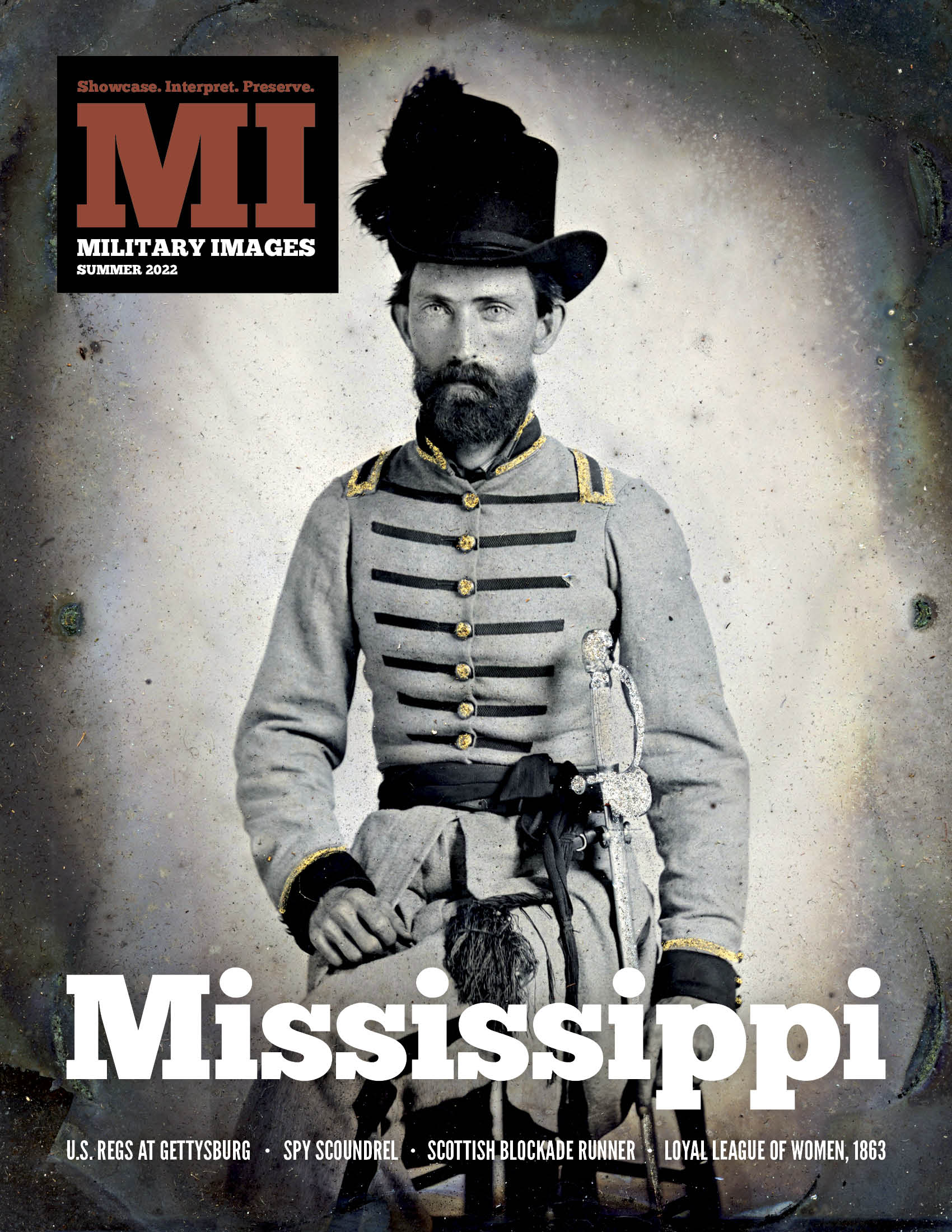
Cover image
A quarter-plate ambrotype from the Mathew L. Oswalt M.D. Collection of pictures a Mississippi soldier.

Table of Contents (p. 1)

Editor’s Desk (p. 2)
Can an original Civil War photograph become a non-fungible token (NFT)? Should it? The editor created one in an effort to answer these questions.

Mail Call (pp. 3-4)
Feedback includes information about Missouri’s Schofield Hussars and notice of the passing of Cary Delery, longtime proprietor of The Historical Shop.

Military Anthropologist (p. 4)
A survey of 869 identified Civil War military portraits reveals that ambrotypes dominate in the South, and cartes de visite were most popular in the North.

Passing in Review (pp. 6-8)
Bill Hendrick reviews Ends of War: The Unfinished Fight of Lee’s Army after Appomattox by Caroline E. Janney (University of North Carolina Press).

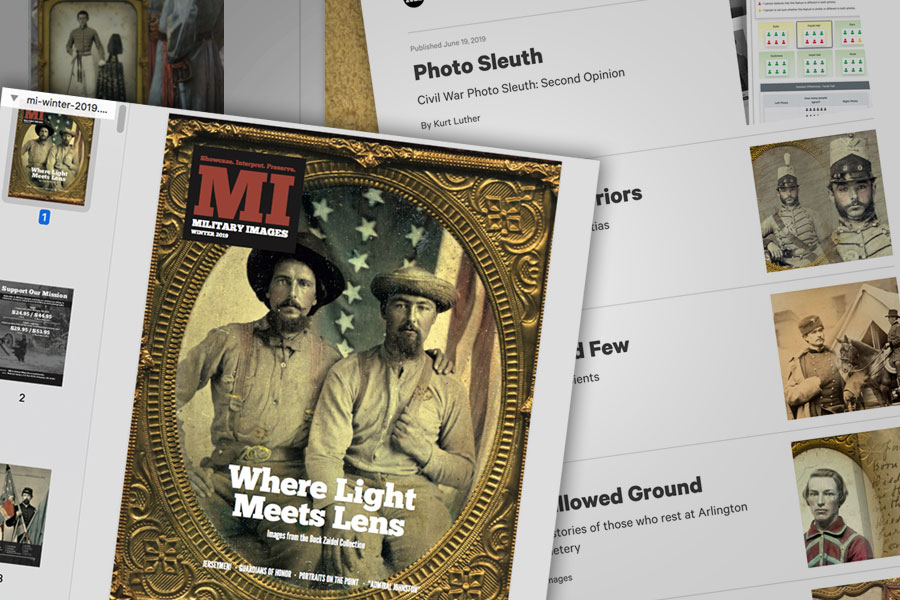
Photo Sleuth by Kurt Luther (pp. 10-12)
The National Portrait Gallery’s Civil War collection includes an image of three unidentified U.S. officers. The author investigates and identifies them.

Antebellum Warriors (p. 14)
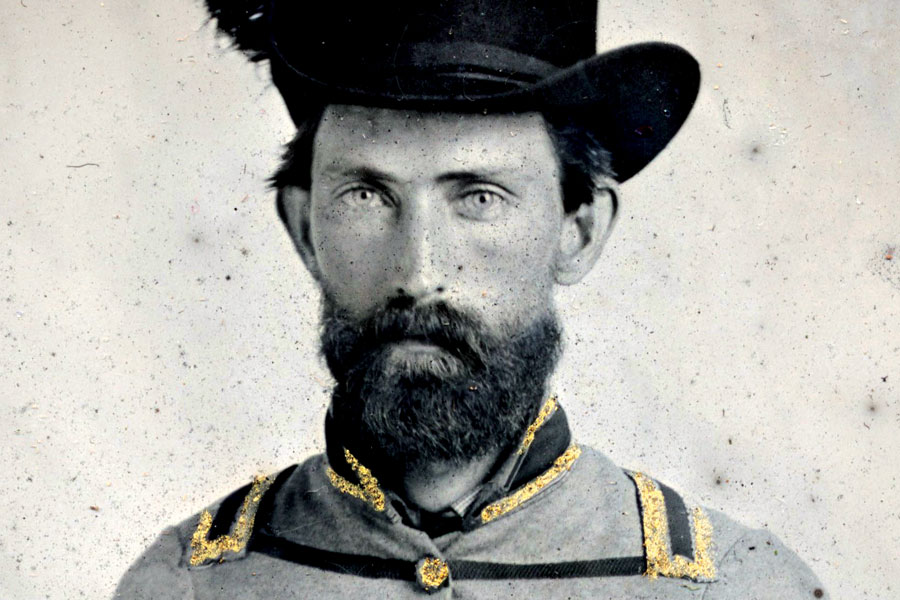
A daguerreotype of a soldier ornately dressed in gold braid reminds one of “Old Fuss and Feathers,” Winfield Scott. He may be a photographer-militia officer.

Most Hallowed Ground (p. 16)
Artworks picturing David Farragut lashed to Hartford’s rigging at Mobile Bay are accurate. The man who secured him is profiled here: John Crittenden Watson.

The Honored Few (p. 18)
Edward Washburn Whitaker of the 1st Connecticut Cavalry received a Medal of Honor for an 1864 act of courage, but it best know for Appomattox.

The Citizenry by Elizabeth A. Topping(p. 20)
In “Heroines of the Hearth,” the author pays tribute to women who contributed in many ways to support the troops and the country during the Civil War.

Fakes, Forgeries and Frauds by Perry M. Frohne (pp. 22-23)
Results of our “Fake Radar Contest” — a chance to test your knowledge of fake cartes de visite and win a prize!

Mississippi Faces: Portraits from the Matthew L. Oswalt, M.D., Collection (pp. 24-37)
Representative portraits and stories of Mississippi men who served in the Confederate army and fought in the Eastern and Western Theaters of the Civil War.

A Scottish Blockade Runner: The life and times of Joannes Wyllie, commander of the Ad-Vance by John F. Messner (pp. 38-41)
Much is known about the exploits of the blockade runner Ad-Vance, but very little about its captain, Joannes Wyllie — until now.

“How They Went Forth to the Harvest of Death”: A concise account of the U.S. Regular Infantry at Gettysburg by Charles T. Joyce, featuring images from the author’s collection (pp. 43-51)
The story of the diehard U.S. Regulars at the Battle of Gettysburg has been largely overlooked. This account reveals the trials and tribulations they endured.

Under the Banner of Emancipation and National Unity: The Woman’s National Loyal League and the call to political activism by Ronald S. Coddington, featuring an image from the Mike Werner Collection (pp. 52-57)
In 1863, loyal Union women led by Susan B. Anthony and Elizabeth Cady Stanton formed a new organization to support the war and lobby for a human rights agenda.

Scoundrel: The rise and fall of Union spy chief Lafayette Curry Baker by David B. Holcomb (pp. 59–67)
Lafayette C. Baker’s journey took him from San Francisco vigilante to Allen J. Pinkerton adversary to controversial spy chief and captor of Booth. His story.

Behind the Overlooked Stories of the Untold Civil War: Q@A with Paul Hoza (pp. 69-71)
The host of the popular podcast Untold Civil War talks about his fascination with history, the 79th New York Highlanders, and his media journey.

Material Culture by Frank Graves (p. 72)
The Walch Navy revolver is a rarity. By one estimate, only 200-300 were produced. Images of soldiers armed with the weapon are equally as rare. Here’s one.

Behind the Backdrop: Origins, artistry and photographers by Adam Ochs Fleischer (pp. 74-75)
In “House Near the Susquehanna,” Fleischer examines the distinctive painted canvas featured in photographs by Kern & Gaugler of Selinsgrove, Pa.

Vignette By Scott Valentine (p. 76)
In “Alone in His Glory,” we meet Lt. Col. Henry H. Pearson of the 6th New Hampshire Infantry. He made the ultimate sacrifice at Petersburg in 1864.

Stragglers (p. 78)
Portraits of a Texas officer, a Modoc War veteran, and a rare late Civil War daguerreotype of a U.S. soldier wearing a corps badge on his cap.

The Last Shot (p. 80)
Hardtack and coffee were standard fare for most U.S. soldiers in the Civil War — and the subject of ridicule to weary troops craving a varied diet.
Military Images Wins AHF Award

Congratulations to Paul Russinoff for winning an award of excellence in the prestigious Army Historical Foundation Distinguished Writing Awards. The annual competition honors books and articles published in 2021.

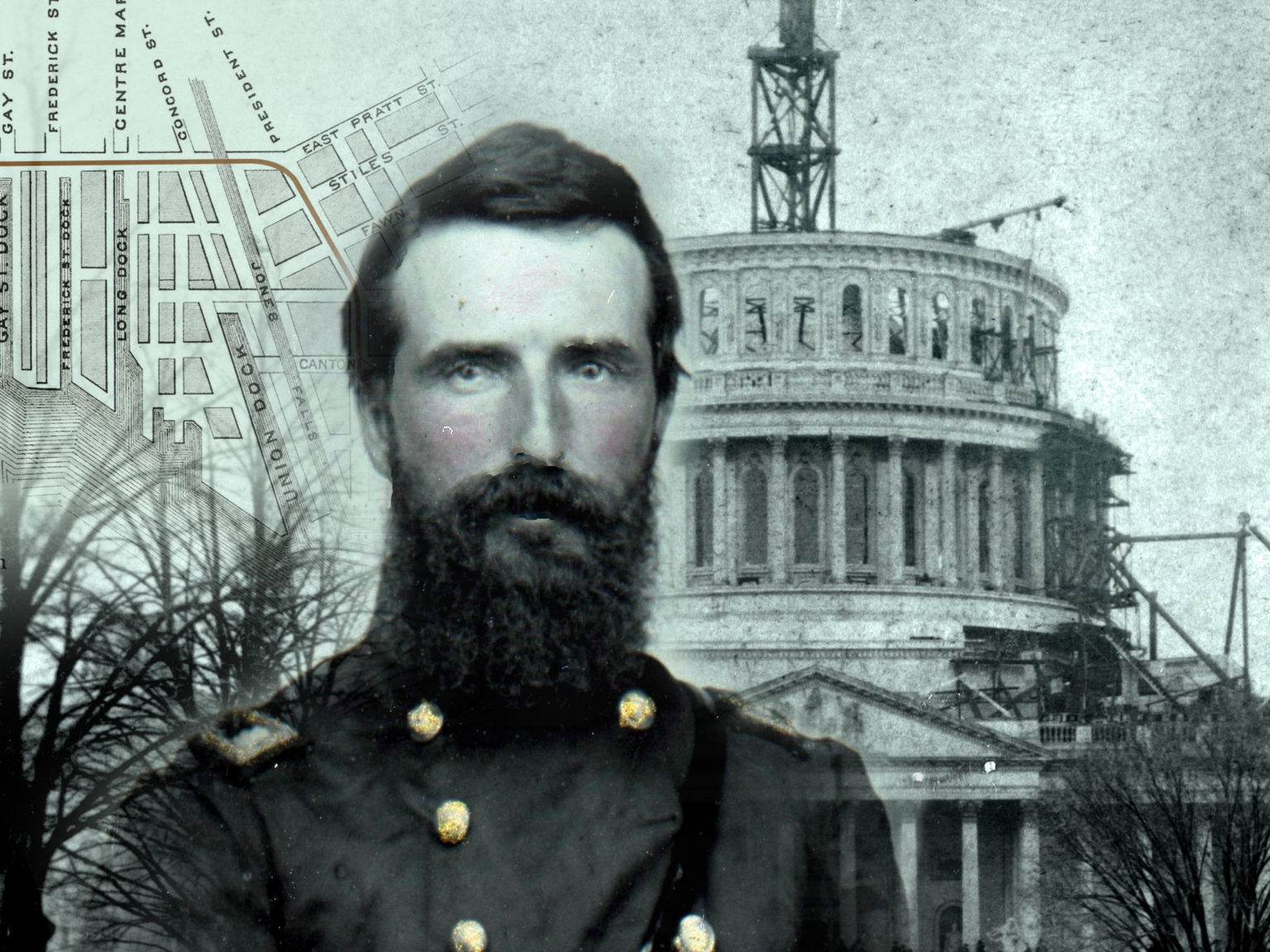
Paul won the top award in the Journals and Magazine category for “A Savior of the Capitol,” the cover story in our Spring 2021 issue. Paul tells the story of Benjamin Franklin Watson, a New Hampshire native who settled in Lowell, Mass., before the war. He served in the 6th Massachusetts Infantry when the regiment received orders to report to Washington, D.C., during the days following the rebel attack on Fort Sumter. Paul details Watson’s rise from a respected leader in Lowell to his leadership of the regiment as it journeyed through hostile mobs in Baltimore to sleeping in the U.S. Capitol and beyond. The story is illustrated with portraits of Watson and others. The honor includes a plaque and $250 cash award.

Another Military Images story was a finalist. Patrick Naughton’s “Case Number 16: A respected Delaware lieutenant’s experience offers insights into how commanders can treat honor and pride,” also appeared in our Spring 2021 issue.

Read the official press release.

Congratulations!

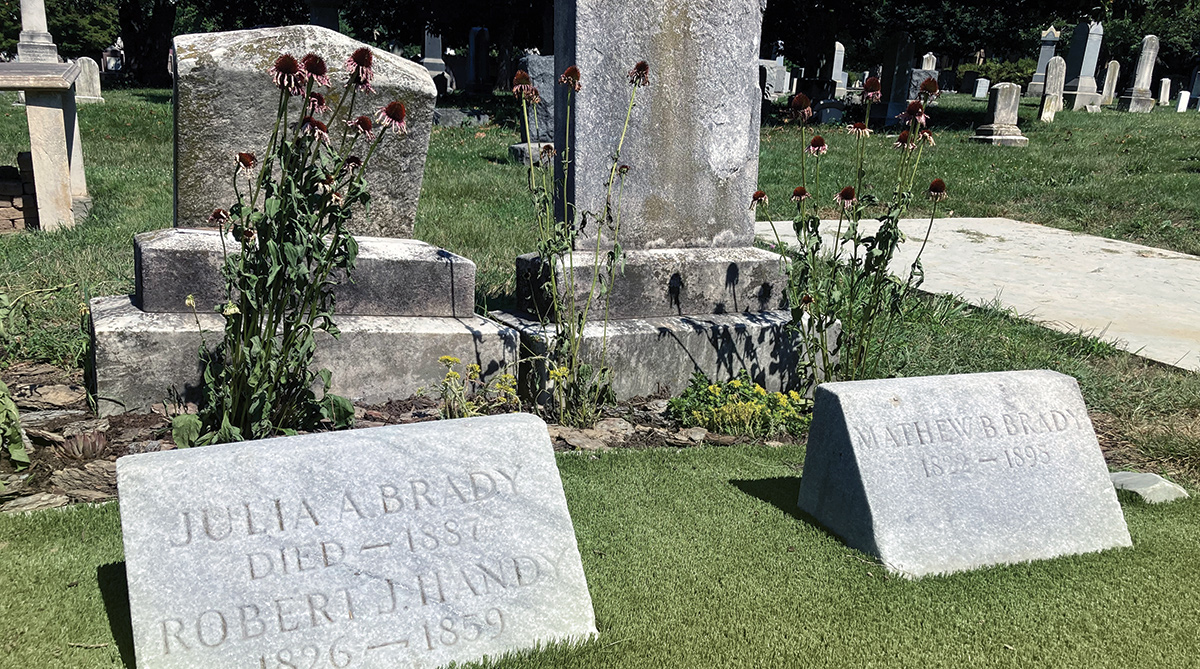
A New Mathew Brady Memorial

Historic Congressional Cemetery in Washington, D.C., the final resting place of Mathew Brady, will be home to a new memorial honoring the Father of Photojournalism. The Mathew Brady/Levin Handy Memorial is the culmination of the vision of Larry J. West, a collector of 19th century photography. The Smithsonian Institution acquired 286 items from West’s collection last year.

The new memorial will be adjacent to Mathew Brady’s burial plot at Historic Congressional Cemetery.

The new memorial is a unique interactive space featuring bronze statues of Abraham Lincoln, Frederick Douglass, and Brady’s camera. It also features more than 80 fired porcelain, artisanal Italian ceramic images, including a life-size ceramic of Brady. As Larry notes, the memorial honors Brady as a “pioneer photographer, technical innovator, entrepreneur, photo team leader and recorder of American history.”

It will be unveiled later this year.

For more information about the memorial and the dedication ceremony, contact BradyMemorial200@gmail.com.

Learn more about the origins and planning of the memorial in “The Camera Is the Eye of History”: A new memorial in Washington, D.C., honors Mathew Brady.

Research Rabbit Hole: Backdrop Business

A new episode of Research Rabbit Hole, our Facebook Live show, premiered Monday evening, May 3, at 9 p.m. ET.

Season 1, Episode 9, is focused on backdrops, one of the great clues to help trace the photographers who used them—and, with a little grit, determination, and luck, maybe identifying the unknown face looking back at you. But where did photographers get those backdrops? We’ll shed some light on this question.

The full season is available on YouTube.

New episodes of Research Rabbit Hole premier every two weeks on our Facebook page. The host, Ronald S. Coddington, is Editor and Publisher of Military Images.

Research Rabbit Hole: Inside an Iron Brigade Pension

A new episode of Research Rabbit Hole, our Facebook Live show, premiered Monday evening, April 19, at 9 p.m. ET.

Season 1, Episode 8, is focused on a soldier who served in the storied 2nd Wisconsin Infantry, an Iron Brigade regiment that made its name at Gettysburg and other major Civil War battles. The 2nd paid a high price in casualties, including Sgt. Theodore Dosch Bahn of Company H. A look inside his pension file provides details about his military service—and reveals the value of these unique documents as a research tool.

The full season is available on YouTube.

New episodes of Research Rabbit Hole will be released every two weeks on our Facebook page. The host, Ronald S. Coddington, is Editor and Publisher of Military Images.

Research Rabbit Hole: Posing 101

Research Rabbit Hole

A new episode of Research Rabbit Hole, our Facebook Live show, premiered Monday evening, April 5, at 9 p.m. ET.

Season 1, Episode 7, provides answers to a deceptively simple question: Ever wondered why and how Americans of the 1860s posed for portraits? In this episode, we review instructions by traveling photographer B. Bradley to his patrons to help them make the most of their visit, and guidelines suggested by master daguerreian pioneer Marcus Aurelius Root in his 1864 photographer’s handbook, The Camera, and The Pencil.

The full season is available on YouTube.

New episodes of Research Rabbit Hole will be released every two weeks on our Facebook page. The host, Ronald S. Coddington, is Editor and Publisher of Military Images.

Research Rabbit Hole: Glass Negative Greenhouses

A new episode of Research Rabbit Hole, our Facebook Live show, premiered Monday evening, March 9, at 9 p.m. ET.

Season 1, Episode 5, examines a persistent story about Civil War photographers who, long after the end of hostilities, sold glass plate negatives of battlefields, famous generals and Abraham Lincoln as scrap glass later used in greenhouses. They gradually faded away—ironically destroyed by the very sunlight responsible for image creation. The story has been told by many, including Ken Burns. Did photographer’s really sell their negatives?

The full season is available on YouTube.

New episodes of Research Rabbit Hole will be released every two weeks on our Facebook page. The host, Ronald S. Coddington, is Editor and Publisher of Military Images.

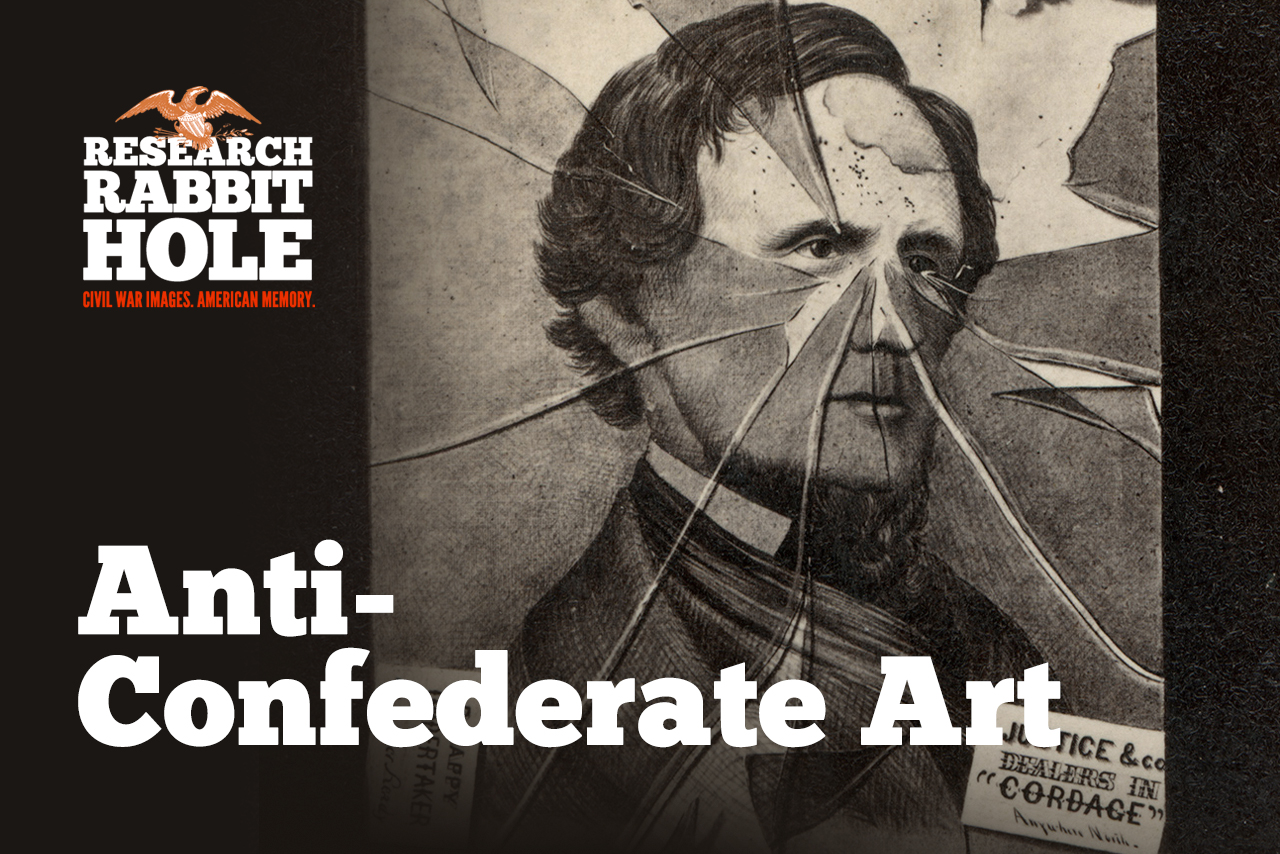
Research Rabbit Hole: Anti-Confederate Art

A new episode of Research Rabbit Hole, our Facebook Live show, premiered Monday evening, January 25, at 9 p.m. ET.

Season 1, Episode 2, examined a carte de visite titled “The Neglected Picture,” a painting by Port Jefferson, N.Y., artist William Moore Davis.

The full season is available on YouTube.

New episodes of Research Rabbit Hole will be released every two weeks on our Facebook page. The host, Ronald S. Coddington, is Editor and Publisher of Military Images.

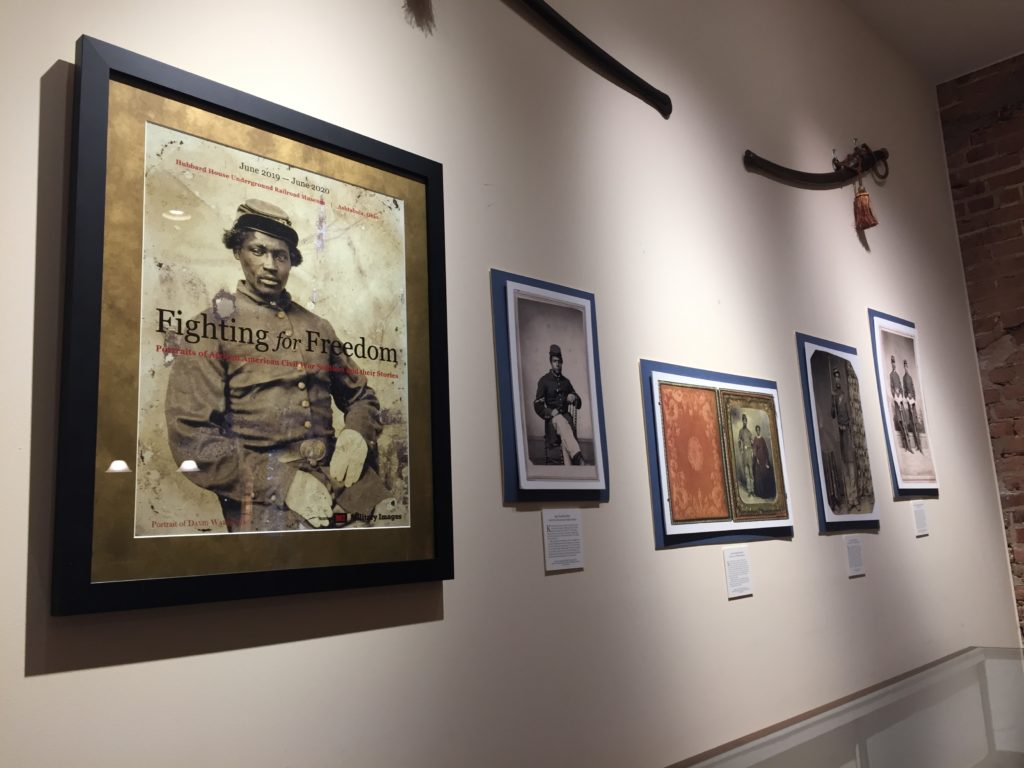
Traveling Exhibit: Fighting for Freedom

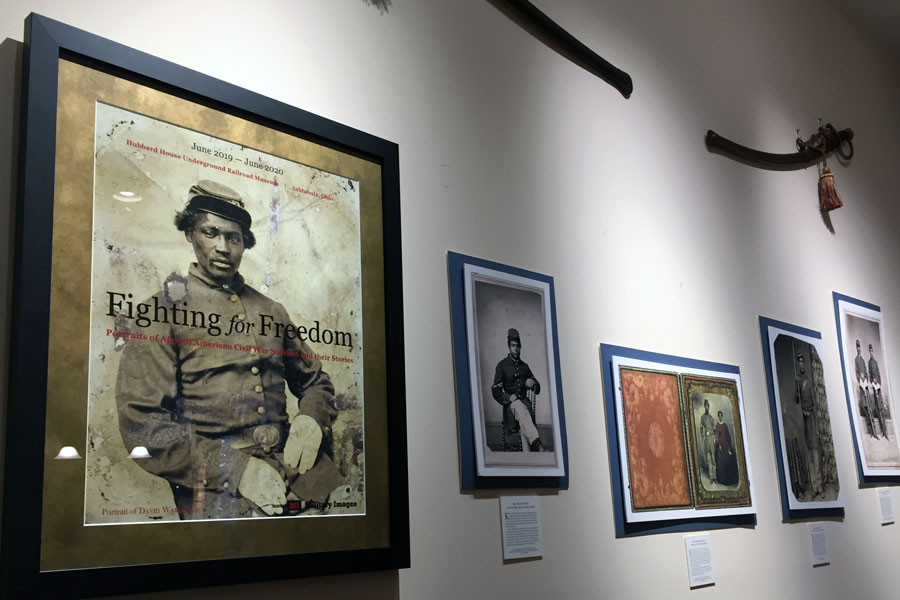
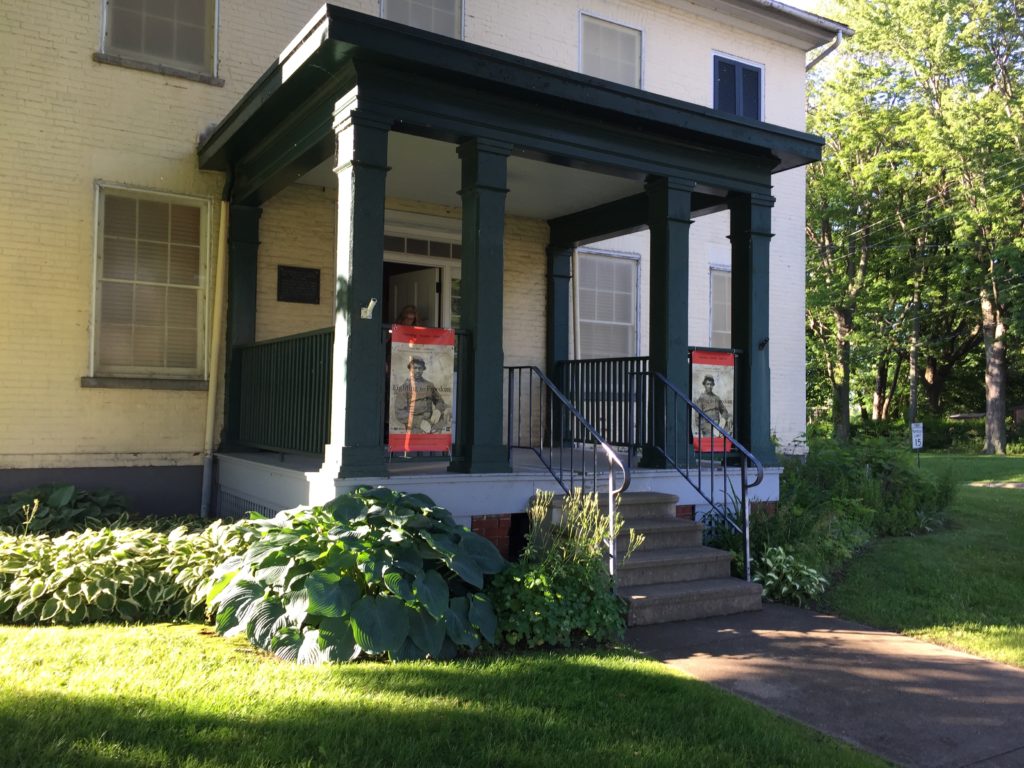
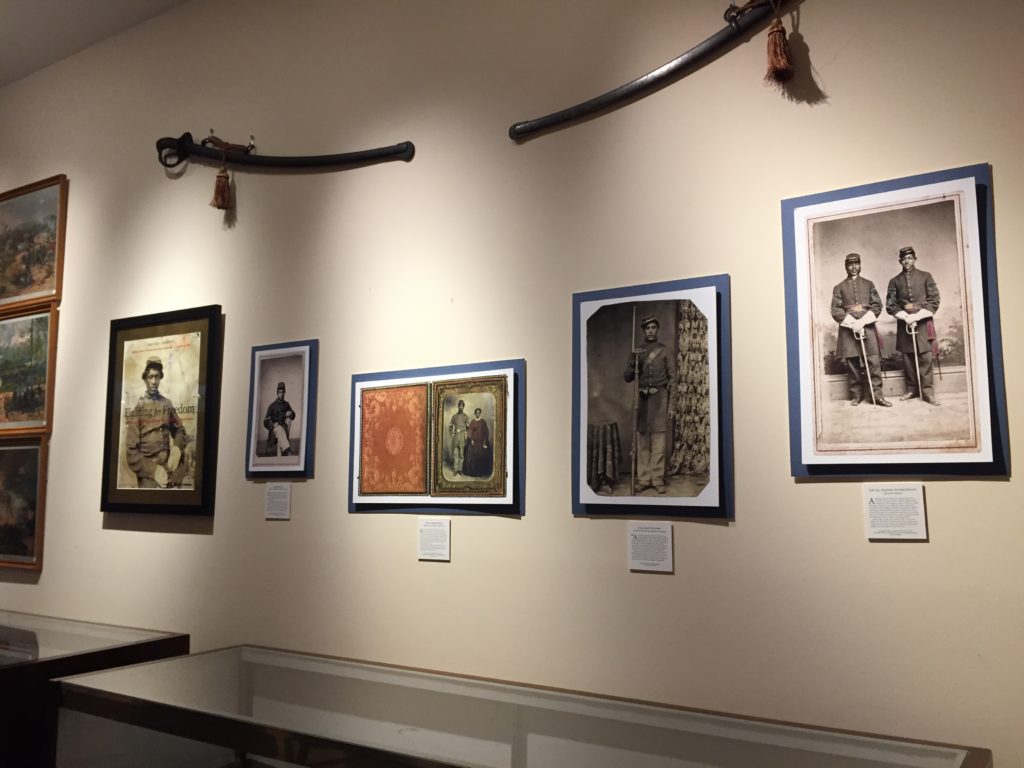
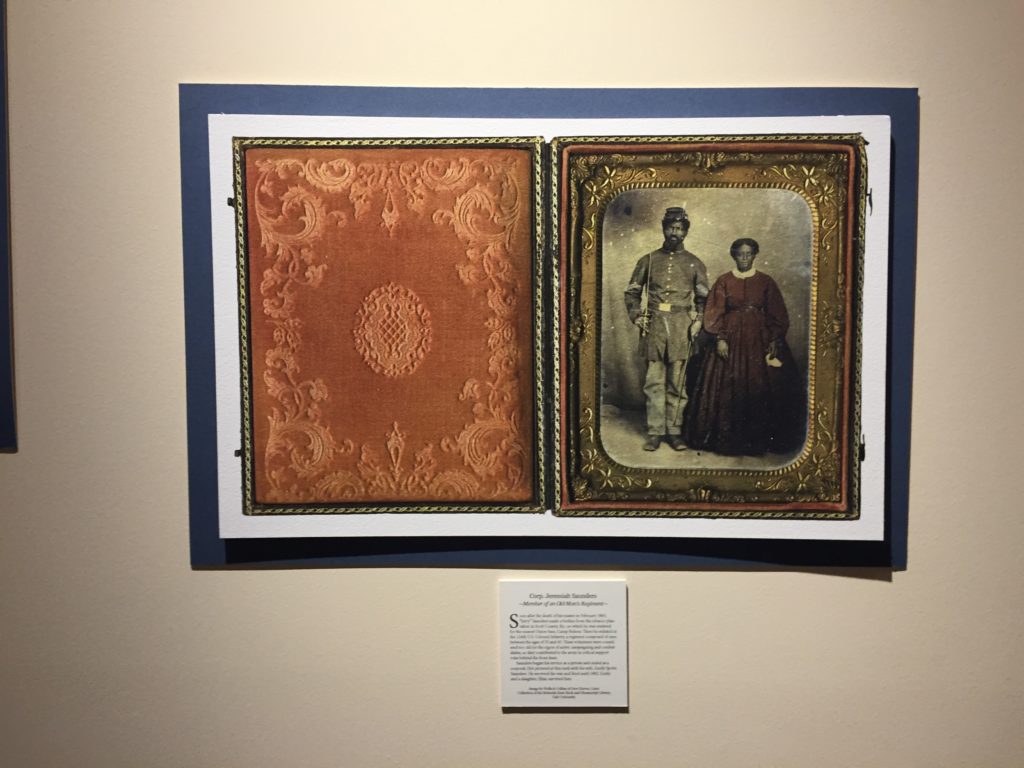
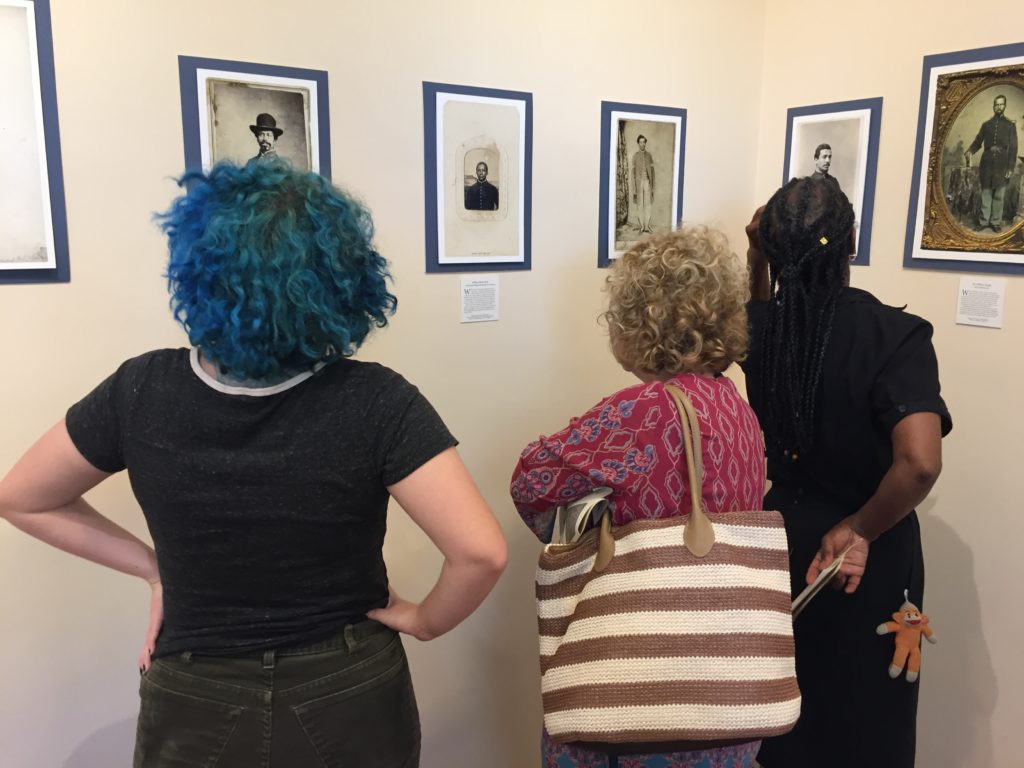
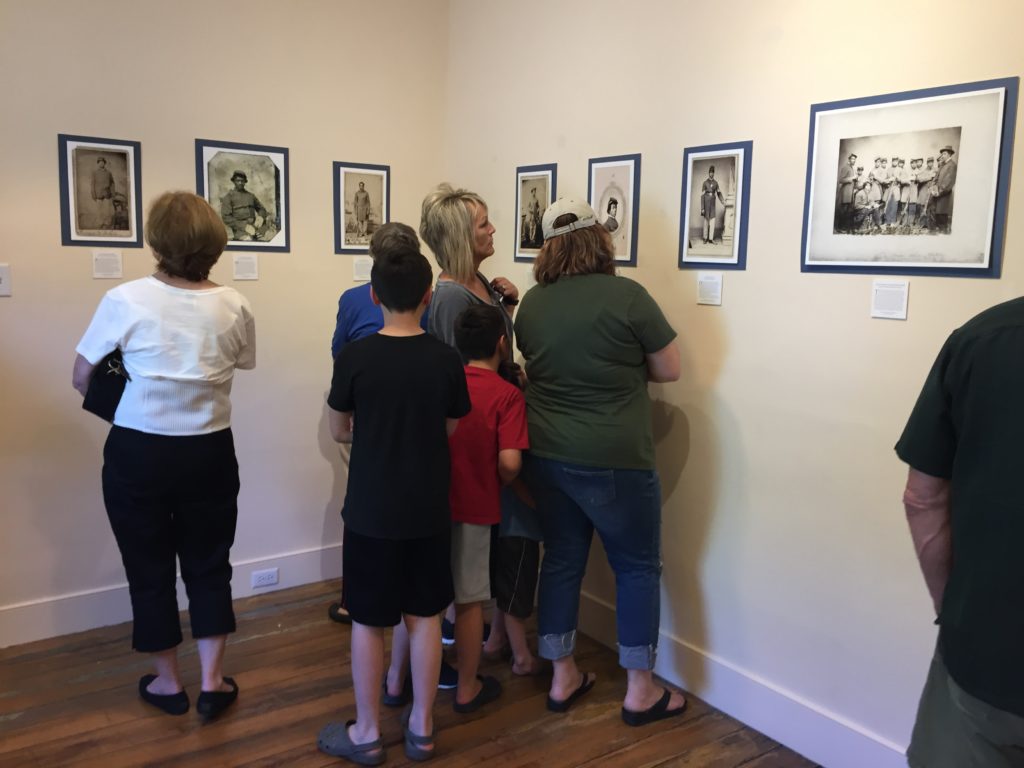
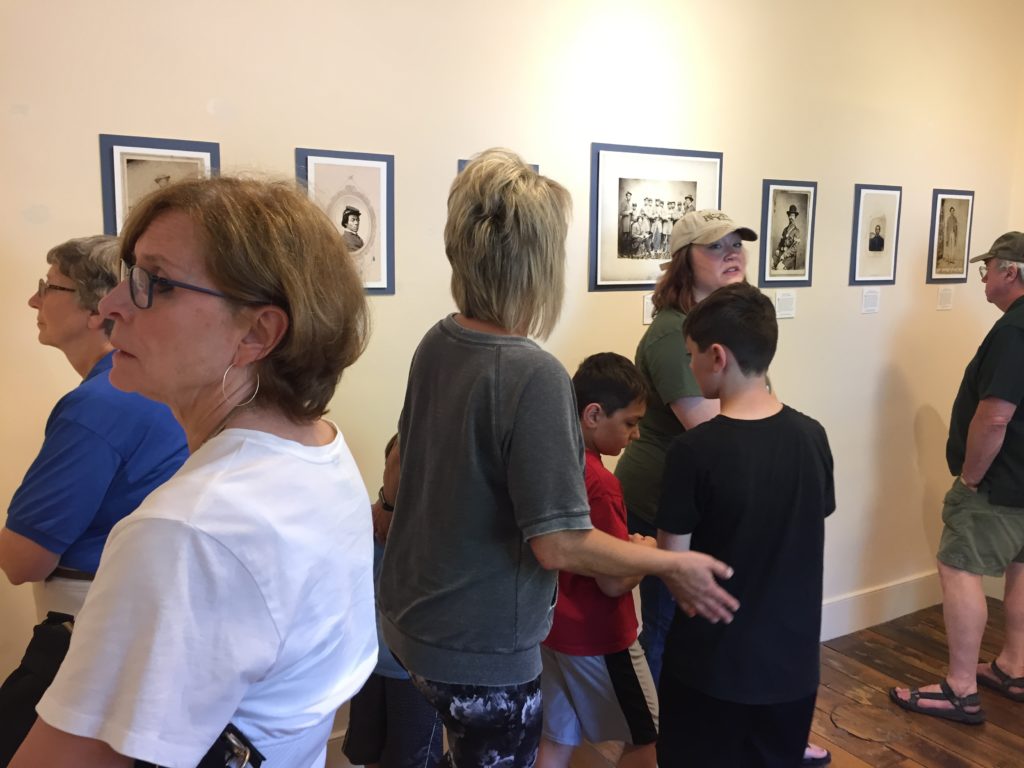
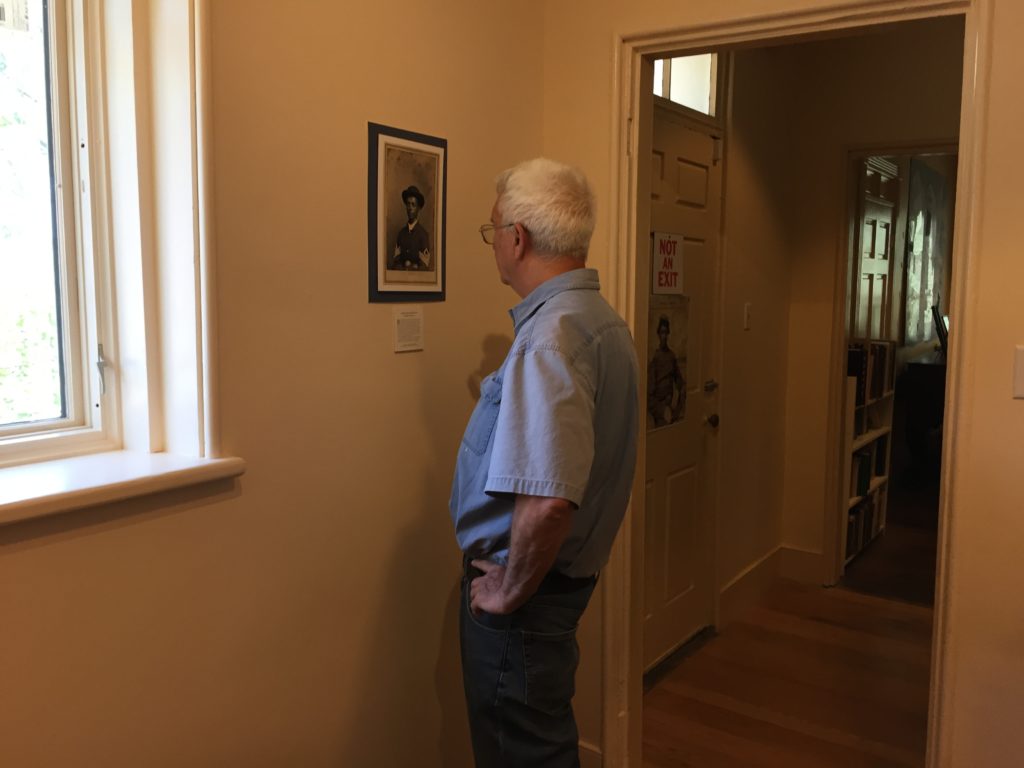
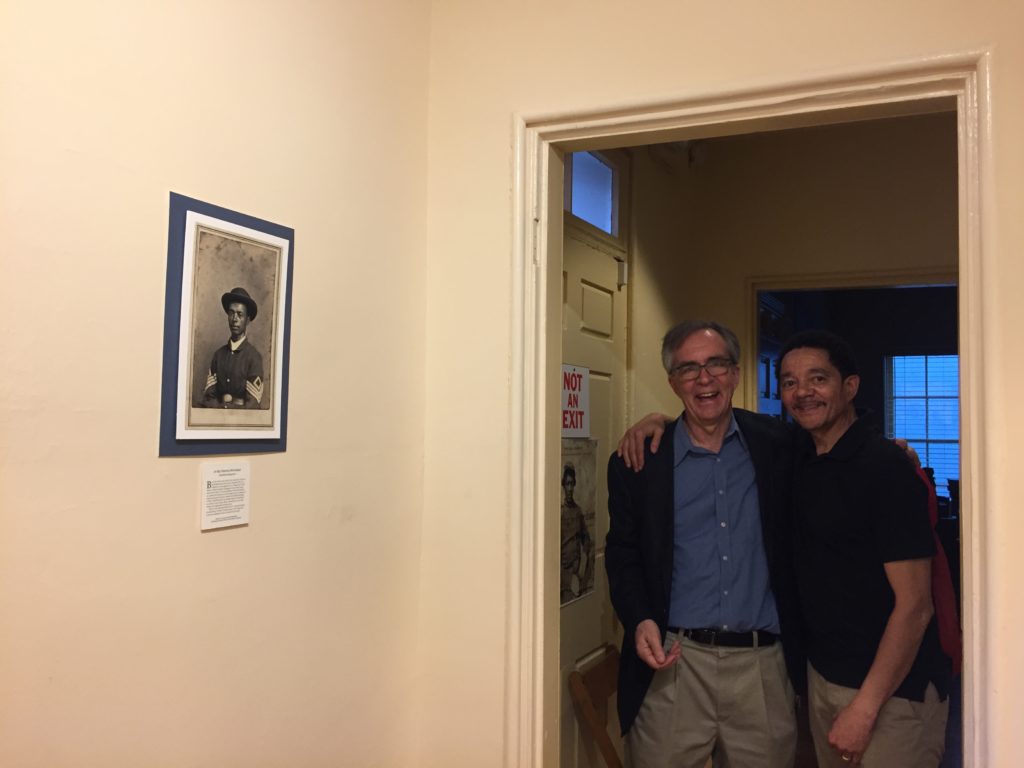
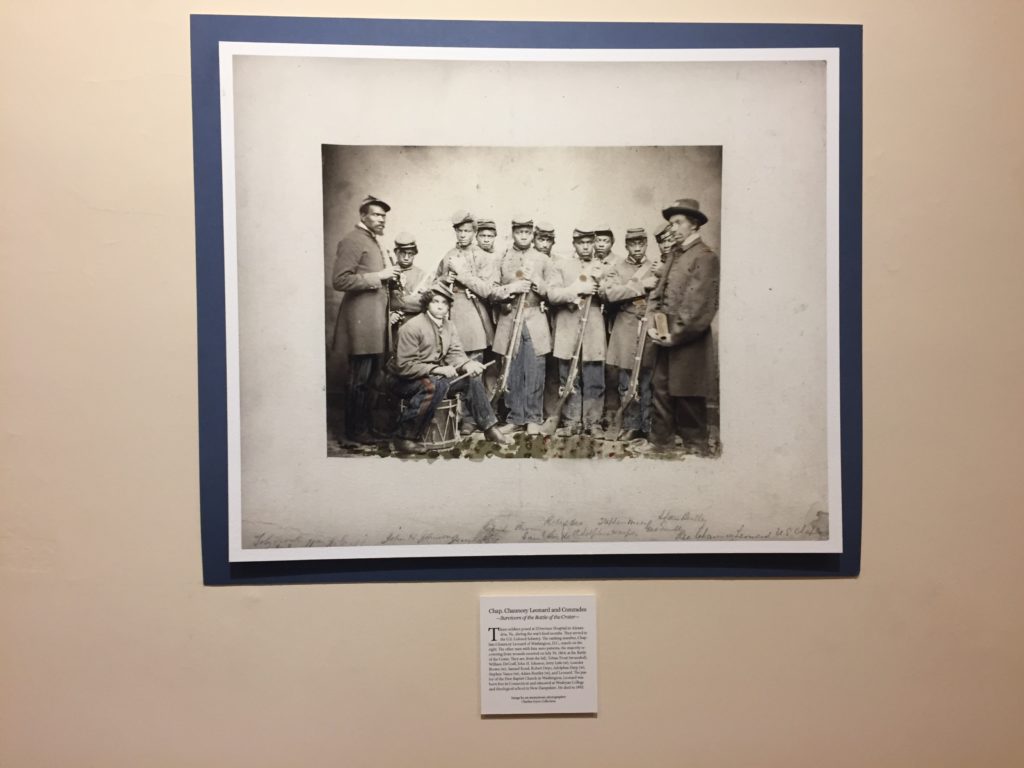
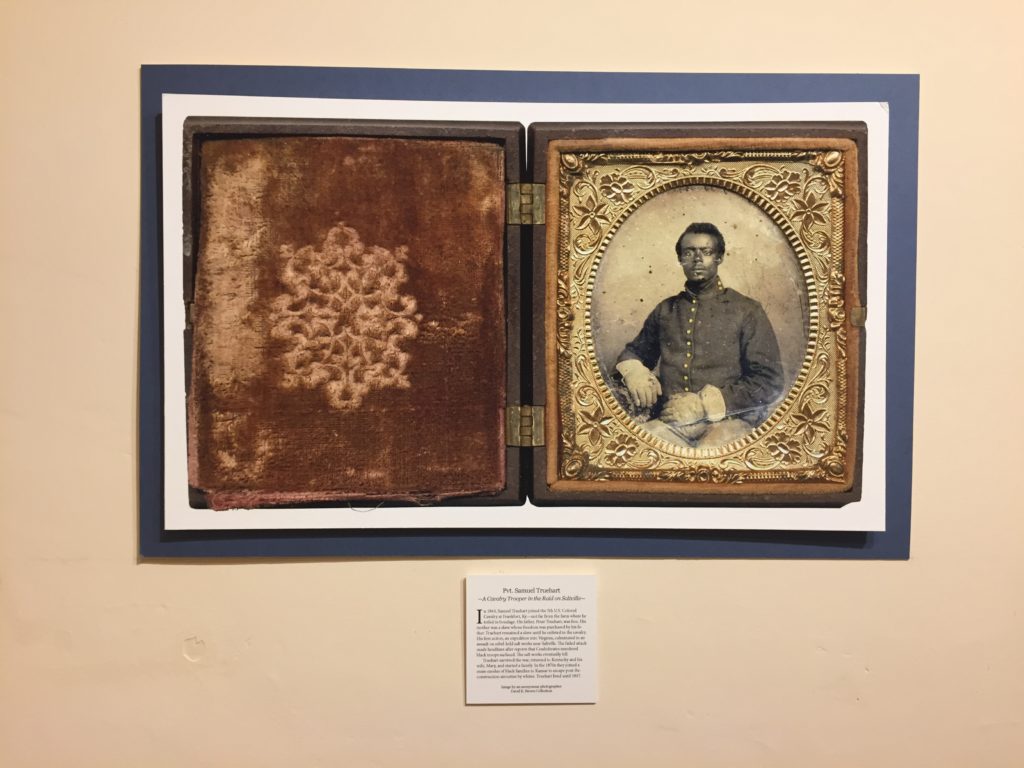
Museum-quality prints of 22 Images of African American Civil War soldiers pictured in a gallery published in last summer’s issue of MI and elsewhere were displayed in our first-ever traveling exhibit. The first stop for this unique group was the last stop for slaves fleeing to freedom along the Underground Railroad to Canada—the Hubbard House in Ashtabula, Ohio. Located along Lake Erie is northeast Ohio, the town marked the opening of the exhibit with a two-day event last weekend. Music, dramatic readings, a visit from Buffalo Soldiers bikers, and of course the portraits, each with a caption that tells the soldier’s story. Many thanks to all the collectors who shared their images for this event. They include Kevin Canberg, Greg French, Chuck Joyce, Paul Loane, Steve Meadow and Paul Russinoff.

Special thanks to Lisa Burroughs, who played a leading role in conceiving and organizing the event, the staff and volunteers of the Hubbard House, and the city of Ashtabula for turning out to see these powerful photographs that are such an important part of our nation’s story.

Read coverage from the Ashtabula Star Beacon.

Images from the exhibit will be on display for the next year.

tabula

New Subscription Option: The Digital Edition

If you want the images and stories in Military Images but do not need the paper, our digital subscription is for you. Get a PDF of the quarterly print edition delivered to your email inbox and access to our password protected premium web version all for $19.95 per year.

This option joins two other ways to get Military Images—print and print + digital. Now you have three ways to receive our content. Visit our subscribe/renew section to subscribe.