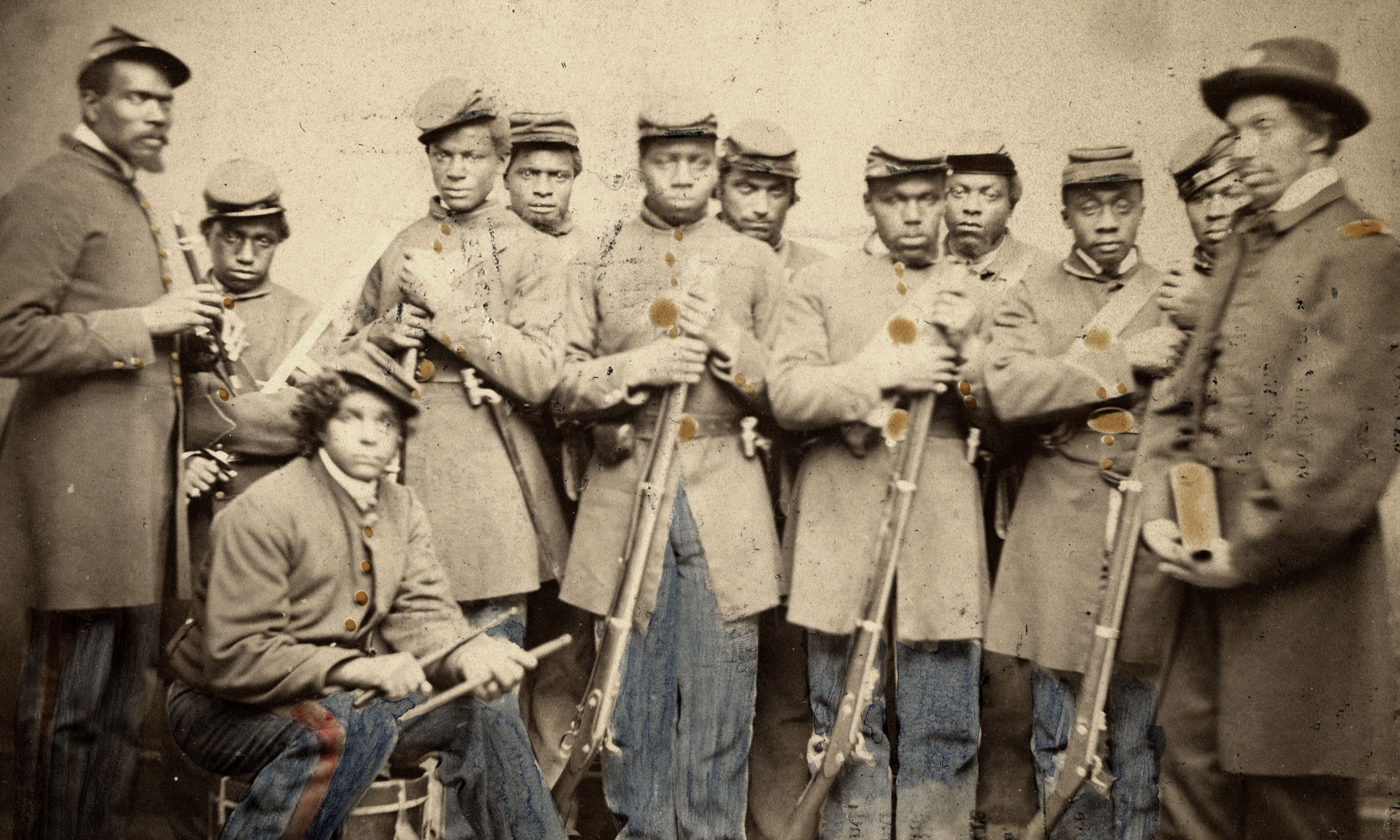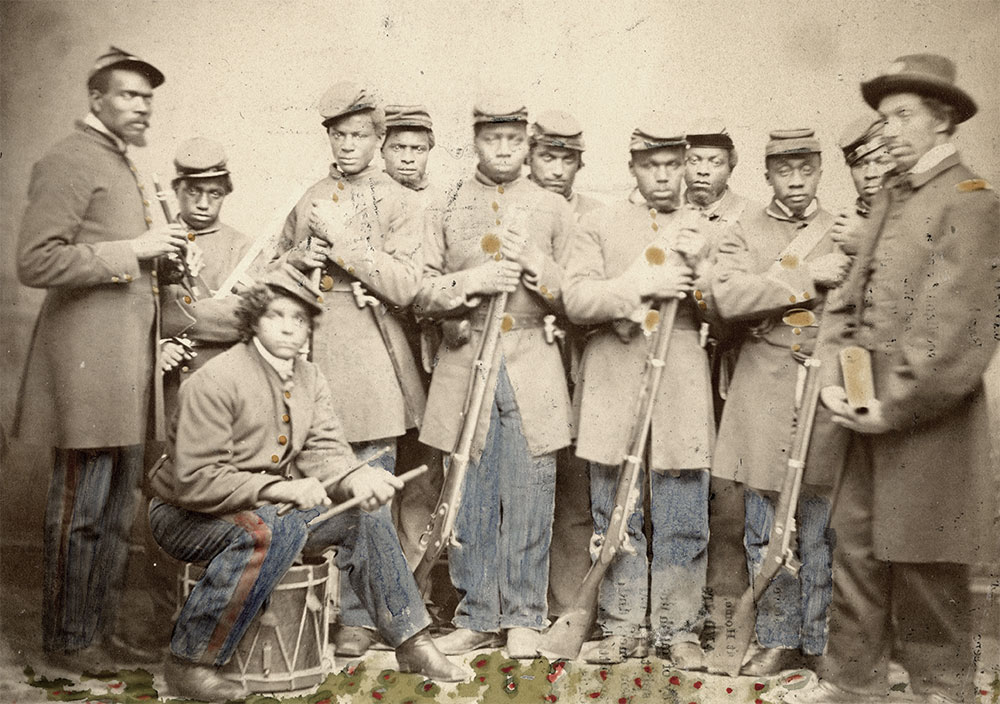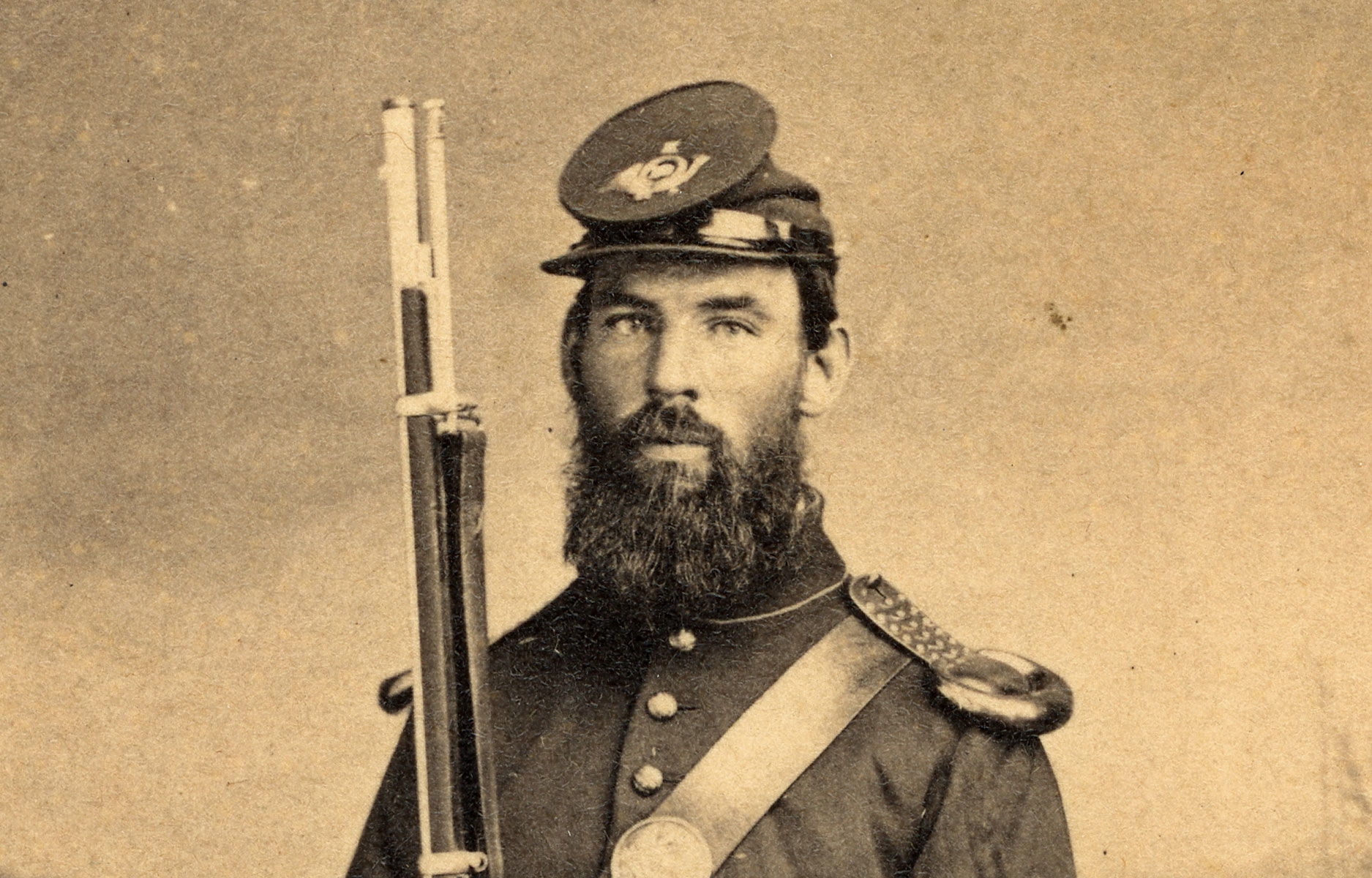
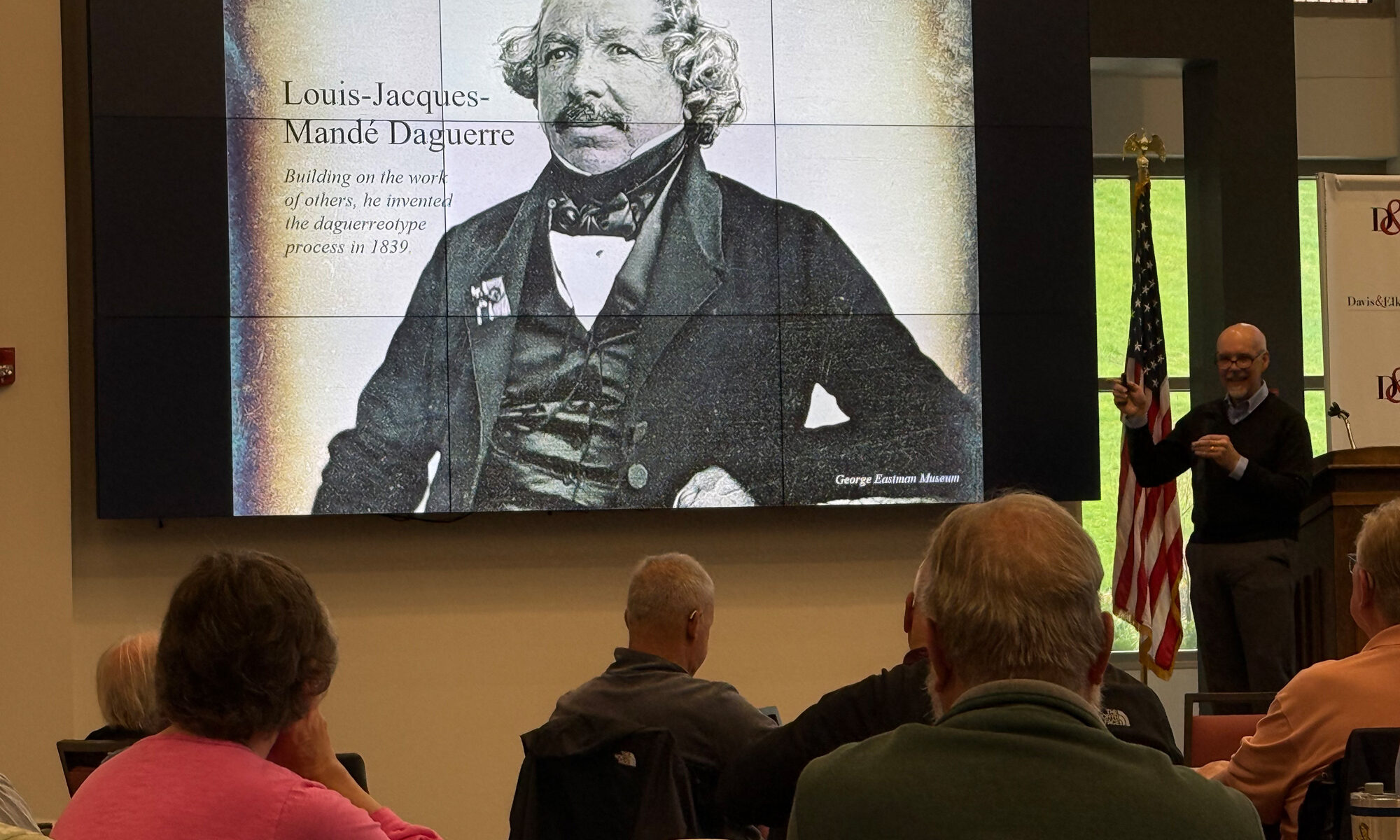
I was honored to attend and represent Civil War portrait photography in all its forms—daguerreotypes, ambrotypes, tintypes, cartes de visite, and other albumen prints—at the recent symposium, “Chronicling the Fight: Art & Photography of the Civil War,” presented by The Rich Mountain Battlefield Foundation and Davis & Elkins College in Elkins, W. Va.
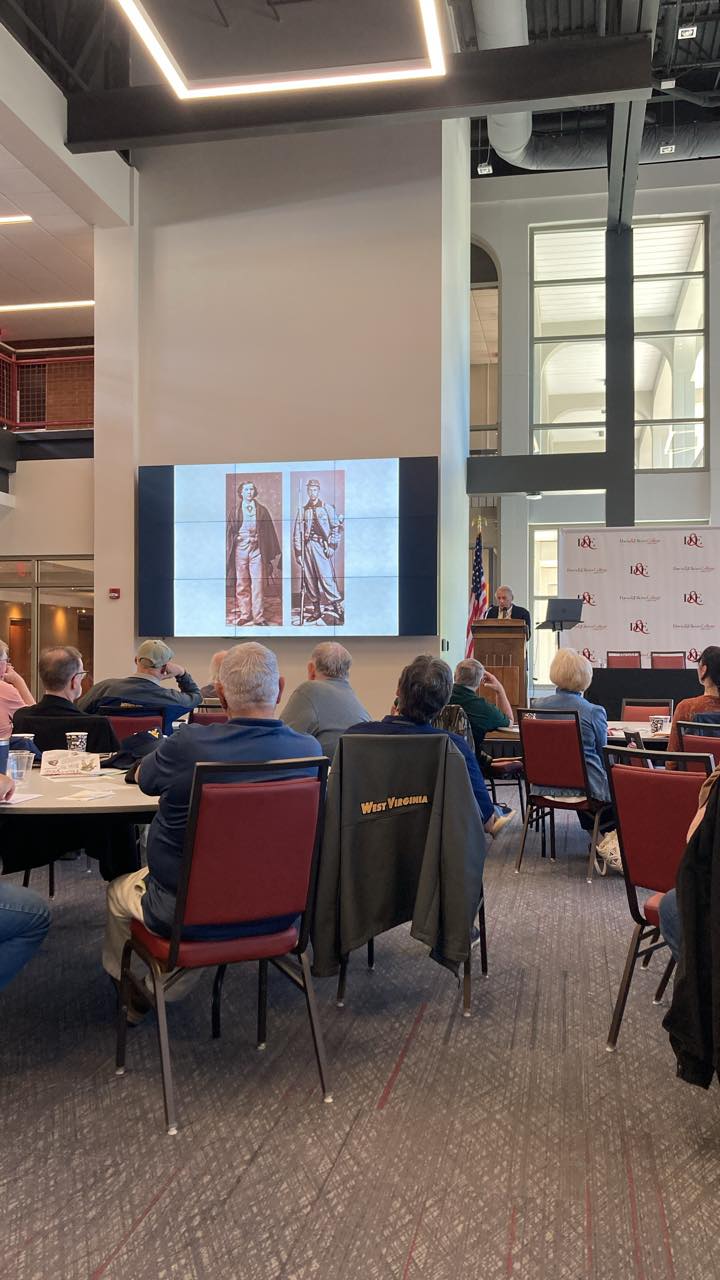
Held near the historic Rich Mountain battlefield, the setting placed us squarely on ground tied to the 1861 Western Virginia Campaign—an early and decisive phase of the war that helped secure the region for the Union and set the stage for the creation of West Virginia. You students of the Civil War know the names associated with this campaign: George B. McClellan, whose success here helped launch his national reputation; William S. Rosecrans, whose flanking movement at Rich Mountain proved decisive; Lew Wallace, then early in his wartime service; and Robert E. Lee, whose struggles in the rugged terrain marked one of the few setbacks in his military career.
My sincere thanks to Rick Wolfe for the invitation and to the entire team at Davis & Elkins for their warm welcome and thoughtful hospitality. The setting, organization, and attention to detail made for an outstanding experience from start to finish.
The symposium itself was exceptionally well structured: four engaging presentations spaced comfortably throughout the day, a welcome lunch break that encouraged conversation, and a terrific panel discussion that brought all the speakers together for a lively and insightful exchange.
My fellow presenters inspired me: Rick Wolfe on “Photos and Stories of West Virginia Soldiers,” Hunter Lesser discussing “Artists at War: The First Campaign,” and the legendary Cliff Krainik sharing his knowledge about “The Incomparable Civil War Photographer, Mathew B. Brady.”
Last but not least, I very much appreciated the audience—curious, engaged, and asking thoughtful questions that elevated the discussion. The combination of venue, pacing, and participation created a comfortable atmosphere. I left energized!
For more about the Rich Mountain Battlefield and its history, visit: https://beverlyheritagecenter.org/rich-mountain-battlefield/