Finding Aid: Autumn 2019

The complete issue

Vol. XXXVII, No. 4
(80 pages)

Print edition: Visit our store to check availability
Digital edition: Visit JSTOR.org to purchase
Subscribe to MI ($24.95)
Explore the MI Archives: Browse | Advanced search | Tutorial

Inside

Cover image
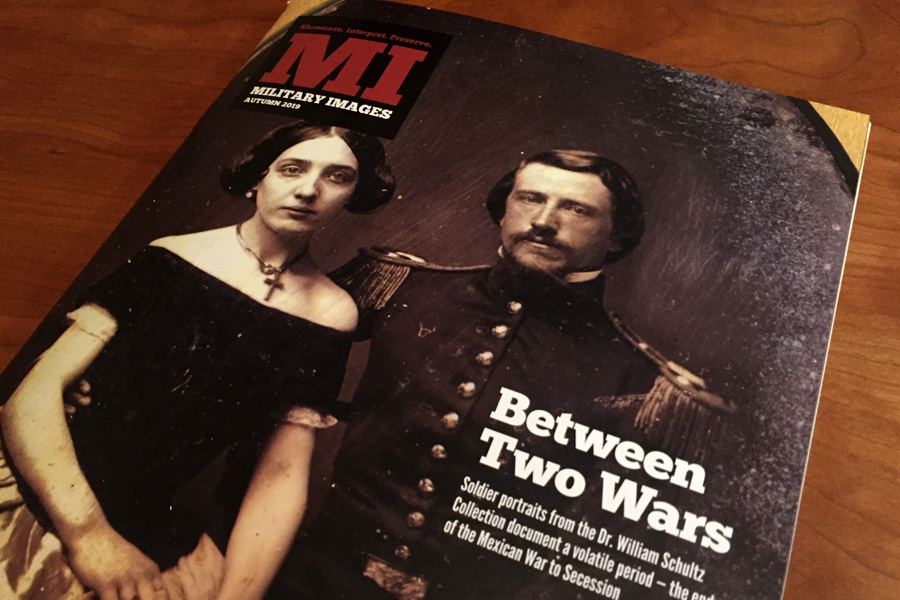
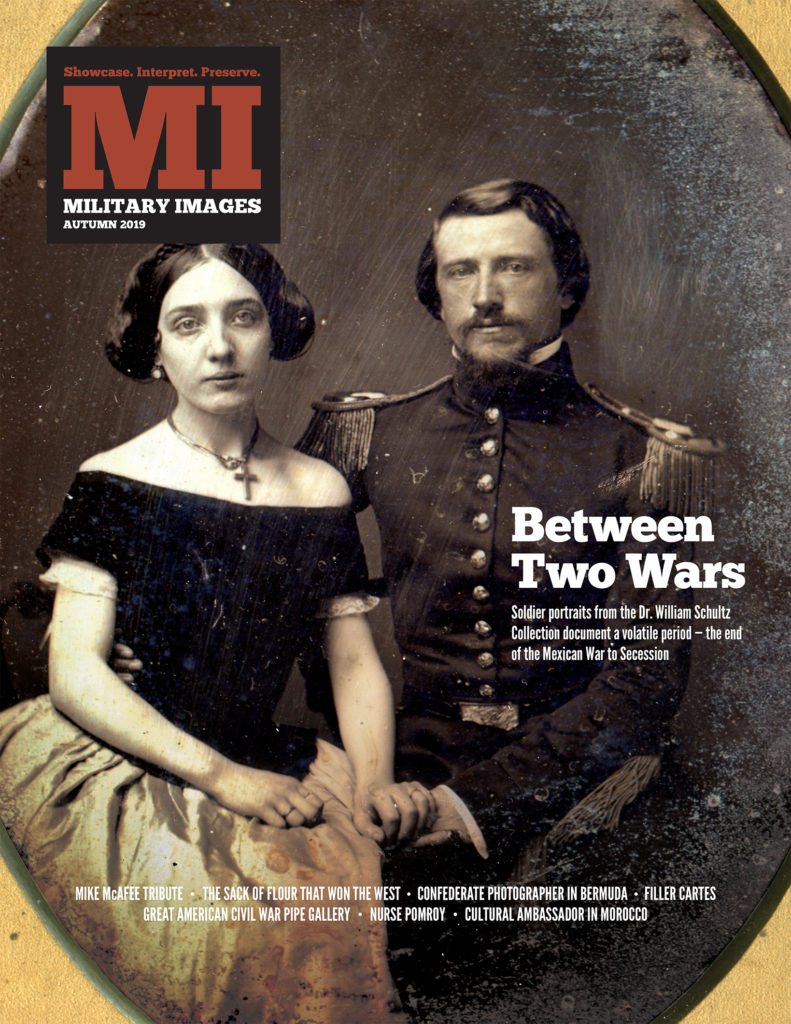
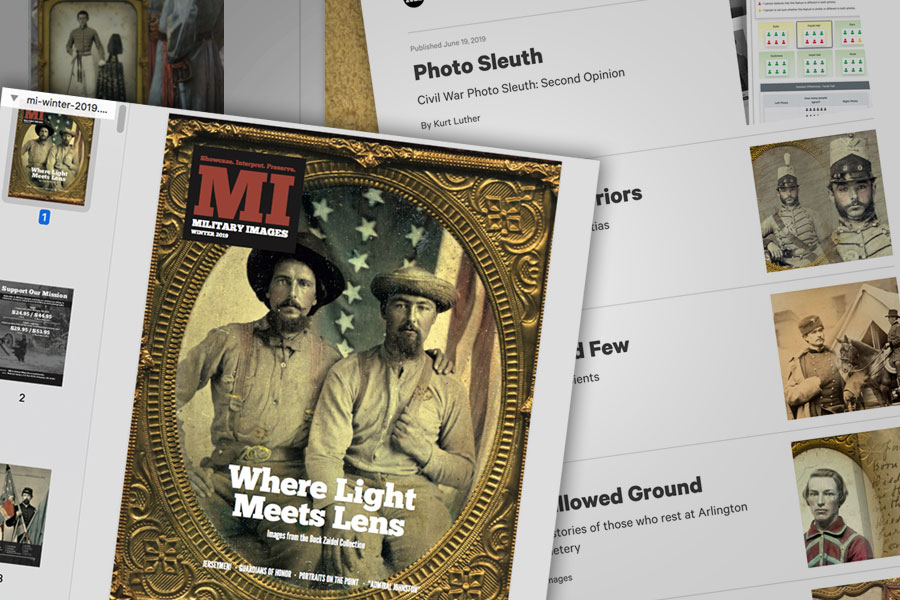
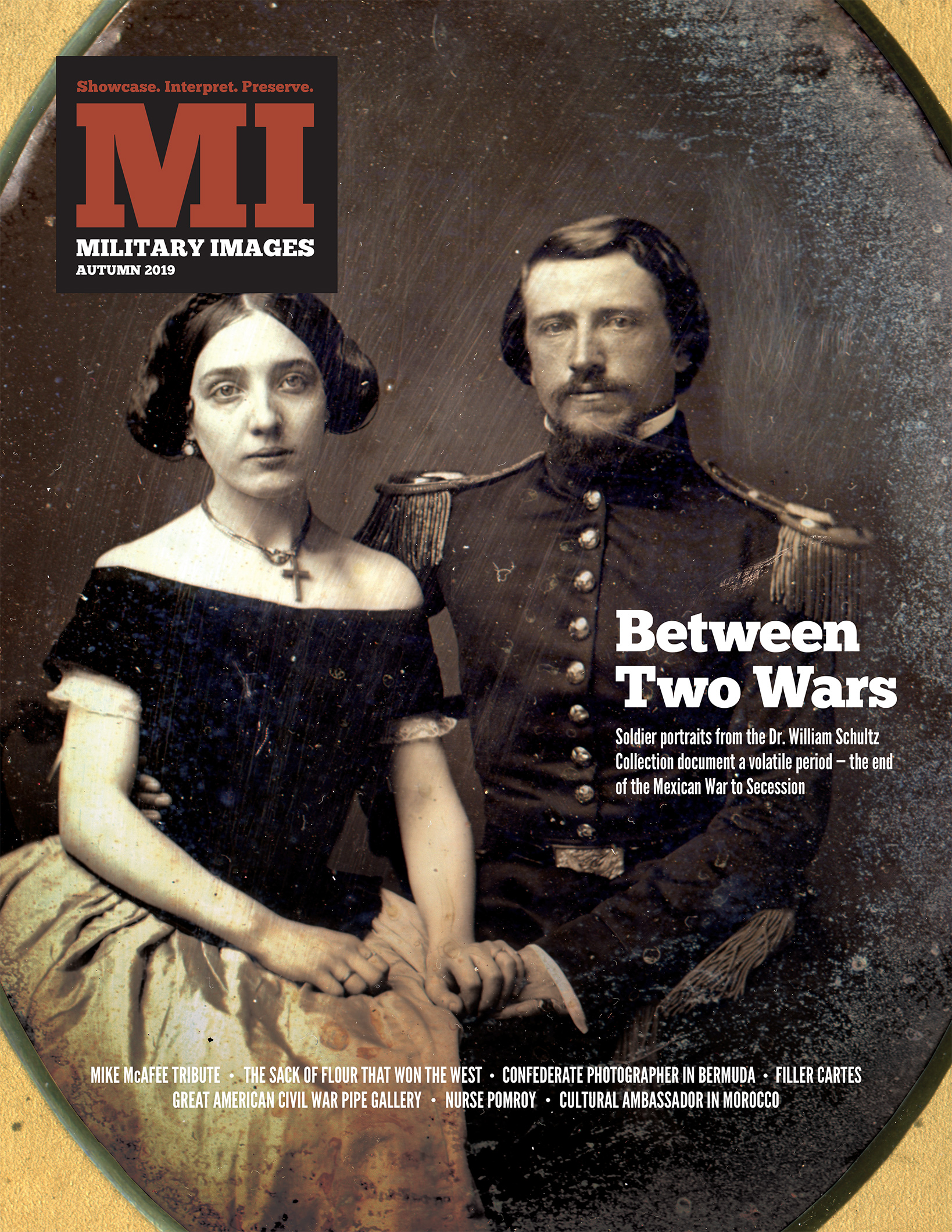
A sixth-plate daguerreotype from the Dr. William Schultz Collection pictures an officer wearing an 1851 regulation dress uniform and a woman who wears a cross around her neck.
Download (free)

Table of Contents (p. 1)
Download (free)

Editor’s Desk (p. 2)
The editor recalls to the late Michael J. McAfee, a longtime columnist for MI and a giant in the community of collectors.
Download (free)

Mail Call (pp. 3-4)
Feedback includes tributes to Mike McAfee, the backstory about the discovery of the daguerreotype of general and future president Franklin Pierce published in the last issue.
Download (free)

Military Anthropologist (p. 4)
A look at the number of active duty army and navy personnel in the U.S. military between 1848 and 1861.

Passing in Review (p. 6)
Behind the Rifle: Women Soldiers in Civil War Mississippi by Shelby Harriel (University Press of Mississippi), and The Maryland Brigade by Daniel Carroll Toomey (Toomey Press).
Download (free)

Photo Sleuth by Kurt Luther (pp. 8-10)
In “Evidence-Based Tips for Using Civil War Photo Sleuth,” Kurt discusses how two forms of automation, face recognition and filtering military records, eliminate potential portraits and narrow the possible choices to identify an individual.

Antebellum Warriors (p. 12)
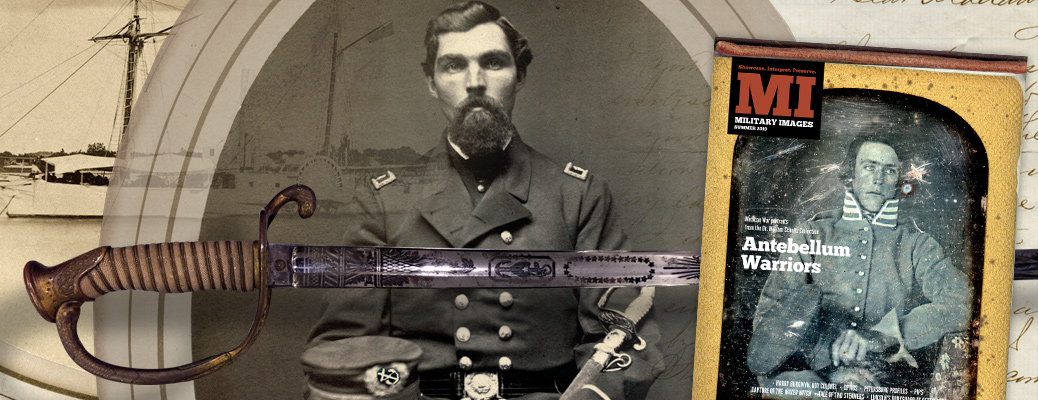
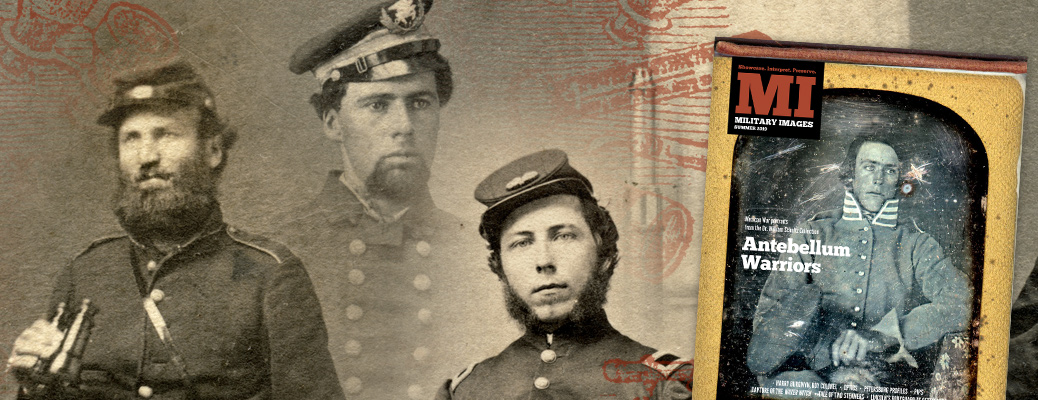
A sixth-plate daguerreotype from the Dr. William Schultz Collection is a portrait of an infantryman dressed in the blue fatigue jacket from 1836 and a Model 1840 officer’s sword.

The Honored Few (p. 14)
Samuel Cole Wright suffered numerous wounds and injuries during his four years in uniform with the 3rd and 29th Massachusetts infantries. During his service in the last-named regiment, he was wounded in both legs during the fighting at the Battle of Antietam’s Bloody Lane. He received the Medal of Honor for his courage.

Most Hallowed Ground (p. 14)
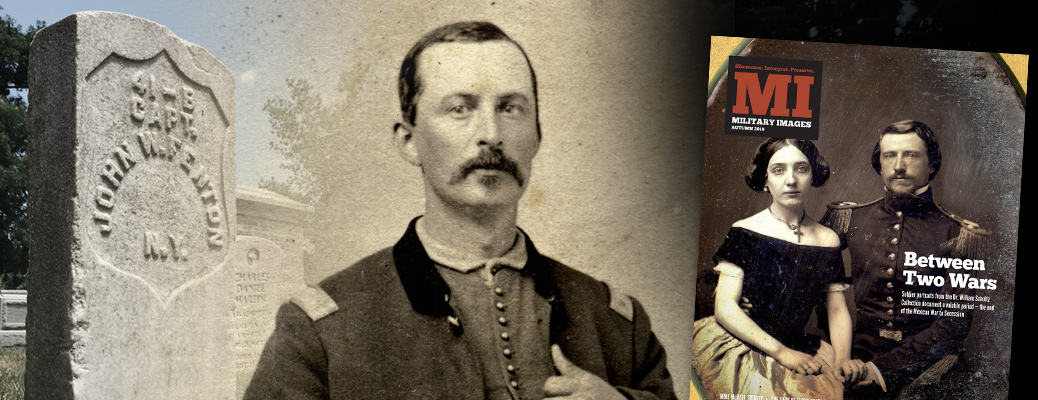
John William Fenton, a captain in the 132nd New York Infantry, was brought up on charges after he assaulted the owner of a saloon in New Bern, N.C., in late 1864. His actions resulted in a dishonorable discharge, which was overturned after his comrades petitioned to allow him to resign with honor. His post-war life took him to Washington, D.C., where he died in 1891 and was buried in Arlington National Cemetery.

The Citizenry by Ron Field(p. 18)
The Haley brothers opened a store in New Market, N.H., on the eve of the Civil War. The building, pictured in this wartime stereo card, produced fatigue blouses and coats for several state regiments. A crowd is gathered in front of the store.

Fakes, Forgeries and Frauds by Perry Frohne (pp. 20-21)
In his inaugural column, “Develop Your Sixth Sense for Fakes,” Perry tells the origin story of fakes, and discusses resources to help you combat fake images with knowledge.

Between Guadalupe Hidalgo and Secession: A survey of military portraits of West Pointers and Regulars on the western frontier by Dr. William Schultz (pp. 22-30)
This is the second in a multi-part series of pre-Civil War military portrait photography from the collection of Dr. William Schultz. Included are several men who went on to serve in the Union and Confederate armies—Confederate surgeon Robert Little Brodie, Capt. Martin Mullins of the 5th U.S. Infantry, and Union generals George Crook, Henry Prince and Henry Walton Wessels.

The Great American Civil War Pipe Gallery (pp. 31-38)
Tobacco was hailed as the soldier’s constant companion—when he could find it—by some and also as a wicked habit by others. In this gallery, a companion to last autumn’s cigar feature, we celebrate those who enjoyed the soldier’s and sailor’s solace in front of the camera.

Cultural Ambassador: On diplomacy’s front lines in Morocco and elsewhere with Albert L. Gihon, U.S. Navy by Ronald S. Coddington (pp. 40-45)
Gihon, a career navy officer, hailed from a  family of adventurers that included his father, who participated in the California Gold Rush, and his brother, a prominent Philadelphia photographer. Gihon’s adventures took him to the coast of North Africa, where he and his shipmates on the St. Louis played a role in U.S.-Moroccan diplomacy.

Captured by the Lens in Bermuda: The Confederate Photography of S.W. Gault by Fred D. Taylor (pp. 46-50)
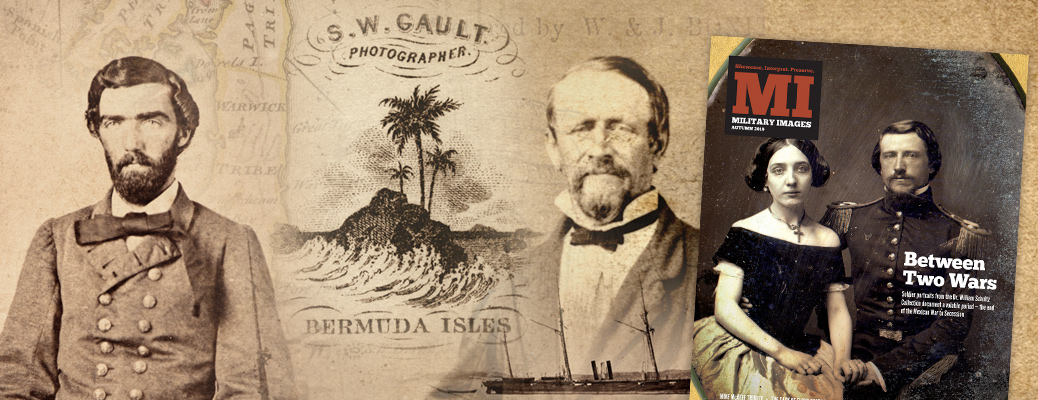
Tennessee’s Samuel Walter “S.W.” Gault traveled the U.S. as a photographer before the war, and when hostilities erupted between the North and South, he set out for Bermuda to avoid the conflict. But he could not escape the far reaches of the Civil War—and a rare opportunity to capture Confederates with his camera.

Corporal Austin Captures a Flag by Ron Field (p. 51)
Albert Austin and his comrades in the 8th Connecticut Infantry had their baptism under fire at the Battle of New Bern, N.C., on March 14, 1862. On that day, Austin picked up a war trophy. Here, we bring together the relic and his portrait—and tell Austin’s story.

Nurse Pomroy: Comforter-in-Chief to the Lincoln Family by Chris Foard, MSN, RN (pp. 52-57)
Rebecca Pomroy came to Washington to take care of wounded and sick soldiers. Much to her surprise, she was called to care for the Lincoln family—a role that she enjoyed, but also one that challenged her because it kept her from the soldier boys she pledged to serve.

Filler Cartes de Visite: A fresh look at art, humor and satire by James S. Brust (pp. 58-65)
In recent times, cartes de visite of art, celebrities, scenes and other non-personal portraits tucked into albums have been labeled as “fillers.” The term implies that they were less desirable afterthoughts. The opposite is true. We tell you why.

Hard Drinking Colonels: A tableau of two commanders of the 69th Ohio Infantry by David B. Holcomb (pp. 66-67)
A tintype of four soldiers provides an entry point into the early and troubled history of the 69th Ohio Infantry, which involved two colonels with alcohol problems.

The Little Sack of Flour That Won the West by Jeremy Rowe (pp. 68-70)
What began as a bet on a mayoral race in a rough and tumble Nevada mining town ended with mock auctions across the West for a sack of flour that raised huge amounts of money to support Union troops. The man who led the philanthropic effort, merchant Reuel Colt “R.C.” Gridley, was an unlikely fundraiser.

The Entertainer: Long before Bob Hope entertained the troops, there was Barney Williams by Kraig McNutt (pp. 71-74)
The popular Irish singer and stage star, along with his wife, Maria, made a fortune and achieved celebrity status before the Civil War. After hostilities began, Barney brought much needed cheer to Union soldiers. President Abraham Lincoln was a fan—and John Wilkes Booth was not.

Stragglers: Distinctive Images from MI contributors (pp. 78-79)
Included is a portrait of the brothers Henry and William King, enlisted men in the 52nd Pennsylvania Infantry, a Union infantryman with an Austrian Lorenz rifle musket, and two casually-dressed federals pictured just days before their Suffolk, Va., garrison came under siege by Confederates.

The Last Shot (p. 80)Two cartes de visite from the Karl Sundstrom Collection picture Union officers, each with a pencil inscription that accuses one of gambling and the other of cowardice.
Gettysburg Gathering: Celebrating the Collecting Community

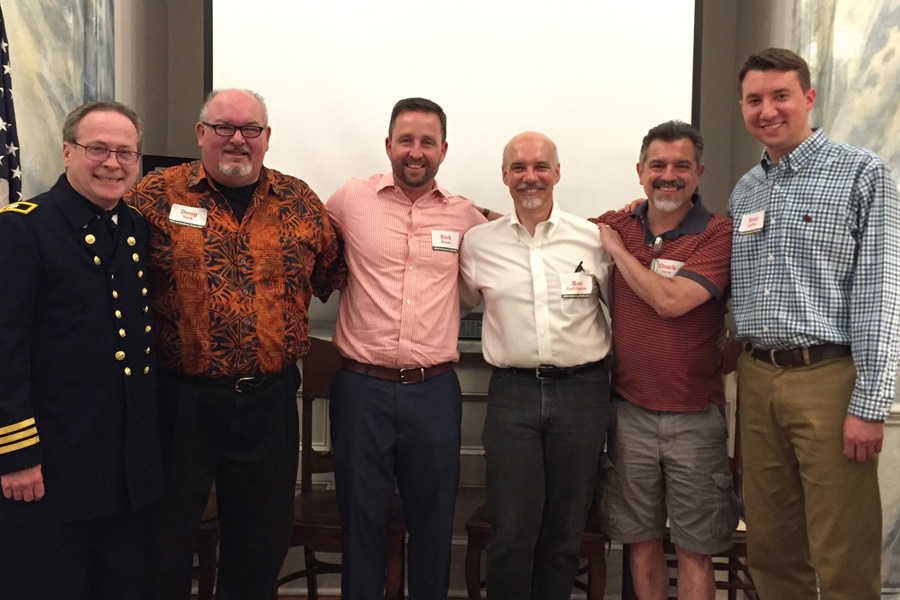
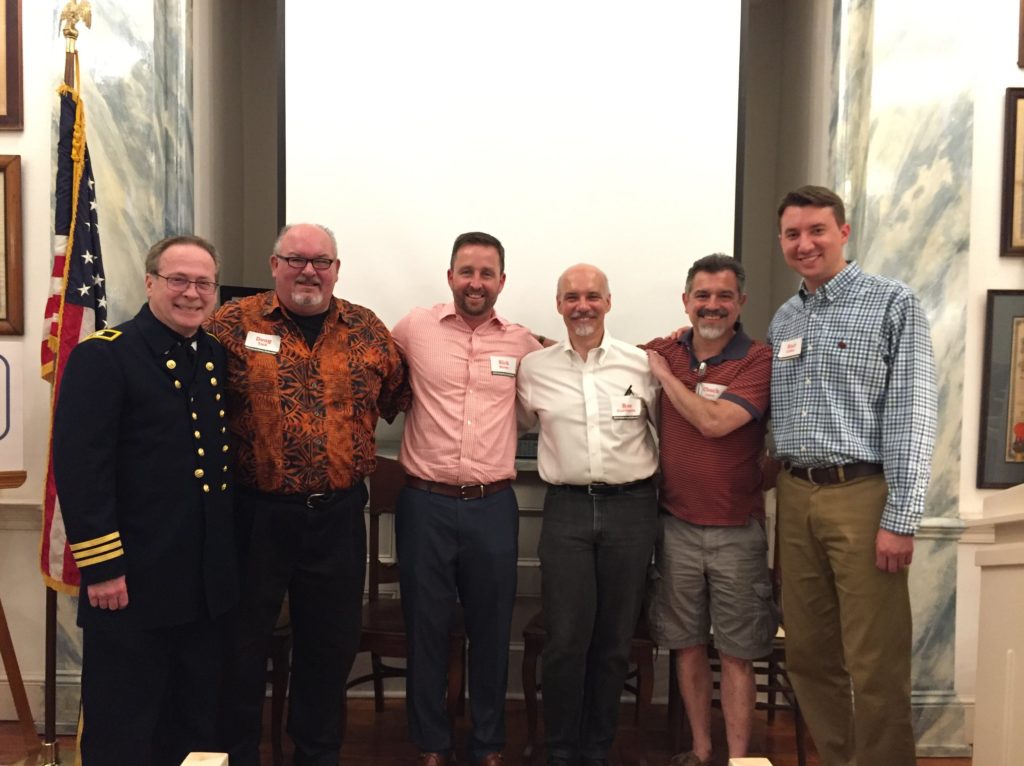
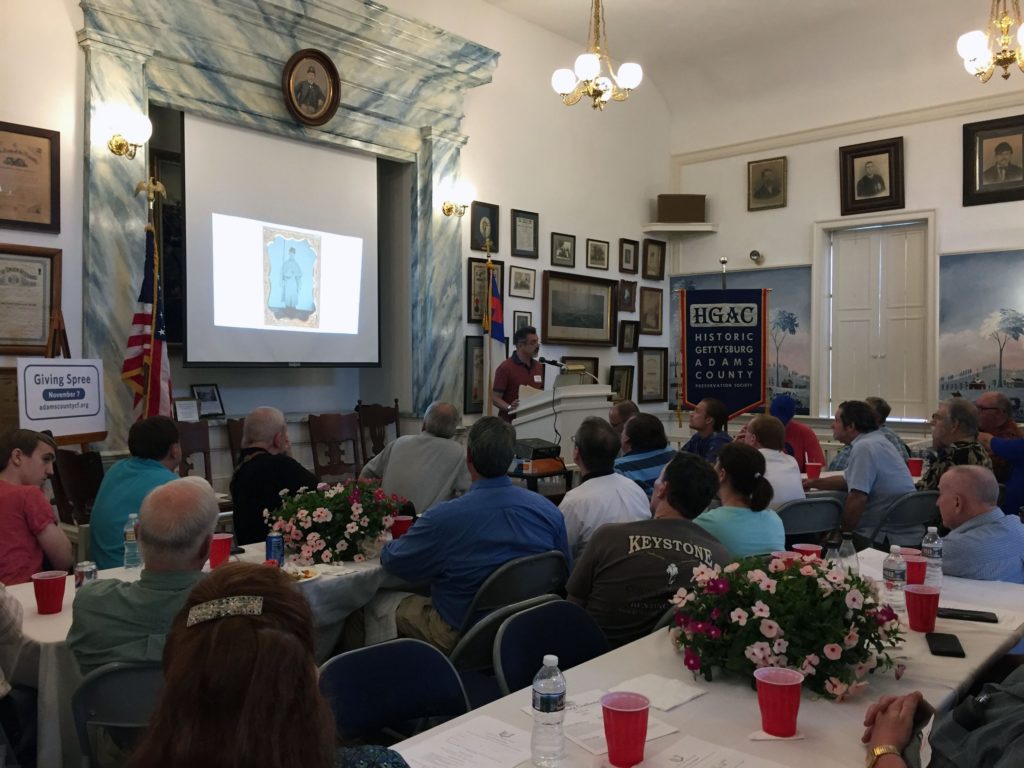
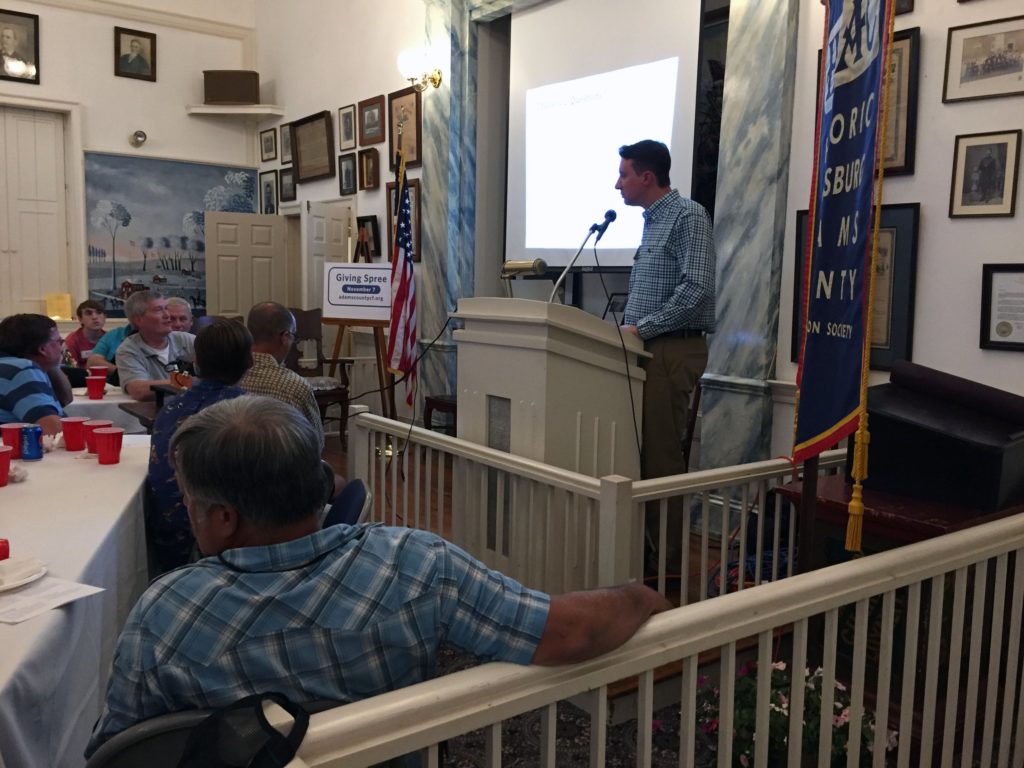
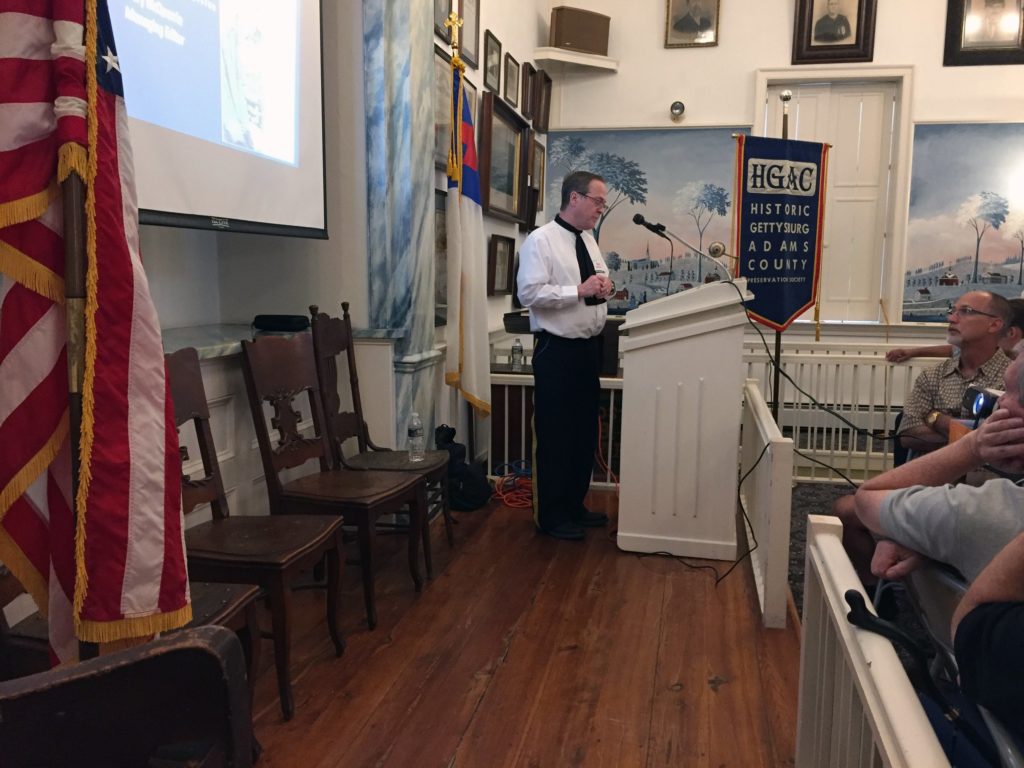
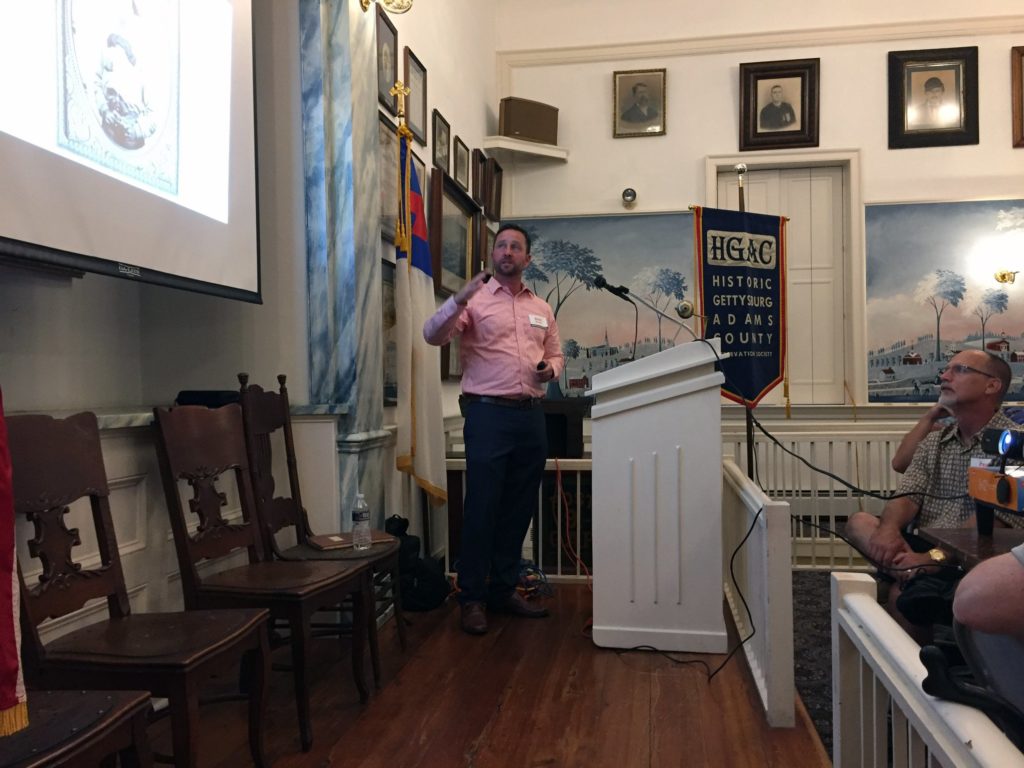
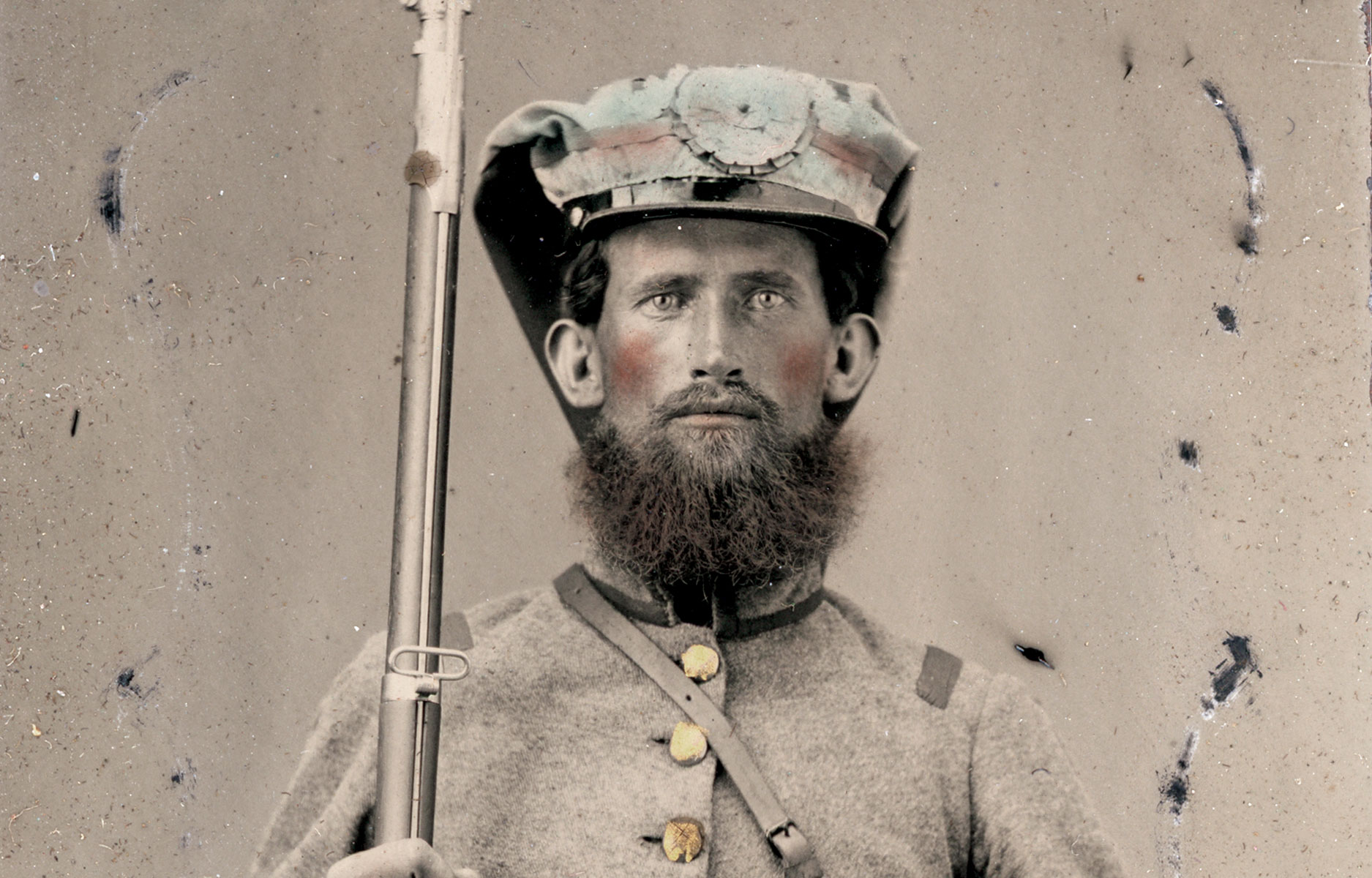
Collectors, dealers and other members of the Civil War collecting community third met for the Gettysburg Gathering on Friday night, June 28, 2019. The group met at historic Grand Army of the Republic Hall in downtown Gettysburg, Pa. The evening began with a buffet barbecue dinner catered by Biggerstaff’s and continued with welcome remarks by co-hosts Ron Coddington of Military Images magazine and Doug York of Civil War Faces and Civil War Faces Market Place. The two announced the formation of a new organization, the Civil War Photo Collectors Society. The main attraction of the night—four speakers who presented on a variety of Civil War photo-related topics.

Gary McQuarrie, Doug York, Rick Brown, Ron Coddington, Chuck Joyce and Dr. Kurt Luther.

The program:

Chuck Joyce.

The Sacrifice of Seven: Images and Stories of Union Casualties at Gettysburg
By Chuck Joyce, Senior Editor, Military Images
About a dozen years ago, I began to focus my collection on images and artifacts of men and boys who fell at Gettysburg—drawn, as countless others before me, to the special nature of this hallowed ground. In this talk, I share the stories of seven federal soldiers whose lives were lost or forever altered in the fighting that took place here, paying particular attention to  role that pension records and online sources, the network of fellow collectors, and just plain luck has played in helping to allow me to learn and tell the tale of their sacrifice.
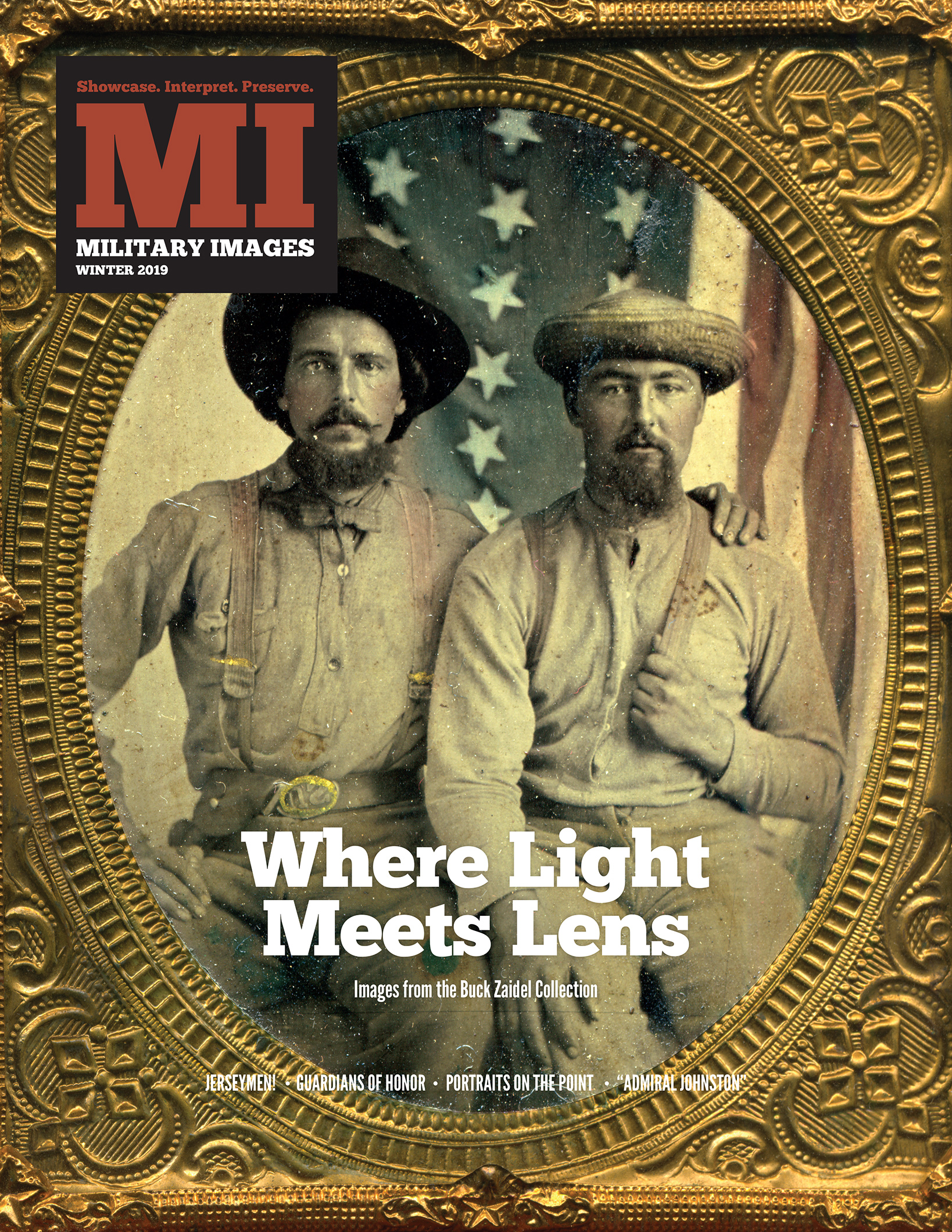
Dr. Kurt Luther.

Civil War Photo Sleuthing: Past, Present, and Future
By Dr. Kurt Luther, Civil War Photo Sleuth
People have struggled to identify unknown soldiers and sailors in Civil War photos since even before the war ended. In this talk, I trace the 150-year history of photo sleuthing, showing how the passage of time has magnified some challenges, but also unlocked exciting new possibilities. I show how technologies like social media, face recognition, and digital archives allow us to solve photo mysteries that have eluded families and researchers for a century and a half.

Gary McQuarrie.

George Holmes Bixby, MD: Photographer on the Western Rivers
By Gary McQuarrie, Managing Editor, Civil War Navy—The Magazine 
Documentary evidence is reviewed that Dr. Bixby, the Chief Medical Officer on the USS Red Rover hospital ship, photographed many iconic gunboats and vessels of the Mississippi Squadron during his service in the theater and deserves to be recognized for his photographs and as one of a small group of physician photographers during the war.

Rick Brown.

Through a Collector’s Eye
By Rick Brown, Senior Editor, Military Images
I review a sampling of photographs from my collection with an eye to artistry, appreciation, and history. I also share stories about the community of collectors, and our role in preserving the wonderful images out there we’ve discovered and shared.

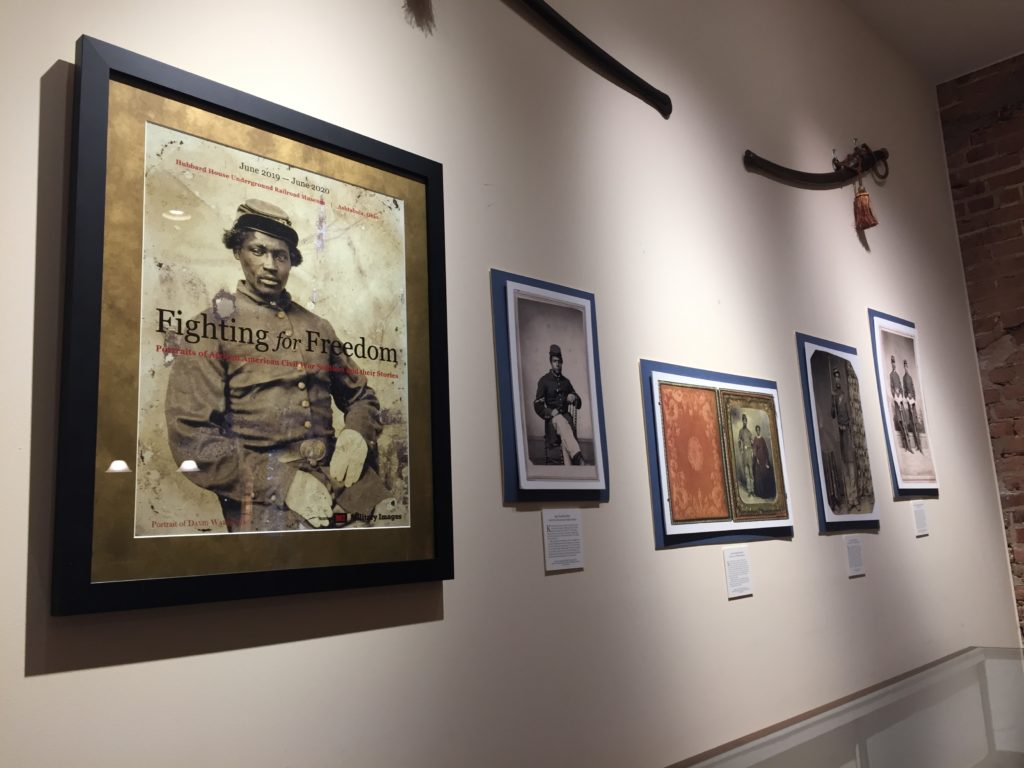
Traveling Exhibit: Fighting for Freedom

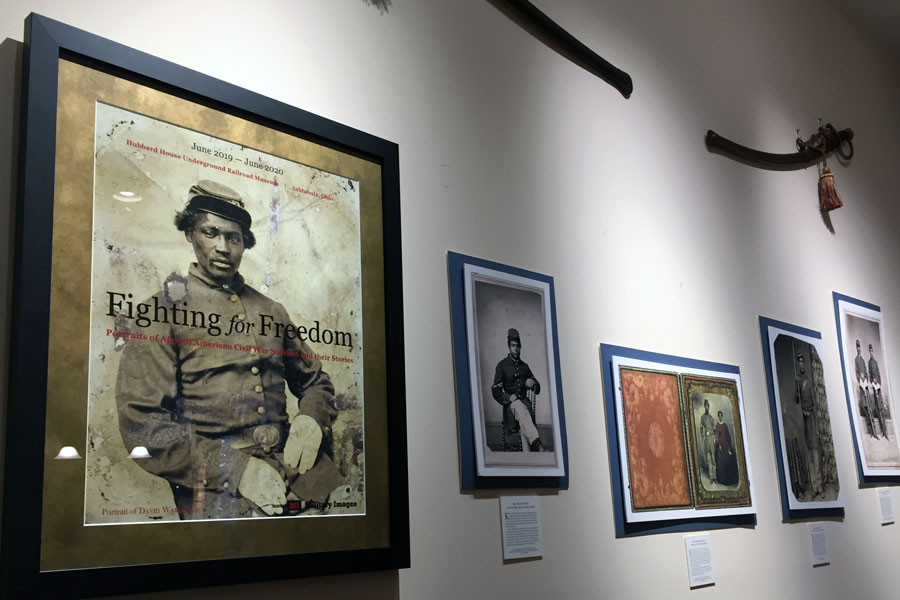
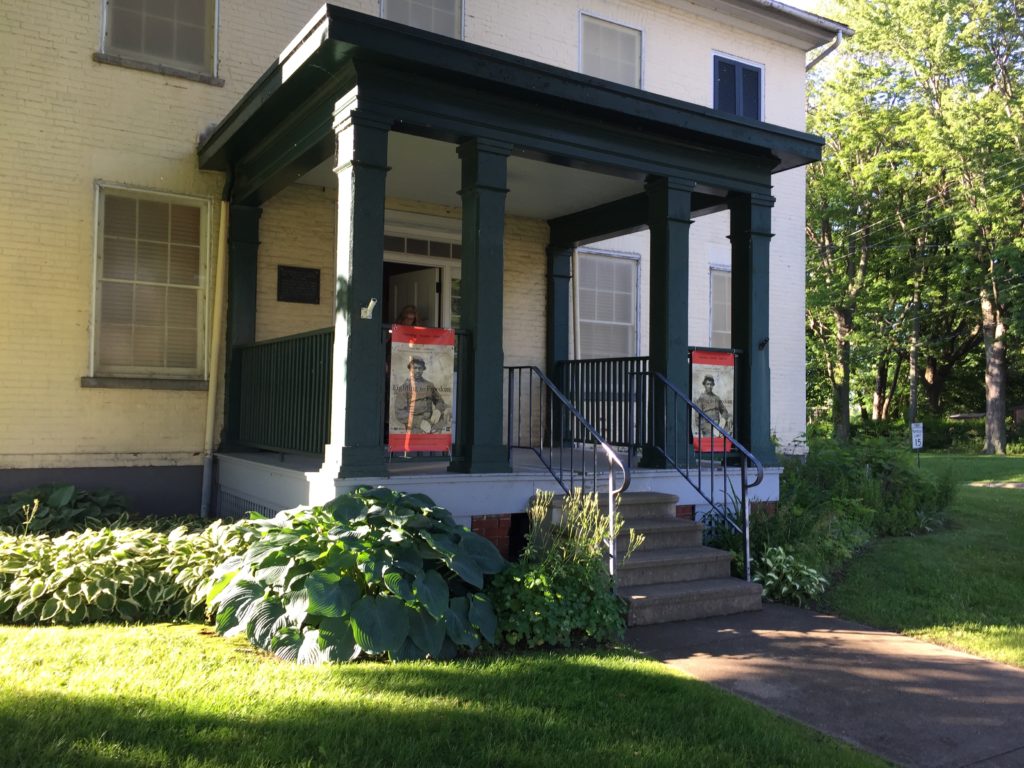
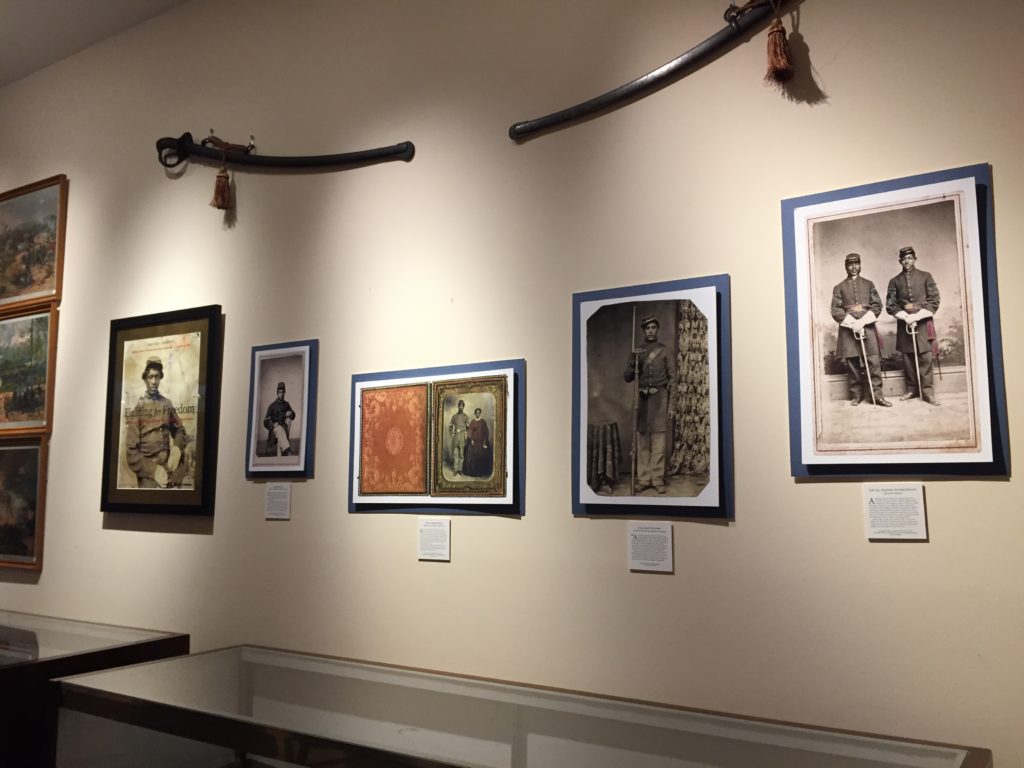
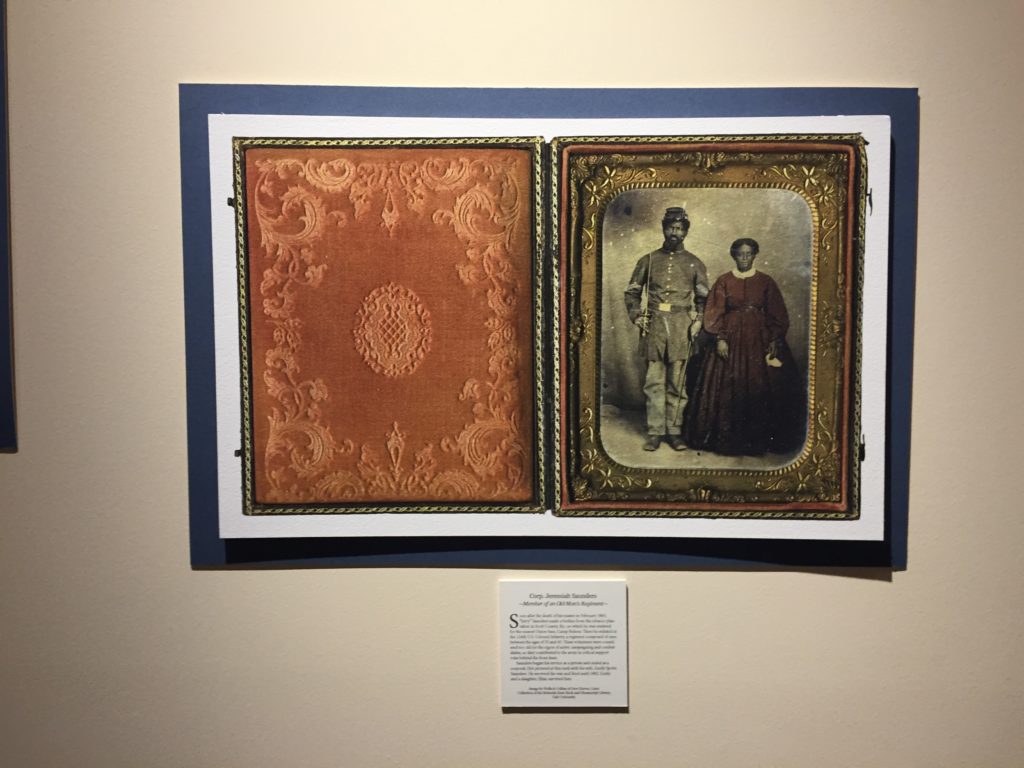
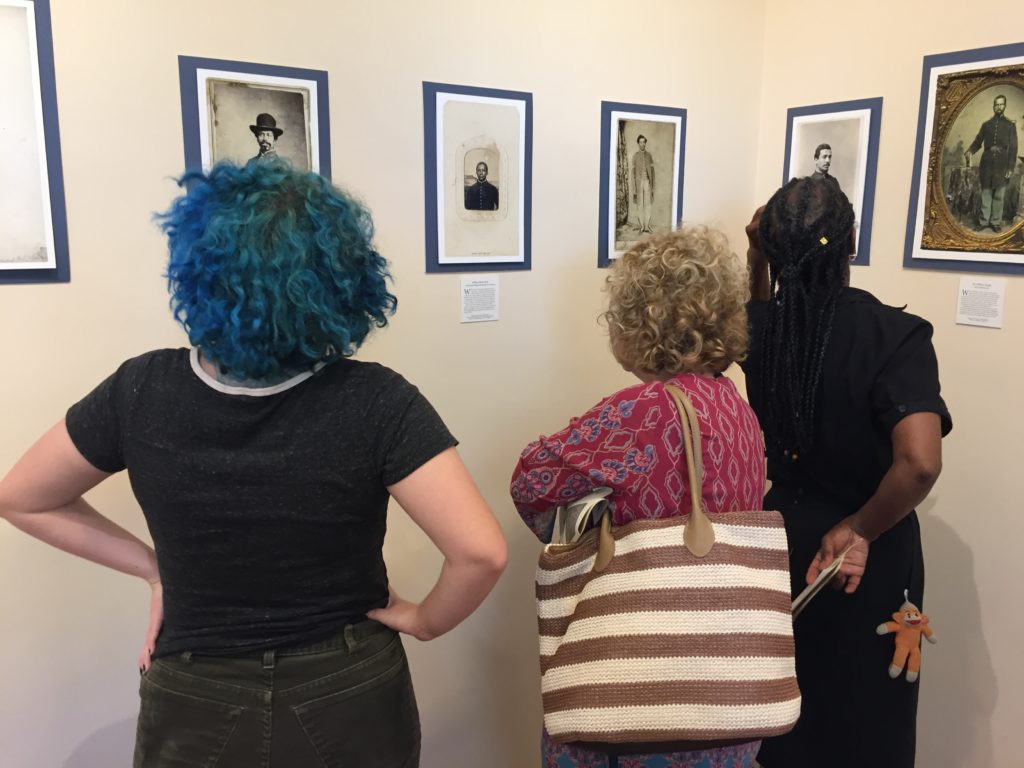
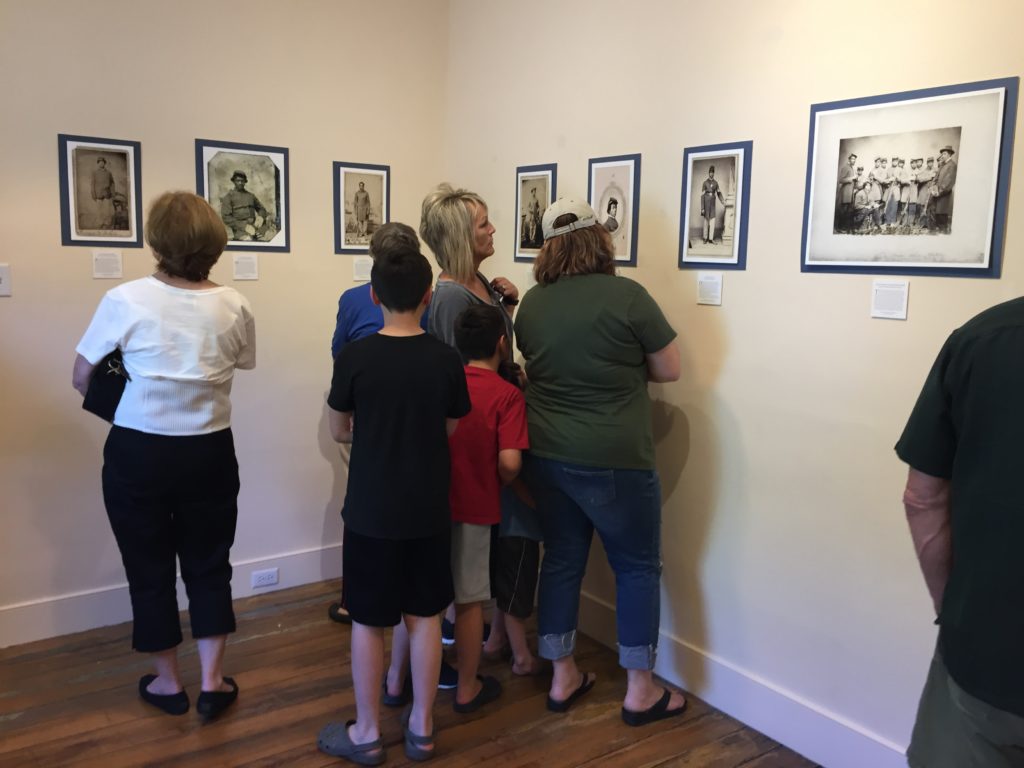
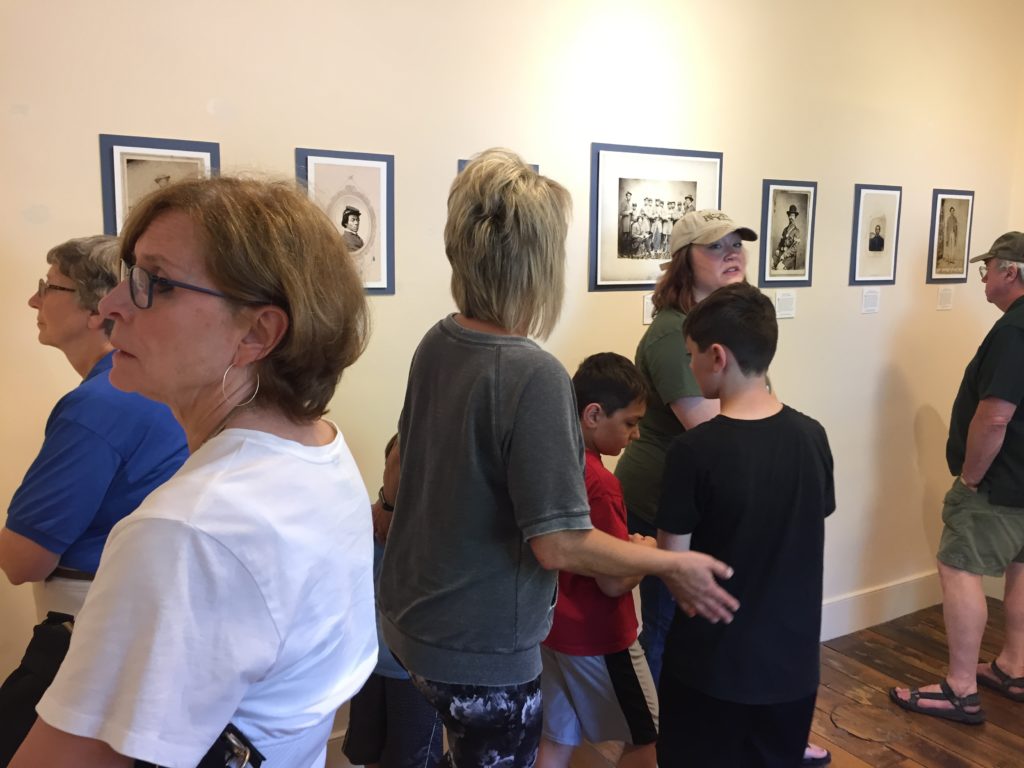
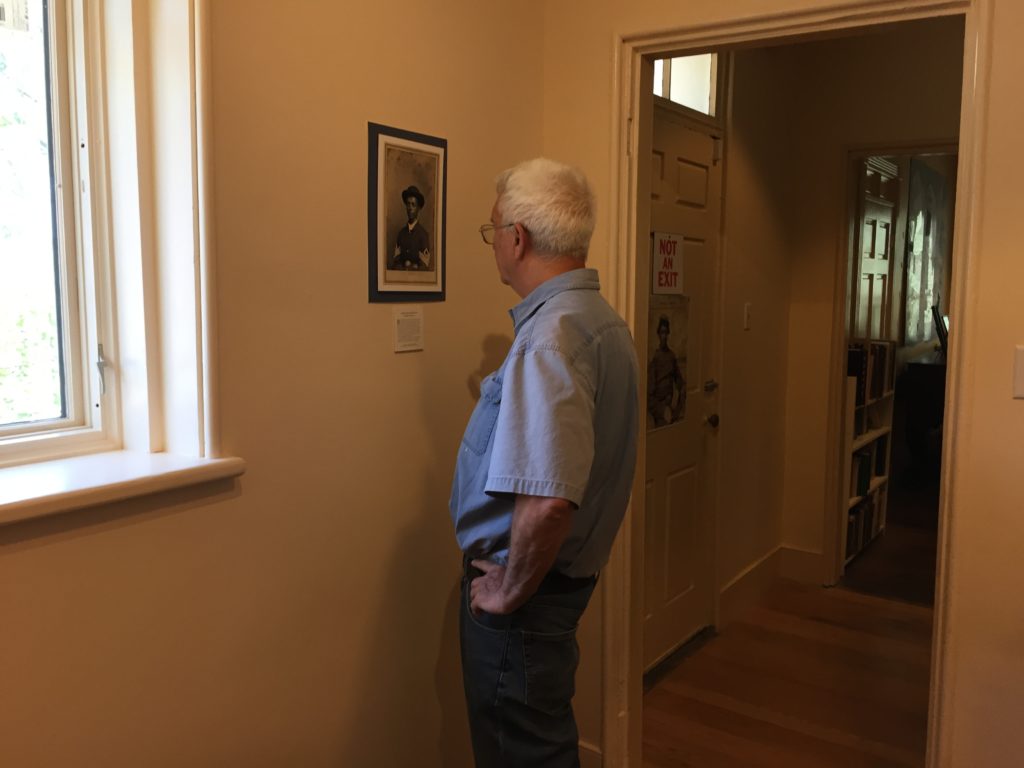
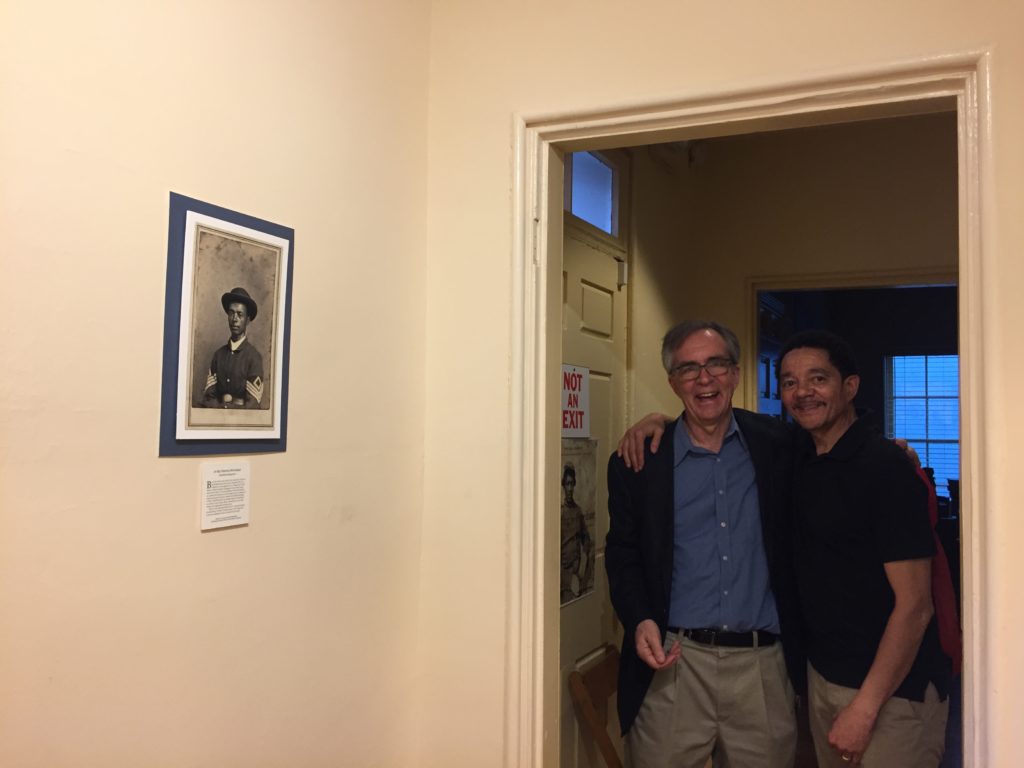
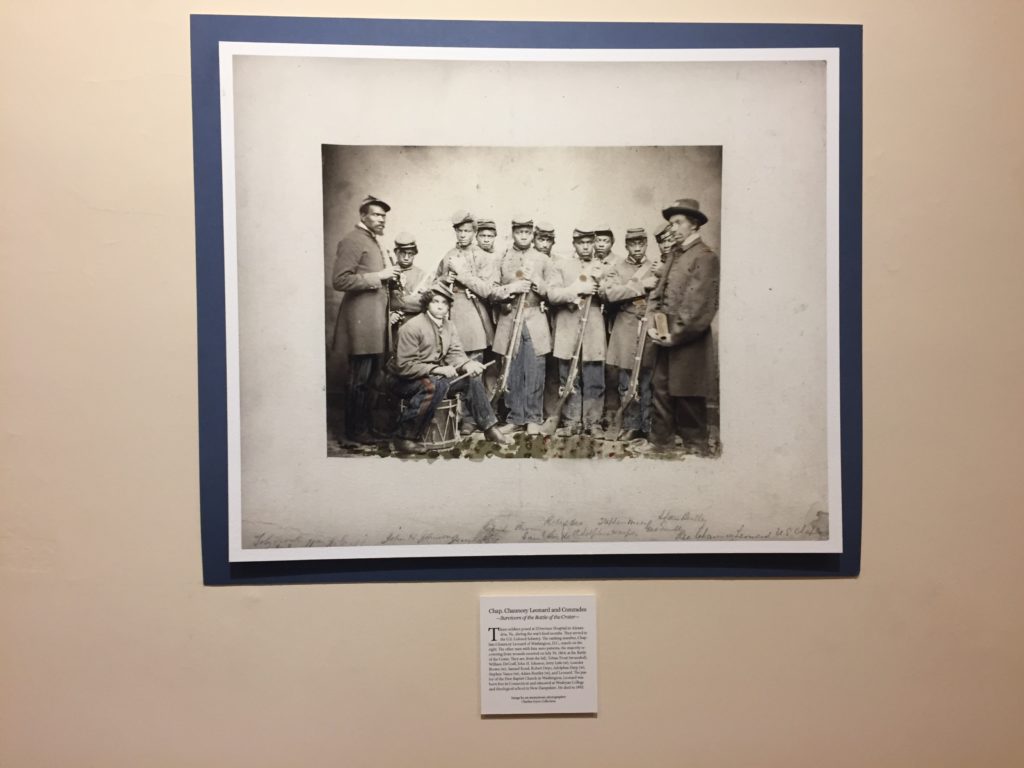
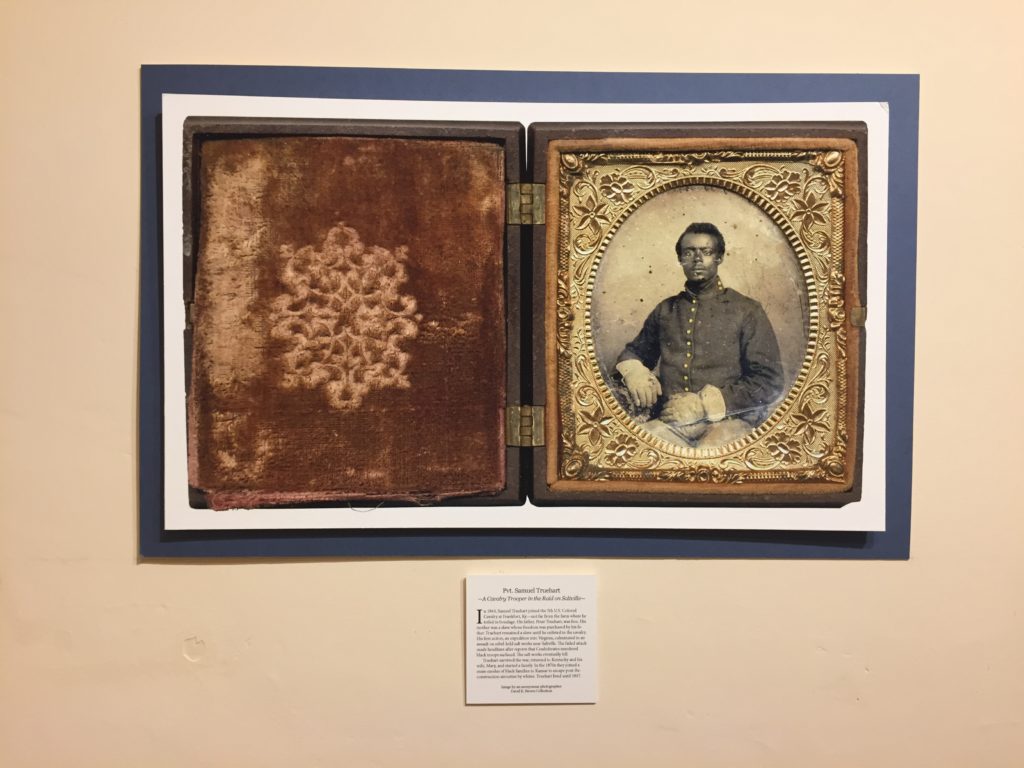
Museum-quality prints of 22 Images of African American Civil War soldiers pictured in a gallery published in last summer’s issue of MI and elsewhere were displayed in our first-ever traveling exhibit. The first stop for this unique group was the last stop for slaves fleeing to freedom along the Underground Railroad to Canada—the Hubbard House in Ashtabula, Ohio. Located along Lake Erie is northeast Ohio, the town marked the opening of the exhibit with a two-day event last weekend. Music, dramatic readings, a visit from Buffalo Soldiers bikers, and of course the portraits, each with a caption that tells the soldier’s story. Many thanks to all the collectors who shared their images for this event. They include Kevin Canberg, Greg French, Chuck Joyce, Paul Loane, Steve Meadow and Paul Russinoff.

Special thanks to Lisa Burroughs, who played a leading role in conceiving and organizing the event, the staff and volunteers of the Hubbard House, and the city of Ashtabula for turning out to see these powerful photographs that are such an important part of our nation’s story.

Read coverage from the Ashtabula Star Beacon.

Images from the exhibit will be on display for the next year.

tabula

New Subscription Option: The Digital Edition

If you want the images and stories in Military Images but do not need the paper, our digital subscription is for you. Get a PDF of the quarterly print edition delivered to your email inbox and access to our password protected premium web version all for $19.95 per year.

This option joins two other ways to get Military Images—print and print + digital. Now you have three ways to receive our content. Visit our subscribe/renew section to subscribe.

Glinting Cutlasses and Flashing Revolvers

Ensign Abner Stover’s navy service began on the Union blockade off the coast of Georgia aboard the gunboat Water Witch. It ended in a trip to a prison camp after a night attack by Confederate forces ended in the capture of the vessel. He told the story of his capture and imprisonment in a previously unknown diary. Learn more about this story and others with our finding aid.

Cadet to Boy Colonel: The life and service of North Carolina’s Henry King Burgwyn, Jr.

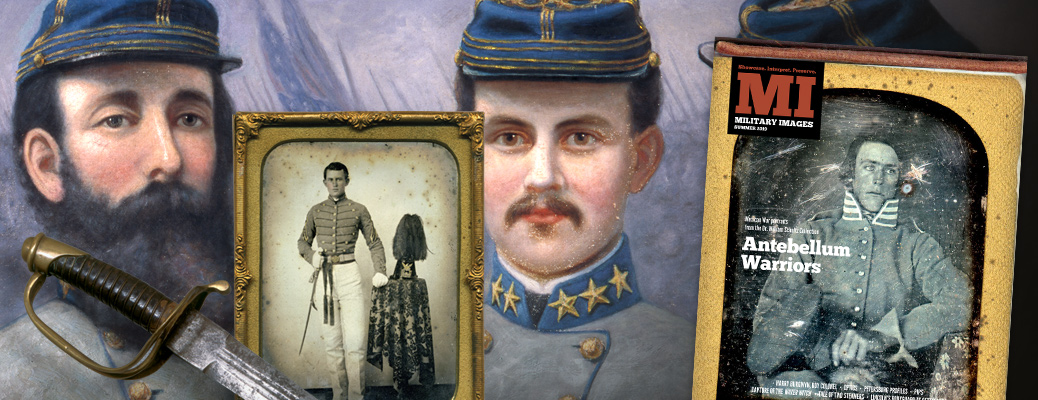
Henry King Burgwyn, Jr., of the 26th North Carolina Infantry left Virginia Military Institute after the war began and rose in rank to become colonel of the 26th North Carolina Infantry. He led his men into action on the first day of the Battle of Gettysburg and suffered a mortal wound in the thick of the action against Wisconsin troops of the Iron Brigade. Burgwyn’s story is illustrated with three likenesses of him, two photographs from his pre-war days at VMI and a portrait painted in 1904. Learn more about this story and others with our finding aid.

Custer’s “Main Stay In a Tight Place”

James Downey, a private in the hard-fighting 2nd Ohio Cavalry, survived numerous operations during the war. His luck ran out on April 1, 1865, during the Battle of Five Forks. Wounded in action, he succumbed to his injuries in Washington, D.C., and was laid to rest in Arlington National Cemetery. Learn more about this story and others with our finding aid.

From Vera Crux to Mexico City

Representative Mexican War era portraits of West Pointers, Regulars and volunteers from the Dr. William Schultz include future President Franklin Pierce and career military men who went on to become generals during the Civil War, including the Union’s Richard Delafield, George H. Gordon, William A. Nichols, Charles F. Smith, George H. Thomas, and Confederates Dabney H. Maury and John S. Williams. Learn more about this story and others with our finding aid.

Finding Aid: Summer 2019

The complete issue

Vol. XXXVII, No. 3
(80 pages)

Print edition: Visit our store to check availability
Digital edition: Visit JSTOR.org to purchase
Subscribe to MI ($24.95)
Explore the MI Archives: Browse | Advanced search | Tutorial

Inside

Cover image
A sixth-plate daguerreotype from the Dr. William Schultz Collection pictures a Mexican War era enlisted man.
Download (free)

Table of Contents (p. 1)
Download (free)

Editor’s Desk (p. 2)
The editor discusses reflects on the passing of pioneer photograph collector Henry Deeks.
Download (free)

Mail Call (pp. 3-4)
Feedback includes tributes to late collectors Henry Deeks and Jim Frasca, and a note about credited photos.
Download (free)

Military Anthropologist (p. 4)
An analysis of occupations in the 1860 U.S. Census reveals the various ways in which photographers identified themselves.

Passing in Review (p. 6)
Our Brethren Are On the Field: Letters, Diaries and Remembrances From Those Who Fought and Campaigned For Chattanooga by Dick Ransom and Brad Quinlin (Mountain Arbor Press) is a book inspired by a World War II Act of Heroism.
Download (free)

Photo Sleuth by Kurt Luther (pp. 8-9)
In “Second Opinion,” Kurt discusses a new enhancement to Civil War Photo Sleuth, called Second Opinion, which allows users to gather additional feedback about a specific aspect of a photograph.

Antebellum Warriors (p. 10)
A sixth-plate ambrotype from the Rick Brown Collection is a portrait of a prototypical militiaman on the eve of the Civil War.

The Honored Few (p. 12)
Hubert Anton Casimir Dilger, a captain in the 1st Ohio Light Artillery, fought a delaying action at the Battle of Chancellorsville for which the government recognized his actions with the Medal of Honor.

Most Hallowed Ground (p. 14)
James Downey, a private in the hard-fighting 2nd Ohio Cavalry, survived numerous operations during the war. His luck ran out on April 1, 1865, during the Battle of Five Forks. Wounded in action, he succumbed to his injuries in Washington, D.C., and was laid to rest in Arlington National Cemetery.

The Citizenry (p. 16)
Almost nothing is known about the life of Diven Glover, save one significant detail: She was an enslaved woman. Her photograph, as well as the man, who owned her, Capt. George Frederick Glover of the 43rdd Alabama Infantry, are pictured here.

From Vera Crux to Mexico City: A survey of Mexican War era portraits of West Pointers, Regulars and Volunteers by Dr. William Schultz (pp. 18-28)
Representative images include future President Franklin Pierce and career military men who went on to become generals during the Civil War, including the Union’s Richard Delafield, George H. Gordon, William A. Nichols, Charles F. Smith, George H. Thomas, and Confederates Dabney H. Maury and John S. Williams.

Glinting Cutlasses and Flashing Revolvers: Ensign Abner Stover’s Civil War by Ronald S. Coddington, featuring images and artifacts from the Herman Kinder Collection (pp. 30-36)
Ensign Abner Stover’s navy service began on the Union blockade off the coast of Georgia aboard the gunboat Water Witch. It ended in a trip to a prison camp after a night attack by Confederate forces ended in the capture of the vessel. He told the story of his capture and imprisonment in a previously unknown diary.

A Tale of Two Steamers by Ron Field (pp. 38-40)
A pair of spectacularly tinted sixth-plate tintypes picture an Eads-class gunboat and other vessels. Two of the steamers, the Edward Walsh and the Hamilton Belle, are identified. Senior Editor Ron Field examines their service along the Mississippi River, and recognizes that little scholarship has been written about the contribution of these workhorses to the war effort.

Cadet to Boy Colonel: The life and service of North Carolina’s Henry King Burgwyn, Jr. by Dave Batalo and Rusty Hicks with Ronald S. Coddington (pp. 42-46)
Henry King Burgwyn, Jr., of the 26th North Carolina Infantry left Virginia Military Institute after the war began and rose in rank to become colonel of the 26th North Carolina Infantry. He led his men into action on the first day of the Battle of Gettysburg and suffered a mortal wound in the thick of the action against Wisconsin troops of the Iron Brigade. Burgwyn’s story is illustrated with three likenesses of him, two photographs from his pre-war days at VMI and a portrait painted in 1904.

President Lincoln’s Bodyguard for a Day: Sgt. H. Paxton Bigham’s Gettysburg experience by Paul Russinoff (pp. 48-51)
Hugh Paxton Bigham has a unique connection to the Battle of Gettysburg. A local farmer from who grew up close to town, he participated in some of the earliest action during the days leading up to the engagement. Months after the fight, he served as personal bodyguard to Abraham Lincoln during his historic Gettysburg in November 1863 to dedicate the Soldier’s Cemetery.

Dwelling in Peace in the Land of the Spirits: Pvt. Admiral Coon’s portraits reveal a family’s pain and sorrow by Paul D. Mehney and Charles Joyce (pp. 52-56)
Portraits of Pvt. Admiral T. Coon of the 137th New York Infantry with his sister and nephew speak to the separation that affected hundreds of thousands of families in the North and South. In Coon’s case, a wound suffered at Gettysburg proved mortal—and deprived his sister of a brother and a nephew of an uncle.

Profiles of Union Soldiers in the Thick of the Fight for Petersburg by Scott Valentine (pp. 58-61)
A collection of five portraits of infantrymen from the author’s collection, each accompanied by narrative of the subject’s experience during the Petersburg Campaign, highlight the challenges of the brutal operations. They include George C. Case of the 57th New York, Frank H. Kempton of the 58th Massachusetts, Arthur V. Coan of the 146th New York, Samuel S. Foss of the 8th Connecticut and John M. Gilfillan of the 39th New York.

PIPs (Photos in photos) from the Doug York Collection (pp. 62-65)
Portrait photographs of individuals posed with a photograph of someone else are uncommon. Yet they were made throughout the 19th century. We offer a selection of representative images from the collection of Doug York.

Pre-Imposition Tax Stamps by Scott Vezeau (pp. 66)
It is well-known to collectors that the federal government taxed photographs to pay for the Civil War. It is a mistake, however, to conclude that tax-stamped images do not exist beyond the official date parameters. The author makes his case with four cartes de visite.

Optics: Military men with field glasses and telescopes (pp. 67-73)
Field glasses and telescopes loomed large in the Civil War. Used by soldiers and sailors to gain an edge over their enemies, it comes as no surprise that numerous references to this essential accouterment appear in period writings—and in photographs.

Educator, Photographist and Prisoner of War: David Heckendorn’s journey as an approved Army of the Potomac photographer by Sidney Dreese, with images from Diane Mazze (pp. 74-75)
Had the war never happened, David Heckendorn might have had a long career in the school system of Union County, Pa. But it did, and Heckendorn, an amateur daguerreotypist, became an approved photographer for the Army of the Potomac. He was captured in Virginia and spent three months in Richmond. He fell ill after his return home and died before the end of the war.

How Much Could Camp Photographers Earn In a Day? A Lot. (p. 76)
A soldier in the 63rd Indiana Infantry wrote a letter to his father chock full of financial details and practical information about photographers in the vicinity of their camp near Bull’s Gap, Tenn., in the spring of 1864. The father no doubt appreciated the intelligence, for he was a practicing photographer. Historian Kraig McNutt researched the letter from the Indiana State Manuscripts Collections.

Stragglers: Distinctive Images from MI contributors (pp. 74-79)
Union and Confederate images include Maj. William McIntosh Arnold of the 6th Georgia Infantry, a non-commissioned Union officer standing in front of an elaborate back drop, a soldier dressed in a red uniform jacket, 1st Lt. Mims Walker of 4th Alabama Infantry and the staff of Brig. Gen. Evander Law, James Madison Crozer of the Confederate 6th Kentucky Cavalry, and more.

The Last Shot (p. 80)
A carte de visite from the Michael J. McAfee Collection has portraits pasted to both sides—on one, an image of a woman with her husband’s sword, the Stars and Stripes and the family dog, and on the other side a vignette of the same dog.