 On Dec. 22, 1864, almost 200 Union soldiers perished when they transport North America, on which they were bound from New Orleans to New York, foundered off the Georgia coast near Savannah. The dead hailed from 13 Northern states: Connecticut, Illinois, Indiana, Kansas, Louisiana, Maine, Maryland, Massachusetts, New Hampshire, New York, Rhode Island, Vermont and Wisconsin.
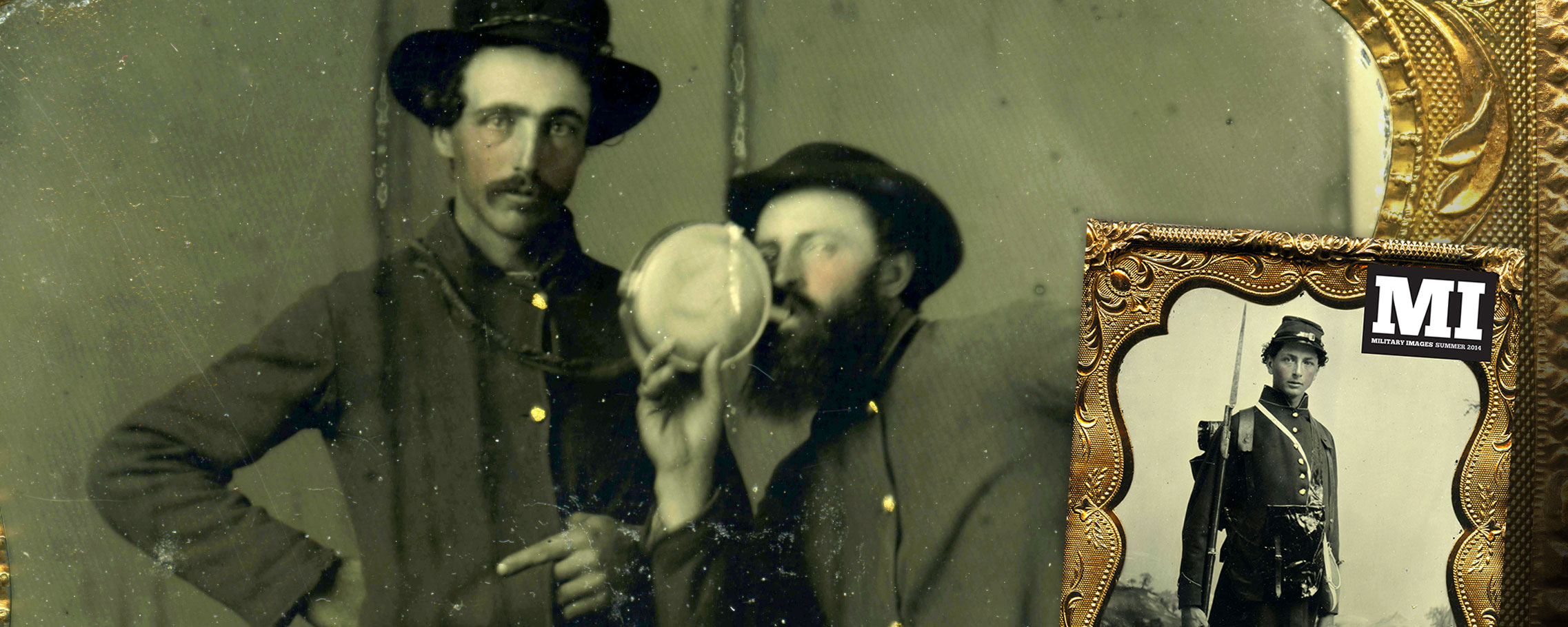
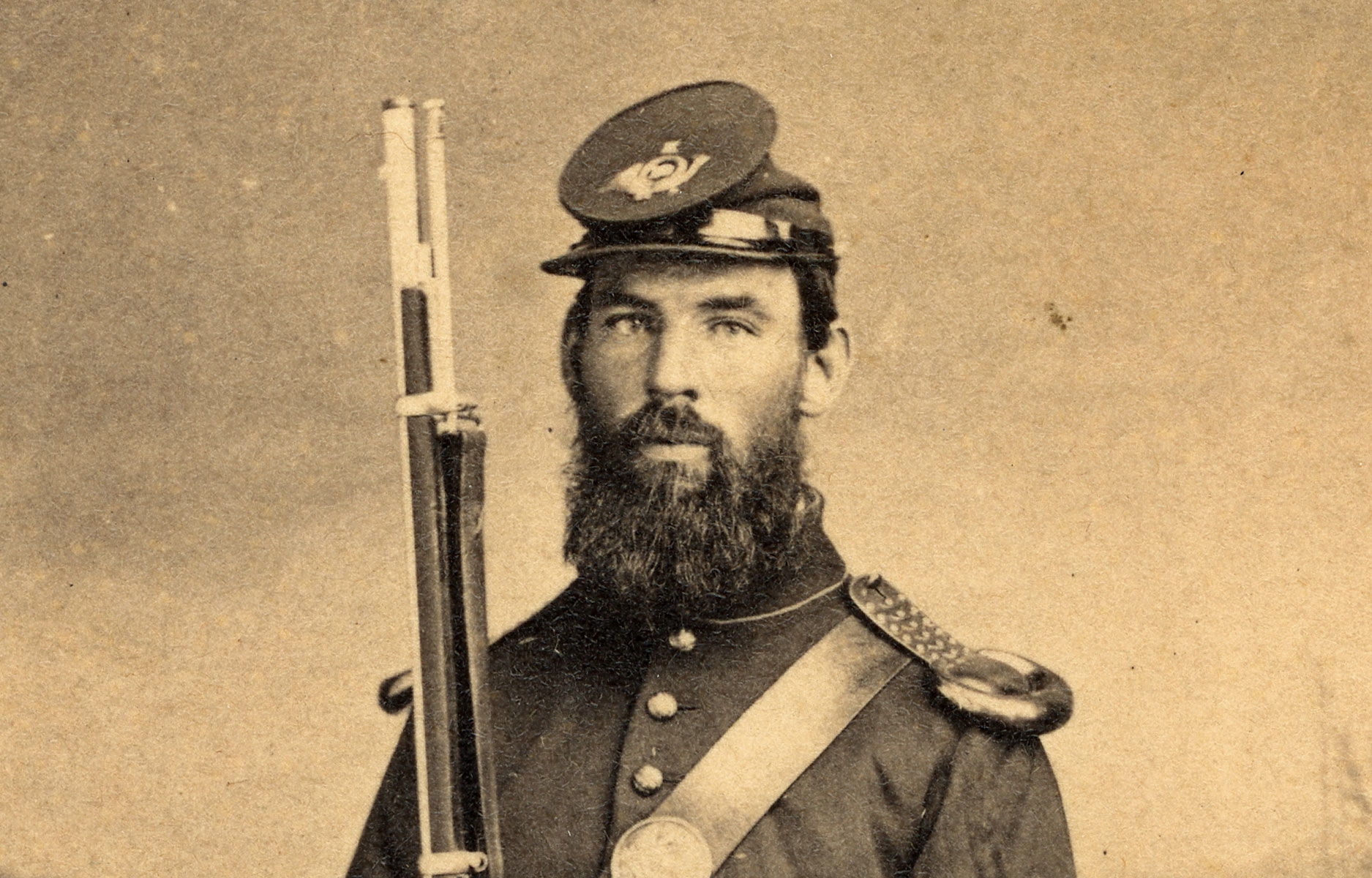
MI needs your help finding original wartime portraits of those who lost their lives or were saved. The plan is to use the images to illustrate an article by Michael J. Martin, author of the Wreck of the U.S. Transport North America.
If you have an identified, wartime image of one of the men listed below, please email Editor and Publisher Ron Coddington:
Arnold, Hartwell, private, Company H, 2nd New York Cavalry, 18, enlisted at Plattsburg, NY, on August 8, 1863, Marine Hospital, New Orleans, LOST
Austin, Shadrach, private, Company C, 1st Wisconsin Heavy Artillery, 18, residence Monroe, WI, enlisted on October 5, 1863, St. Louis USA General Hospital, New Orleans, LOST
Baggs, Nathan L, private, Company B, 3rd Rhode Island Cavalry, residence Smithfield, RI, enlisted on August 29, 1863, University Hospital, New Orleans, LOST
Barkley, Simon, private, Company A, 18th New York Cavalry, 19, enlisted at Louisville, NY, on January 1, 1864, University Hospital, New Orleans, LOST
Barnard, Cyrus, private, Company E, 2nd New York Veteran Cavalry, 37, enlisted at Glens Falls, NY, on August 4, 1863, Marine Hospital, New Orleans, LOST
Bayley, L., private, Company I, 18th New York Cavalry . . . no listing of him in regimental roster
Beeler, Joseph, corporal, Company L, 11th New York Cavalry, 21, enlisted at Washington, DC, on October 30, 1862, St. Louis USA General Hospital, New Orleans, LOST
Bewley, Aaron C., private, Company F, 33rd Illinois Infantry, residence Sunbury, IL, enlisted on August 1, 1861, St. Louis USA General Hospital, New Orleans, LOST
Blackburn, Joseph, private, Company A, 18th New York Cavalry, 18, enlisted at Brooklyn, NY, on December 23, 1863, St. Louis USA General Hospital, New Orleans, LOST
Block, Carl, private, Company D, 18th New York Cavalry, 33, enlisted at New York City on August 5, 1863, University Hospital, New Orleans, LOST
Booth, William E. corporal, Company L, 18th New York Cavalry, 24, enlisted at New Orleans, on November 1, 1863, University Hospital, New Orleans, LOST
Brennan, Thomas, private, Company D, 12th Illinois Cavalry, from Chicago, IL, enlisted on December 30, 1863, St. Louis USA General Hospital, New Orleans, LOST
Britton, Albert, private, Company A, 2nd New York Veteran Cavalry, 21, enlisted at Glens Falls, NY, on July 3, 1863, Marine Hospital, New Orleans, LOST
Brown, Daniel H., private, Company F, 12th Illinois Cavalry, from Greenfield, IL, enlisted on December 30, 1863, St. Louis USA General Hospital, New Orleans, LOST
Brown, George W., private, Company K, 11th New York Cavalry, 18, enlisted at Union Springs, NY, on January 29, 1862, Marine Hospital, New Orleans, LOST
Brown, Ira C., private, Company D, 11th New York Cavalry, 18, enlisted at Potsdam, NY, on December 18, 1863, St. Louis USA General Hospital, New Orleans, LOST
Brown, James, private, Company A, 7th Vermont Infantry, from Barton, VT, enlisted on August 8, 1864, St. Louis USA General Hospital, New Orleans, LOST
Brown, Marvin J., private, Company L, 2nd New York Veteran Cavalry, 18, enlisted at Jay, NY, on November 18, 1863, Marine Hospital, New Orleans, SAVED
Bushman, Leander, private, 2nd Massachusetts Light Artillery, 21, residence Hadley, MA, enlisted on January 4, 1864, Marine Hospital, New Orleans, LOST
Cannon, James, private, Company E, 18th New York Cavalry, 37, enlisted at New York City on July 30, 1863, University Hospital, New Orleans, LOST
Capes, William, private, Company E, 11th New York Cavalry, 21, enlisted at Canton, NY, on December 14, 1863, St. Louis USA General Hospital, New Orleans, LOST
Carney, David, private, 13th Massachusetts Light Artillery, 20, from Boston, MA, enlisted on May 19, 1864, St. Louis USA General Hospital, New Orleans, LOST
Chaffee, William, H., private, Company G, 3rd Rhode Island Cavalry, residence Providence, RI, enlisted on March 5, 1864, University Hospital, New Orleans, LOST
Chase, Caleb, private, Company F, 11th New York Cavalry, 19, enlisted at Mohawk, NY, on January 4, 1864, St. Louis USA General Hospital, New Orleans, LOST
Chase, Franklin, corporal, Company M, 11th New York Cavalry, 22, enlisted at Buffalo, NY, on August 25, 1862, Marine Hospital, New Orleans, LOST
Conghlon, John, private, Company C, 14th New York Cavalry, 26, enlisted at Brooklyn, NY, on February 18, 1864, Marine Hospital, New Orleans, LOST
Cook, Stephen, private, Company I, 8th New Hampshire Infantry, 35, residence Montreal, Canada, mustered in as a substitute on November 7, 1863, Marine Hospital, New Orleans, LOST
Coyle, William T., private, Company H, 2nd New York Veteran Cavalry, 21, enlisted on August 8, 1863, at Plattsburg, NY, Marine Hospital, New Orleans, LOST
Cragin, James, private, Company K, 11th New York Cavalry, 19, enlisted at Canton, NY, on December 21, 1863, St. Louis USA General Hospital, New Orleans, LOST
Crawford, John, private, Company L, 18th New York Cavalry, 19, enlisted at Albany, NY, on December 18, 1863, Marine Hospital, New Orleans, LOST
Cullen, James A., private, signal corps, Marine Hospital, New Orleans, SAVED
Curtis, Nathan B., saddler, Company F, 11th New York Cavalry, 22, enlisted at Springfield, NY, on January 28, 1862, St. Louis USA General Hospital, New Orleans, LOST
Daidy, Michael, private, 21st New York Light Artillery, 18, enlisted at Oswego, NY, on December 24, 1863, Marine Hospital, New Orleans, LOST
Daly, John, private, Company K, 2nd New York Veteran Cavalry, 40, enlisted at Glens Falls, NY, on October 14, 1863, Marine Hospital, New Orleans, LOST
Davorge, J.F., private, 1st Louisiana Infantry (New Orleans), St. Louis USA General Hospital, New Orleans, LOST
Demerse, Moses, private, Company E, 2nd New York Veteran Cavalry, 18, enlisted at Fort Edward, NY, on July 18, 1863, Marine Hospital, New Orleans, LOST
Dodrick, H.M., private, 2nd New York Veteran Cavalry, no listing, Marine Hospital, New Orleans, LOST
Dolan, Patrick, private, Company G, 3rd Rhode Island Cavalry, residence Providence, RI, enlisted on February 27, 1864, University Hospital, New Orleans, LOST
Donavan, Patrick, private, Company F, 31st Massachusetts Infantry, 21, from East Granville, MA, enlisted on February 16, 1864, St. Louis USA General Hospital, New Orleans, LOST
Dow, Alfred C., private, Company A, 11th New York Cavalry, 18, enlisted at Fort Covington, NY, on August 25, 1864, St. Louis USA General Hospital, New Orleans, SAVED
Drown, Melvin, private, Company H, 2nd New York Veteran Cavalry, 22, enlisted at Plattsburg, NY, on December 11, 1863, Marine Hospital, New Orleans, LOST
Dunbar, George W., private, Company K, 14th New York Cavalry, 21, enlisted at New York City on December 17, 1863, Marine Hospital, New Orleans, LOST
Duncombe, Charles, sergeant, Company L, 11th New York Cavalry, 26, enlisted at New York on January 5, 1864, St. Louis USA General Hospital, New Orleans, LOST
Dushon, Charles E., private, Company K, 7th Vermont Infantry, from Bristol, VT, enlisted on December 28, 1863, St. Louis USA General Hospital, New Orleans, LOST
Dutcher, Charles P., private, Company G, 11th New York Cavalry, 38, enlisted at Lysander, NY, on December 10, 1863, Marine Hospital, New Orleans, LOST
Earp, Jonathan D., private, Company L, 12th Illinois Cavalry, residence Henderson County, IL, enlisted on December 7, 1863, St. Louis USA General Hospital, New Orleans, LOST
Eckle, Peter Jr., private, Company C, 11th New York Cavalry, 27, enlisted at Syracuse, NY, on December 18, 1863, Marine Hospital, New Orleans, LOST
Ellis, Jason, private, Company G, 7th Vermont Infantry, from Plymouth, VT, enlisted on December 28, 1863, St. Louis USA General Hospital, New Orleans, LOST
Embley, William, private, Company C, 11th New York Cavalry, 28, enlisted at Utica, NY, on February 8, 1864, Marine Hospital, New Orleans, LOST
Engelbrecht, Julius, private, Company F, 14th New York Cavalry, 21, enlisted at New York City on January 2, 1863, St. Louis USA General Hospital, New Orleans, LOST
Ennis, Sayer, private, Company I, 2nd Illinois Cavalry, residence Philo, IL, enlisted on January 23, 1864, St. Louis USA General Hospital, New Orleans, LOST
Evans, William, private, Company I, 11th New York Cavalry, 36, enlisted at Cicero, NY, on January 11, 1864, Marine Hospital, New Orleans, LOST
Farrell, Patrick, private, 25th New York Light Artillery, 29, enlisted at Hartland, NY, on August 28, 1862, St. Louis USA General Hospital, New Orleans, LOST
Feeney, Patrick, private, Company K, 14th New York Cavalry, enlisted at New York City on September 26, 1863, St. Louis USA General Hospital, New Orleans, LOST
Ferrill, Benjamin F., private, Company K, 11th New York Cavalry, 21, enlisted at Washington, DC, on September 9, 1862, St. Louis USA General Hospital, New Orleans, LOST
Fiske, Henry C., private, Company B, 11th New York Cavalry, 20, enlisted at Syracuse, NY, on February 6, 1864, St. Louis USA General Hospital, New Orleans, LOST
Fiske, William A., private, Company G, 3rd Rhode Island Cavalry, residence Providence, RI, enlisted on February 11, 1864, University Hospital, New Orleans, LOST
Fitzgerald, John, private, Company H, 11th New York Cavalry, 20, enlisted at Washington, DC, on November 23, 1863, St. Louis USA General Hospital, New Orleans, LOST
Flood, Daniel F., private, Company K, 2nd New York Veteran Cavalry, 44, enlisted at Glens Falls, NY, on September 26, 1863, Marine Hospital, New Orleans, LOST
Ford, Michael, private, Company B, 18th New York Cavalry, 34, enlisted at New York City on July 7, 1863, St. Louis USA General Hospital, New Orleans, LOST
Ford, William, private, Company K, 14th New York Cavalry, 21, enlisted at New York City on June 12, 1863, St. Louis USA General Hospital, New Orleans, LOST
Fowler, Charles T., private, Company B, 11th New York Cavalry, 22, enlisted at Van Buren, NY, on January 5, 1864, St. Louis USA General Hospital, SAVED
Geer, John J., private, Company D, 4th Wisconsin Cavalry, 19, residence Burr Oak, WI, enlisted on February 5, 1864, St. Louis USA General Hospital, New Orleans, LOST
Green, William B., private, Company L, 3rd Rhode Island Cavalry, residence Providence, RI, enlisted on March 3, 1864, University Hospital, New Orleans, LOST
Hall, Dudley D., private, Company M, 3rd Rhode Island Cavalry, residence West Greenwich, RI, enlisted on May 2, 1864, University Hospital, New Orleans, LOST
Harman, Nicholas, private, Company L, 18th New York Cavalry, 25, enlisted at Croghan, NY, on December 23, 1863, Marine Hospital, New Orleans, LOST
Harvey, Edward, private, Company I, 3rd Rhode Island Cavalry (transferred from 1st Louisiana Cavalry on January 1, 1864), University Hospital, New Orleans, LOST
Hassett, Michael, private, Company E, 11th New York Cavalry, 21, enlisted at Potsdam, NY, on December 16, 1863, St. Louis USA General Hospital, New Orleans, LOST
Hatch, George E., private, Company C, 30th Maine Infantry, 18, residence Stafford, NH, enlisted on December 19, 1863, Marine Hospital, New Orleans, SAVED
Hawkins, Ralph T., private, Company L, 2nd New York Veteran Cavalry, 27, enlisted at Troy, NY, on September 1, 1864, Marine Hospital, New Orleans, LOST
Hayden, James, corporal, Company D, 2nd New York Veteran Cavalry, 21, enlisted at Salem, NY, on August 31, 1863, Marine Hospital, New Orleans, LOST
Herr, John, private, Company F, 14th New York Cavalry, 33, enlisted at New York City on February 14,1863, Marine Hospital, New Orleans, LOST
Higgins, Maurice, private, Company H, 3rd Rhode Island Cavalry, enlisted at Providence, RI, on April 4, 1864, University Hospital, New Orleans, LOST
Hill, Edward, private, Company L, 3rd Rhode Island Cavalry, enlisted at Providence, RI, on March 4, 1864, St. Louis USA General Hospital, New Orleans, LOST
Hill, George W., private, Company K, 11th New York Cavalry, 29, enlisted at Canton, NY, on December 28, 1863, St. Louis USA General Hospital, New Orleans, LOST
Hill, Lorenzo, private, Company A, 12th Illinois Cavalry, from Rockford, IL, enlisted on December 11, 1863, St. Louis USA General Hospital, New Orleans, LOST
Hineman, Jombardist, quartermaster sergeant, 6th Massachusetts Light Artillery, 40, from Boston, MA, enlisted on January 15, 1862, St. Louis USA General Hospital, New Orleans, LOST
Hoffman, John, private, Company H, 4th Wisconsin Cavalry, 23, enlisted at Oconto, WI, on May 21, 1861, St. Louis USA General Hospital, New Orleans, LOST
Holden, Hial W., private, Company G, 7th Vermont Infantry, from Cavendish, VT, enlisted on November 30, 1863, St. Louis USA General Hospital, New Orleans, LOST
Holmes, Franklin, private, Company E, 12th Illinois Cavalry, from Chicago, IL, enlisted on December 26, 1863, St. Louis USA General Hospital, New Orleans, LOST
Hunt, John, private, Company L, 14th New York Cavalry, 20, enlisted at New York City on May 22, 1863, Marine Hospital, New Orleans, LOST
Innis, Wallace C., private, Company B, 4th Wisconsin Cavalry, 18, residence Rosendale, WI, enlisted on December 11, 1863, St. Louis USA General Hospital, New Orleans, LOST
Jennie, Jackson, private, Company E, 11th New York Cavalry, 28, enlisted at Potsdam, NY, on December 21, 1863, St. Louis USA General Hospital, New Orleans, LOST
Jewel, Frank M., corporal, Company H, 11th New York Cavalry, 19, enlisted at Brooklyn, NY, on February 8, 1864, St. Louis USA General Hospital, New Orleans, LOST
Johnson, Erastus, private, Company F, 14th New York Cavalry, 18, enlisted at New York City on February 17, 1863, St. Louis USA General Hospital, New Orleans, LOST
Jones, Owen, private, Company D, 11th New York Cavalry, 18, enlisted at Potsdam, NY, on February 13, 1862, Marine Hospital, New Orleans, LOST
Joyce, William, private, Company B, 18th New York Cavalry, 22, enlisted at Watertown, NY, on February 16, 1864, University Hospital, New Orleans, LOST
Juliert, Alexander, bugler, Company I, 2nd New York Veteran Cavalry, 20, enlisted at 16th Congressional District, New York, on December 18, 1863, Marine Hospital, New Orleans, LOST
Kamm, Louis, private, Company L, 4th Wisconsin Cavalry, 38, residence Mequon, WI, enlisted on March 22, 1864, St. Louis USA General Hospital, New Orleans, LOST
Keppler, Gustave, private, Company I, 14th New York Cavalry, 24, enlisted at New York City on April 14, 1863, Marine Hospital, New Orleans, LOST
King, Charles, private, Company G, 11th New York Cavalry, 28, enlisted at Canton, NY, on August 30, 1864, St. Louis USA General Hospital, New Orleans, LOST
Kinney, James, private, Company M, 11th New York Cavalry, 19, enlisted at Canton, NY, on August 28, 1862, St. Louis USA General Hospital, New Orleans, LOST
Knight, Frederick, private, Company I, 18th New York Cavalry, 25, enlisted at Brownsville, NY, on November 15, 1863, St. Louis USA General Hospital, New Orleans, LOST
Lafountain, Sarrall, private, Company I, 2nd New York Veteran Cavalry, 18, enlisted at Plattsburg, NY, on February 12, 1864, Marine Hospital, New Orleans, LOST
Lafountain, John, private, Company H, 11th New York Veteran Cavalry, 19, enlisted at Champlain, NY, on February 19, 1862, St. Louis USA General Hospital, New Orleans, LOST
Laraw, David, private, Company L, 2nd New York Veteran Cavalry, 18, enlisted at Northumberland, NY, on November 18, 1863, Marine Hospital, New Orleans, LOST
Laughlin, William, private, Company C, 3rd Maryland Cavalry, enlisted on November 19, 1863, Marine Hospital, New Orleans, LOST
Leavitt, Charles F., private, Company F, 3rd Rhode Island Cavalry, enlisted at Providence, RI, on February 1, 1864, University Hospital, New Orleans, LOST
Lehmkuhl, Henry, private, Company F, 11th New York Cavalry, 18, enlisted at New York City on April 16, 1862, St. Louis USA General Hospital, New Orleans, LOST
Lennox, Edward, private, Company K, 18th New York Cavalry, 19, enlisted at New York City, NY, on December 10, 1863, University Hospital, New Orleans, LOST
Leon, Joullie, private, Company D, 18th New York Cavalry, 25, enlisted at New York City on July 10, 1863, Marine Hospital, New Orleans, LOST
Lord, Asa P., private, Company E, 2nd New York Veteran Cavalry, 43, enlisted at Glens Falls, NY, on September 16, 1863, Marine Hospital, New Orleans, LOST
Loveland, Harrison, private, Company D, 1st Wisconsin Heavy Artillery, 22, residence Washington, WI, enlisted on September 21, 1863, St. Louis USA General Hospital, New Orleans, LOST
Lynch, Michael, farrier, Company A, 11th New York Cavalry, 38, enlisted at New York City on February 1, 1864, Marine Hospital, New Orleans, LOST
Lynch, Patrick, private, Company B, 11th New York Cavalry, 22, enlisted at New York City on March 12, 1864, St. Louis USA General Hospital, New Orleans, LOST
Magee, Thomas, corporal, Company H, 3rd Rhode Island Cavalry, enlisted at Pawtucket, RI, on February 2, 1864, University Hospital, New Orleans, LOST
Martin, Andrew, private, 13th Massachusetts Light Artillery, 34, enlisted at Boston, MA, on October 21, 1862, University Hospital, New Orleans, LOST
Martyn, Hartwell, private, Company D, 11th New York Cavalry, 19, enlisted at Canton, NY, on August 14, 1862, St. Louis USA General Hospital, New Orleans, LOST
Maston, William, H., private, Company D, 75th New York Infantry, 18, enlisted at Venice, NY, on October 9, 1861, Marine Hospital, New Orleans, LOST
Mattison, Patrick, private, Company E, 3rd Rhode Island Cavalry, residence Providence, RI, enlisted on December 16, 1863, University Hospital, New Orleans, LOST
Matthewson, George, W., private, Company A, 3rd Rhode Island Cavalry, residence Coventry, RI, enlisted on August 26, 1863, University Hospital, New Orleans, LOST
McDonald, Brien, private, Company K, 14th New York Cavalry, 40, enlisted at New York City on August 21, 1863, St. Louis USA General Hospital, New Orleans, LOST
McLean, Charles H., corporal, Company, E, 11th New York Cavalry, 24, Enlisted at Canton, NY, on August 14, 1862, St. Louis USA General Hospital, New Orleans, LOST
McManus, A.P., private, 1st Battalion Veteran Reserve Corps, Marine Hospital, New Orleans, LOST
Meyer, Charles, saddler, Company H, 11th New York Cavalry, 28, enlisted at Brooklyn, NY, on February 25, 1864, Marine Hospital, New Orleans, LOST
Miller, J., private, Company A, 16th New York Cavalry, 20, enlisted at Depeyster, NY, on July 26, 1864, Marine Hospital, New Orleans, LOST
Milliken, Nathan, private, Company H, 8th New Hampshire Infantry, 22, residence Reading, MA, enlisted as a substitute on September 1, 1863, University Hospital, New Orleans, LOST
Mills, James H., private, Company I, 2nd New York Veteran Cavalry, 18, enlisted at Schenectady, NY, on December 14, 1863, Marine Hospital, New Orleans, LOST
Monor, Clement, Company M, 18th New York Cavalry, 19, enlisted at Watertown, NY, on January 20, 1864, Marine Hospital, New Orleans, LOST
Murray, Charles, corporal, Company G, 3rd Rhode Island Cavalry, residence Providence, Rhode Island, enlisted on March 12, 1864, University Hospital, New Orleans, LOST
Nagle, Frederick, private, Company G, 11th New York Cavalry, 26, enlisted at New York City on April 14, 1862, Marine Hospital, New Orleans, LOST
Nelson, Edgar R., private, 13th Wisconsin Light Artillery, residence Beloit, WI, enlisted on November 29, 1863, St. Louis USA General Hospital, New Orleans, LOST
Noble, Thomas, private, Company C, 11th New York Cavalry, 19, enlisted at Williamsburgh, NY, on January 9, 1862, St. Louis USA General Hospital, New Orleans, LOST
O’Brien, John, private, Company M, 3rd Rhode Island Cavalry, residence Pawtucket, RI, enlisted on June 13, 1864, University Hospital, New Orleans, LOST
O’Dea, Michael, private, Company E, 18th New York Cavalry, 44, enlisted at New York on June 16, 1863, Marine Hospital, New Orleans, LOST
Olds, William, K., private, Company L, 3rd Rhode Island Cavalry, residence Providence, RI, enlisted on March 26, 1864, University Hospital, New Orleans, LOST
Osborn, William, corporal, Company E, 11th New York Cavalry, 18, enlisted at Bellport, NY, on January 4, 1862, St. Louis USA General Hospital, New Orleans, LOST
Paine, Lowell B., private, Company G, 7th Vermont Infantry, from Cavendish, VT, enlisted on November 21, 1863, St. Louis USA General Hospital, New Orleans, LOST
Parker, William B., private, Company F, 2nd New York Veteran Cavalry, Marine Hospital, New Orleans, LOST
Pearson, David B., private, Company F, 3rd Rhode Island Cavalry, residence Providence, RI, enlisted on January 25, 1864, University Hospital, New Orleans, LOST
Peck, Daniel, private, Company L, 2nd New York Veteran Cavalry, 18, enlisted at Northumberland, NY, on November 11, 1863, Marine Hospital, New Orleans, LOST
Peck, George W., private, Company C, 3rd Rhode Island Cavalry, residence Providence, RI, enlisted on September 28, 1863, University Hospital, New Orleans, LOST
Pickard, James M., private, Company B, 11th New York Cavalry, 18, enlisted at Van Buren, NY, on January 16, 1864, St. Louis USA General Hospital, New Orleans, LOST
Pierce, Chauncey D., private, unassigned, 11th New York Cavalry, 18, enlisted at Canton, NY, on September 1, 1864, University Hospital, New Orleans, LOST
Pittman, William, private, Company E, 1st Louisiana Infantry, St. Louis USA General Hospital, New Orleans, LOST
Pixel, Willis, private, Company L, 2nd New York Veteran Cavalry, 18, enlisted at Glens Falls, NY, on November 28, 1863, Marine Hospital, New Orleans, SAVED
Pratt, Wilson, corporal, 22, Company E, 2nd New York Veteran Cavalry, 22, enlisted at Glens Falls, NY, on August 1, 1863, Marine Hospital, New Orleans, LOST
Preston, Martin, private, Company F, 2nd New York Veteran Cavalry, 23, enlisted at Plattsburg, NY, on August 24, 1864, Marine Hospital, New Orleans, LOST
Randall, Burney, private, Company M, 18th New York Cavalry, 19, enlisted at Clayton, NY, on January 1, 1864, St. Louis USA General Hospital, New Orleans, LOST
Ransier, George H., private, Company I, 11th New York Cavalry, 36, enlisted at Manlius, NY, on December 18, 1863, St. Louis USA General Hospital, New Orleans, LOST
Record, Albert C., private, 13th Massachusetts Light Artillery, 21, residence Greenfield, MA, transferred from 4th Massachusetts Light Artillery while absent (sick) in December 1864, University Hospital, New Orleans, LOST
Rice, Elisha T., corporal, Company M, 12th Illinois Cavalry, from Chicago, IL, enlisted on December 29, 1863, St. Louis USA General Hospital, New Orleans, SAVED (listed as mustered out of the regiment at Houston, Texas, on May 29, 1866)
Richmond, Almond C., private, Company L, 3rd Rhode Island Cavalry, residence Scituate, RI, July 6, 1864, University Hospital, New Orleans, LOST
Ridgell, John L., private, Company F, 7th Vermont Infantry, residence Griffin, GA, enlisted on December 15, 1863, Marine Hospital, New Orleans, LOST
Rivers, Solomon L., private, Company H, 2nd New York Veteran Cavalry, 19, enlisted at Plattsburg, NY, on July 30, 1863, Marine Hospital, New Orleans, LOST
Rose, John, private, Company I, 18th New York Cavalry, 23, enlisted at Albany, NY, February 9, 1864, University Hospital, New Orleans, LOST
Ryan, Patrick, private, Company H, 1st New Orleans Infantry, St. Louis USA General Hospital, New Orleans, LOST
Sandford, William, private, Company G, 14th New York Cavalry, 21, enlisted at New York City on February 28, 1863, Marine Hospital, New Orleans, LOST
Sargent, Francis H., private, Company H, 2nd New York Veteran Cavalry, 21, residence Plattsburg, NY, mustered into regiment on October 16, 1863, Marine Hospital, New Orleans, LOST
Scannell, Michael, private, Company D, 3rd Rhode Island Cavalry, from Providence, RI, enlisted on November 20, 1863, St. Louis USA General Hospital, New Orleans, LOST
Schureman, James, private, Company C, 11th New York Cavalry, 45, enlisted at New York City on September 17, 1862, St. Louis USA General Hospital, New Orleans, LOST
Schwanson, Bengt, private, Company B, 12th Illinois Cavalry, residence Chicago, IL, enlisted on March 5, 1863, St. Louis USA General Hospital, New Orleans, LOST
Shannon, Thomas, private, Company G, 1st Louisiana Cavalry, Marine Hospital, New Orleans, LOST
Shepherd, John, private, Company I, 2nd New York Veteran Cavalry, 21, enlisted at Amsterdam, NY, on December 9, 1863, Marine Hospital, New Orleans, SAVED
Sheppardson, Albert, private, Company L, 12th Illinois Cavalry, from Roseville, IL, enlisted on November 20, 1863, St. Louis USA General Hospital, New Orleans, LOST
Smith, John S., private, Company D, 2nd New York Veteran Cavalry, 32, enlisted at 16th Congressional District of New York on December 18, 1863, Marine Hospital, New Orleans, SAVED
Smith, Samuel, private, Company B, 18th New York Cavalry, 36, enlisted at New York City on June 2, 1863, University Hospital, New Orleans, LOST
Sterling, W.B., private, Company D, 12th Illinois Cavalry, residence Chicago, IL, enlisted on January 5, 1864, St. Louis USA General Hospital, New Orleans, LOST
Stuart, John W., private, Company L, 11th New York Cavalry, 23, enlisted at New York City on January 5, 1864, St. Louis USA General Hospital, New Orleans, SAVED
Tanzine, Paul, corporal, Company H, 1st New Orleans Infantry, St. Louis USA General Hospital, New Orleans, LOST
Tapprish, John, private, Company L, 14th New York Cavalry, 25, enlisted on May 25, 1864, Marine Hospital, New Orleans, LOST
Taylor, Henry D., private, Company M, 3rd Rhode Island Cavalry, residence Pawtucket, RI, enlisted on February 18, 1864, University Hospital, New Orleans, LOST
Tenant, Ezra, sergeant, Company H, 3rd Rhode Island Cavalry, East Greenwich, RI, enlisted on February 24, 1864 and mustered in on April 15, 1864, University Hospital, New Orleans, LOST
Tilton, Austin J., private, Company H, 7th Vermont Infantry, from Lyndon, VT, enlisted on December 25, 1863, St. Louis USA General Hospital, New Orleans, LOST
Tomlinson, Silas, private, Company M, 12th Illinois Cavalry, residence Catlin, IL, enlisted on December 19, 1863, St. Louis USA General Hospital, New Orleans, LOST
Tracey, William H., private, Company H, 1st Kansas Infantry, residence St. Louis USA General, MO, enlisted on November 21, 1861, deserted on January 25, 1863, LOST
Van Brocklin, Ela E., corporal, Company I, 11th New York Cavalry, 19, enlisted at Canton, NY, on August 11, 1862, St. Louis USA General Hospital, New Orleans, LOST
Van Gieson, Edwin, second lieutenant, Company M, 18th New York Cavalry, 21, enlisted at Watertown, NY, January 4, 1864, University Hospital, New Orleans, SAVED
Walker, Byron D., hospital steward, Battery H, U.S. 2nd Light Artillery, LOST
Walker, William, corporal, Company H, 3rd Rhode Island Cavalry, enlisted at East Providence, RI, enlisted on March 14, 1864, University Hospital, New Orleans, LOST
Warfield, John, private, Company C, 118th Illinois Mounted Infantry, enlisted on February 27, 1864, St. Louis USA General Hospital, New Orleans, LOST
Welsh, Patrick, private, Company A, 18th New York Cavalry, 43, enlisted at New York City on June 29, 1863, University Hospital, New Orleans, LOST
Wentworth, Israel S., private, Company L, 2nd Maine Cavalry, 18, residence Waterloo, ME, enlisted on December 24, 1863, Marine Hospital, New Orleans, LOST
Wheeling, John W., private, Company L, 12th Illinois Cavalry, from Strington, IL, enlisted on December 1, 1863, St. Louis USA General Hospital, New Orleans, LOST
Whittlesey, Charles B., private, 2nd Connecticut Light Artillery, residence Bridgeport, CT, enlisted on January 15, 1864, Marine Hospital, New Orleans, LOST
Wilcox, Charles B., private, Company D, 8th New Hampshire Infantry, 23, from Syracuse, NY, mustered in as a substitute on November 6, 1863, Marine Hospital, New Orleans, SAVED
Wilcox, William H., corporal, Company H, 3rd Rhode Island Cavalry, enlisted at East Providence, RI, on February 10, 1864, University Hospital, New Orleans, LOST
Wilkinson, William, private, Company C, 30th Maine Infantry, 18, residence Biddeford, ME, enlisted on December 19, 1863, University Hospital, New Orleans, LOST
Wilson, George M., hospital steward, Company K, 28th Iowa Infantry, from Newton, IA, enlisted on August 9, 1862, SAVED
Winn, W.L. St. Louis USA General Hospital, New Orleans, LOST
Wise, John, private, Company G, 18th New York Cavalry, 42, enlisted at New York on August 29, 1863, St. Louis USA General Hospital, New Orleans, LOST
Woliver, William, private, Company M, 18th New York Cavalry, 18, enlisted at Massena, NY, on January 5, 1864, University Hospital, New Orleans, LOST
Wonder, Philip, private, Company D, 26th Indiana Infantry, from Indianapolis, IN, enlisted on August 30, 1861, St. Louis USA General Hospital, New Orleans, LOST
Worden, William D., private, Company I, 11th New York Cavalry, 18, enlisted at Canton, NY, on December 22, 1863, St. Louis USA General Hospital, New Orleans, LOST
Wyman, Francis, private, signal corps, Marine Hospital, New Orleans, SAVED
Zarr, Bailey, private, Company B, 11th New York Cavalry, 26, enlisted at New York City on January 25, 1864, St. Louis USA General Hospital, New Orleans, SAVED