The Autumn 2026 Issue

A complete table of contents for the Autumn 2026 issue of Military Images magazine, and information about how to purchase single issues and subscriptions.
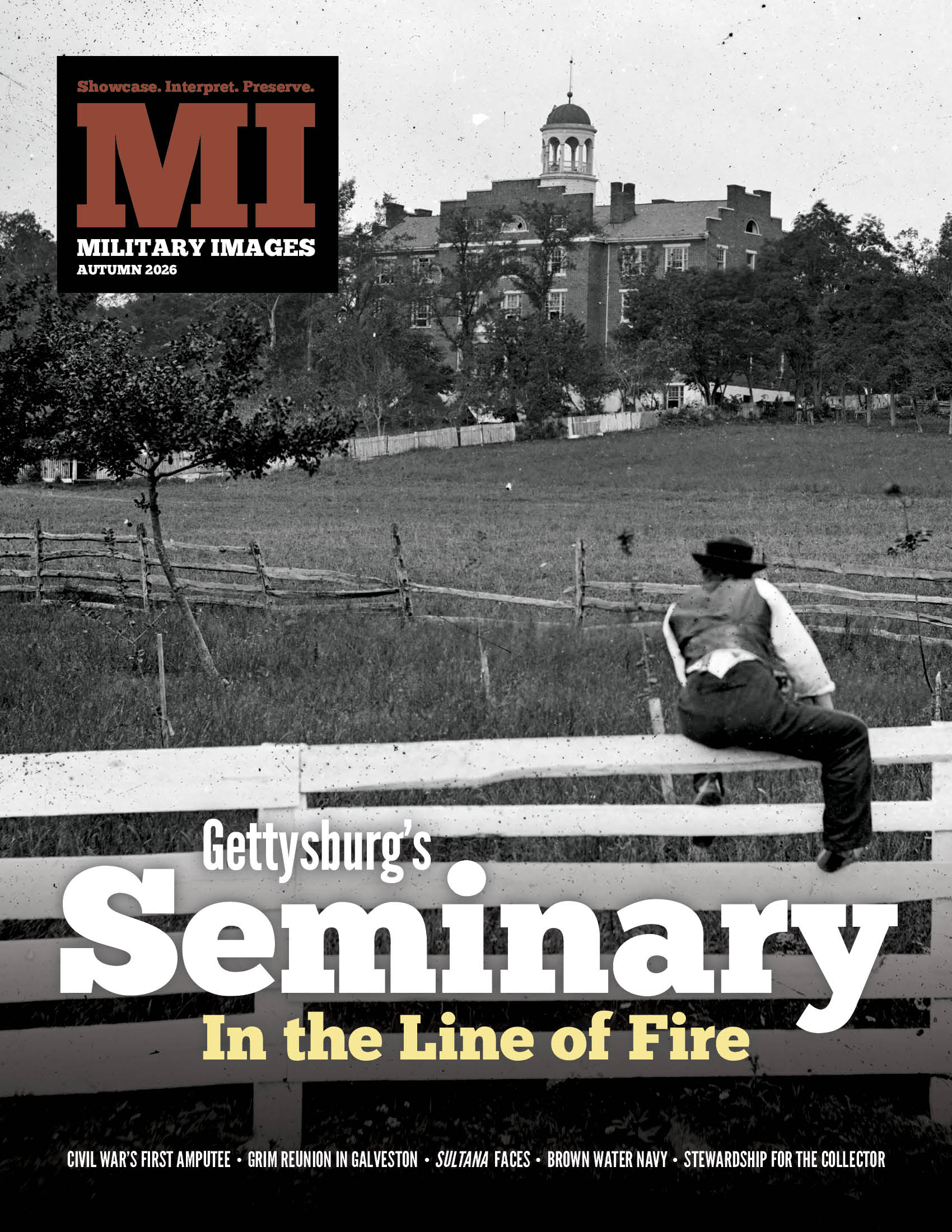
Vol. XLIV, No. 4
(80 pages)

Print edition: Visit our store to check availability
Digital edition: Visit JSTOR.org to purchase
Subscribe or renew your subscription

Explore the MI Archives:
Browse | Advanced search | Tutorial

Inside

Cover
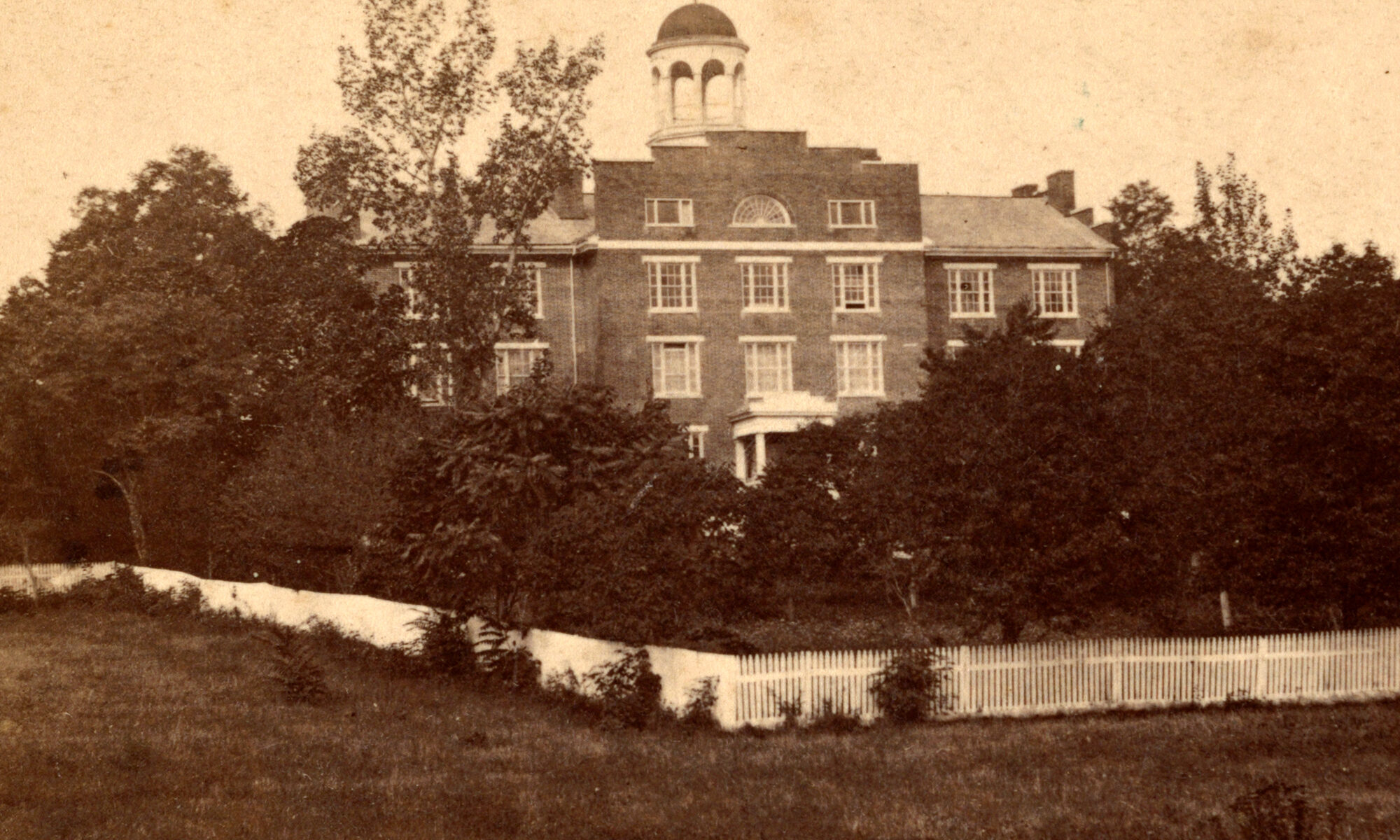
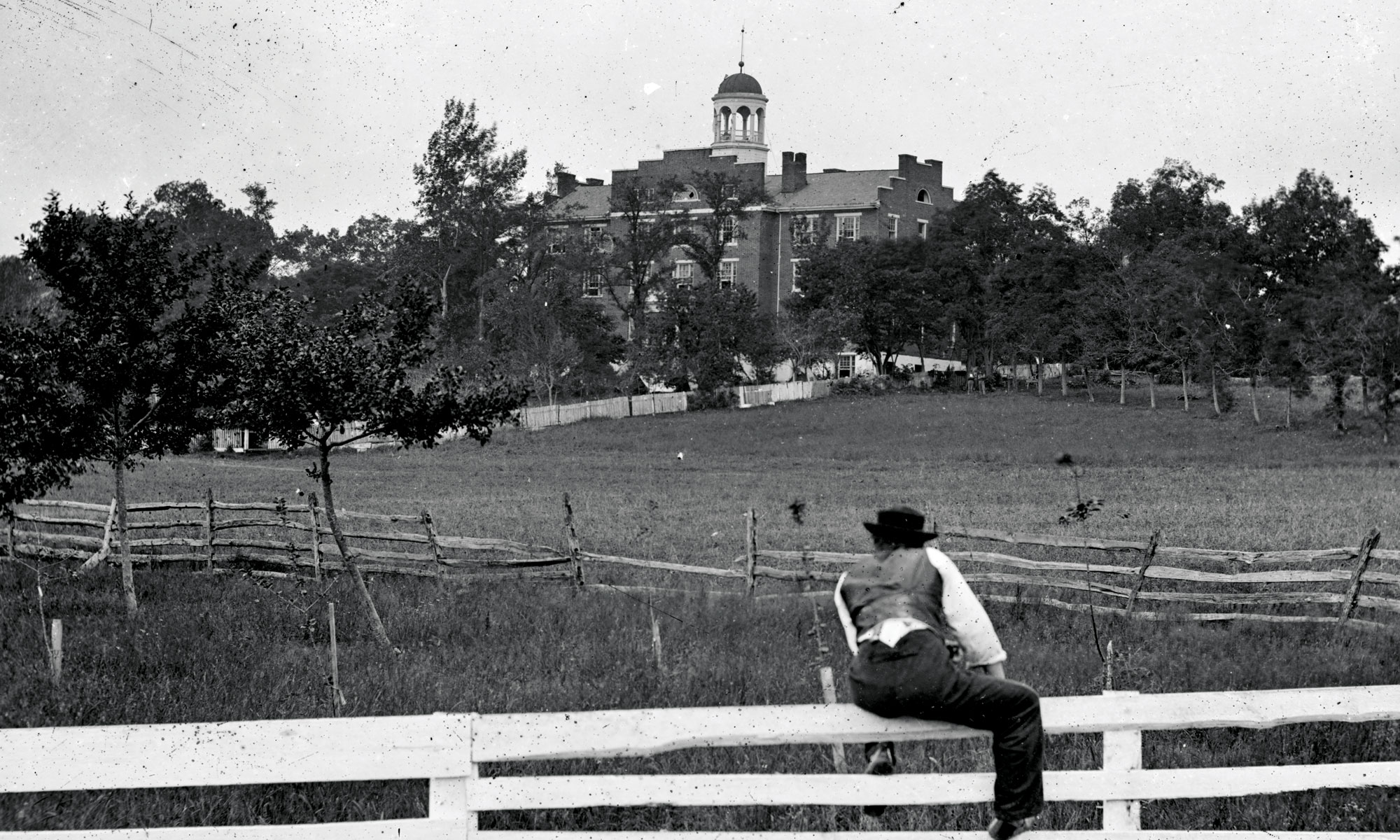
Gettysburg’s Lutheran Theological Seminary photographed by Mathew B. Brady’s team in July 1863.

Table of Contents (p. 1)

Editor’s Desk (p. 2)
A visit to Gettysburg offers hope for the future as a new generation of collectors embraces Civil War photographs and the stories they preserve.

Mail Call (pp. 3-4)
Feedback includes praise from new and veteran subscribers, a request for information about a Sanitary Fair statuette, the identification of a Tennessee officer, and more.

Military Anthropologist (p. 4)
William F. Fox’s Civil War data identifies nine Union infantry regiments that lost more than 100 men killed or mortally wounded in a single battle.

Passing in Review (p. 6)
Reviews of new books on Civil War nurse Cornelia Hancock by Carolyn Ivanoff and Don Troiani and Ron Field’s detailed study of Union and Confederate uniforms.

Photo Sleuth by Stephen Berry and Kurt Luther (pp. 8-9)
A composite photograph of South Carolina legislators reveals the power, politics, racism, and violence surrounding Prince Rivers during Reconstruction.

Antebellum Warriors (p. 10)
Marine officer William Stokes Boyd helped lay the first transatlantic telegraph cable aboard the USS Niagara in 1858, linking Britain and America.

Most Hallowed Ground (p. 12)
Augustus G. Kellogg fought aboard the USS Powhatan at Fort Fisher before embarking on a distinguished 26-year career in the U.S. Navy.

The Honored Few by Evan Phifer (pp. 14-16)
Wounded twice at Gettysburg, Henry S. Huidekoper refused to leave his regiment and later received the Medal of Honor for his courage under fire.

The Citizenry by Richard Look (p. 18)
Two women posed in a Union soldier’s uniform in 1863, connecting their portraits to a Massachusetts family touched deeply by the Civil War.

Of Arms and Men by Phil Spaugy (pp. 20-22)
Union soldiers rallied behind a rail barricade on Seminary Ridge, buying precious time during the first day of the Battle of Gettysburg.

Gettysburg’s Lutheran Seminary in the Line of Fire by Ronald S. Coddington (pp. 24-32)
A Brady photograph reveals Gettysburg’s Lutheran Seminary as a battlefield observation post and hospital during three days of fighting in July 1863.

Within These Walls: Gettysburg’s Seminary Hospital (pp. 34-47)
Portraits and personal accounts reveal the Union soldiers, surgeons, and nurses who experienced Gettysburg’s Seminary hospital during and after the battle.

The Civil War’s First Amputee by Jan K. Herman (pp. 51-52) 
Moses S. Herrick suffered the surgical removal of his foot in an accidental shooting inside the U.S. Capitol, becoming the Civil War’s first documented amputee.

Faces of the Sultana by Gene Eric Salecker (pp. 53-57)
Portraits and stories reveal the soldiers, survivors, and victims of the Sultana disaster, which claimed an estimated 1,164 lives in April 1865.

Grim Reunion at Galveston: A Father and Son on Opposite Sides of the War by Curt Robbins (pp. 61-63)
A Confederate father finds his mortally wounded Union son after the Battle of Galveston, a tragic reunion of family divided by Civil War.

Practical Stewardship for the Modern Collector by Kevin Canberg(pp. 64-65)
How collectors can inventory, plan, and protect their collections while preparing artifacts for the next generation of caretakers.

Different Journeys, Shared Passion by Larry West, Ross J. Kelbaugh, Dr. Robert Drapkin, and Greg French (pp. 66-69)
Four collectors share the discoveries, stories, and unexpected journeys behind their passion for 19th-century photography.

Material Culture by Ron Field (pp. 70-71)
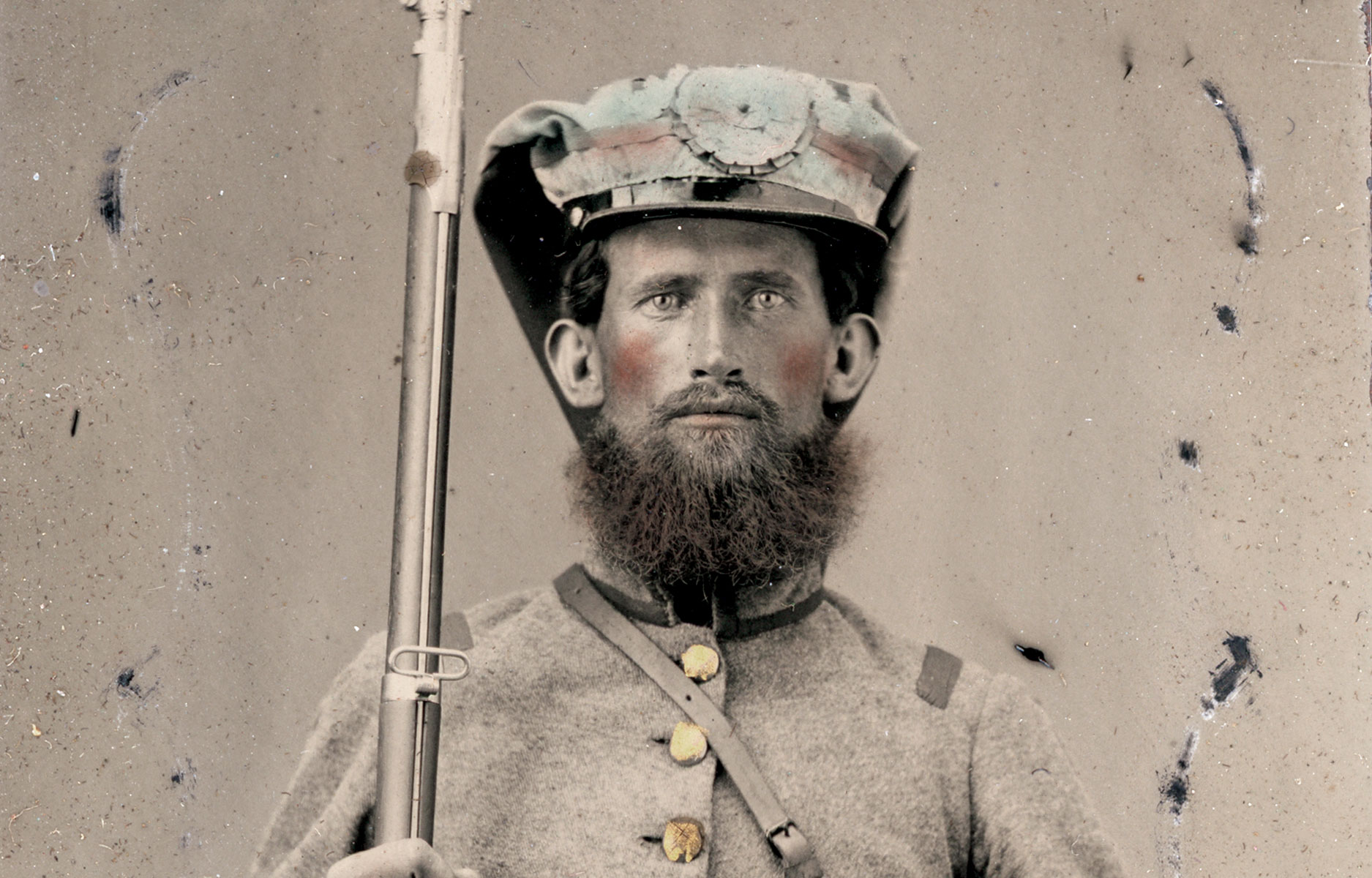
Explore the distinctive Havelock hats worn by Illinois, Iowa, and Wisconsin troops and the manufacturers who supplied them during the Civil War.

Women of War by Melissa A. Wynn (pp. 72-73)
Martha Coston perfected a pyrotechnic signal system that helped Union Navy ships communicate, enforce the blockade, and coordinate operations.

Behind the Backdrop by Buck Zaidel (pp. 74-75)
A portrait reveals how backdrops, military gear, personal objects, and even a pair of worn boots helped photographers tell a soldier’s story.

Vignette by Ronald S. Coddington (p. 76)
Seth Ledyard Phelps helped build the Union’s Brown Water Navy and fought at Forts Henry and Donelson, Shiloh, and in the Vicksburg Campaign.

Stragglers (p. 78)
Three images reveal a fallen Mississippi soldier, an unidentified USCT infantryman, and soldiers punished in barrel shirts.

The Last Shot (p. 80)
A Union infantryman poses as if advancing into battle, armed with a converted musket and Colt revolver in this dramatic Civil War tintype.
See Gettysburg Thorough the Photographer’s Lens

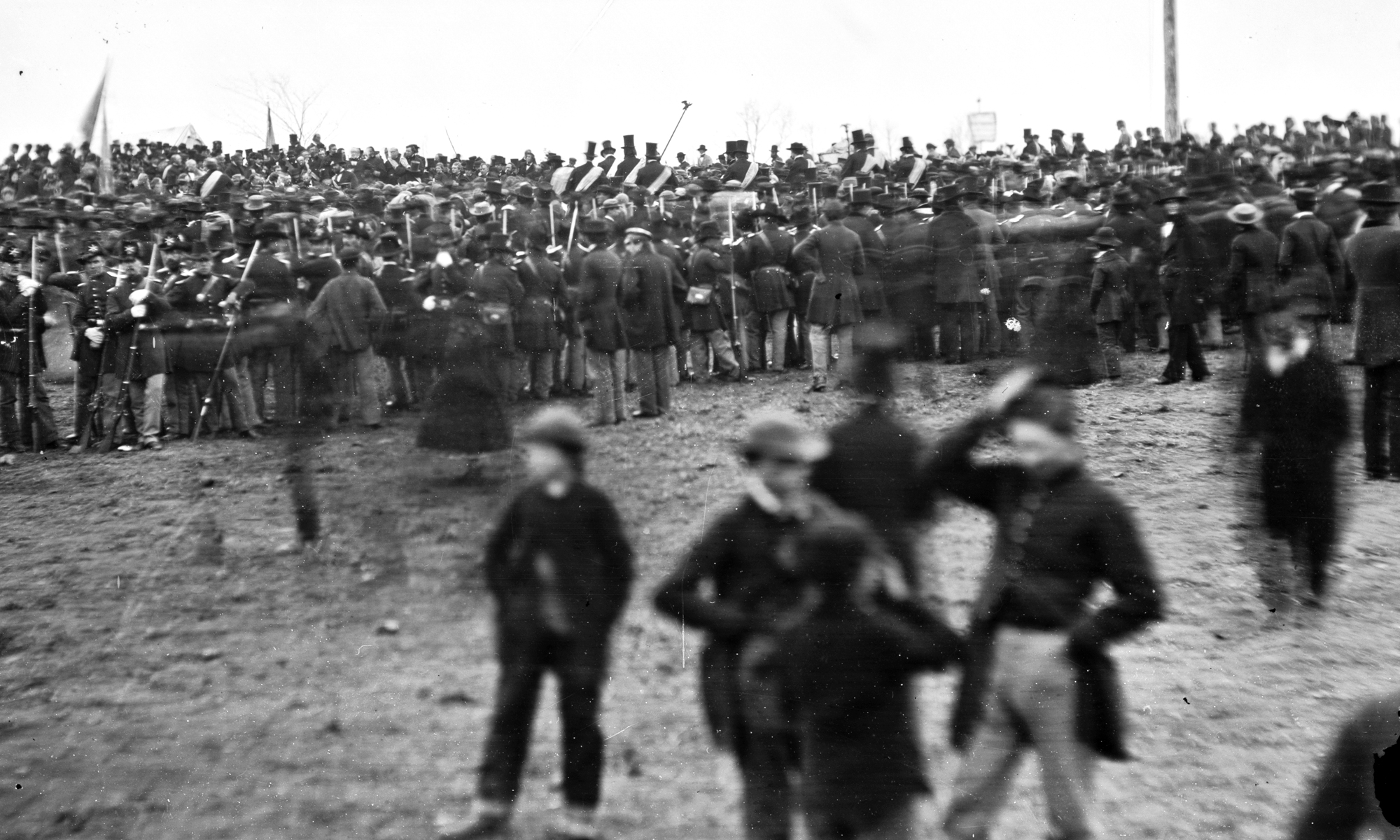
Join Military Images Editor Ron Coddington in Gettysburg, October 2–4, for the Center for Civil War Photography’s 2026 Image of War Seminar—a weekend devoted to experiencing the battlefield through the eyes of the photographers who documented it.

Ron will present “Gettysburg’s Seminary: In the Line of Fire,” based on the Autumn 2026 issue of Military Images and the upcoming exhibit at Seminary Ridge Museum and Education Center. He will also participate in a panel discussion about AI and Civil War photography.

The program brings together Bob Zeller, Garry Adelman, John Richter, William Frassanito, Ron Perisho, Bob Szabo, and other experts. Highlights include battlefield tours, 2-D and 3-D presentations, a hands-on wet-plate photography demonstration, special access to Perisho’s historic photography exhibition, an up-close look at the Adams County Historical Society’s collections, a silent auction, an open mic, book signings, and plenty of conversation and camaraderie.

Registrants will also receive a complimentary copy of the Autumn 2026 issue of Military Images while supplies last.

It promises to be a memorable weekend. I hope you’ll consider joining us!

Learn more and register: https://www.civilwarphotography.org/upcoming-events/

New Exhibit! Sacrifice on Seminary Ridge

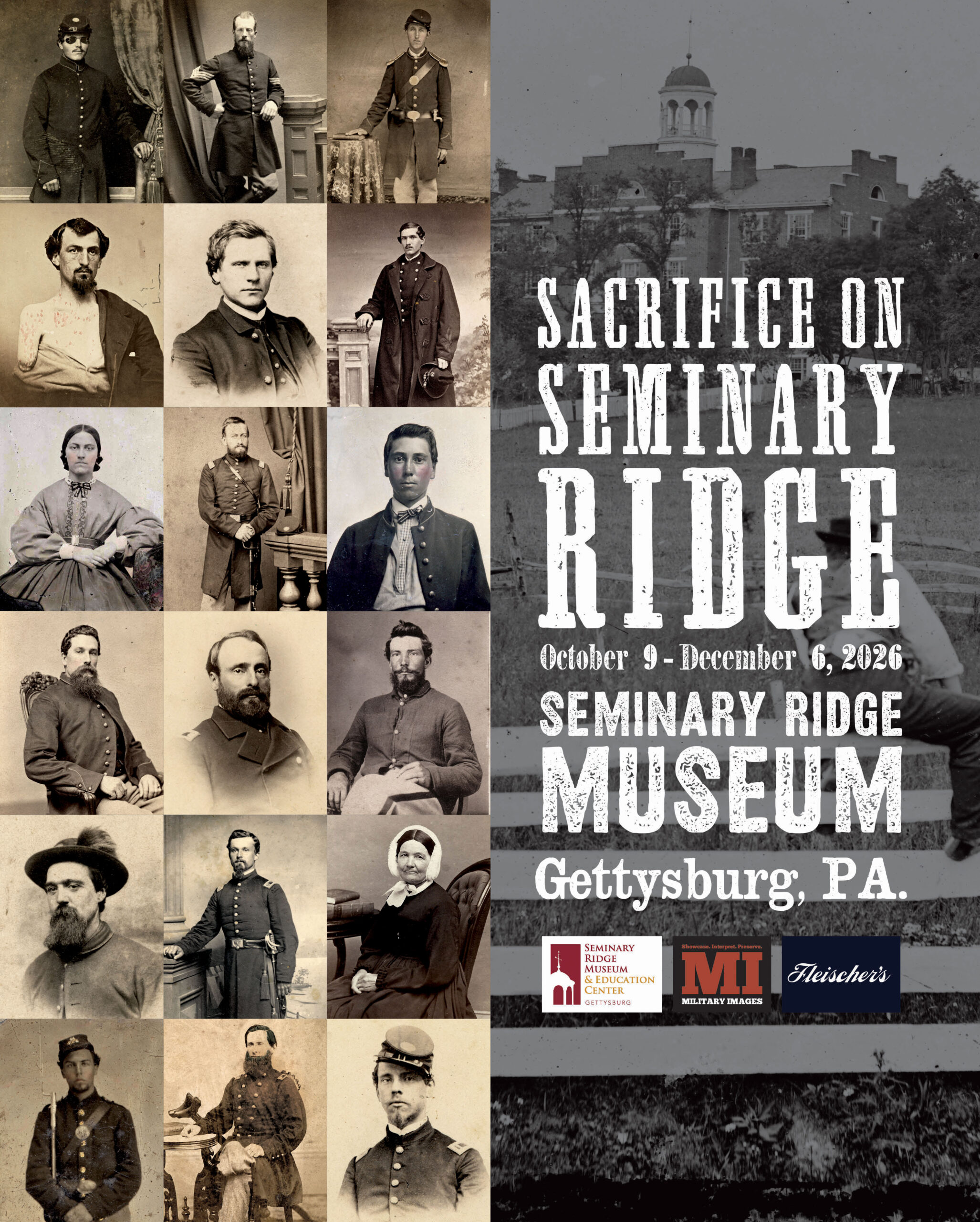
After months of planning, we are thrilled to announce Sacrifice on Seminary Ridge, a special exhibition opening October 9 at the Seminary Ridge Museum and Education Center in Gettysburg.

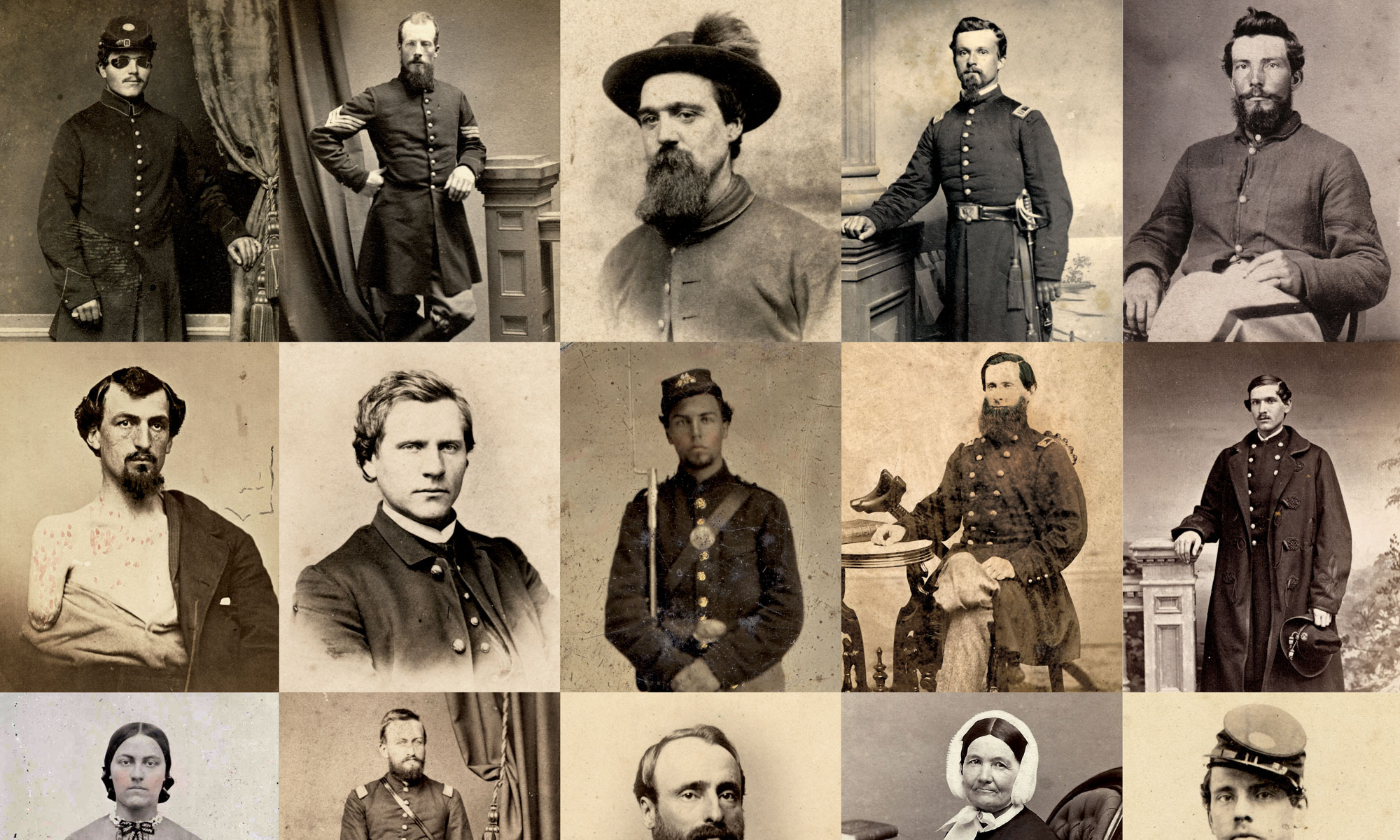
The exhibit uses wartime portraits and personal accounts to tell the stories of Union soldier-patients, surgeons, and nurses whose lives intersected within the walls of the Lutheran Theological Seminary during and after the Battle of Gettysburg. Some fought in the desperate struggle around the Seminary on July 1, 1863. Some entered its hospital grievously wounded. Others worked amid overwhelming suffering to care for them.

The exhibition grew out of a collaboration between the Seminary Ridge Museum and Military Images. Paul Russinoff, a Military Images senior editor and member of the museum’s board, originated the idea and played a key role in making it a reality.

Sacrifice on Seminary Ridge will be on view October 9–December 6, 2026. An opening-night reception will mark its debut.

We are grateful to Fleischer’s Auctions, the exhibition’s exclusive sponsor, for helping make this project possible.

The exhibit also demonstrates the power of the Civil War portrait collecting community. Images were generously shared by Scott Hann, Scott Hilts, Charles T. Joyce, Jeff Kowalis, Jason and Mark Krausz, C. Paul Loane, Faye and Ed Max, Robert May, Ronn Palm, Jim Rivest, Paul Russinoff, Brian White, and Ronald S. Coddington, with assistance from Dale R. Niesen. Additional portraits came from the Adams County Historical Society and The Liljenquist Family Collection at the Library of Congress. By bringing together these long-scattered faces, the community has allowed the soldier-patients, surgeons, and nurses of the Seminary hospital to stand together once more.

The Autumn 2026 issue of Military Images will feature two related articles: Within These Walls, a collection of portraits and accounts featured in the exhibit, and In the Line of Fire, an investigation of a memorable Mathew Brady photograph and what it reveals about the building and grounds in the battle’s aftermath.

Military Images Editor and Publisher Ronald S. Coddington will speak about the project at the Center for Civil War Photography’s conference in Gettysburg, October 2–4.

For more information, contact militaryimages@gmail.com.

Register now to attend the opening (free): Friday, October 9, 2026, 6:00-8:30 p.m., Seminary Ridge Museum and Education Center in Gettysburg: https://www.seminaryridgemuseum.org/events/sacrificeonseminaryridge

Help Find Images for Fort Caspar Museum’s Soldier Cemetery

An effort to find faces of soldiers is underway at Wyoming’s Fort Caspar Museum—and the Civil War collecting community may be able to help.

Over the past several years, historian and museum director Johanna Wickman has led an ambitious project to honor soldiers who died while serving in the American West. What began decades ago with eleven commemorative headstones has grown into a memorial honoring 60 soldiers whose original graves have been lost to time. A dedication with full military honors is planned for June 19, 2027.

Johanna is now preparing a book about these men and is searching for original, identified photographs.

If you own an identified image of one of the soldiers in the project database and are willing to share it, please contact Johanna.

She is also seeking:
• Original letters or other firsthand documents relating to these soldiers.
• Identified photographs of soldiers who served at Fort Caspar and survived.
• Connections with descendants of the honored soldiers and their regiments, who are invited to participate in the 2027 dedication ceremony.

Learn more about the Fort Caspar Cemetery Project, and visit the Fort Caspar Museum Association for additional information about how to support them.

Follow them on Facebook.

The Summer 2026 Issue

A complete table of contents for the Summer 2026 issue of Military Images magazine, and information about how to purchase single issues and subscriptions.

Vol. XLIV, No. 3
(80 pages)

Print edition: Visit our store to check availability
Digital edition: Visit JSTOR.org to purchase
Subscribe or renew your subscription

Explore the MI Archives:
Browse | Advanced search | Tutorial

Inside

Cover
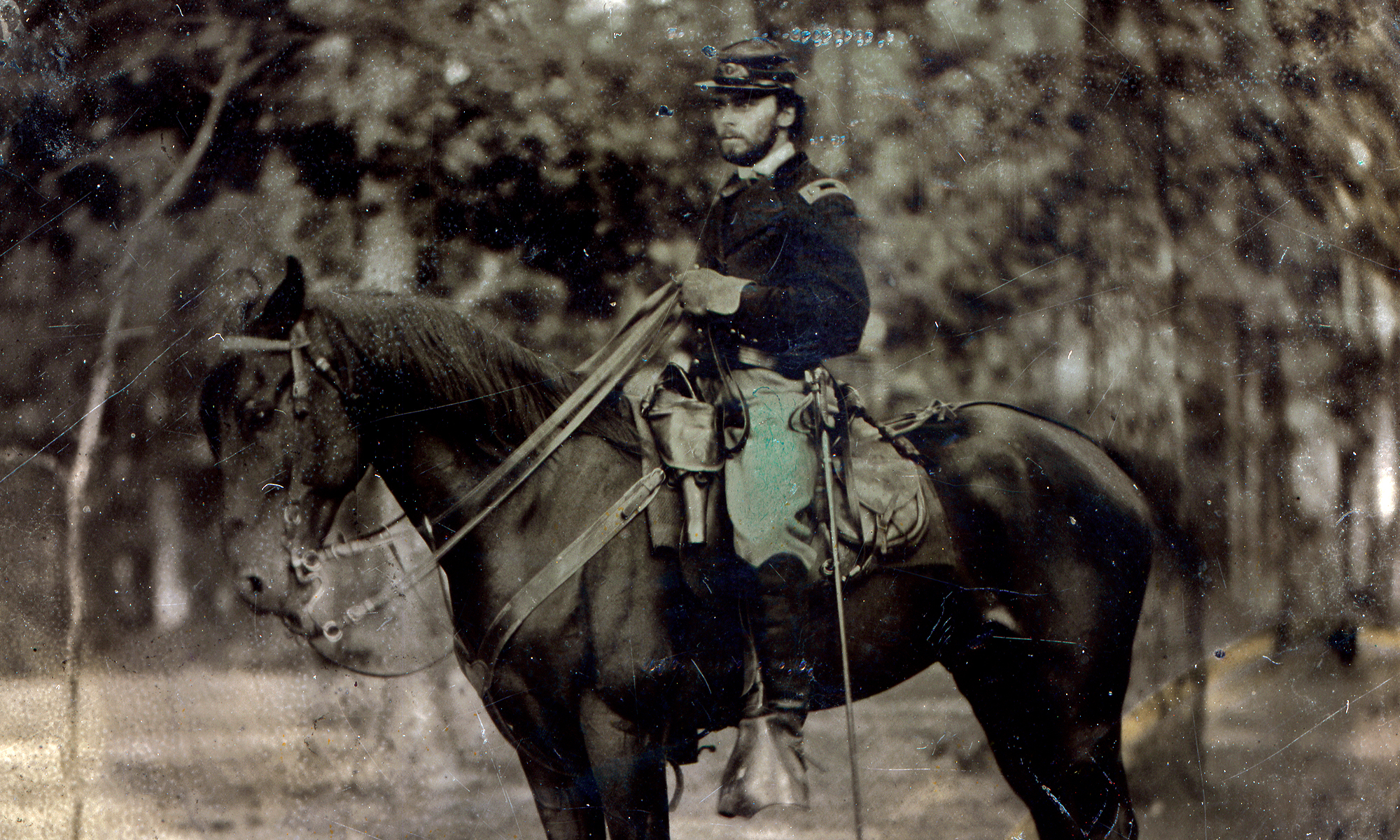
A tintype of Lt. Col. William A. Throop of the 1st Michigan Infantry on horseback beneath the shade of trees.

Table of Contents (p. 1)

Editor’s Desk (p. 2)
Thoughtful planning can help collectors find future caretakers for Civil War images and artifacts while easing the burden on loved ones.

Mail Call (pp. 3-4)
Feedback includes praise from new and veteran subscribers, and corrections on a weapon identification and a death place.

Military Anthropologist (p. 4)
Data reveals how emergency militia call-ups from New York, Pennsylvania, Illinois, and Indiana reinforced Union defenses during key Civil War crises.

Passing in Review (p. 6)
Reviews of two new books: Scott Hippensteel’s Civil War Photo Forensics and the first volume of James McLean’s regimental history of The 14th New York State Militia in the Civil War.

Photo Sleuth by Kurt Luther and Bryan Cheeseboro (pp. 8-13)
The identification of three rare U.S. Colored Troops group portraits, revealing their regiments, forts, photographer, and early postwar service in Washington, D.C.

Antebellum Warriors (p. 14)
A daguerreotype by Henry Earle Insley depicts a U.S. Army captain during the Mexican War era. Uniform details offer clues, but his identity remains unknown.

Most Hallowed Ground (p. 16)
Capt. George “Van” Vanderbilt led a daring cavalry action at Bristoe Station, delaying Confederates and helping secure a Union victory.

The Honored Few by Evan Phifer (pp. 18-20)
Artilleryman Frederick W. Fout earned the Medal of Honor for rallying abandoned guns during the 1862 siege and surrender of Harpers Ferry.

The Citizenry by Elizabeth A. Topping (pp. 22-24)
General George McClellan’s wife, Nelly, embraced society life, drew criticism for limited wartime charity work, and remained devoted to him until his death.

Of Arms and Men by Phil Spaugy (pp. 26-27)
Phil investigates three Ohio soldiers, Austrian Lorenz muskets, and conflicting evidence that challenges a long-accepted identification.

Gettysburg: Echoes of Three Days in July 1863 Curated by Charles Joyce, with contributions from Rick Brown, Scott Hann, Robert May, Dale Niesen, Paul Russinoff, and Melissa Winn (pp. 29-43)
Portraits and stories reveal stories of courage, sacrifice, wounds, death, and survival across three days of the Battle of Gettysburg.

War Compromised His Health. Photography Gave Him a New Lease on Life. The Life and Times of Enos F. Hilton, 8th Missouri State Militia Cavalry by M. Jane Johansson (pp. 44-47)
Civil War cavalryman Enos F. Hilton battled illness, reinvented himself as a photographer, and documented Colorado boomtowns.

Mountain Legion: The hard-fighting 156th New York Infantry in the Eastern and Western Theaters by Kyle A. Williams and Paul D. Thompson(pp. 48-55)
The 156th New York Infantry fought from Louisiana bayous to the Shenandoah Valley, earning distinction in both the Eastern and Western Theaters.

Rocket Man: Acting Signal Officer George H. Felt and his innovative pyrotechnics by Dale R. Niesen and Ronald S. Coddington (pp. 56-61)
Acting Signal Officer George H. Felt developed innovative signal rockets and coded pyrotechnics that sought to transform Civil War communications.

Material Culture by Ronald S. Coddington (p. 64)
Though linked to Confederate forces, Maynard carbines also armed select Union cavalry regiments, including the 1st Wisconsin and 9th Pennsylvania.

Women of War by Melissa A. Wynn (pp. 66-68)
Educator Emma Brown Montgomery devoted her life to teaching Black children during and after the Civil War, leaving a lasting legacy in Washington, D.C.

Behind the Backdrop by Buck Zaidel (pp. 70-71)
Four cartes de visite reveal how photographer J.P. Ball used painted backdrops to distinguish civilian life from military service in wartime Cincinnati.

Vignette by Scott Valentine (p. 72)
Colonel John A. Koltes fell leading a charge at Second Bull Run. His blood-stained scabbard rested atop his casket during a well-attended funeral in Philadelphia.

Stragglers (pp. 75-77)
Confederate Capt. William Pratt Parks, Sgt. John W. Taylor, Capt. Samuel D. Irvin, a Zouave, and a portrait of a print of Col. Elmer E. Ellsworth.

The Last Shot by Robert May(p. 80)
Color Sergeant John A. Kiggins repaired his regiment’s flagpole at Gettysburg and earned the Medal of Honor for heroism at Lookout Mountain.

Faces of Gettysburg’s Seminary Hospital: A Research Update

One Friday last January, I drove to Gettysburg to visit the Seminary Ridge Museum and met with Codie Eash, the Director of Education and Interpretation, and Paul Russinoff, a Military Images senior editor and a member of the museum’s board. Paul organized the meeting to discuss an idea—an exhibit of images of surgeons, patients, and attendants who were on the seminary grounds used as a temporary hospital during the three-day battle.

The meeting was a success, and it kicked off a larger effort to locate original, wartime, photographic portraits of those who were there. The project began with a remarkable dataset: a documented list of 498 patients treated at the hospital during and after the Battle of Gettysburg, along with registries of 147 attendants and 30 surgeons who cared for them—675 unique individuals.

Here’s an update on our progress.

The first and most important phase of the project relied on the generosity of collectors. Through social media, personal outreach, and the support of the Civil War photography community, collectors shared images from their collections and helped identify individuals connected to the hospital. Their contributions formed the foundation of this effort.

As the project evolved, we explored new research methods alongside traditional approaches. Using Artificial Intelligence and Large Language Models, we compared the 675-person list against thousands of identified Civil War photographs. We searched about 6,600 records of Union images published in Military Images and analyzed more than 9,000 images in the Library of Congress’s Liljenquist Family Collection of Civil War Photographs. Using ChatGPT to assist our efforts, we were able to compare the datasets, surface potential matches, and direct our attention to promising leads that were then verified through traditional historical research.

To date, we have identified 25 unique individuals connected to the Seminary Hospital for whom original wartime photographs are known to survive. Some are represented by multiple views.

This work would not have been possible without the efforts of many individuals. In addition to Paul and Codie, thanks tot he collecting community who responded to the call: Sid Dreese, Scott Hahn, Scott Hilts, Chuck Joyce, Paul Loane, Ronn Palm, Jim Rivest, and Tom Liljenquist and the staff of the Library of Congress.

While our analysis of major image databases is largely complete, the search continues. We will continue to crowdsource through social media, collector networks, descendants, and institutional contacts in hopes of locating additional photographs.

It is not too late to participate! Here’s the spreadsheet.

The exhibit is expected to open at the Seminary Ridge Museum this September. The opening is planned to coincide with the annual symposium of the Center for Civil War Photography, which will be held in Gettysburg, where the project will be shared with attendees—and, of course, with a wider audience of historians, collectors, and Civil War enthusiasts.

Onward!

Ronald S. Coddington
Editor & Publisher

From Gettysburg to Saratoga Springs, our Education Program Continues to Grow

We’re proud to announce that the New York State Military Museum has joined the Kenneth J. Bertholf Jr. Civil War History Education Program—our 65th site!

The addition of the museum puts another subscription into workers on the front lines of history— a growing network of battlefields, museums, libraries, archives, and historic sites committed to preserving and sharing the stories of the American past through education, research, and public engagement.

The Bertholf Program provides participating institutions with complimentary subscriptions to Military Images magazine and educational resources focused on Civil War portrait photography and material culture. The program is open to national battlefields, historical sites, and non-profit organizations connected to American history.

Learn more: https://militaryimagesmagazine.com/2023/11/30/the-kenneth-j-bertholf-jr-civil-war-history-education-program/

Fund a participating site or organization: https://shopmilitaryimages.com/collections/support-history/products/the-kenneth-j-bertholf-jr-civil-war-history-education-program

Want to nominate a deserving group? Contact militaryimages@gmail.com.

Participating institutions currently include sites and organizations such as Gettysburg National Military Park, Harpers Ferry National Historical Park, the National Museum of Civil War Medicine, the Library of Congress, the National Portrait Gallery, and many others across the country.

We’re grateful to every supporter helping to connect students of the Civil War and American history through period portrait photography.

Photo: Wikimedia

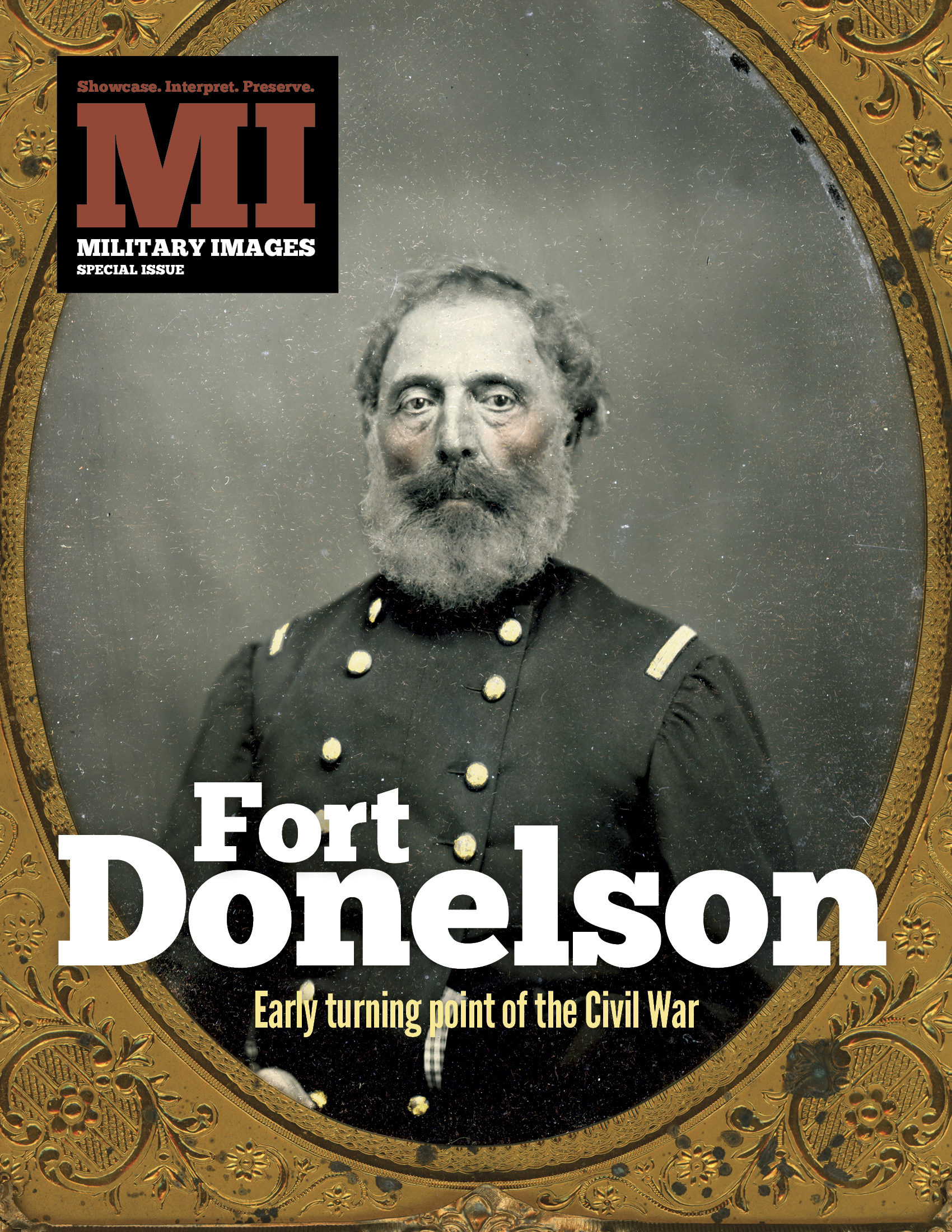
New Special Issue Tells the Fort Donelson Story Through Photos and Stories of Those Who Were There

A new special issue from Military Images and John Walsh brings the story of Fort Donelson to life through powerful portraits and firsthand accounts.

Originally published as the cover story in our Winter 2025 issue, this 20-page presentation by John Walsh—founder of Fort Donelson Relics and a lifelong student of the Western Theater—offers a deeply informed and personal look at one of the Civil War’s pivotal early victories.

As Walsh writes, the Union triumph in February 1862 “broke the back of the secession serpent.” The fall of the fort triggered the surrender of 14,600 Confederates, opened vital rivers, and led to the loss of Nashville—while elevating a little-known general, Ulysses S. Grant, to national prominence with his demand for unconditional surrender.

From the twin blows at Fort Henry and Donelson—supported by the ironclads of Andrew H. Foote—to the engagement of more than 40,000 soldiers, this issue captures the human dimension of the campaign through the faces and stories of those who were there.

Walsh, who lives near Fort Donelson National Battlefield, has spent decades preserving relics and advancing understanding of the soldiers who fought on this ground. His work reflects a commitment to responsible collecting, historical research, and battlefield preservation.

Founded in 1979, Military Images is dedicated to showcasing, interpreting, and preserving Civil War portrait photography—and the stories behind the faces.

Get your copy for $10 plus shipping at shopmilitaryimages.com.

Military Images Represents Civil War Portrait Photography at the Rich Mountain Symposium

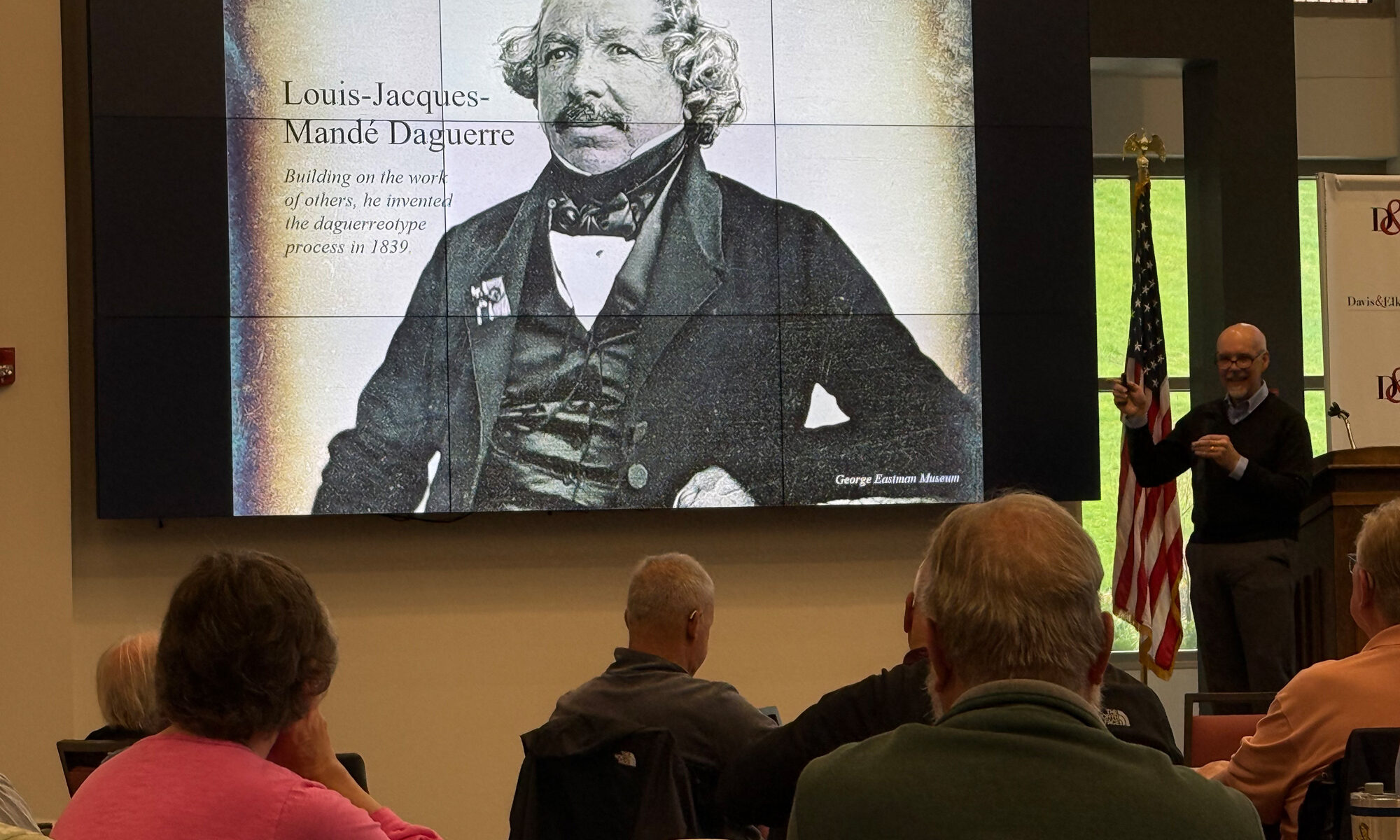
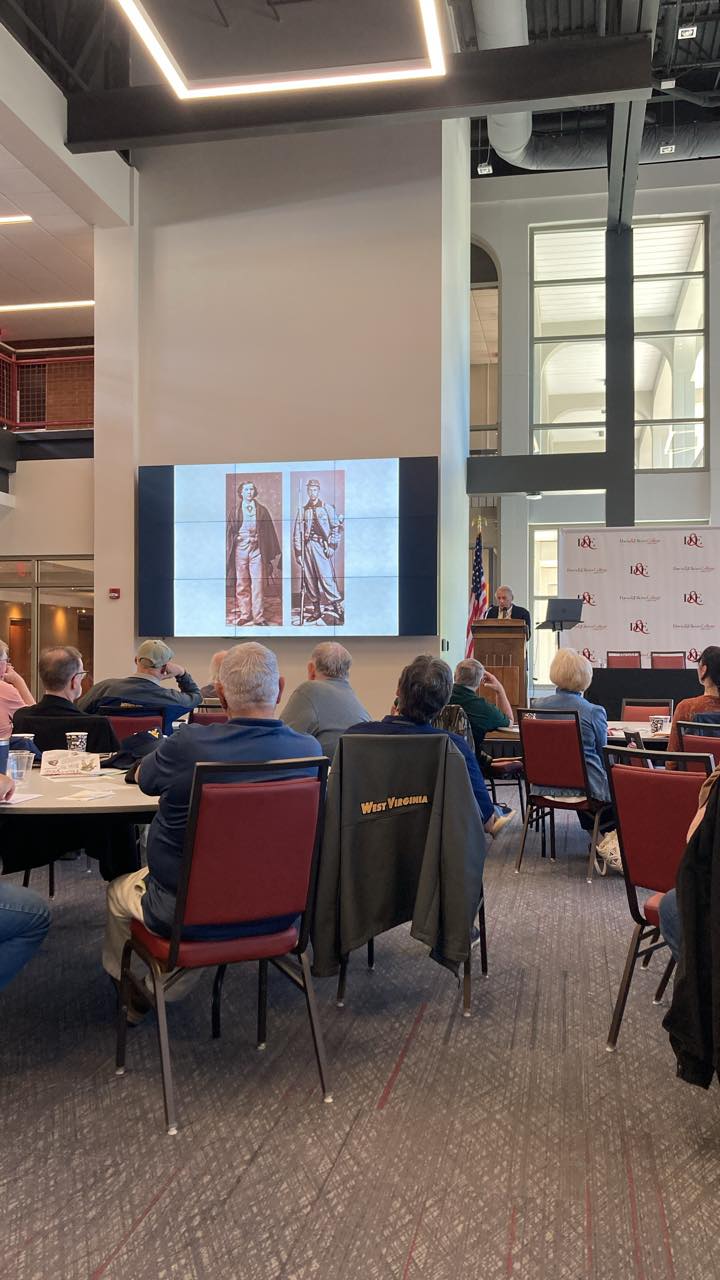
I was honored to attend and represent Civil War portrait photography in all its forms—daguerreotypes, ambrotypes, tintypes, cartes de visite, and other albumen prints—at the recent symposium, “Chronicling the Fight: Art & Photography of the Civil War,” presented by The Rich Mountain Battlefield Foundation and Davis & Elkins College in Elkins, W. Va.

Cliff Krainik discusses the career and contributions of Mathew Brady. (Military Images)

Held near the historic Rich Mountain battlefield, the setting placed us squarely on ground tied to the 1861 Western Virginia Campaign—an early and decisive phase of the war that helped secure the region for the Union and set the stage for the creation of West Virginia. You students of the Civil War know the names associated with this campaign: George B. McClellan, whose success here helped launch his national reputation; William S. Rosecrans, whose flanking movement at Rich Mountain proved decisive; Lew Wallace, then early in his wartime service; and Robert E. Lee, whose struggles in the rugged terrain marked one of the few setbacks in his military career.

My sincere thanks to Rick Wolfe for the invitation and to the entire team at Davis & Elkins for their warm welcome and thoughtful hospitality. The setting, organization, and attention to detail made for an outstanding experience from start to finish.

The symposium itself was exceptionally well structured: four engaging presentations spaced comfortably throughout the day, a welcome lunch break that encouraged conversation, and a terrific panel discussion that brought all the speakers together for a lively and insightful exchange.

My fellow presenters inspired me: Rick Wolfe on “Photos and Stories of West Virginia Soldiers,” Hunter Lesser discussing “Artists at War: The First Campaign,” and the legendary Cliff Krainik sharing his knowledge about “The Incomparable Civil War Photographer, Mathew B. Brady.”

Last but not least, I very much appreciated the audience—curious, engaged, and asking thoughtful questions that elevated the discussion. The combination of venue, pacing, and participation created a comfortable atmosphere. I left energized!

For more about the Rich Mountain Battlefield and its history, visit: https://beverlyheritagecenter.org/rich-mountain-battlefield/

Calling for Images of Gettysburg’s Seminary Hospital Patients

I’m delighted to announce that Military Images magazine is partnering with Gettysburg’s Seminary Ridge Museum and Education Center on a new exhibit featuring soldiers who were treated at, or worked in, the Seminary Hospital in the aftermath of the battle.

We are looking to make digital copies of original, identified ambrotypes, tintypes, cartes de visite or other albumen prints of soldiers associated with the Seminary Hospital that will be featured in the exhibit. And we’re reaching out to the collecting community to assist our efforts.

The museum has compiled a database of almost 500 soldiers who were either patients, surgeons, or attendants at the hospital—and this database is available for searching. Tip: You’ll find two tabs at the bottom, alphabetically by last name, and by state and regiment:
https://docs.google.com/spreadsheets/d/1khmnz3fBe3AcxoIlh8FrpRfJgUm9XZRWk-Rxs-uffEQ/edit?usp=sharing

If you have an original wartime portrait of one of these soldiers and would like to share it for possible inclusion in the exhibit, please contact:

Paul Russinoff: prussinoff@aol.com
Ron Coddington: militaryimages@gmail.com

Gettysburg’s Lutheran Seminary is arguably one of the most important buildings connected with the battle. Its landmark cupola was critical to both Union and Confederate forces in assessing enemy troop locations. Within its walls, hundreds of Union and Confederate soldiers were treated for serious wounds, and many died. After an extensive restoration, the Seminary Museum opened in 2013 and houses four floors of exhibits tracing its role in the battle and exploring the question of what brought armies of Americans to this Pennsylvania town in 1863.

Thanks in advance for your help!

Paul and Ron