Help Find Images for Fort Caspar Museum’s Soldier Cemetery

An effort to find faces of soldiers is underway at Wyoming’s Fort Caspar Museum—and the Civil War collecting community may be able to help.

Over the past several years, historian and museum director Johanna Wickman has led an ambitious project to honor soldiers who died while serving in the American West. What began decades ago with eleven commemorative headstones has grown into a memorial honoring 60 soldiers whose original graves have been lost to time. A dedication with full military honors is planned for June 19, 2027.

Johanna is now preparing a book about these men and is searching for original, identified photographs.

If you own an identified image of one of the soldiers in the project database and are willing to share it, please contact Johanna.

She is also seeking:
Original letters or other firsthand documents relating to these soldiers.
Identified photographs of soldiers who served at Fort Caspar and survived.
Connections with descendants of the honored soldiers and their regiments, who are invited to participate in the 2027 dedication ceremony.

Learn more about the Fort Caspar Cemetery Project, and visit the Fort Caspar Museum Association for additional information about how to support them.

Follow them on Facebook.

Faces of Gettysburg’s Seminary Hospital: A Research Update

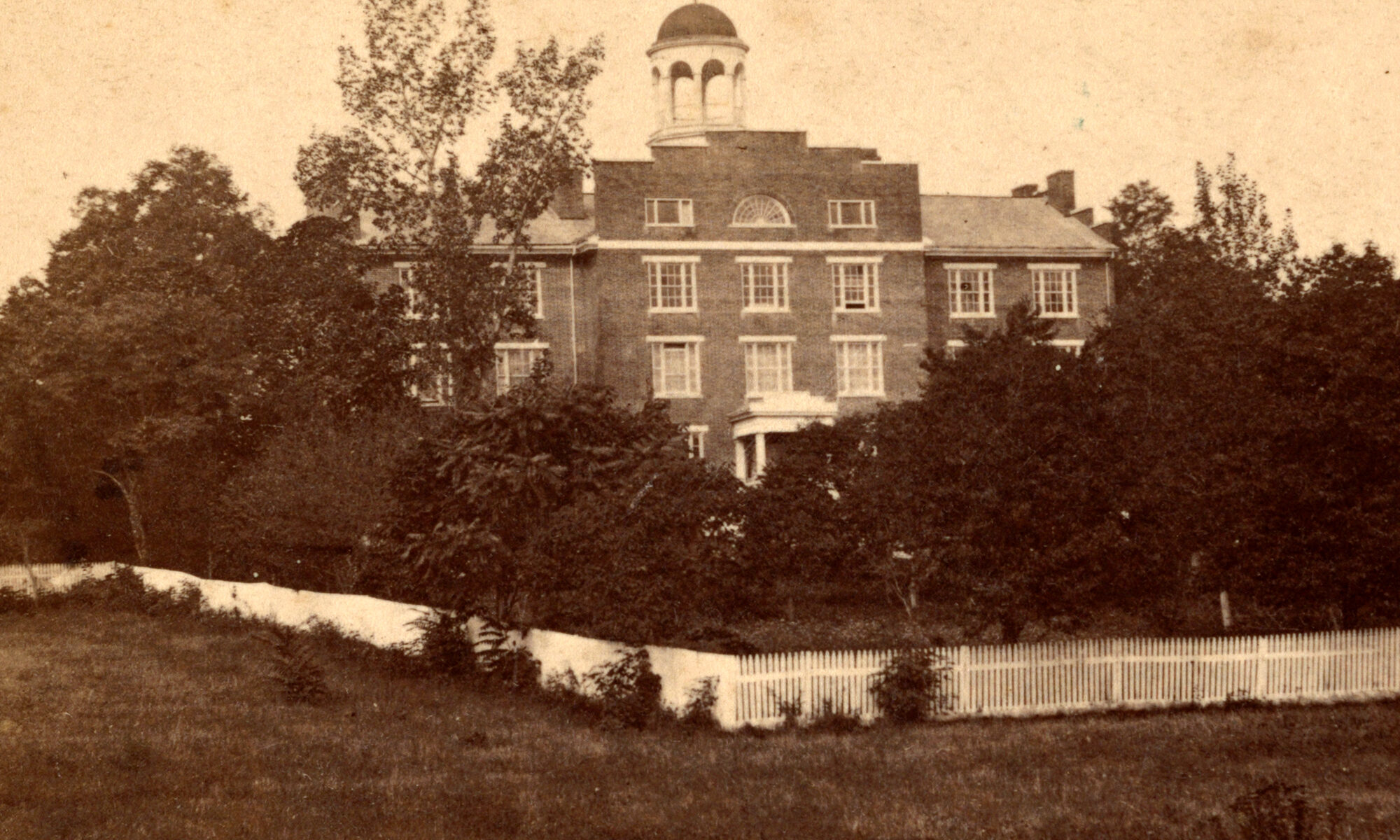
One Friday last January, I drove to Gettysburg to visit the Seminary Ridge Museum and met with Codie Eash, the Director of Education and Interpretation, and Paul Russinoff, a Military Images senior editor and a member of the museum’s board. Paul organized the meeting to discuss an idea—an exhibit of images of surgeons, patients, and attendants who were on the seminary grounds used as a temporary hospital during the three-day battle.

The meeting was a success, and it kicked off a larger effort to locate original, wartime, photographic portraits of those who were there. The project began with a remarkable dataset: a documented list of 498 patients treated at the hospital during and after the Battle of Gettysburg, along with registries of 147 attendants and 30 surgeons who cared for them—675 unique individuals.

Here’s an update on our progress.

The first and most important phase of the project relied on the generosity of collectors. Through social media, personal outreach, and the support of the Civil War photography community, collectors shared images from their collections and helped identify individuals connected to the hospital. Their contributions formed the foundation of this effort.

As the project evolved, we explored new research methods alongside traditional approaches. Using Artificial Intelligence and Large Language Models, we compared the 675-person list against thousands of identified Civil War photographs. We searched about 6,600 records of Union images published in Military Images and analyzed more than 9,000 images in the Library of Congress’s Liljenquist Family Collection of Civil War Photographs. Using ChatGPT to assist our efforts, we were able to compare the datasets, surface potential matches, and direct our attention to promising leads that were then verified through traditional historical research.

To date, we have identified 25 unique individuals connected to the Seminary Hospital for whom original wartime photographs are known to survive. Some are represented by multiple views.

This work would not have been possible without the efforts of many individuals. In addition to Paul and Codie, thanks tot he collecting community who responded to the call: Sid Dreese, Scott Hahn, Scott Hilts, Chuck Joyce, Paul Loane, Ronn Palm, Jim Rivest, and Tom Liljenquist and the staff of the Library of Congress.

While our analysis of major image databases is largely complete, the search continues. We will continue to crowdsource through social media, collector networks, descendants, and institutional contacts in hopes of locating additional photographs.

It is not too late to participate! Here’s the spreadsheet.

The exhibit is expected to open at the Seminary Ridge Museum this September. The opening is planned to coincide with the annual symposium of the Center for Civil War Photography, which will be held in Gettysburg, where the project will be shared with attendees—and, of course, with a wider audience of historians, collectors, and Civil War enthusiasts.

Onward!

Ronald S. Coddington
Editor & Publisher
Military Images Connects Local Historians Writing a Book With a Civil War Era Photograph

Since its founding in 1979, Military Images magazine has played a vital role in connecting authors, historians, and researchers with compelling photographs to illustrate their work. As the only publication dedicated solely to the study and appreciation of Civil War portrait photography, Military Images has cultivated a vast network of collectors, archivists, and history enthusiasts who contribute to preserving these invaluable visual records.

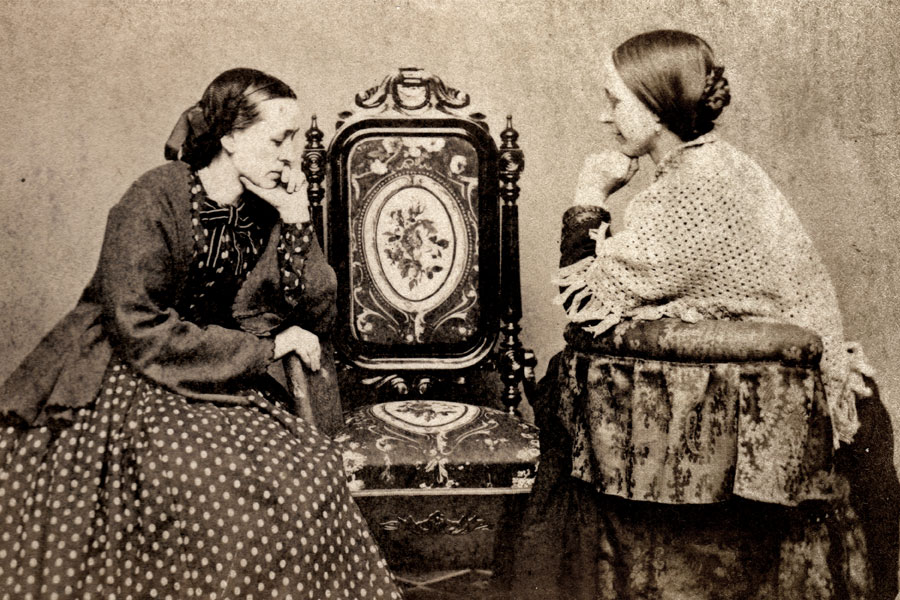
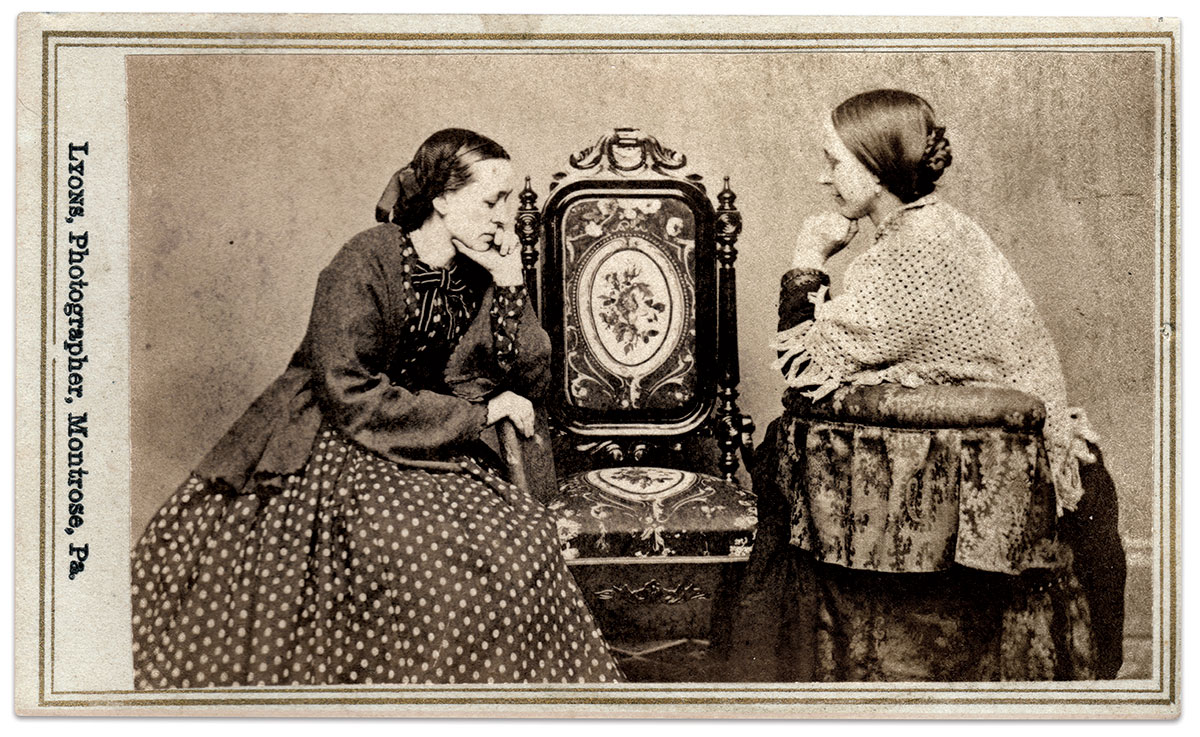
The latest example of our ongoing mission involves Kingston 300, Inc., a non-profit organization preparing to publish Tales of Jones River Village: Kingston’s 300 Years, a book celebrating the tricentennial of Kingston, Massachusetts, in 2026. As part of their effort to tell the town’s rich history, Ken Brack. One of the volunteers working on the project, reached out to request permission to publish the poignant image here of two women glancing at an empty chair, which appeared in the Autumn 2023 issue of the magazine to illustrate “Symbol of Remembrance: The Vacant Chair” by Elizabeth A. Topping. The image is in Elizabeth’s collection.

“The Vacant Chair,” a poem written by Henry Stevenson Washburn following the Battle of Ball’s Bluff, Va., in October 1861, edited national attention after George F. Root pirated the song in 1862 and set the words to music. Washburn lived in Kingston at one time. According to Brack, Kingston 300, Inc. plans to publish a short story about Washburn in the forthcoming book.

Brack discovered Elizabeth’s story and photograph in our digital edition and reached out for permission, which Elizabeth granted. 

Making the connection between Elizabeth and Brack is another testament to how Military Images bridges the past and present through curated photographic content.

By facilitating access to historically significant imagery, Military Images strengthens the narratives of authors and researchers, ensuring that stories of the past are not only told but visually brought to life. This latest collaboration with Kingston 300, Inc. underscores the magazine’s long-standing commitment to historical preservation and education. As Military Images approaches its 50th anniversary, it remains a trusted resource for those seeking to honor and understand America’s military history through the power of photography.

Preserving History, Shaping the Present at a National Military Park

At Military Images, we know that every historical photograph is more than just an image—it’s a window into the past, offering valuable insights for today’s Americans. That’s why we were honored to receive a recent request from the National Park Service to include one of our published photographs in a Cultural Landscape Report for Chickamauga and Chattanooga National Military Park’s Point Park.

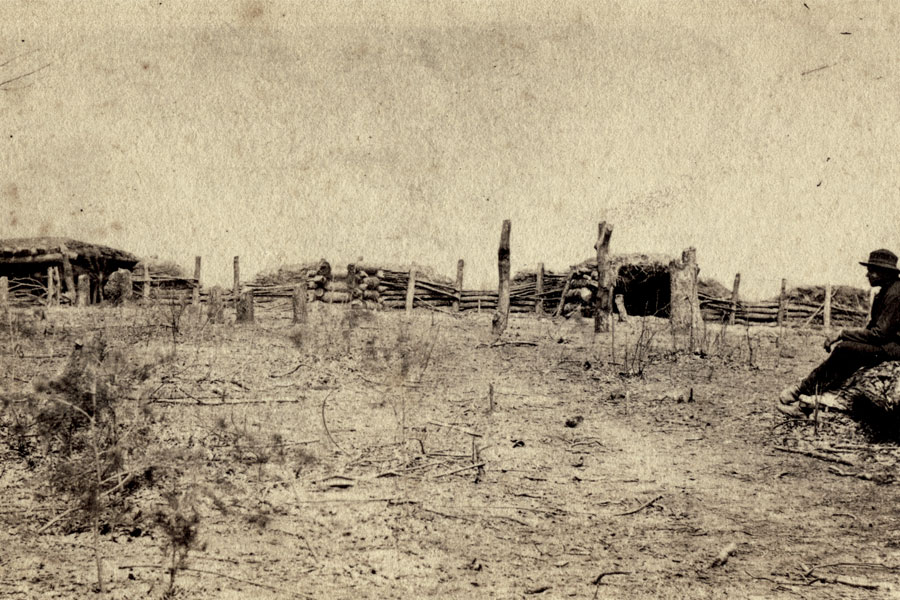
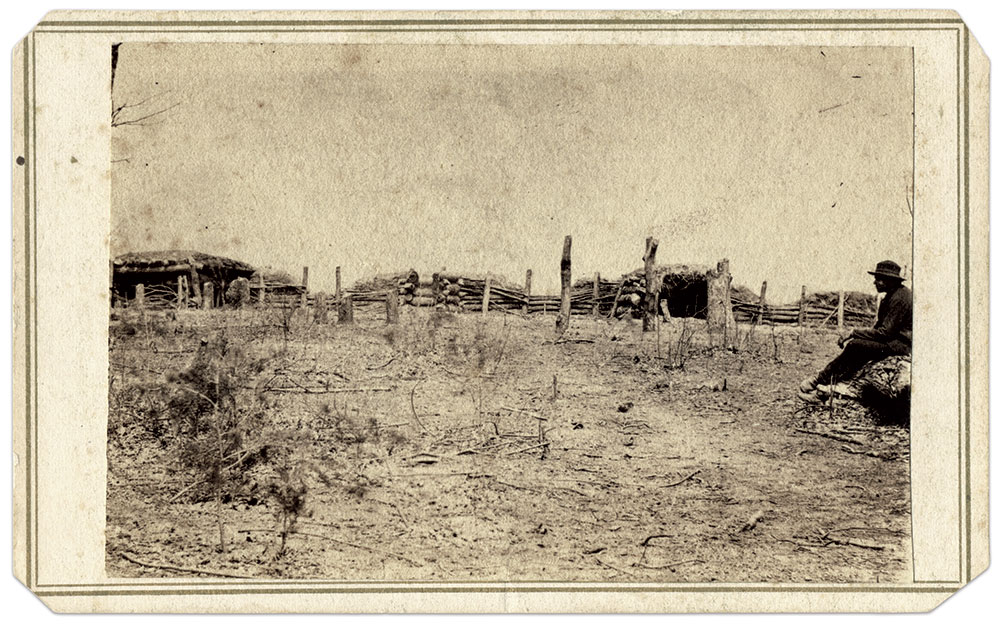
The image, a rare carte de visite of a Confederate military encampment atop Lookout Mountain, was originally featured in our Autumn 2018 issue as part of a “Linns of Lookout.” Its inclusion in this report underscores the continued relevance of Civil War photography.

The owner of the image, Dr. Anthony Hodges, a lifelong collector and dedicated steward of Chickamauga and Chattanooga history, has spent more than 40 years serving the National Military Park. His passion for historical preservation is a reminder that these images are not just relics of the past—they are essential to understanding our national story.

This request is just one example of how Military Images contributes to our ongoing mission to showcase, interpret, and preserve historic photography. We are delighted to play a role in ensuring that the stories of the Civil War—and the landscapes that shaped them—remain visible and meaningful for future generations.