Faces of Freedom Debuts at Camp Nelson National Monument

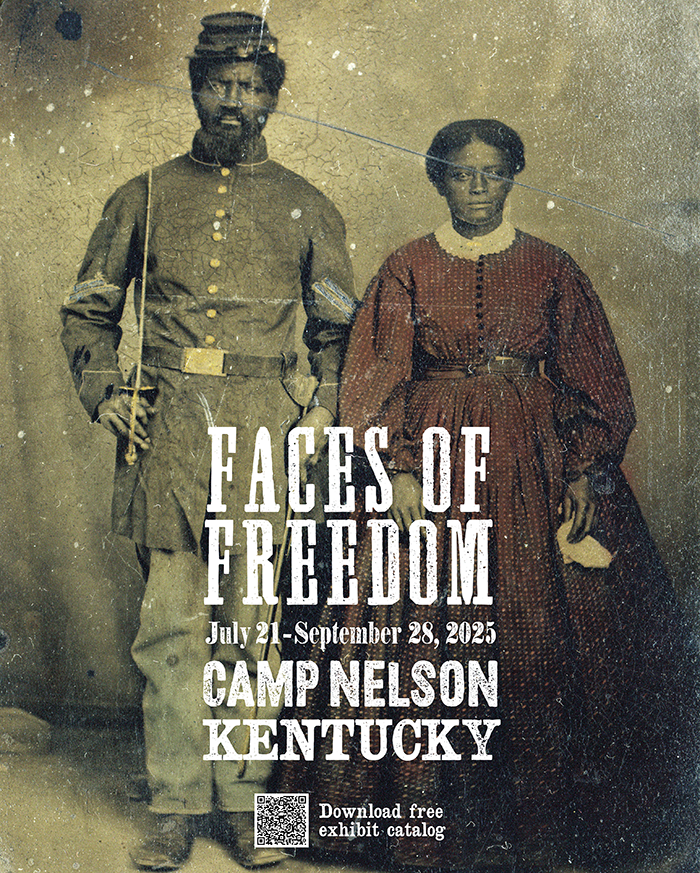
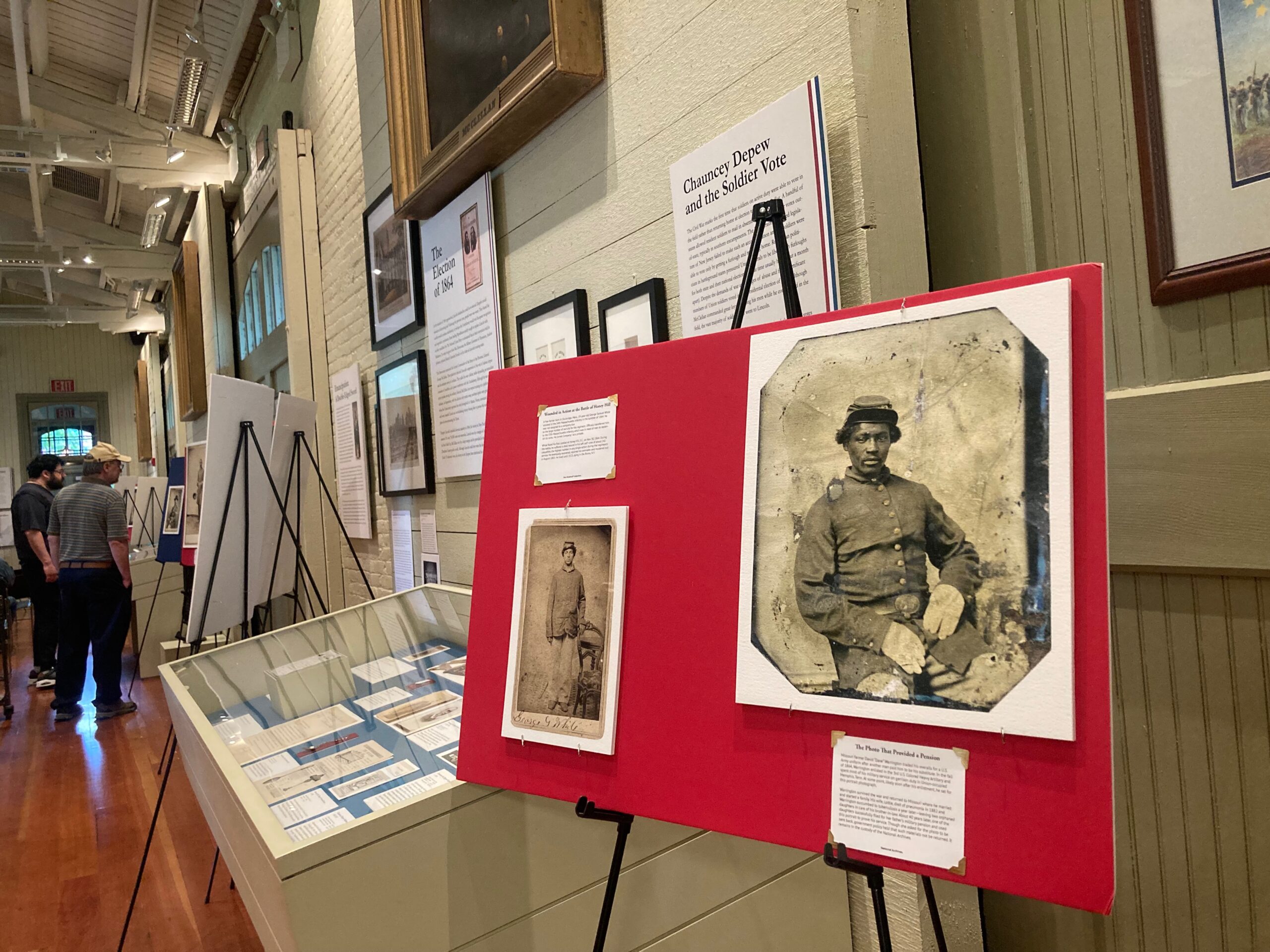
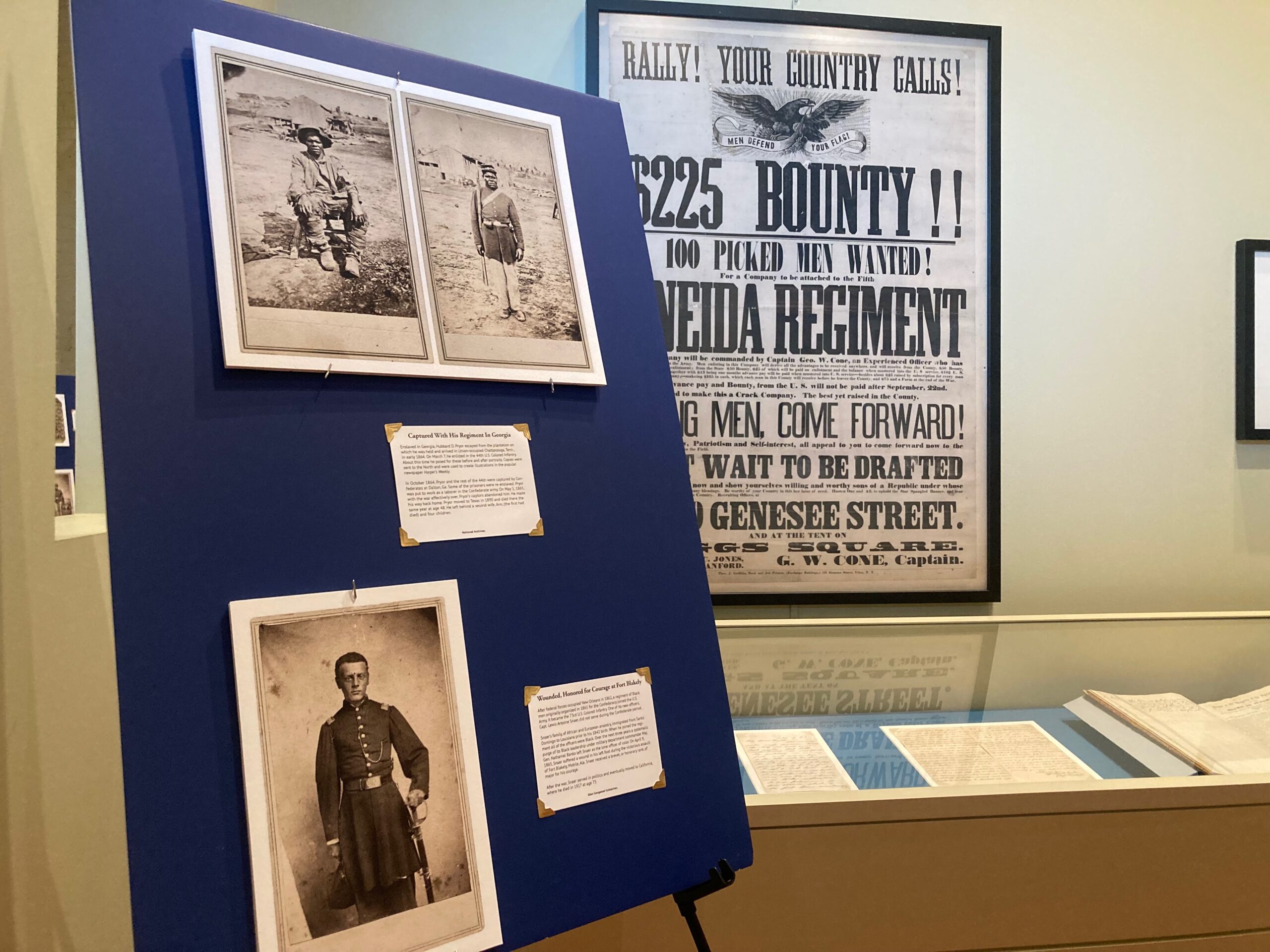
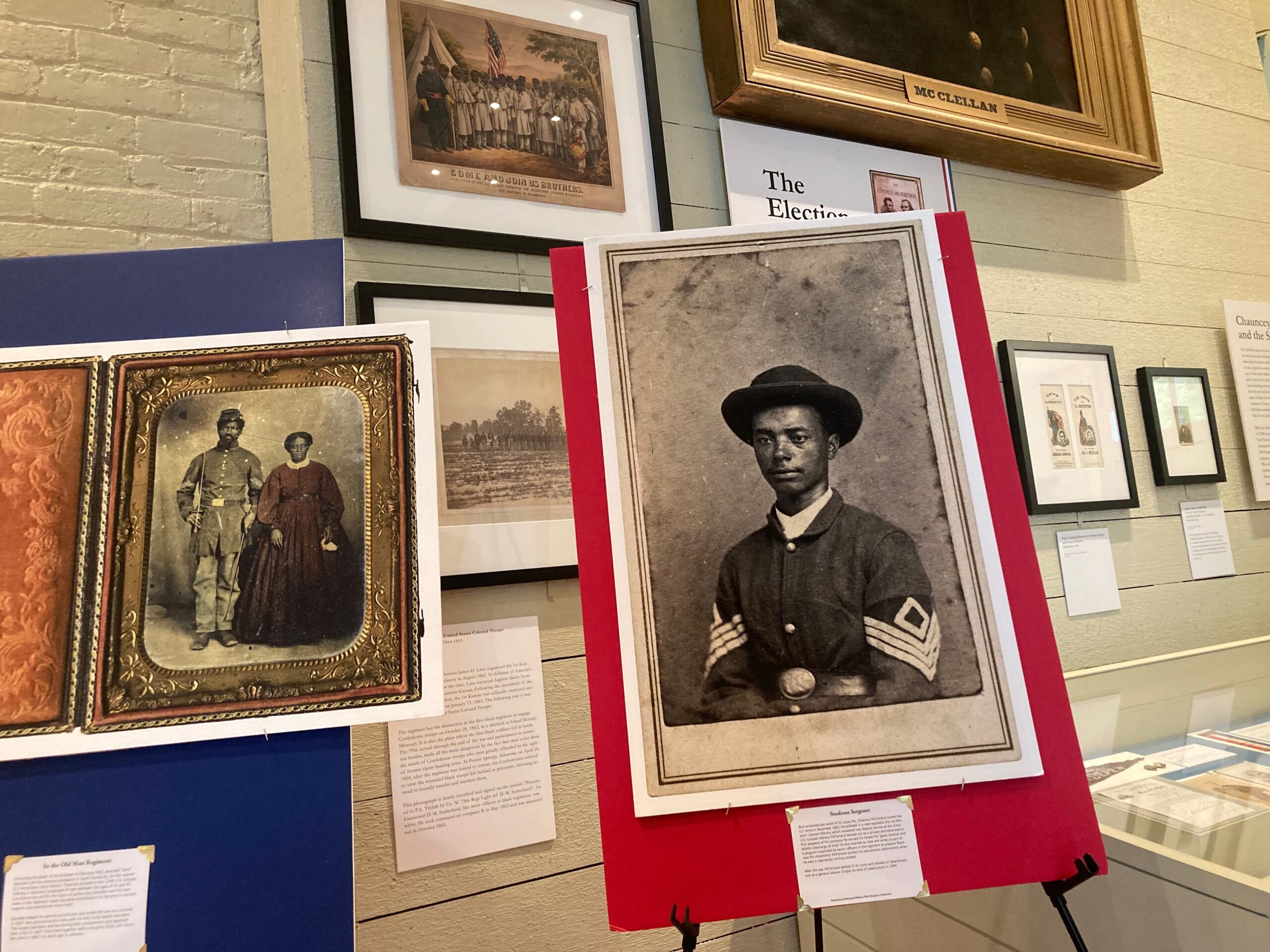
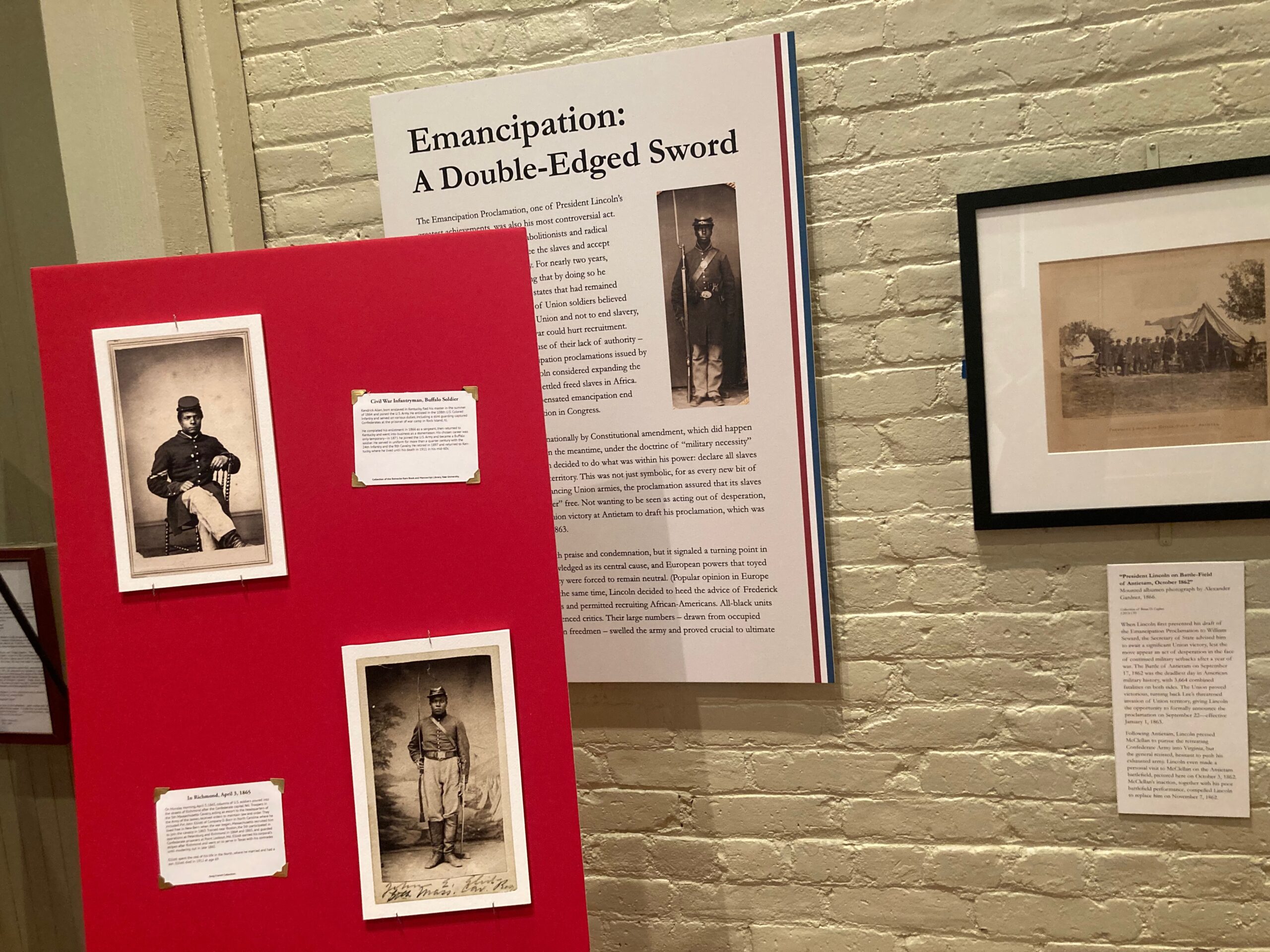
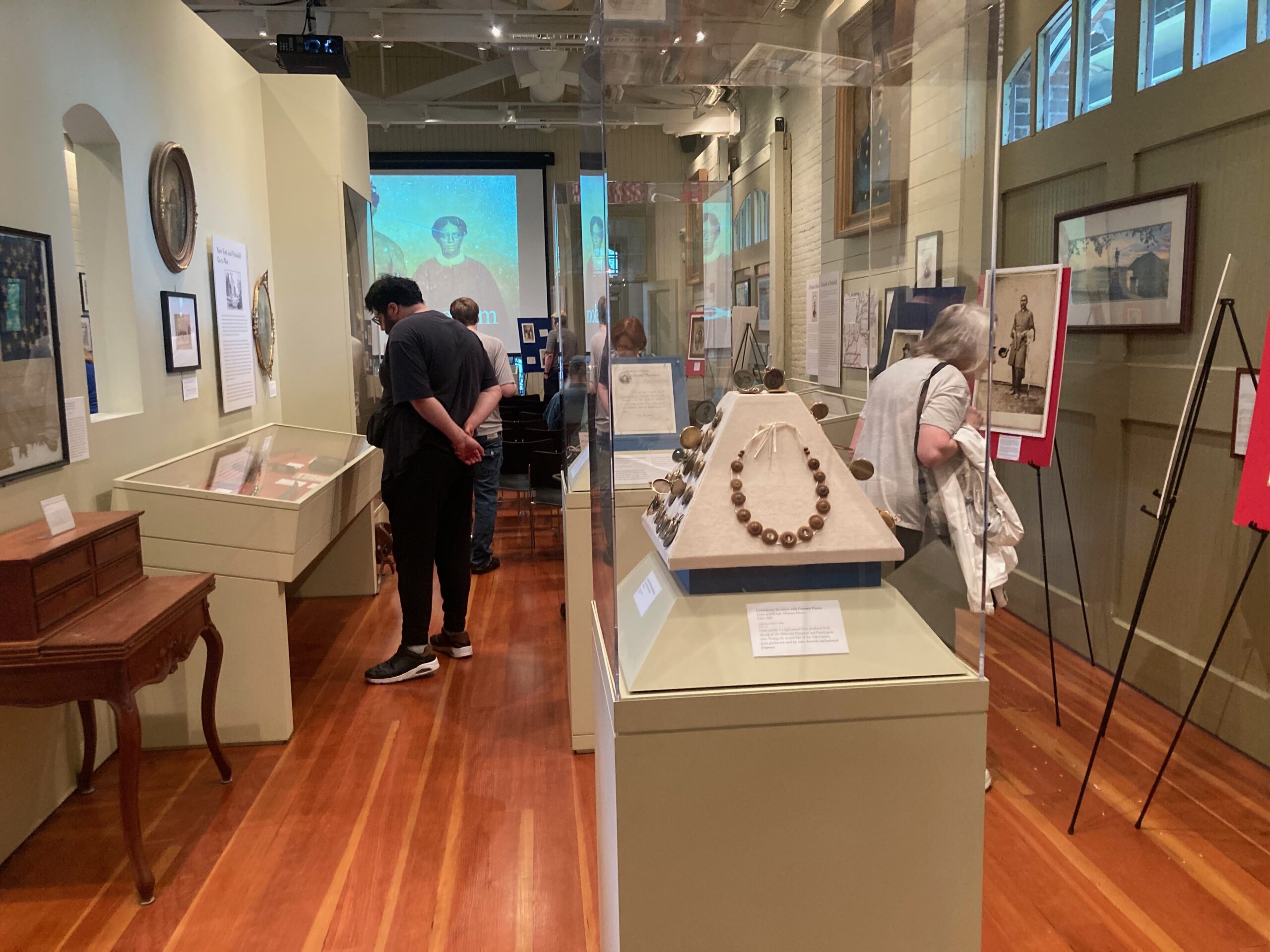
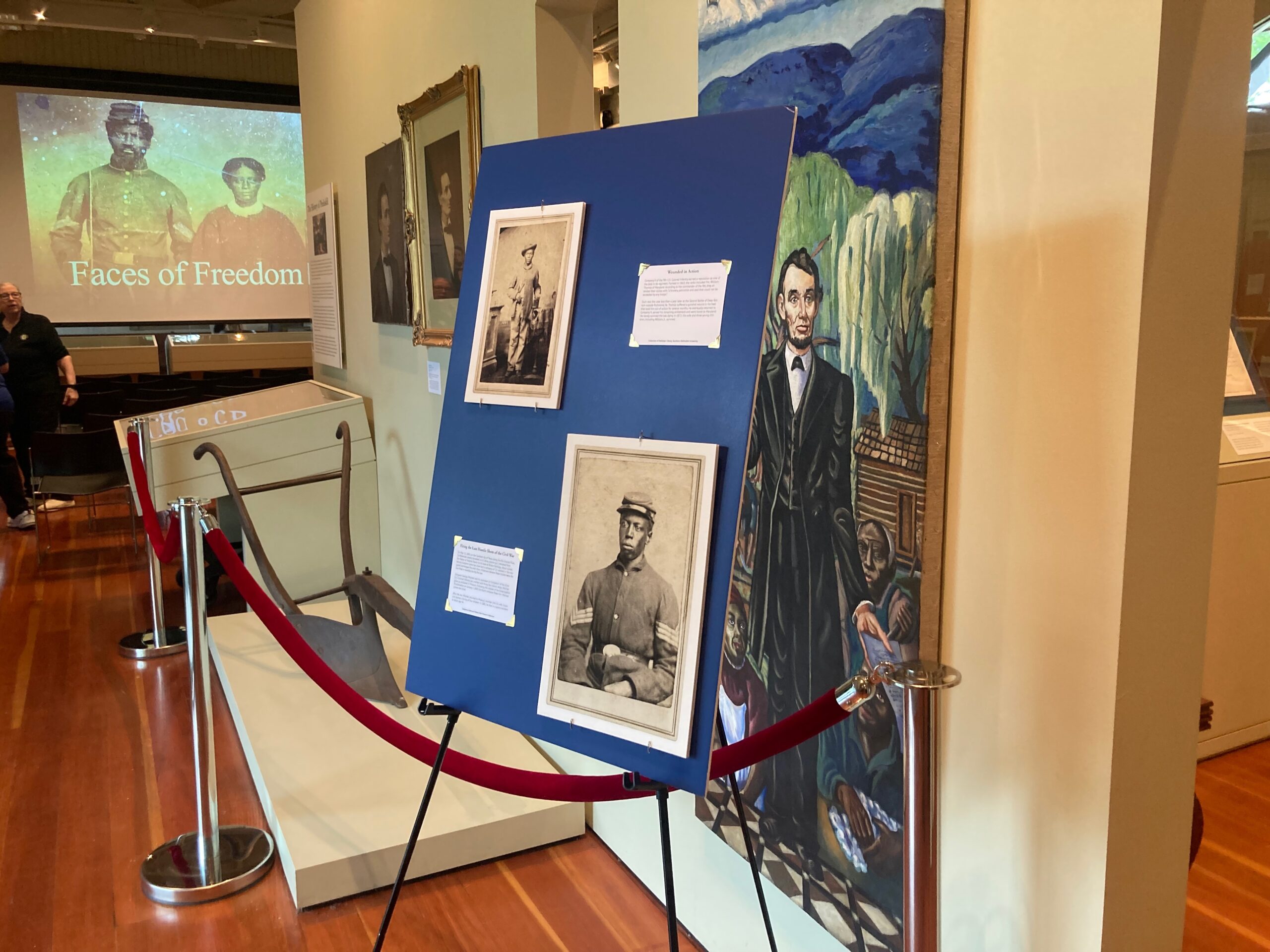
Our traveling exhibit, Faces of Freedom, made its Kentucky debut at Camp Nelson National Monument as part of the park’s 160th-anniversary commemoration, “A Portal into the Past: Camp Nelson, Photography, and the End of the Civil War.” We’re honored to partner with the National Park Service and the Camp Nelson team to bring these powerful stories to a site where freedom was claimed and defended.

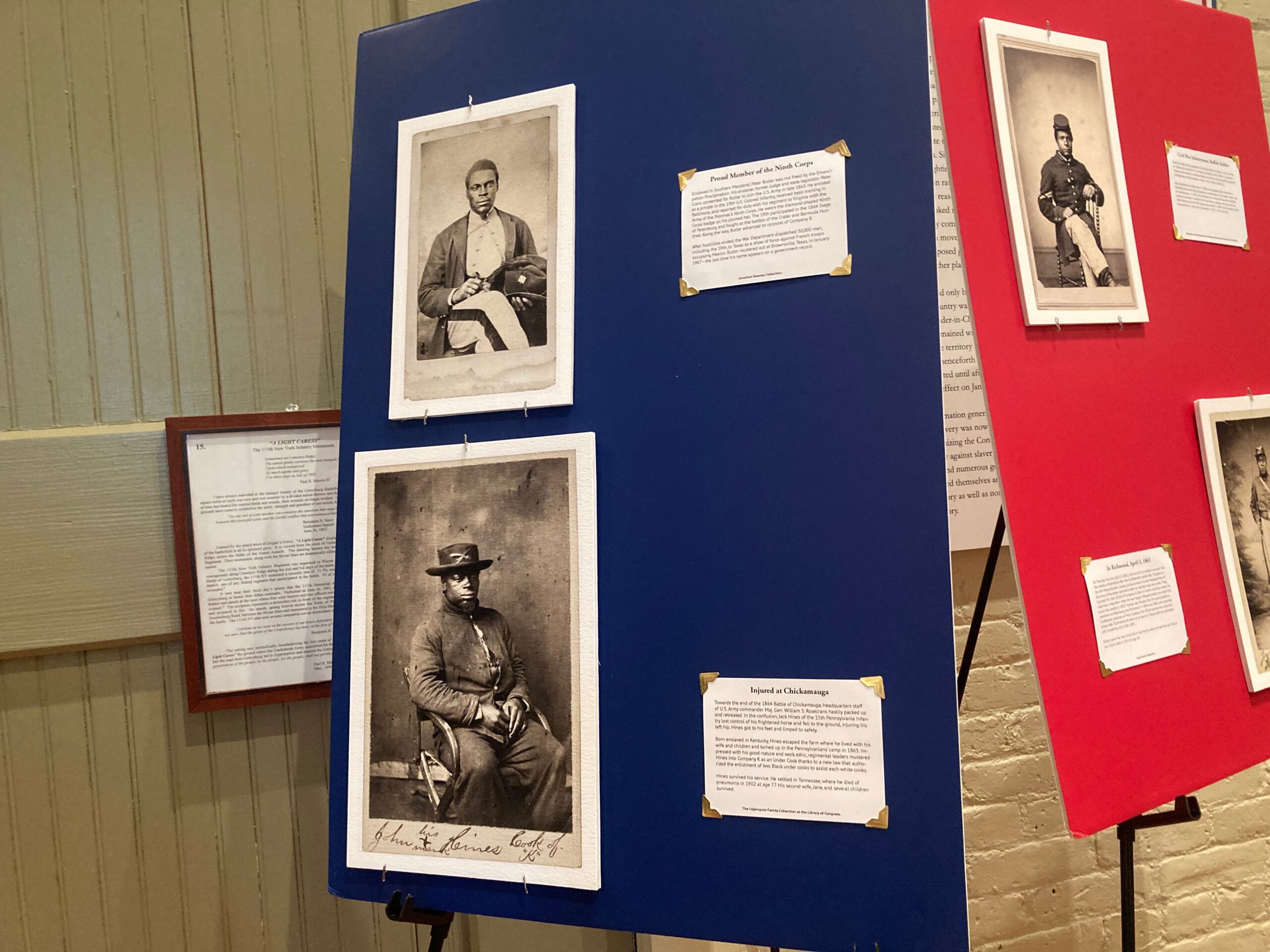
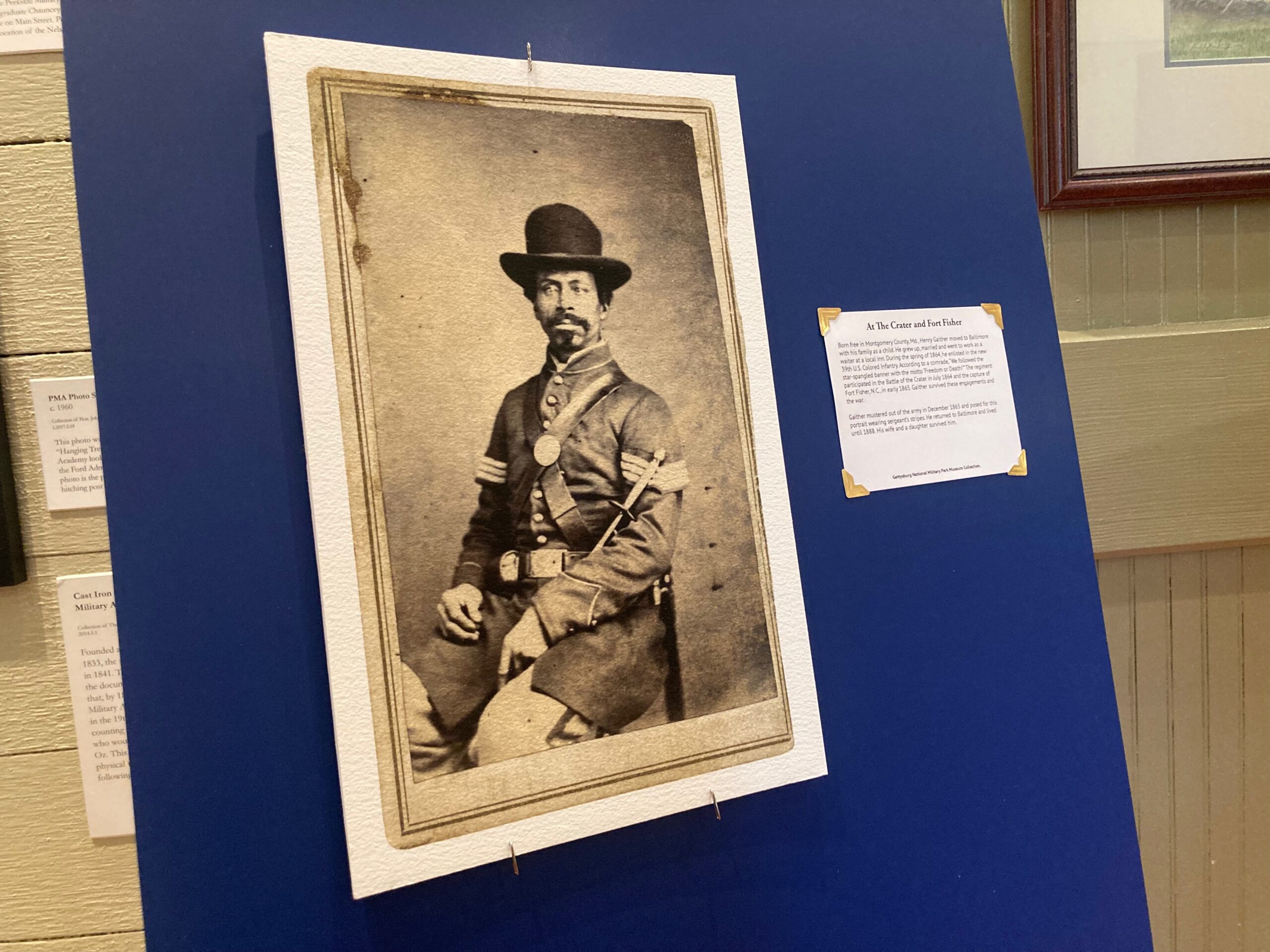
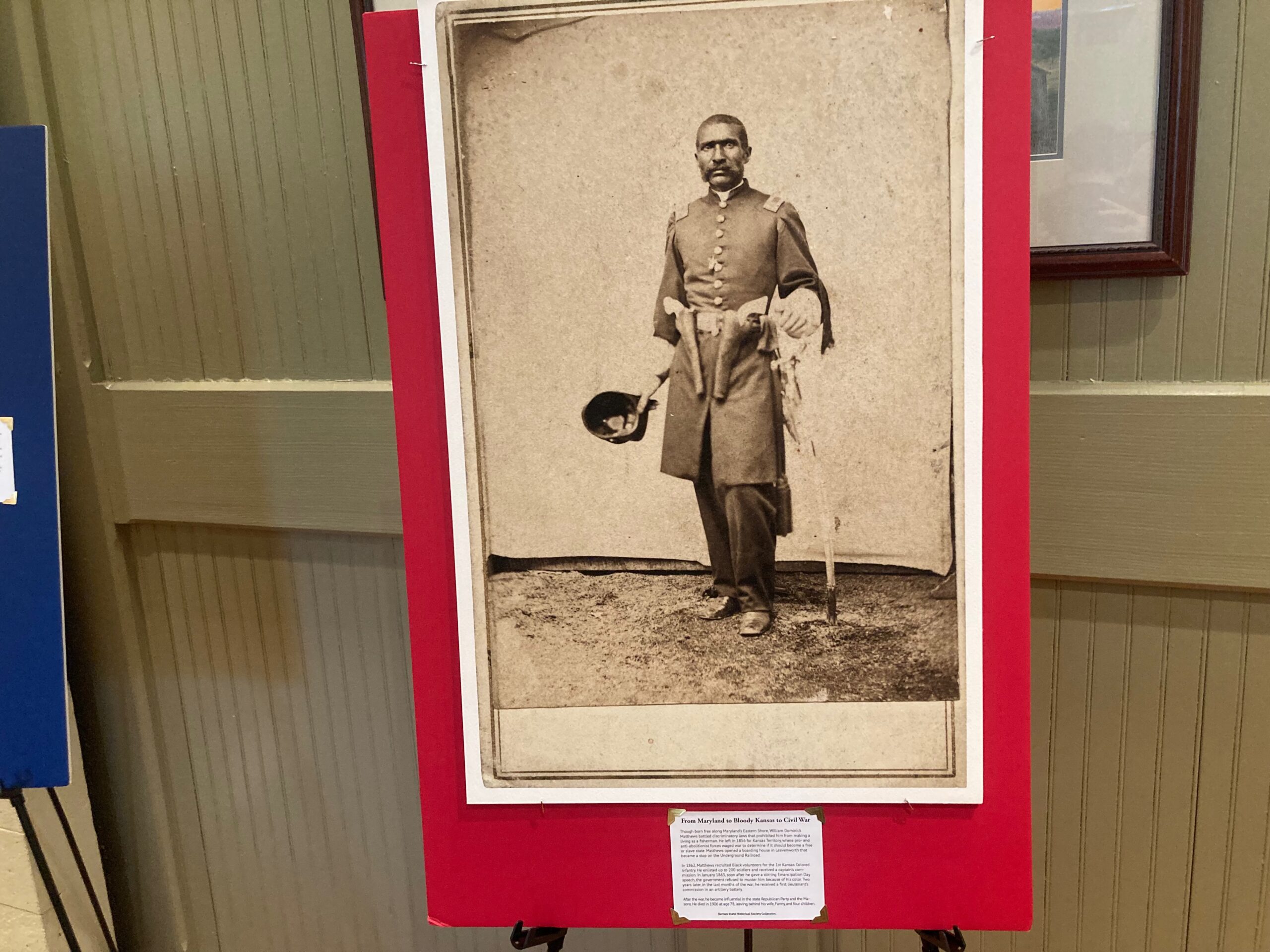
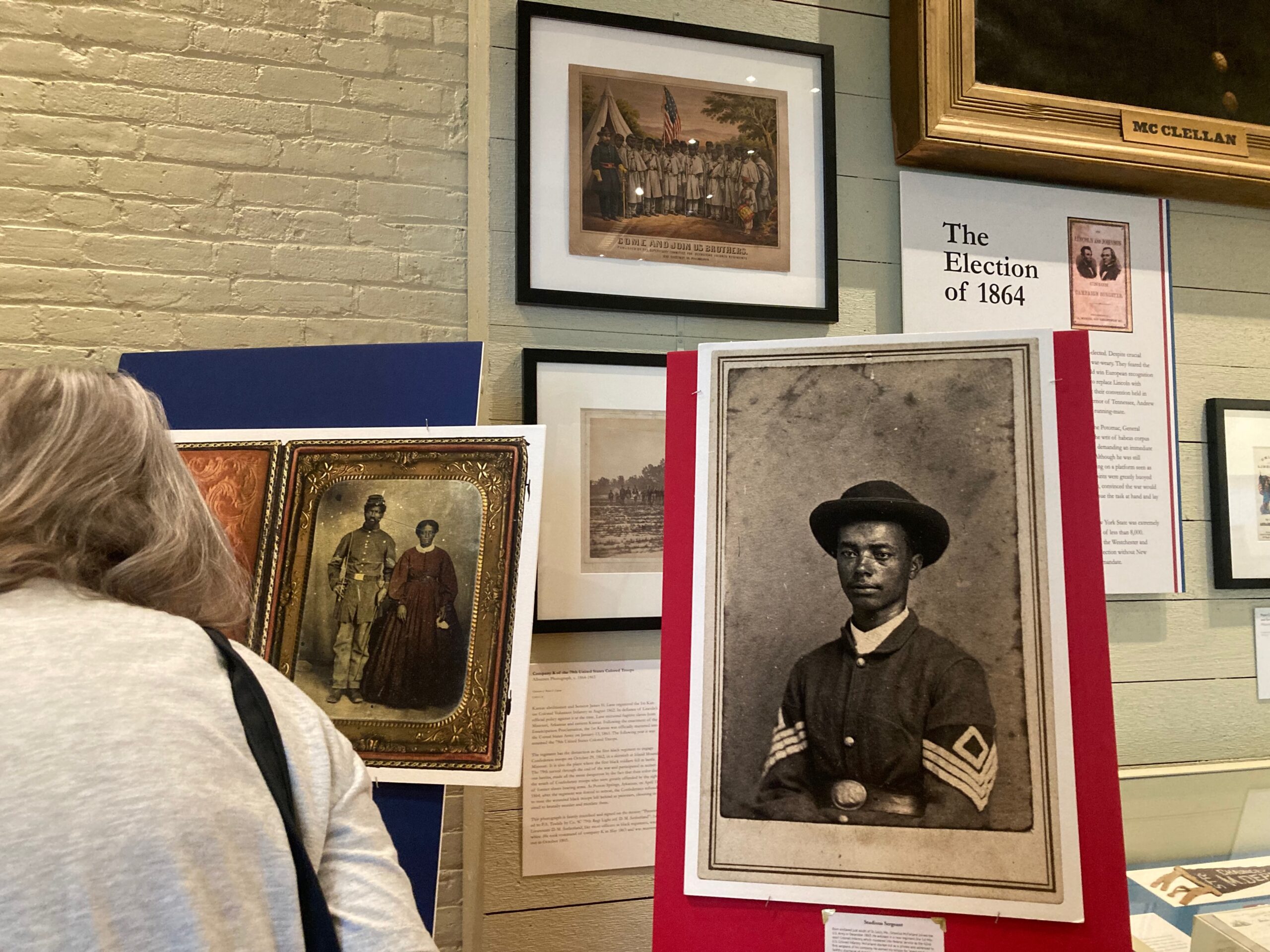
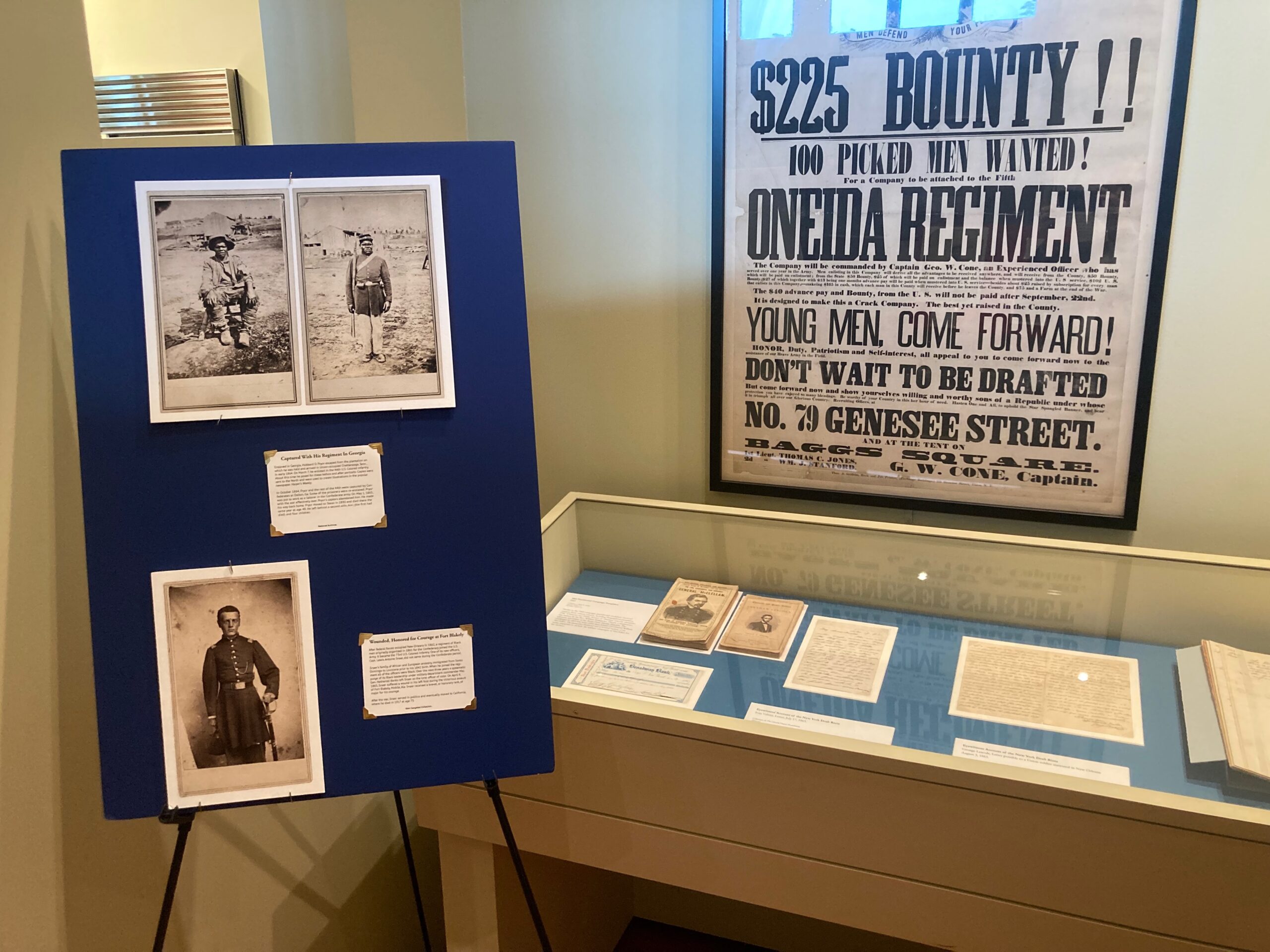
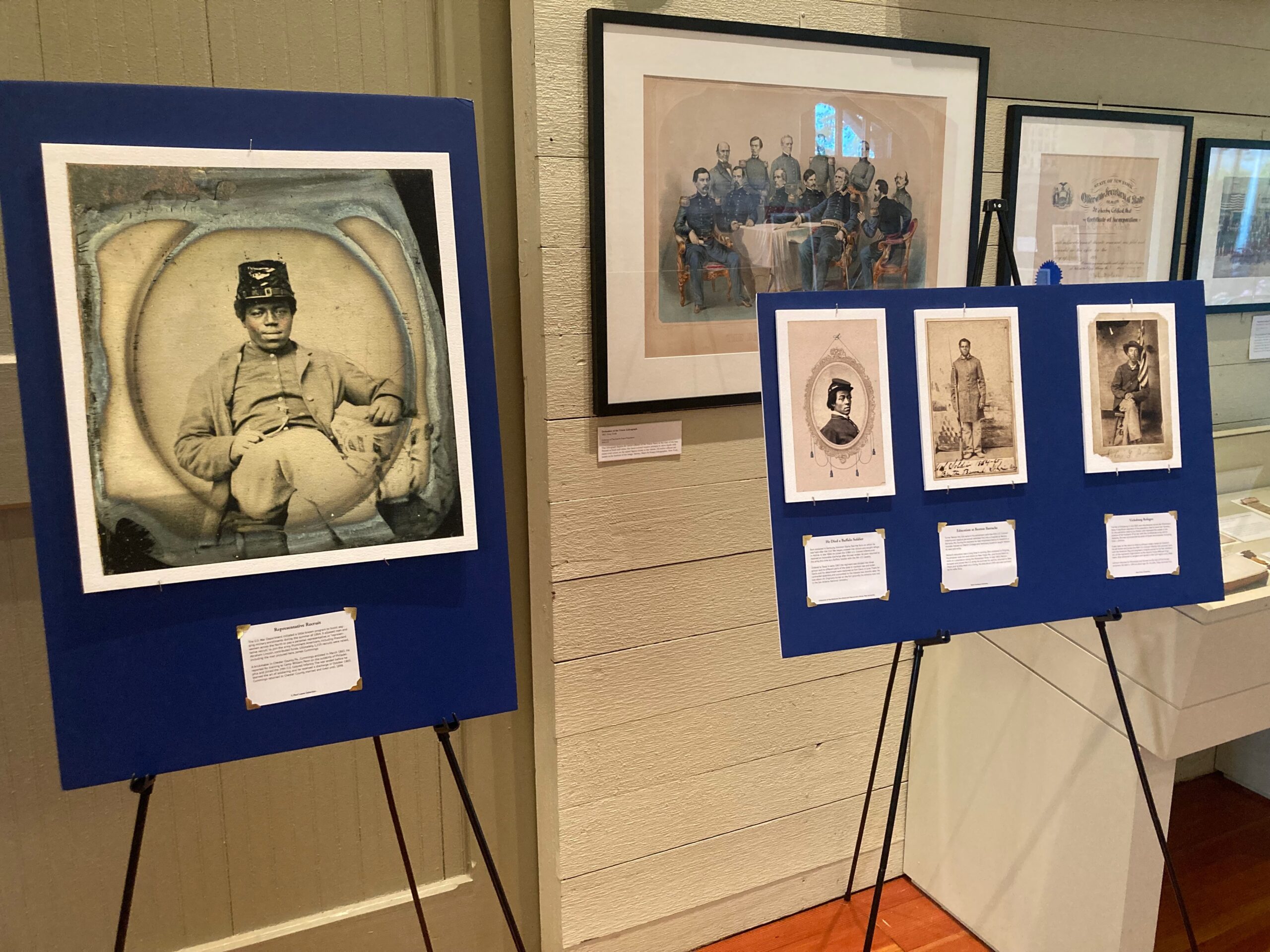
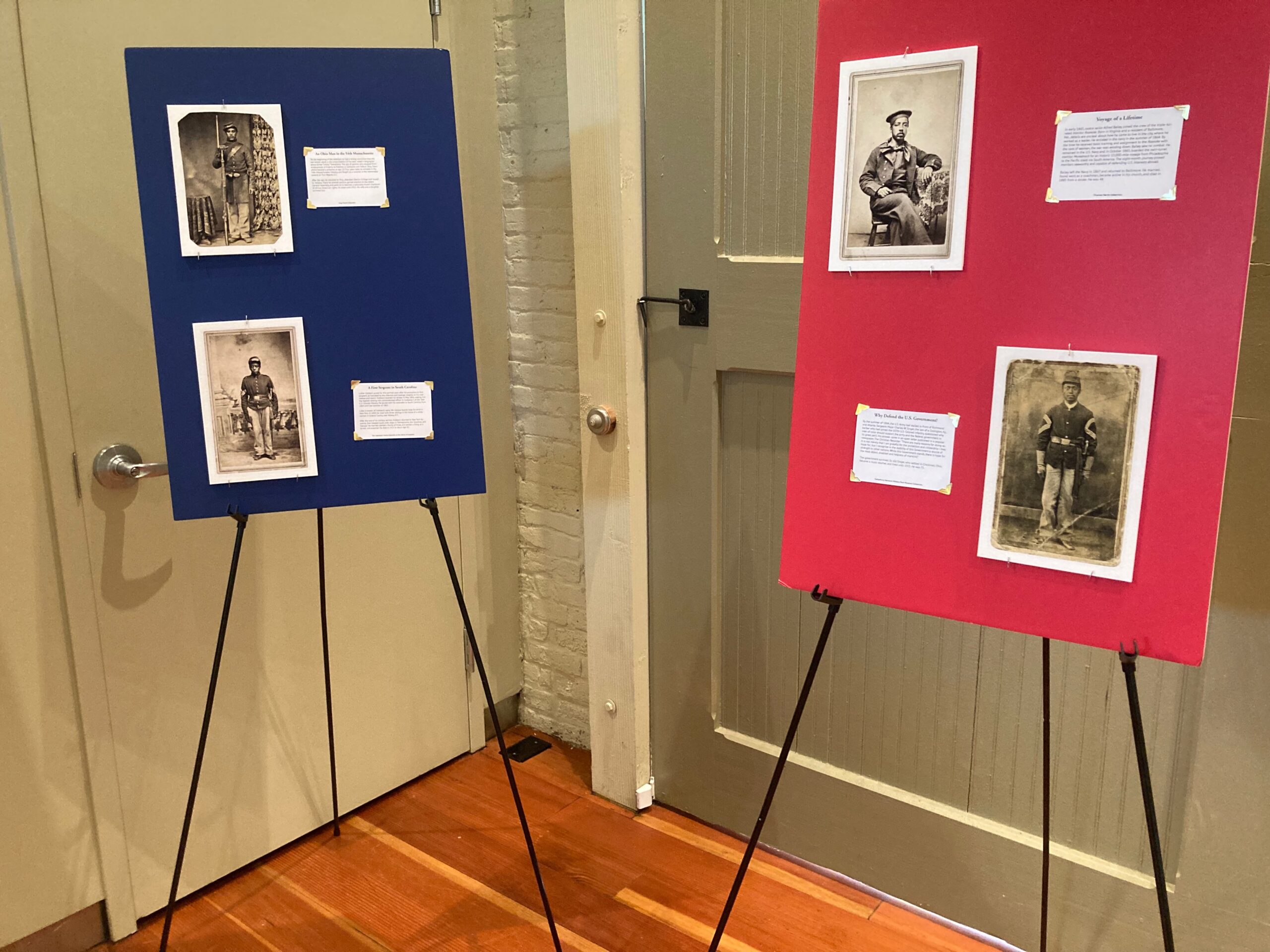
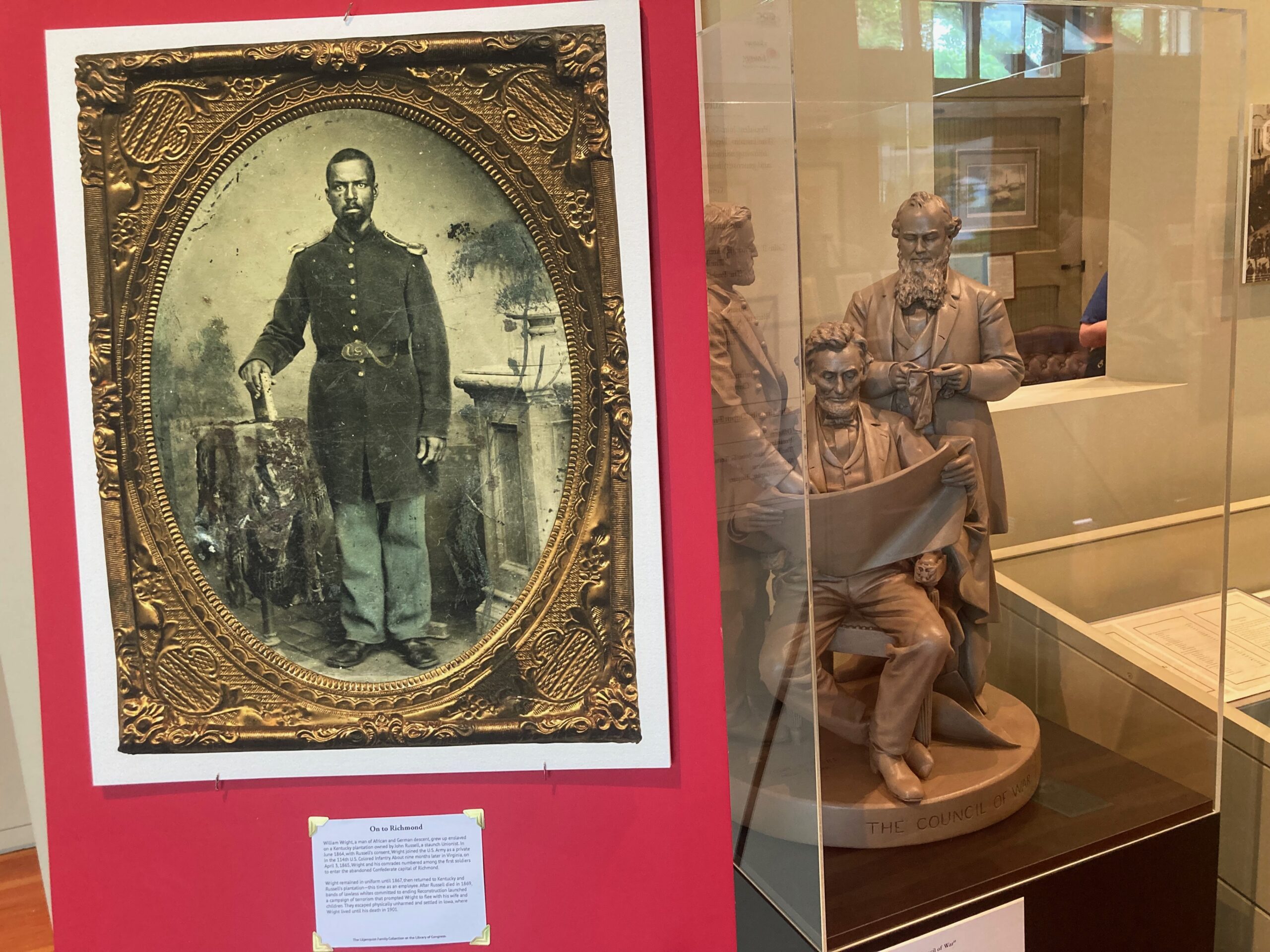
The exhibition features 37 high-quality prints made from original Civil War portraits in public and private collections. Each portrait is paired with a short biographical sketch that introduces the individual’s wartime service and life beyond the uniform. The images focus on Black soldiers and sailors who served in the U.S. Colored Troops and the U.S. Navy, putting names and stories to faces that shaped the Union war effort and the meaning of citizenship. Some of the men pictured and profiled went on to become Buffalo soldiers. A digital exhibit catalog includes the images and stories.

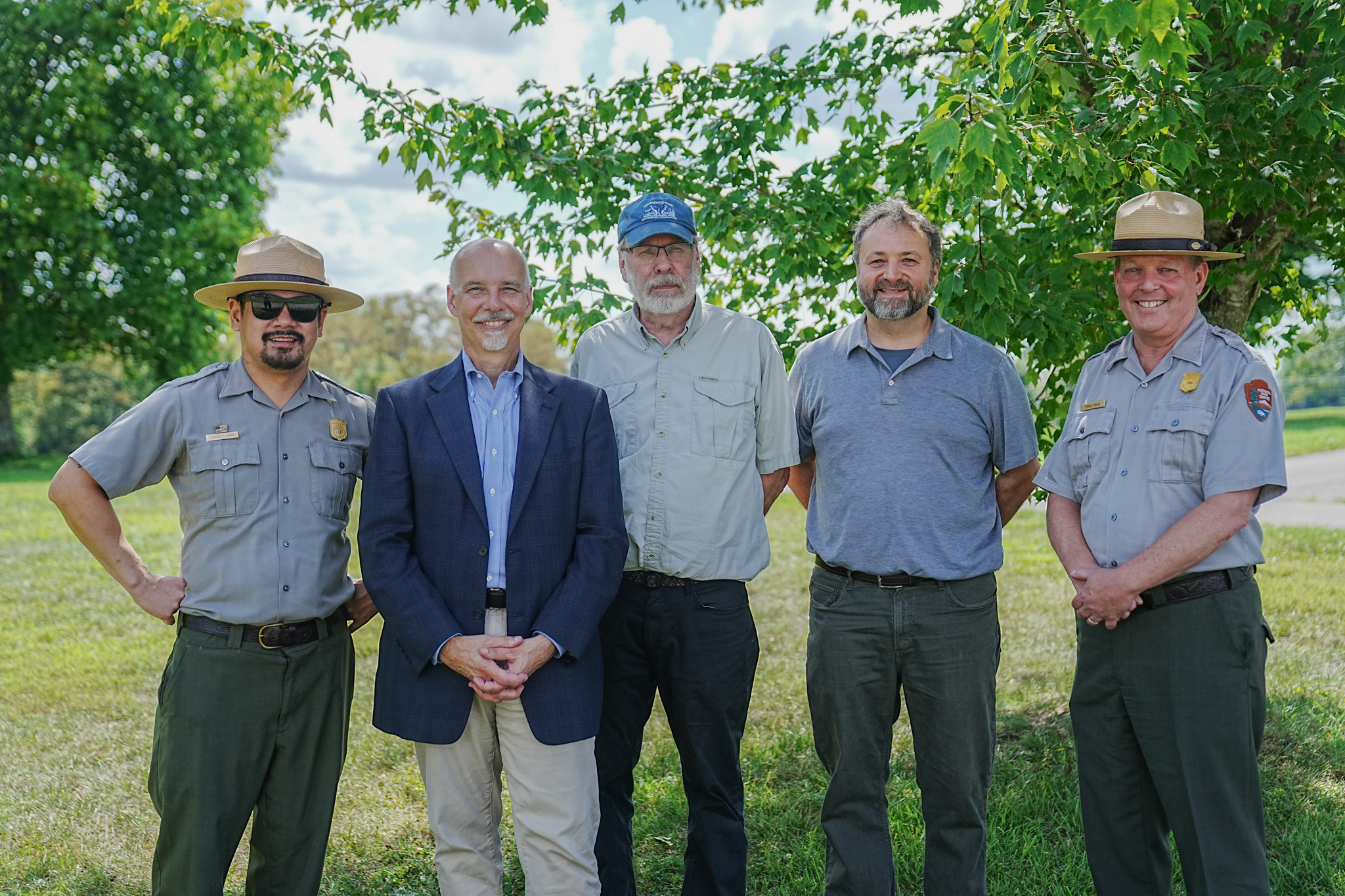
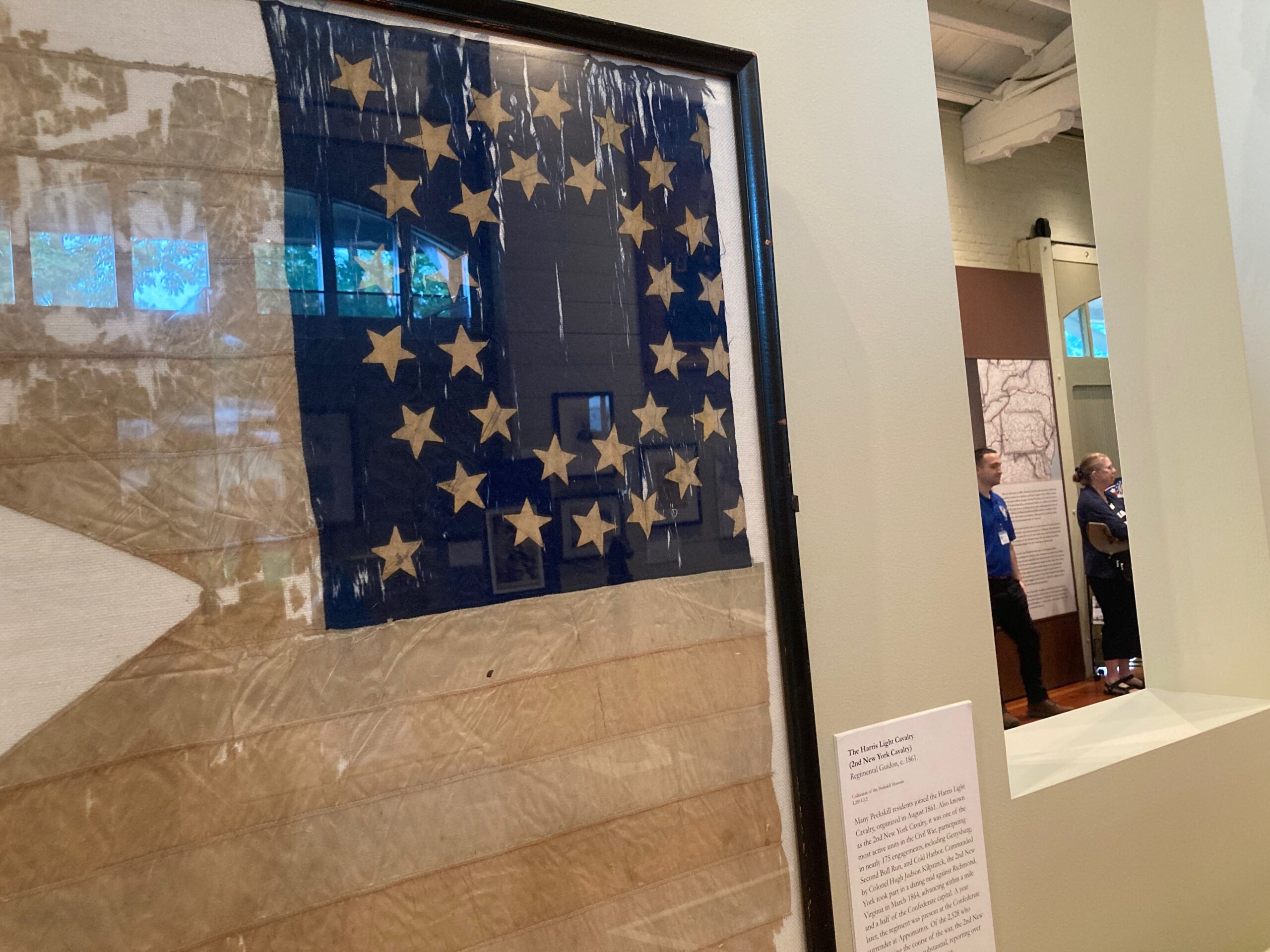
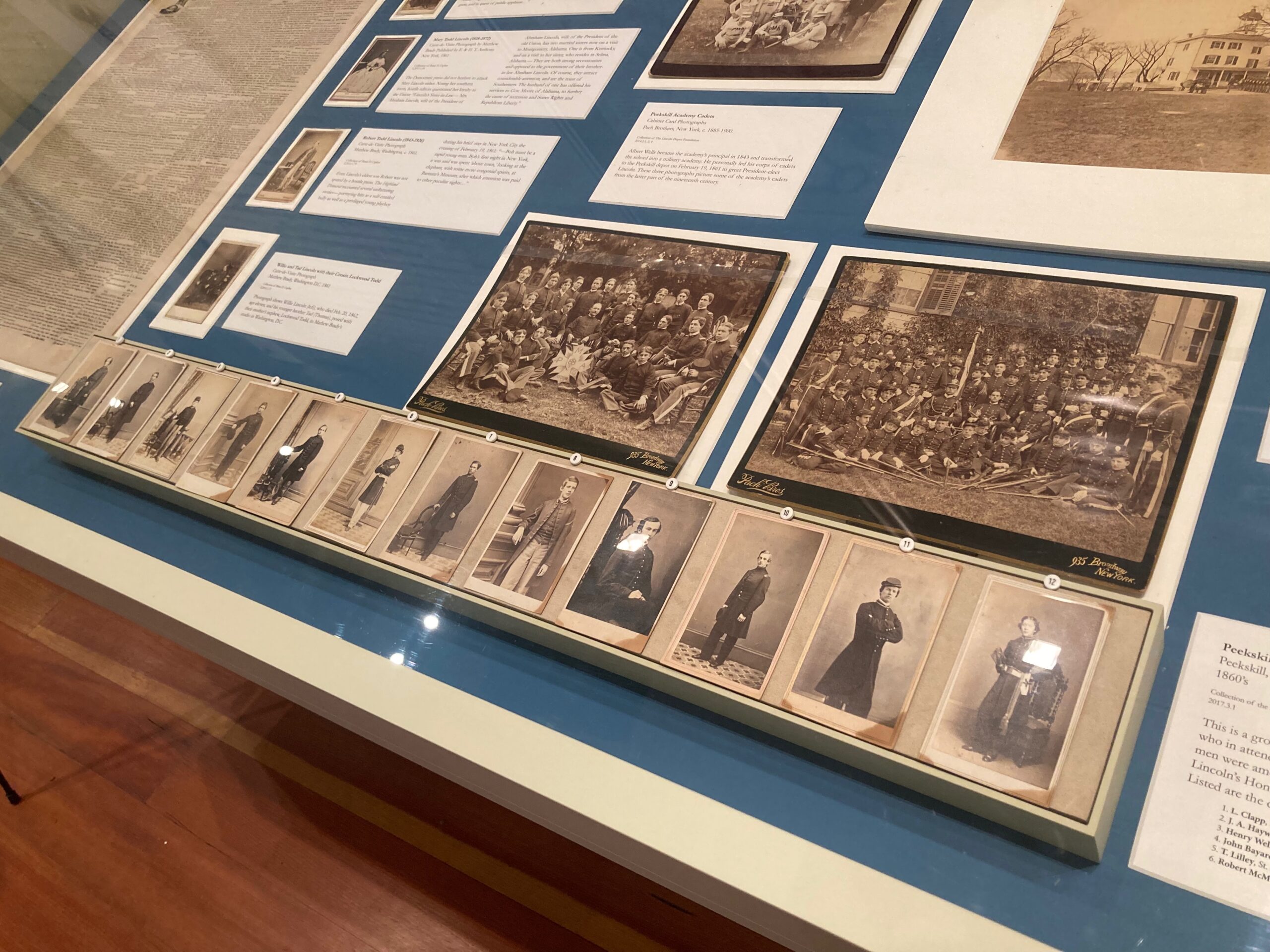
The National Park Service team, led by Superintendent Ernie Price and Steve Phan, Chief of Interpretation, Education, and Visitor Services, collaborated with facilities staff to build wonderful displays to showcase the exhibit.

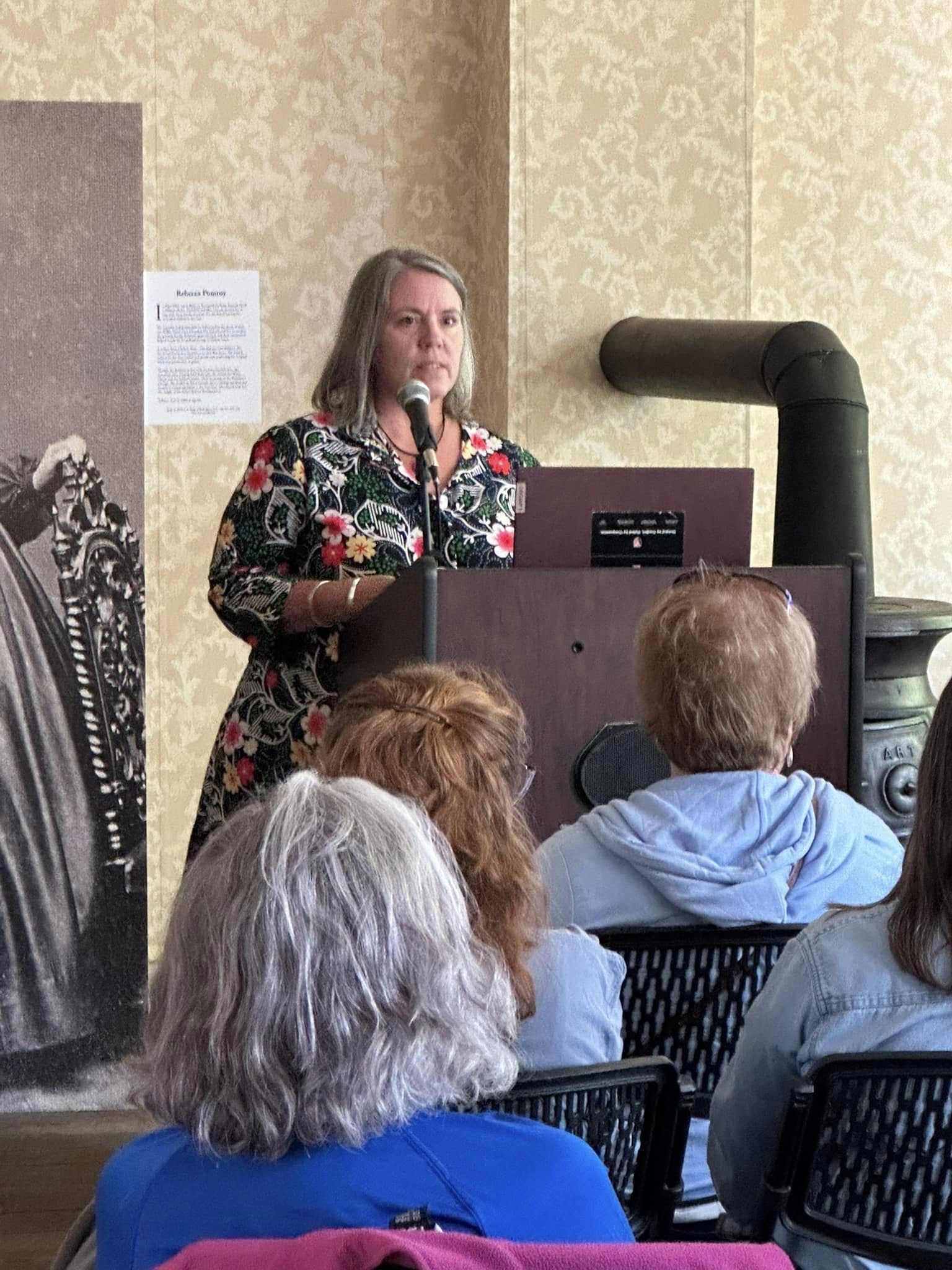
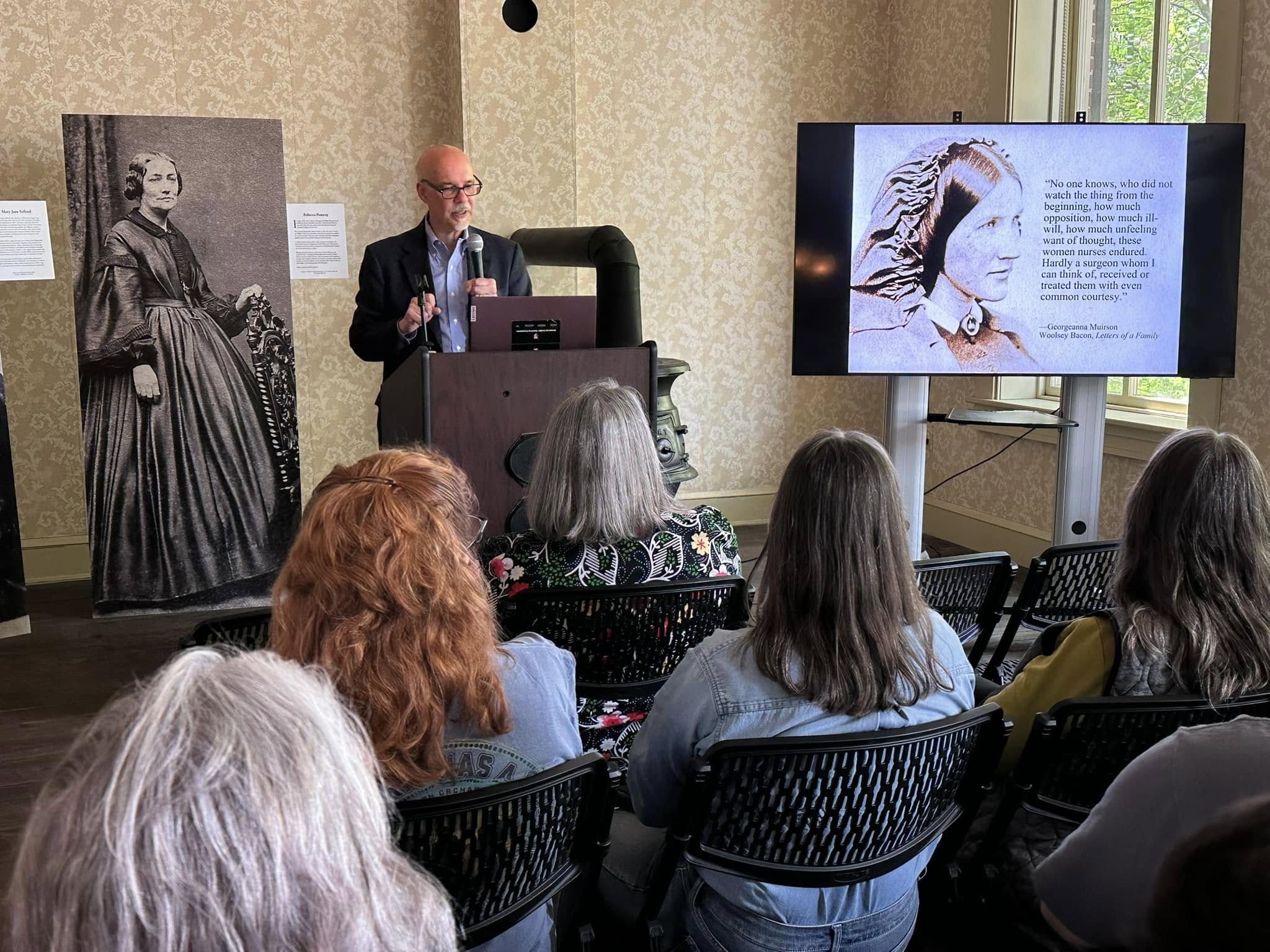
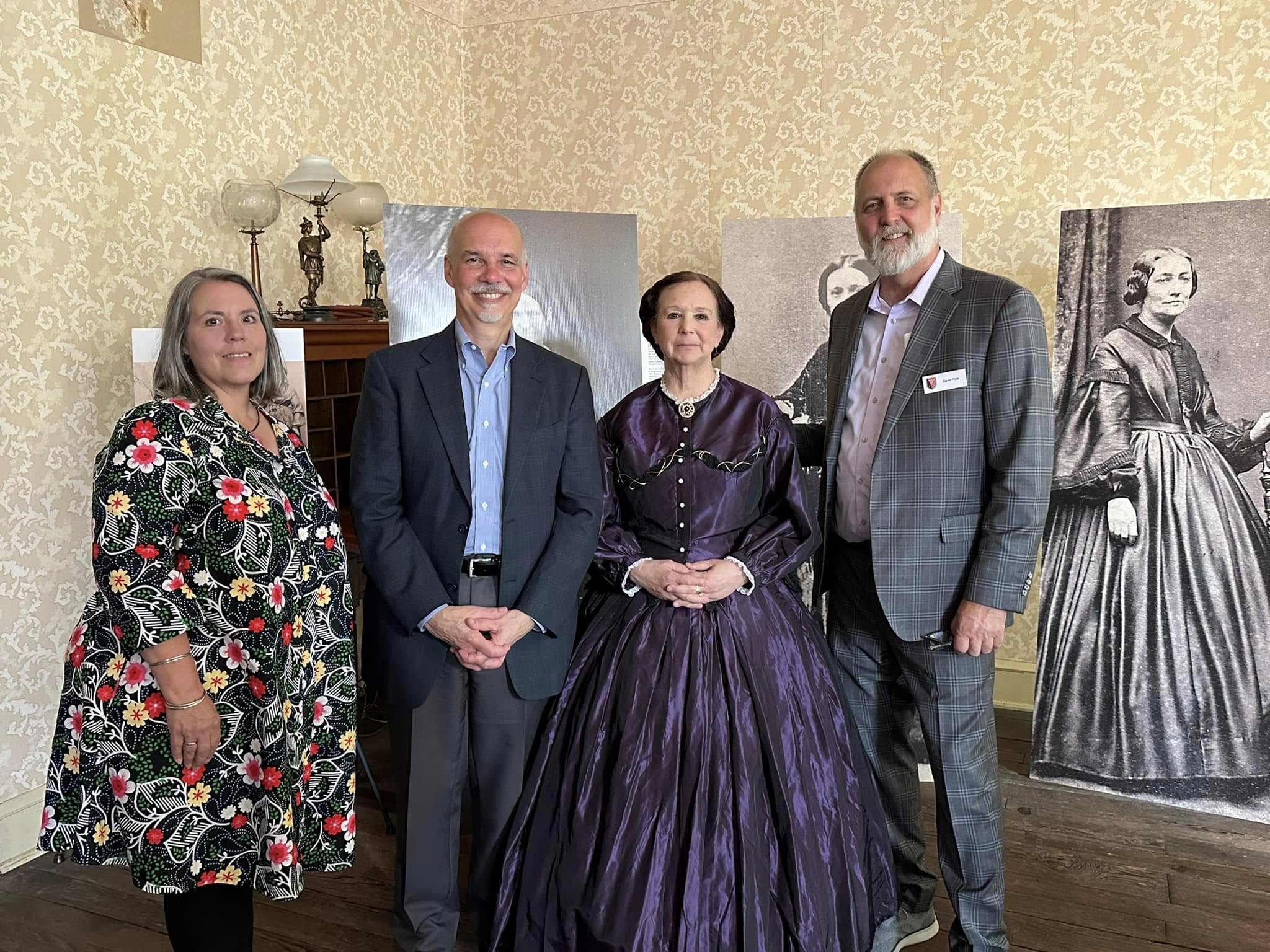
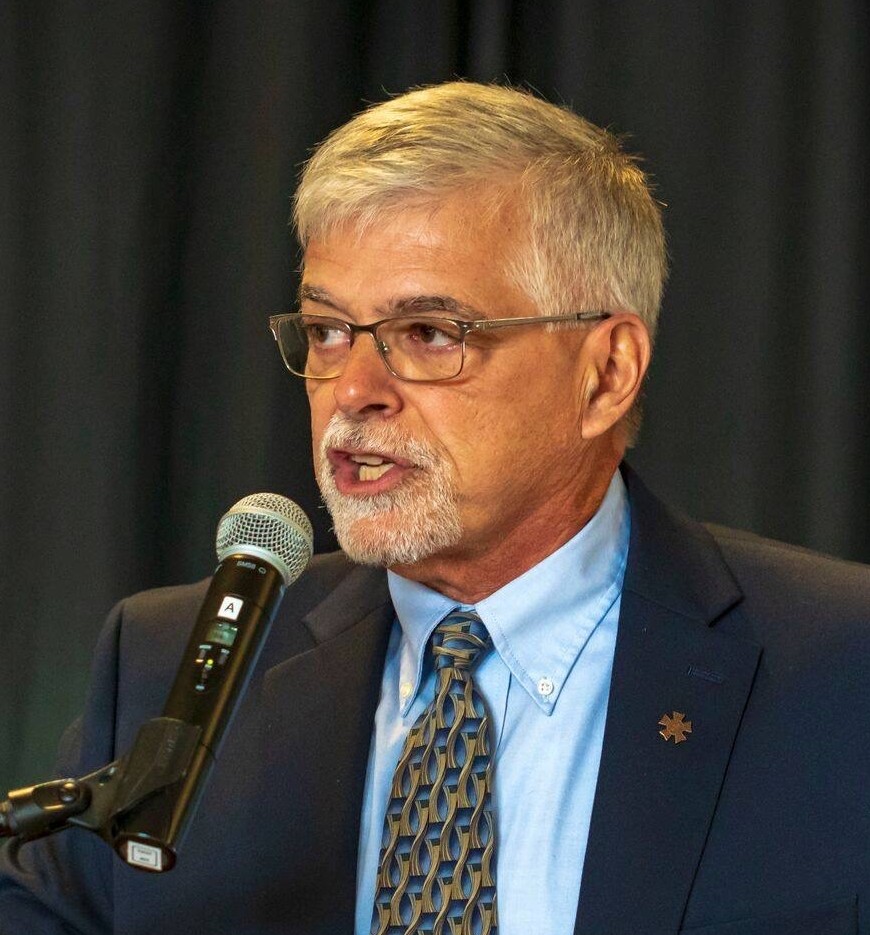
Leaders and speakers at the recent Camp Nelson 160th, from left to right: Steve T. Phan, Ron Coddington, Stephen McBride, Brian Mabelitini and Ernie Price. Photo by Ranger Ava Goetz.

Camp Nelson is the ideal place for this chapter of the exhibit’s journey. Established by the U.S. Army in 1863 as a major supply base, the site evolved into one of the nation’s largest recruitment and training centers for United States Colored Troops—and a refuge center for their families. More than 10,000 formerly enslaved men became soldiers here in 1864–65, and the camp’s story illuminates both the hardships and the hope bound up in emancipation for freedom seekers.

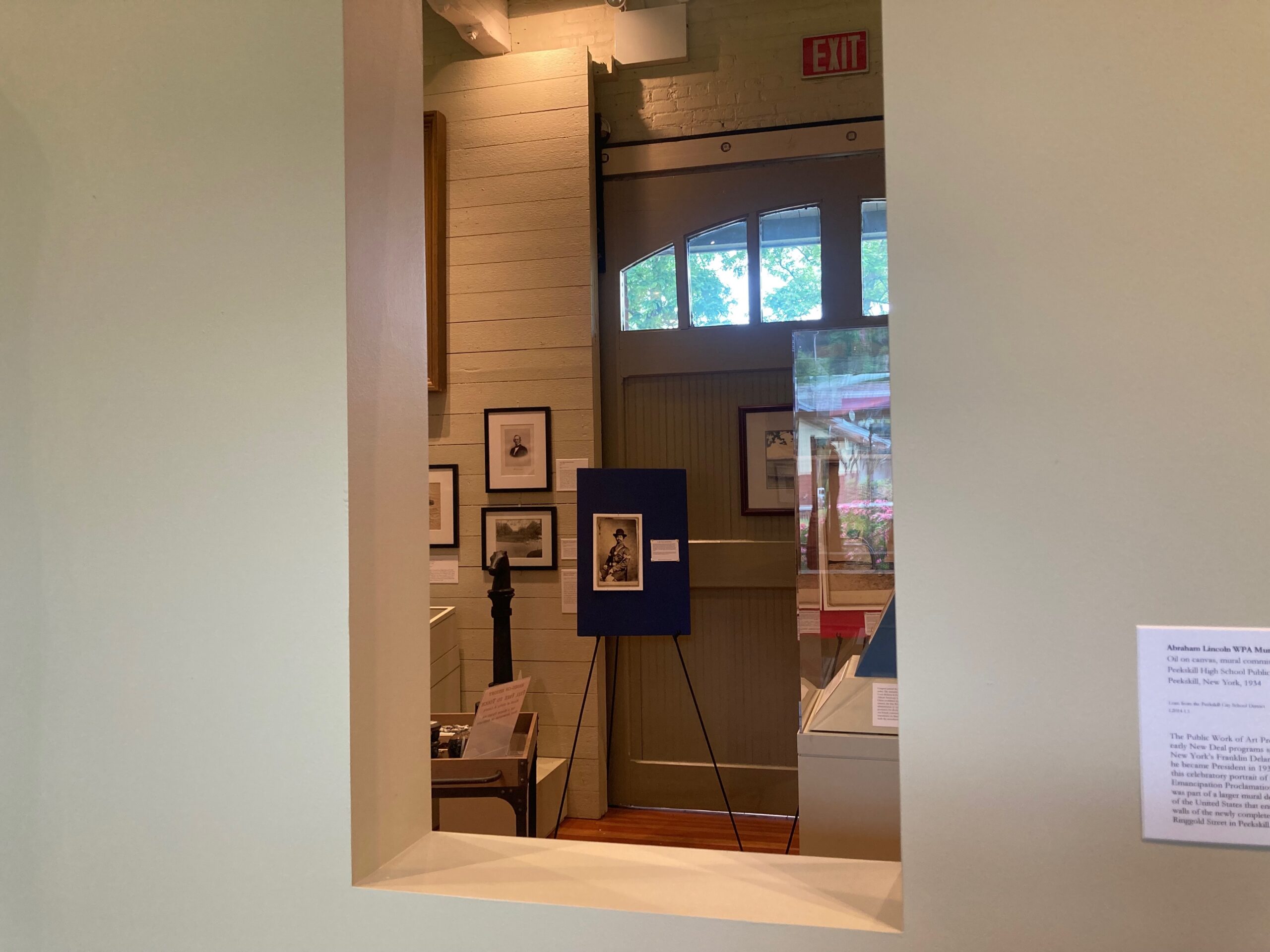
This stop at Camp Nelson marks the fifth venue for Faces of Freedom. Earlier installations included the Hubbard House Underground Railroad Museum in Ashtabula, Ohio, the Goodridge Freedom Center and Underground Railroad Museum in York, Pa., Manassas National Military Park, and the Lincoln Depot Museum in Peekskill, N.Y., each welcoming visitors to encounter these portraits up close.

Photo by Military Images.

Faces of Freedom is produced by Military Images, the only magazine devoted exclusively to Civil War portrait photography. The exhibit is part of our broader mission to showcase, interpret and preserve these historic images—and to meet people where they are in physical and virtual communities.

We’re grateful to the National Park Service and to the many collectors, families, and institutions who have helped surface, preserve, and share these histories. If your museum, archive, or historic site is interested in hosting the exhibit, please get in touch! Email Editor and Publisher Ronald S. Coddington.

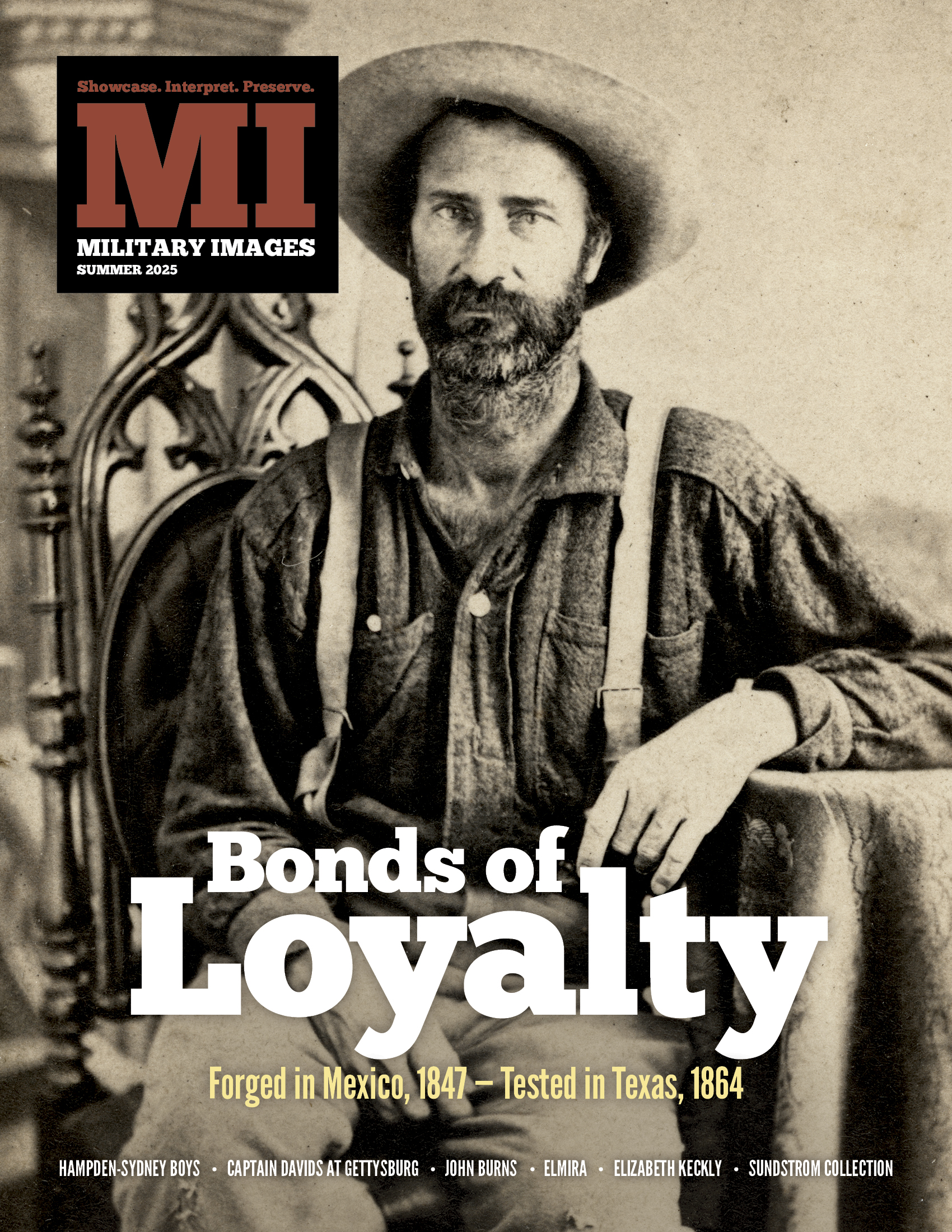
The Summer 2025 Issue

A complete table of contents for the Summer 2025 issue of Military Images magazine, and information about how to purchase single issues and subscriptions.

Vol. XLIII, No. 3
(80 pages)

Print edition: Visit our store to check availability
Digital edition: Visit JSTOR.org to purchase
Subscribe or renew your subscription

Explore the MI Archives:
Browse | Advanced search | Tutorial

Inside

Cover
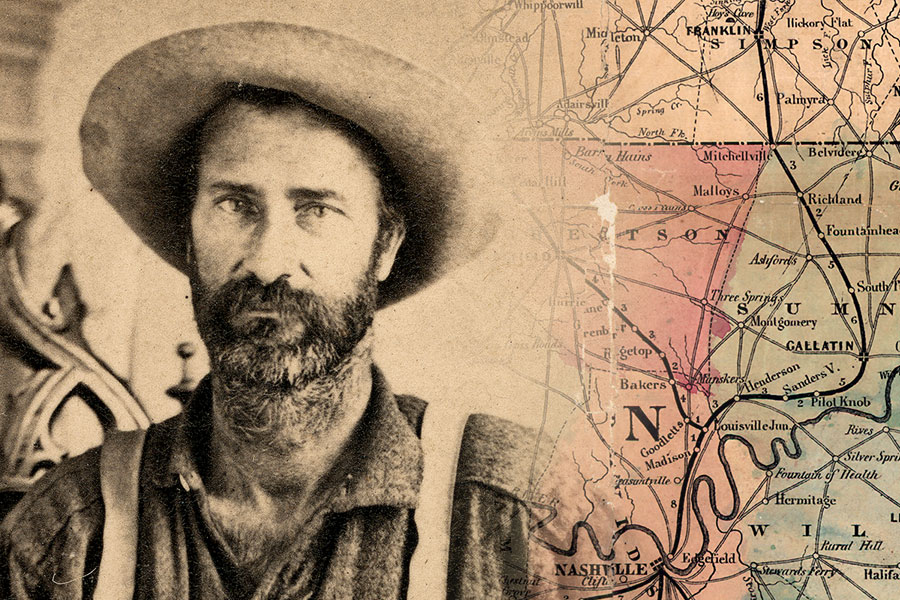
A carte de visite from the Karl Sundstrom Collection pictures Maj. Horace N. Attkisson of the 50th Indiana Infantry, “The Gallant Hero of Edgefield Junction.”

Table of Contents (p. 1)

Editor’s Desk (p. 2)
Civil War portraits of wounded, like battlefield photos in 1862, evoke powerful emotions—reminders of war’s cost and the courage of those who endured it.

Mail Call (pp. 3-4)
Feedback includes references to Confederate Gen. Evander Law, North Carolina photographer Esley Hunt, and American heritage and memories.

Military Anthropologist (p. 4)
A chart reveals how far Union regiments marched in the three weeks before Gettysburg. The range is from under 60 to more than 350 miles.

Passing in Review (p. 6)
Two new books spotlight overlooked forces in the Civil War—Catholic chaplains who served troops and the powerful role of weather in the Gettysburg Campaign.

Photo Sleuth by Kurt Luther (pp. 8-10)
A mystery Brady photo once thought to be Thomas Meagher or John Buford is correctly re-identified as Capt. Atlee W. Putnam of the 7th U.S. Infantry.

Antebellum Warriors by Joe Bauman (pp. 12-13)
Lt. Col. Joshua Howard fought in the War of 1812, the Mexican-American War, and the Civil War—one of a small group to serve in all three major conflicts.

Most Hallowed Ground (p. 14)
Captain Edward C. Townsend, a Union officer and War Department clerk, mourned Lincoln’s assassination and led U.S. Colored Troops at the Battle of the Crater.

The Honored Few (p. 16)
Christian Fleetwood, a free Black man from Baltimore, earned the Medal of Honor for heroism at New Market Heights and fought to preserve the legacy of Black soldiers.

The Citizenry (pp. 18-19)
In 1861, President-elect Abraham Lincoln met 94-year-old Joshua Dewey, a Revolutionary War veteran who had voted in every U.S. election since Washington.

Of Arms and Men by Phil Spaugy (pp. 20-22)
The story of John Burns, the civilian hero of Gettysburg, his iconic firearms, battlefield bravery, and how history and photography remembered him—and his weapons.

Bonds of Loyalty: Forged in Mexico, 1847 — Tested in Texas, 1864 by Ronald S. Coddington (pp. 24-32)
In Indiana during the Mexican War, two soldiers fought side by side. Fifteen years later during the Civil War they met again—this time on opposite sides.

Capturing Elmira: The photographers who documented a Northern prisoner of war camp by Richard Leisenring, Jr., adapted from his forthcoming book(pp. 34-38)
The story of Elmira’s Civil War prison camp—“Hellmira”—through photographs, historical details, and the harsh realities faced by Confederate prisoners.

A Boy Company Goes to War: William Henry Harrison Ewing and His Hampden-Sydney College Classmates by Dave Batalo and Hunter Lesser (pp. 40-43)
Hampden-Sydney College students formed a militia in 1861, fought at Rich Mountain, were captured, and sent home with a lesson from Maj. Gen. George B. McClellan.

The Last Grand Army Vets and a Youthful Symbol of America’s Fighting Men by Ronald S. Coddington (pp. 44-47)
A 1952 Boston Globe cover honored the last Union veterans and a young Korean War soldier, bridging generations of service and capturing a poignant national moment.

The Last Confederate Veteran by Ronald S. Coddington (pp. 48-49)
Pleasant Riggs Crump, the last confirmed Confederate veteran, survived Hatcher’s Run, lived to 104, and became a symbol of memory in the postwar South.

“‘Died at Gettysburg!’ No Prouder Epitaph Need Any Man Covet.”: The Tragedy of Capt. Richard Wistar Davids of the 118th Pennsylvania Infantry by Charles T. Joyce (pp. 50-59)
The life and legacy of Davids, a Philadelphia aristocrat whose sacrifice at Gettysburg shaped his family’s story and historical memory.

Collector and Mentor: Seven decades after he began his Civil War journey, Karl Sundstrom continues to inspire by Austin Sundstrom(pp. 60-65)
Explore Civil War portrait photography through the unique lens of Karl Sundstrom’s collection, introduced by his nephew and fellow collector, Austin Sundstrom.

Material Culture by Ron Field (pp. 66-68)
Explore how to distinguish U.S. and British Navy sailors in Civil War-era photos by comparing subtle uniform differences in rare images from Ron Field’s collection.

Women of War by Melissa A. Wynn (pp. 70-71)
Elizabeth Keckly rose from slavery to become Mary Todd Lincoln’s dressmaker and confidante—then risked it all by publishing her bold and controversial memoir.

Behind the Backdrop by Buck Zaidel and Ronald S. Coddington (p. 72)
Philadelphia photographer Washington L. Germon’s Sea of Tents background is likely inspired by the many military camps in the city during the Civil War.

Vignette by Scott Valentine (p. 74)
Brigadier Gen. Joseph King Fenno Mansfield, a veteran engineer and Mexican War hero, was mortally wounded at Antietam just two days after taking corps command.

Stragglers (p. 74)
A Union soldier grips a War of 1812-era cavalry saber, dressed in early war uniform with 1851 eagle belt plate, and a collector’s first image.

The Last Shot (p. 80)
John “Laurenz” Rosenberger, a Confederate band member and postwar orchestra leader, played music through war and peace, from Richmond to Ford’s Theater.

Life-Sized Tribute: New Traveling Exhibit Brings Civil War Nurses Into Focus

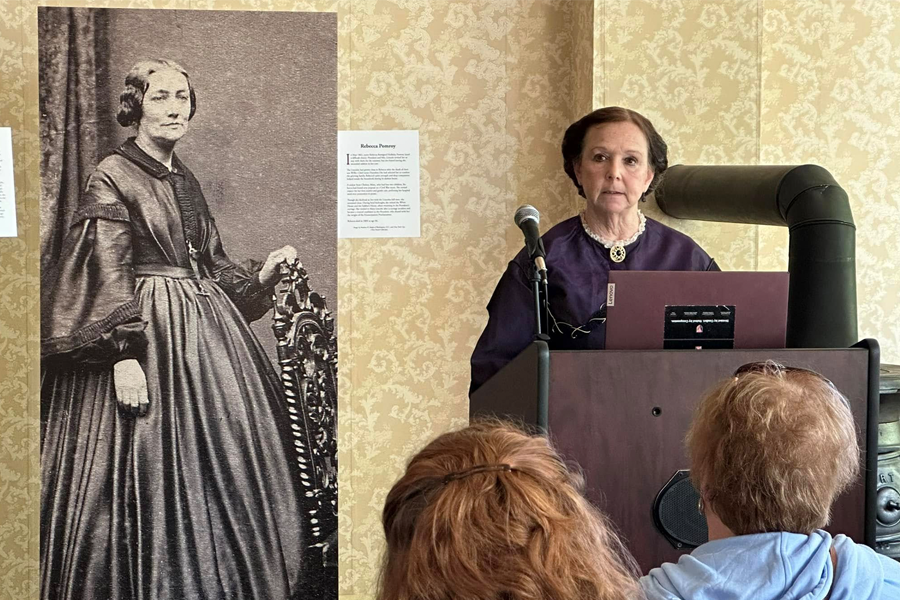
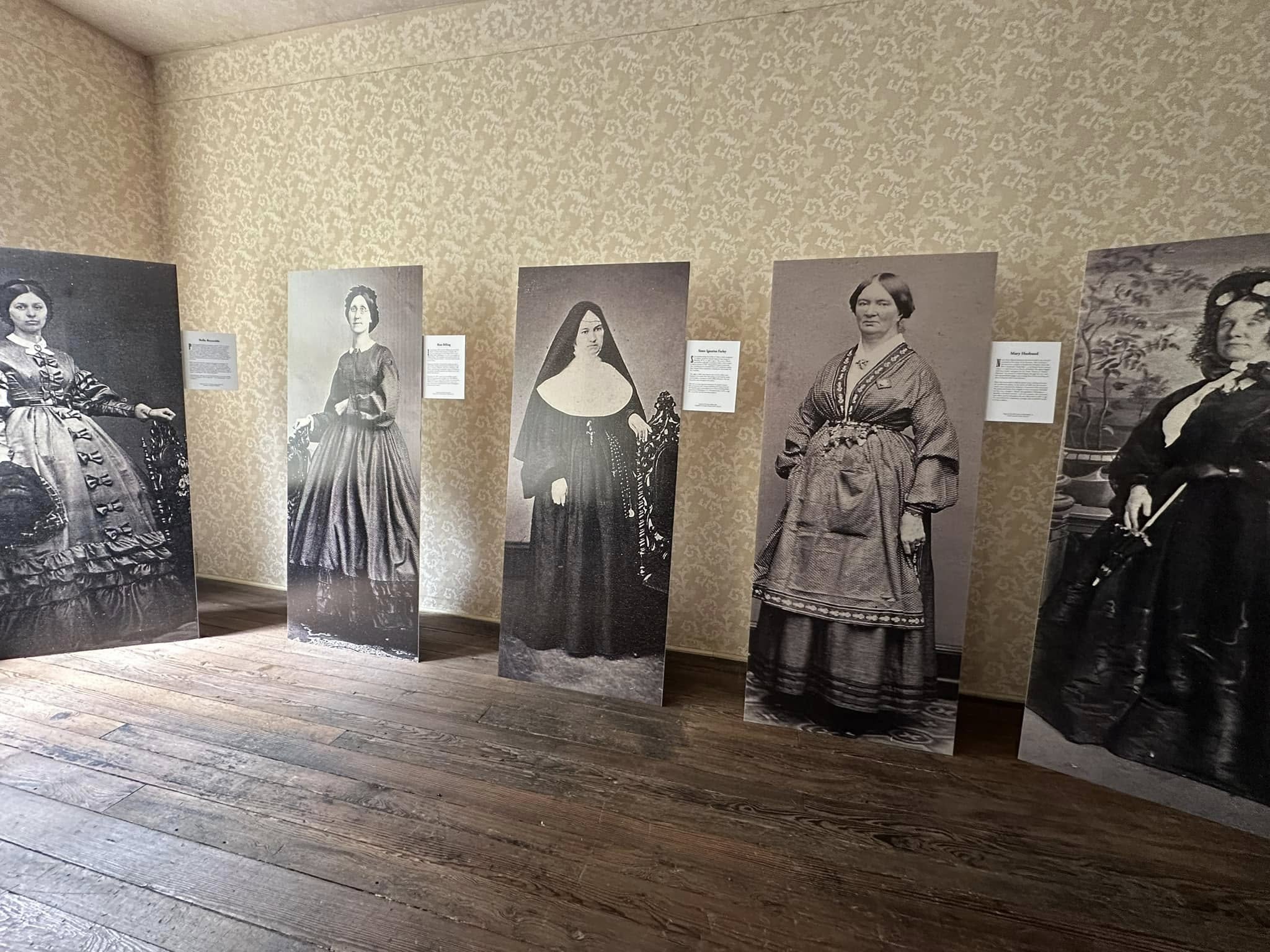
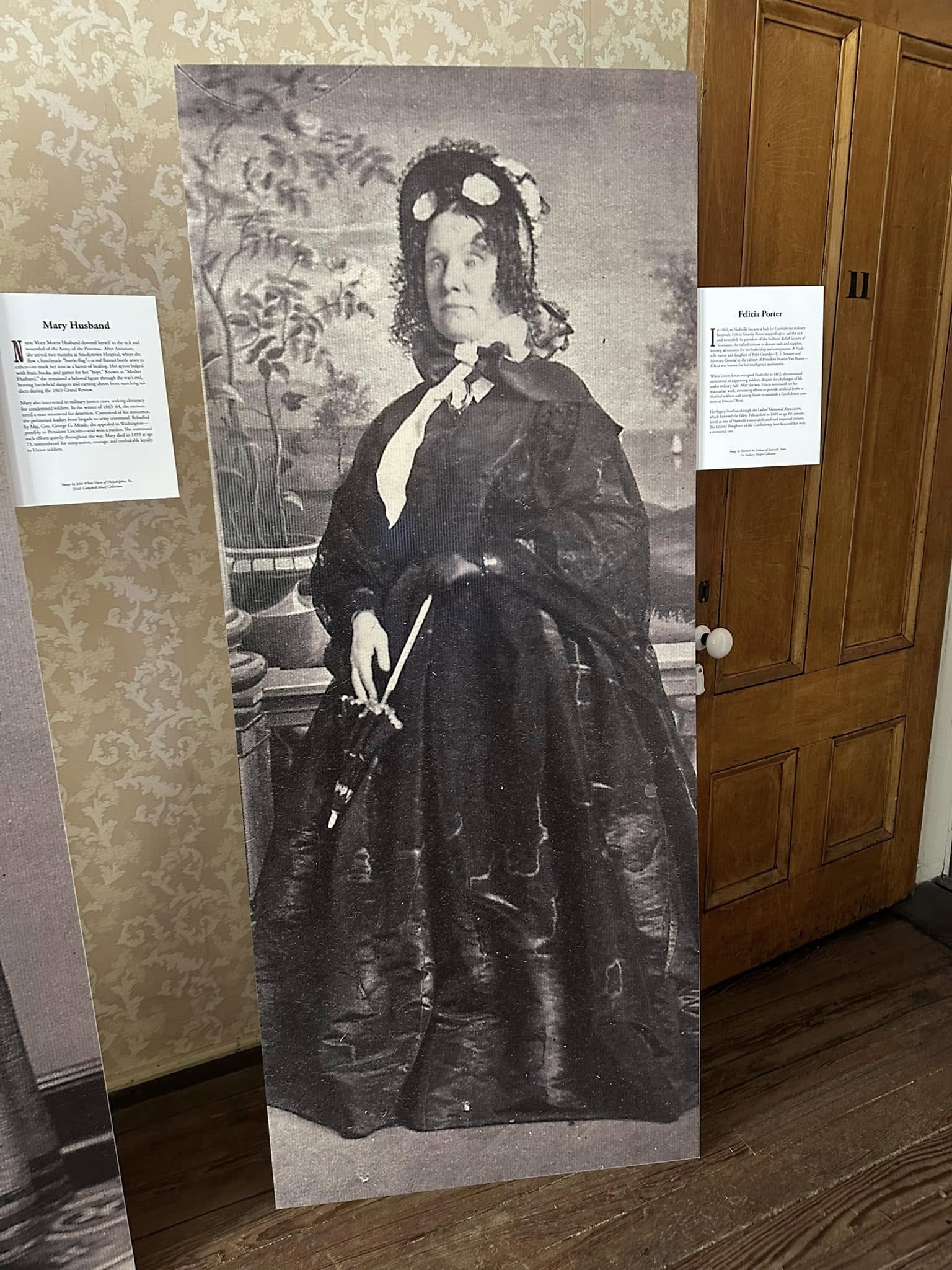
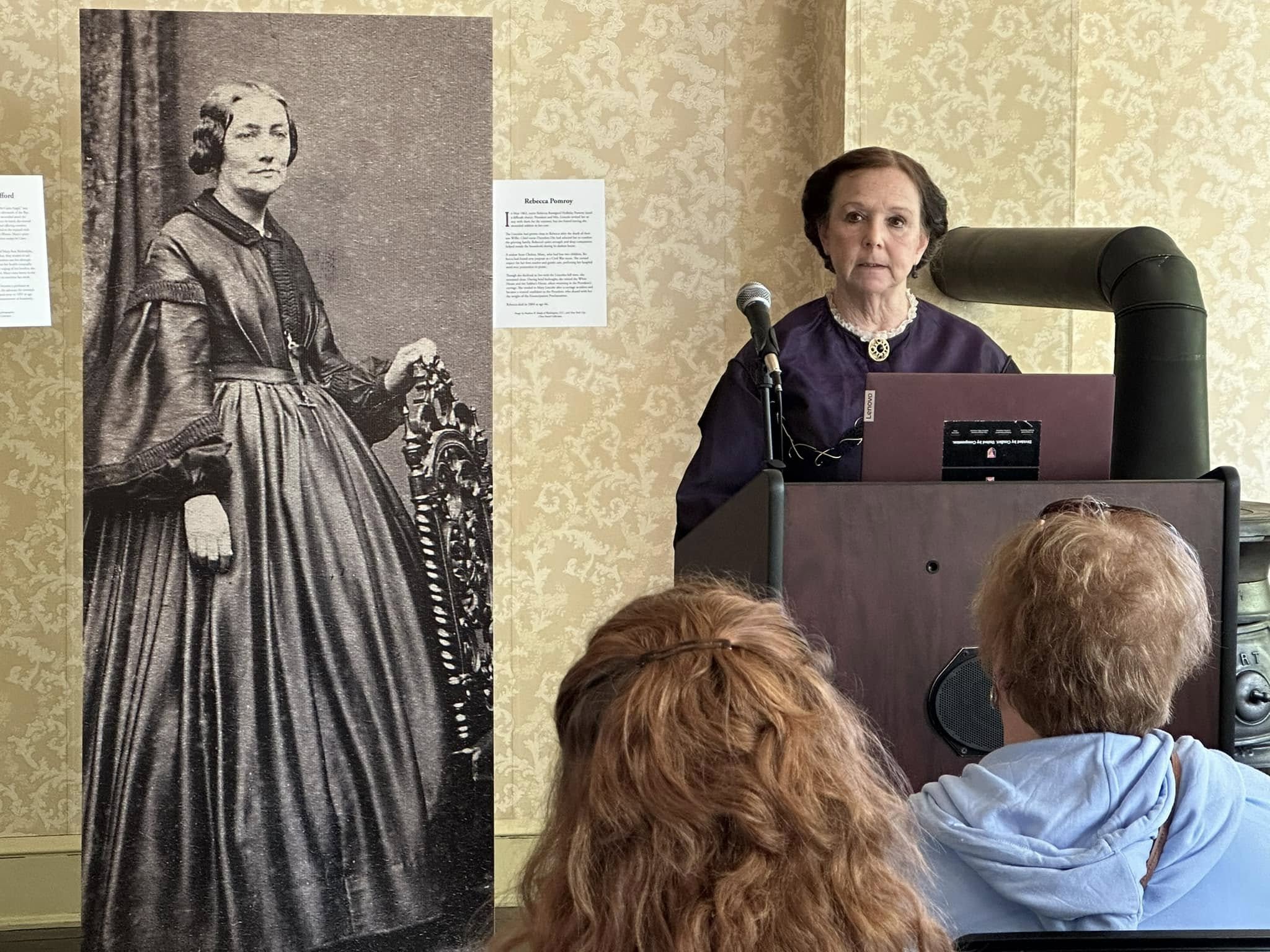
We are thrilled to share that the opening of Faces of Civil War Nurses at the Clara Barton Missing Soldiers Office Museum on May 24 drew an enthusiastic and engaged crowd. This unique traveling exhibition, on view through September 1, 2025, shines a light on the remarkable women who stepped beyond the boundaries of traditional life to care for soldiers during the Civil War.

The exhibit is a collaboration between the National Museum of Civil War Medicine, which operates the Clara Barton Museum, and Military Images magazine. Military Images—the only publication solely dedicated to showcasing, interpreting, and preserving Civil War portrait photography—curated this collection of life-sized images and stories. The foundation for much of this work can be found in the book Faces of Civil War Nurses, authored by Military Images editor and publisher Ronald S. Coddington and published by Johns Hopkins University Press.

The exhibit brings together powerful photographic portraits and vivid biographies that highlight the courage, compassion, and moral strength of these caregivers. The original images, once cherished as keepsakes or carried in the pockets of soldiers, now offer us rare opportunities to connect with the enduring legacy of Civil War nurses.

Visitors to the opening explored the stories of women like Helen Gilson, who defied prejudice to care for U.S. Colored Troops at City Point, Va.; “Captain” Sally Tompkins, who ran one of the South’s most efficient hospitals; and Harriet Tubman, whose fearless work as a nurse, scout, and spy contributed immeasurably to the Union cause.

Through Faces of Civil War Nurses, both the exhibit and the book invite us to look beyond the well-known figures and discover the breadth of contributions made by women from all walks of life. These portraits and narratives remind us of the sacrifices and service that helped define a nation at war—and the caregiving spirit that endures to this day.

A special thanks to David Price, Executive Director at the National Museum of Civil War Medicine; Dana Shoaf, Director of Interpretation; Melissa Winn, Director of Marketing and Communications; and Carolyn Ivanoff, author for Gettysburg Publishing, who portrayed Clara Barton at the opening.

Want to bring this exhibit to your location? Contact Ron Coddington, Editor & Publisher of Military Images magazine.

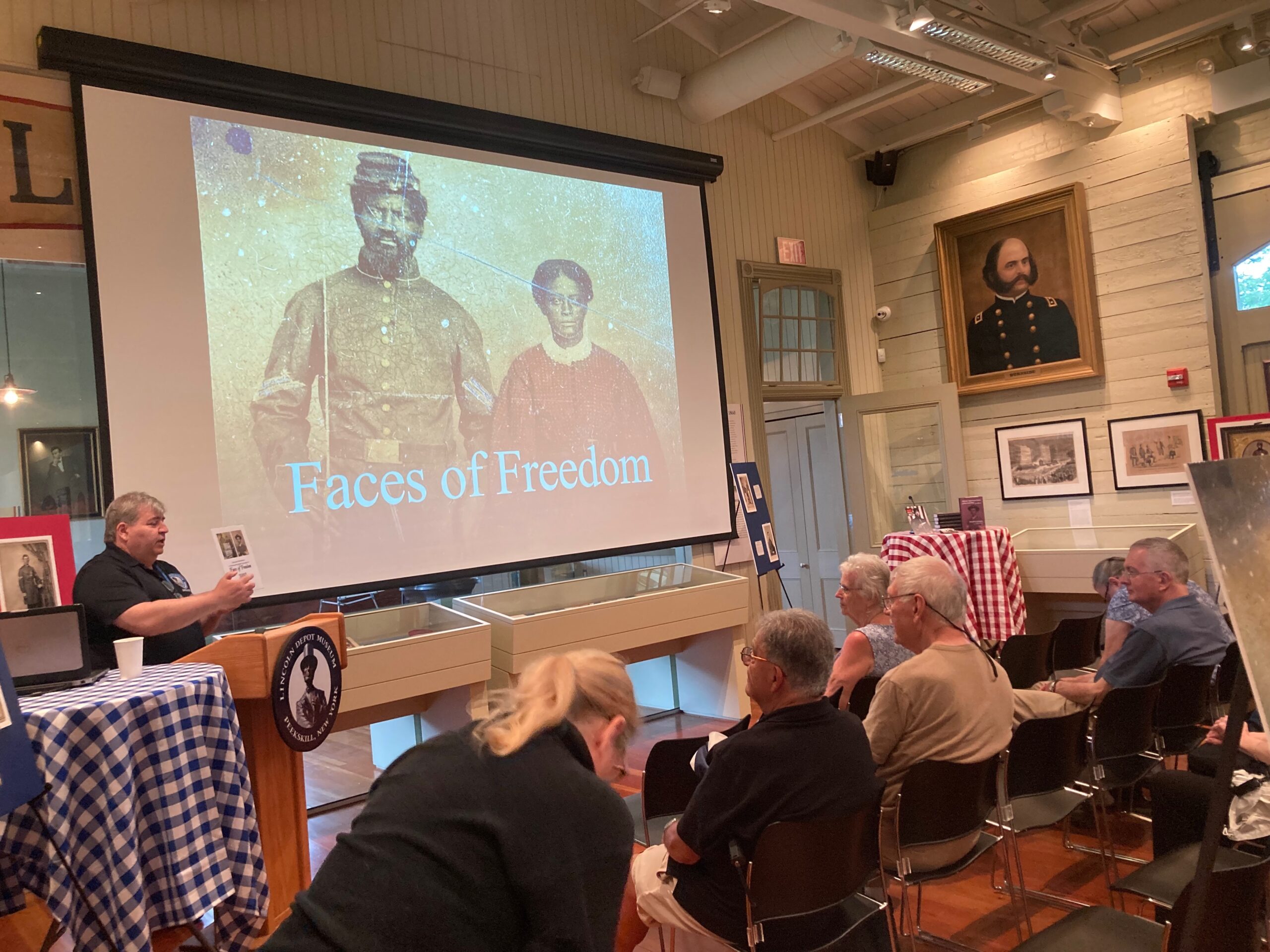
Faces of Freedom Exhibit Opens at Lincoln Depot Museum

Peekskill, NY — June 7, 2025

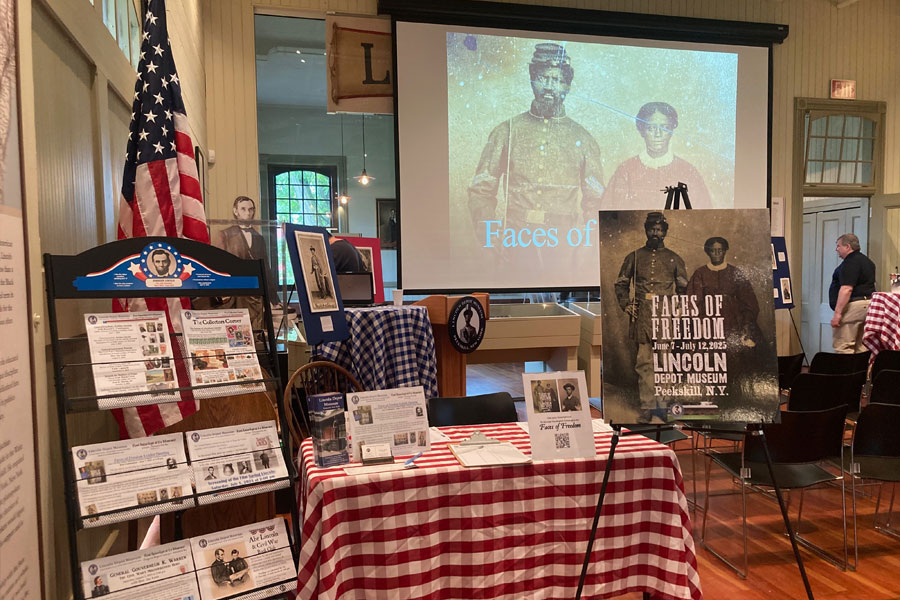
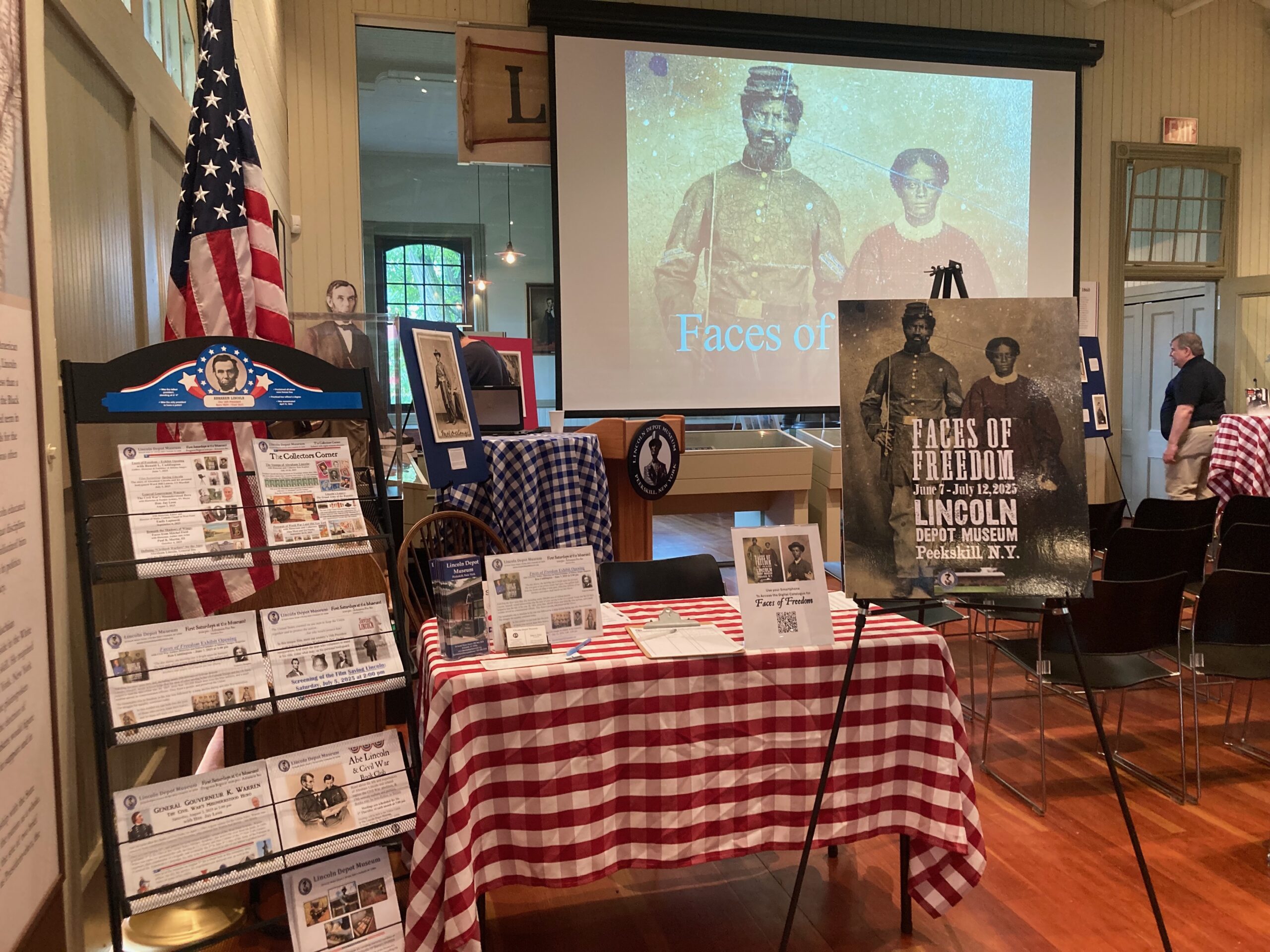
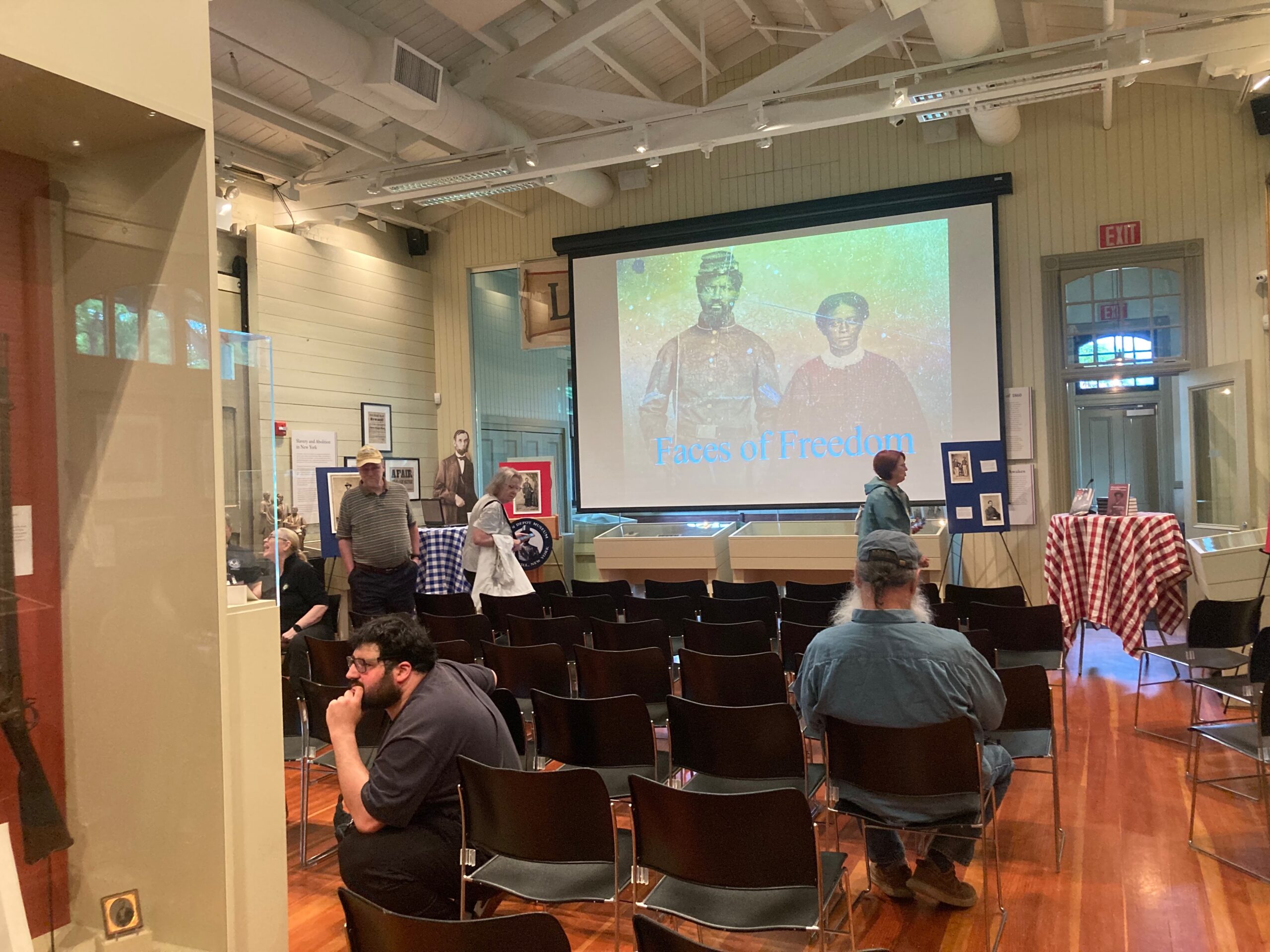
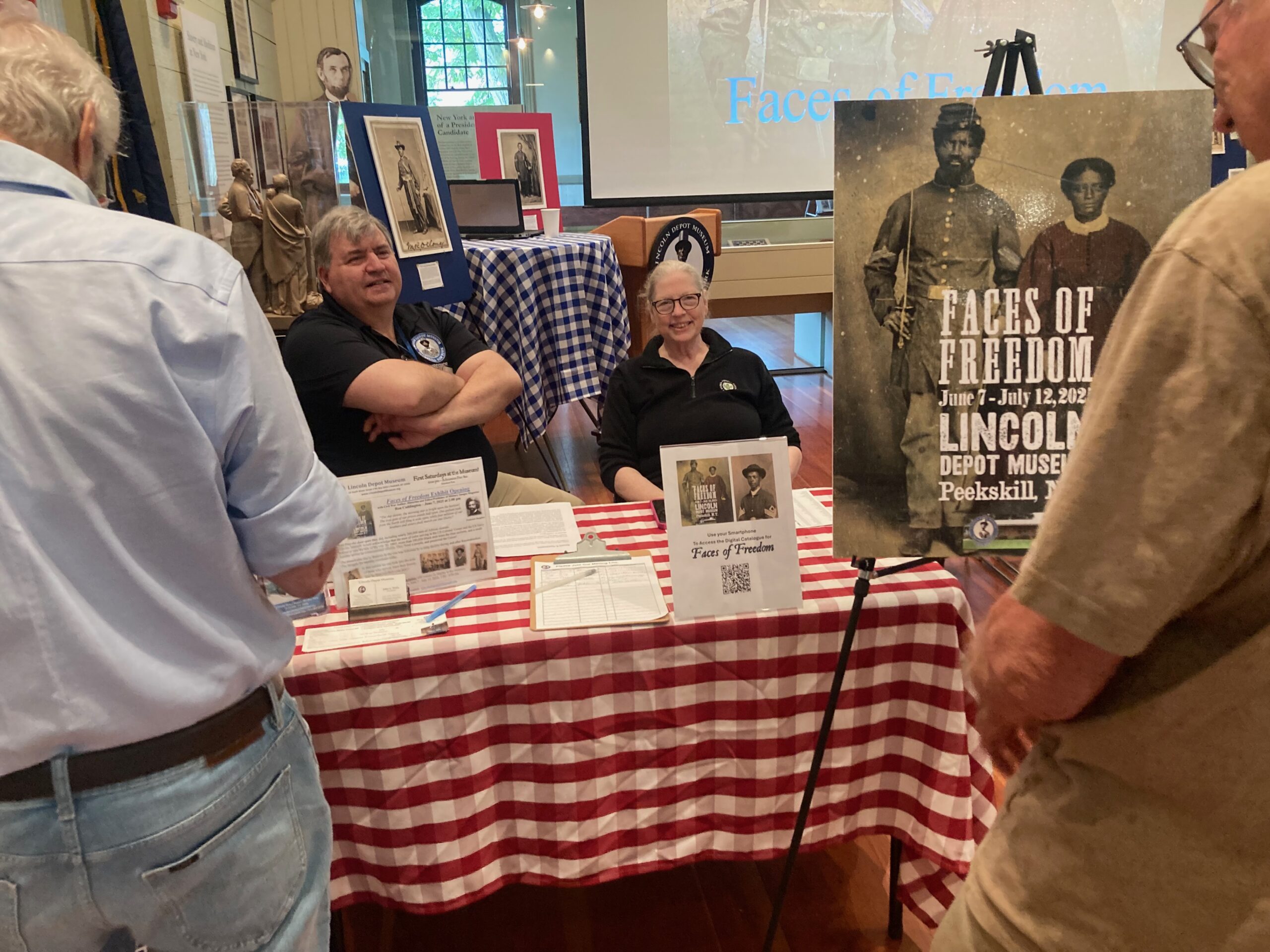
Military Images officially launched its traveling exhibit, Faces of Freedom: African American Faces of the Civil War Era, today at the historic Lincoln Depot Museum—just as a steady rain tapped against the roof of the 19th-century depot. Inside, the energy was high and the room full, as a packed house gathered to mark the opening.

Ron Coddington, editor and publisher of Military Images, delivered a wide-ranging presentation that set the stage for the exhibit. He traced the project’s development and explored the evolution of photography during the Civil War era. A “By the Numbers” section offered compelling data points, while detailed diagrams mapped the journeys of Black men from 1861 through the postwar years, culminating in the formation of the Buffalo Soldiers.

Coddington also addressed the evolution of terminology—from “Contraband” to “Freedmen” to “United States Colored Troops (USCT)”—and shared powerful, firsthand quotes from the soldiers themselves. Audience questions were both plentiful and insightful, underscoring the impact and importance of the stories on display.

Military Images extends a heartfelt thanks to Michael and Gail Bennett and all the volunteers at the Lincoln Depot Museum for their generous support and hospitality.

If you missed today’s event, don’t worry—the exhibit runs through July 12, 2025. Don’t miss your chance to experience this compelling visual and historical narrative.

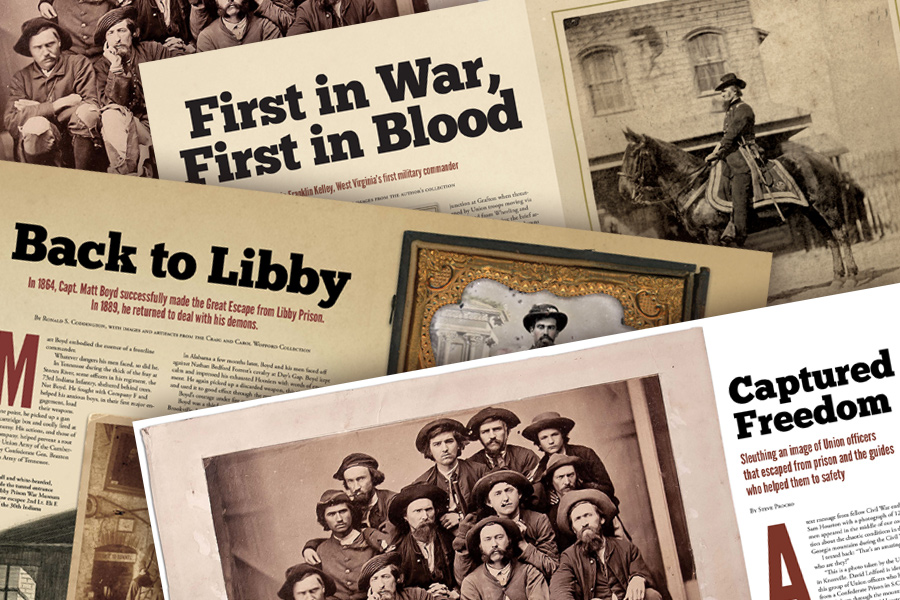
3 Military Images Stories are Finalists in the 2025 Army Historical Foundation Distinguished Writing Awards

Delighted to announce that three stories from Military Images magazine have been named finalists for the 2025 Army Historical Foundation Distinguished Writing Awards:

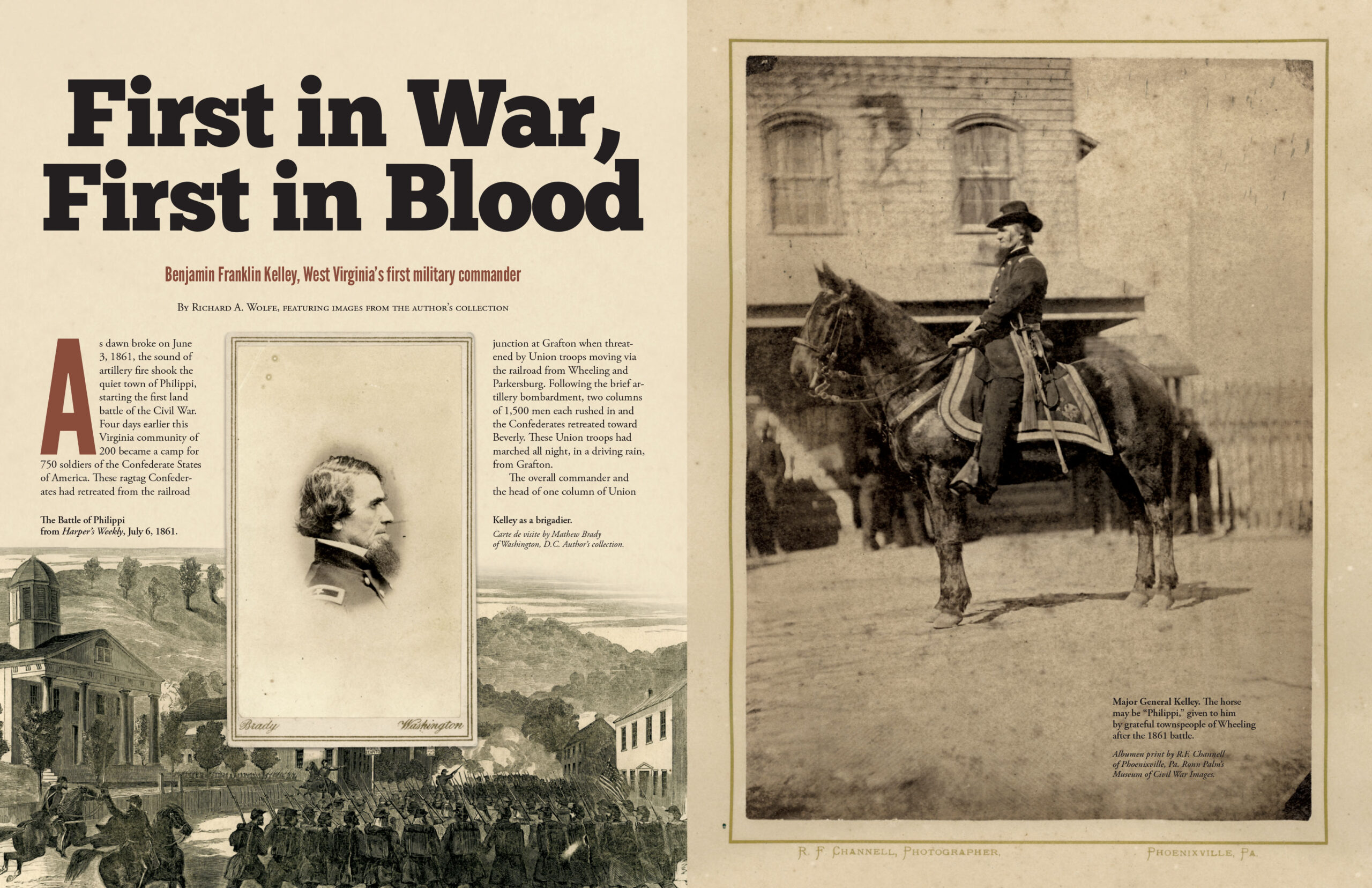
“First in War, First in Blood” by Richard A. Wolfe: Union Brig. Gen. Benjamin F. Kelley is remembered for his 1861 victory and his 1865 capture by partisan rangers. Here’s what happened in between.

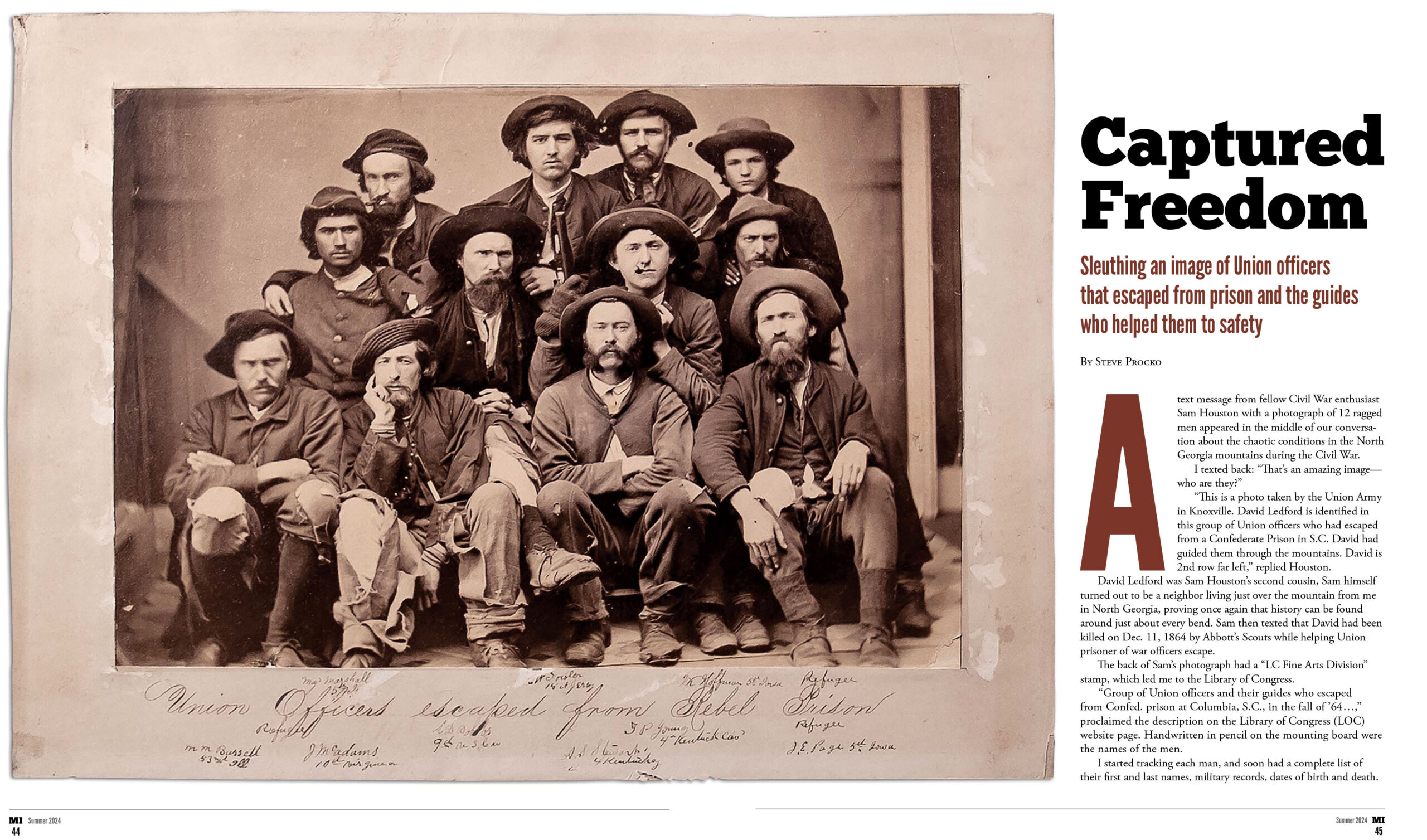
“Captured Freedom” by Steve Procko: An image of escaped Union prisoners and two guides who assisted them along the way has been reproduced and misidentified. Here’s the origin story of the photo.

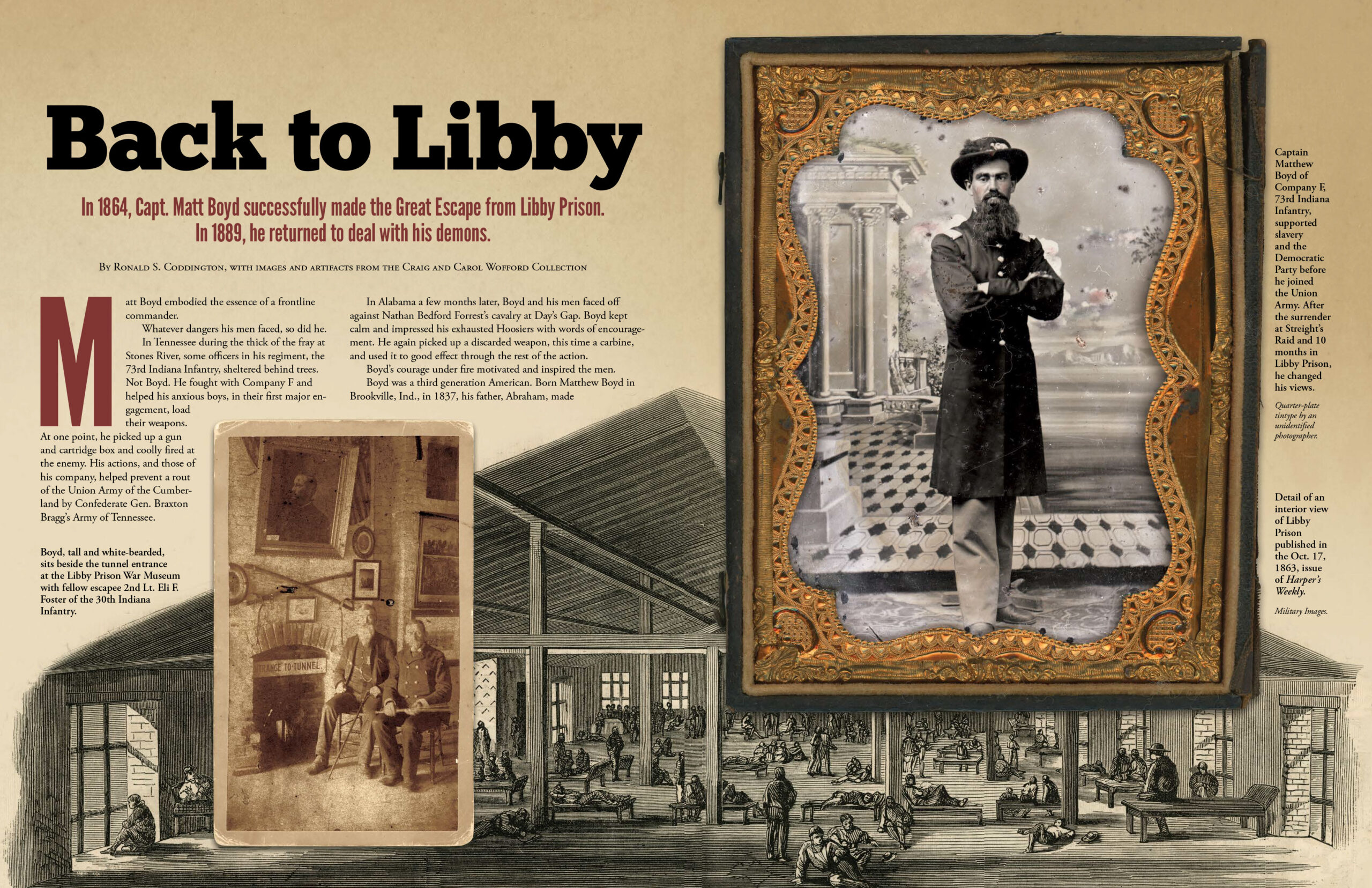
“Back to Libby” by Ronald S. Coddington: Matt Boyd, a captain in the 73rd Indiana Infantry, surrendered at the abrupt end of Streight’s Raid, returned to Libby Prison as a guard when the building was moved to Chicago and opened as a museum.

Presented annually by the Army Historical Foundation, the Distinguished Writing Awards honor excellence in historical writing that fosters greater understanding and appreciation of the U.S. Army’s storied past. Each year, the Foundation recognizes outstanding articles and books that exemplify rigorous research, engaging storytelling, and historical significance.

I am especially proud that Military Images is represented among this year’s finalists. Since 1979, our mission has been to showcase, interpret, and preserve Civil War portrait photography, sharing original photographs and personal stories of the soldiers and sailors who served and citizens who contributed. The nominated stories reflect our mission—blending rare and compelling images with historical context.

The winners will be announced later this year. Heartfelt congratulations to our contributors, and much appreciation to the Army Historical Foundation for this meaningful recognition.

Free Talk About the 19th Indiana and the Iron Brigade, April 9, 2025

Live in Chicago and on Zoom | April 9, 2025 | 7:30 p.m. CST
📍 Zoom ID: 845 3227 1496 | No Passcode Required
Brought to you by the Civil War Round Table of Chicago
https://www.chicagocwrt.org/index.html

The Iron Brigade—famed for their black Hardee hats and fierce reputation—is often remembered as Wisconsin’s pride. But the 19th Indiana Infantry was there from the beginning. On April 9, Phil Spaugy, a senior editor who writes “Of Arms and Men” for Military Images, will share the compelling story of this hard-fighting Hoosier regiment.

At Gettysburg, the 19th Indiana fought valiantly along Willoughby Run, bearing the brunt of the July 1 assault with grim tenacity. They suffered a 62% casualty rate in a single day—an astonishing toll. Five color bearers fell carrying the flag. Their colonel, Samuel J. Williams, a farmer from Indiana with Virginia roots, was wounded at Gettysburg and later killed in action at the Battle of the Wilderness.

Phil brings decades of experience to this story. A longtime member of the North South Skirmish Association, he has live-fired nearly every type of Civil War firearm. His expertise in infantry arms, uniforms, and accouterments—especially those connected to the Iron Brigade of the West—makes him one of the most sought-after voices in the field.

In addition to his work for Military Images, Phil is the Arms Columnist for The Civil War Monitor and serves as a historical consultant to the Adams County Historical Society and Civil War News. He and his wife, Amy, live in Vandalia, Ohio.

Whether you attend in person or tune in via Zoom, this is a talk you won’t want to miss.

📆 Mark your calendar: Wednesday, April 9
💻 Zoom Meeting ID: 845 3227 1496
🕢 7:30 p.m. CST | No passcode required

Military Images Connects Local Historians Writing a Book With a Civil War Era Photograph

Since its founding in 1979, Military Images magazine has played a vital role in connecting authors, historians, and researchers with compelling photographs to illustrate their work. As the only publication dedicated solely to the study and appreciation of Civil War portrait photography, Military Images has cultivated a vast network of collectors, archivists, and history enthusiasts who contribute to preserving these invaluable visual records.

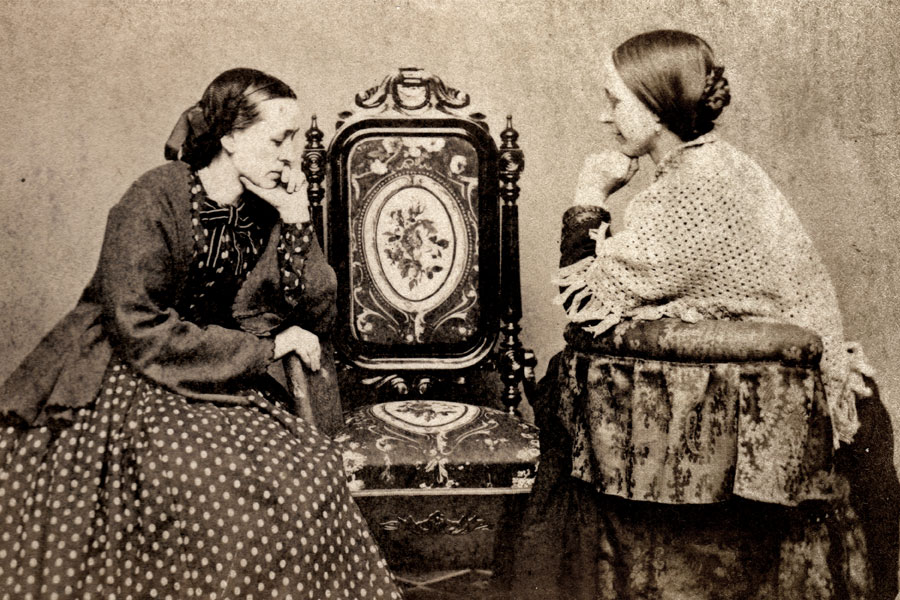
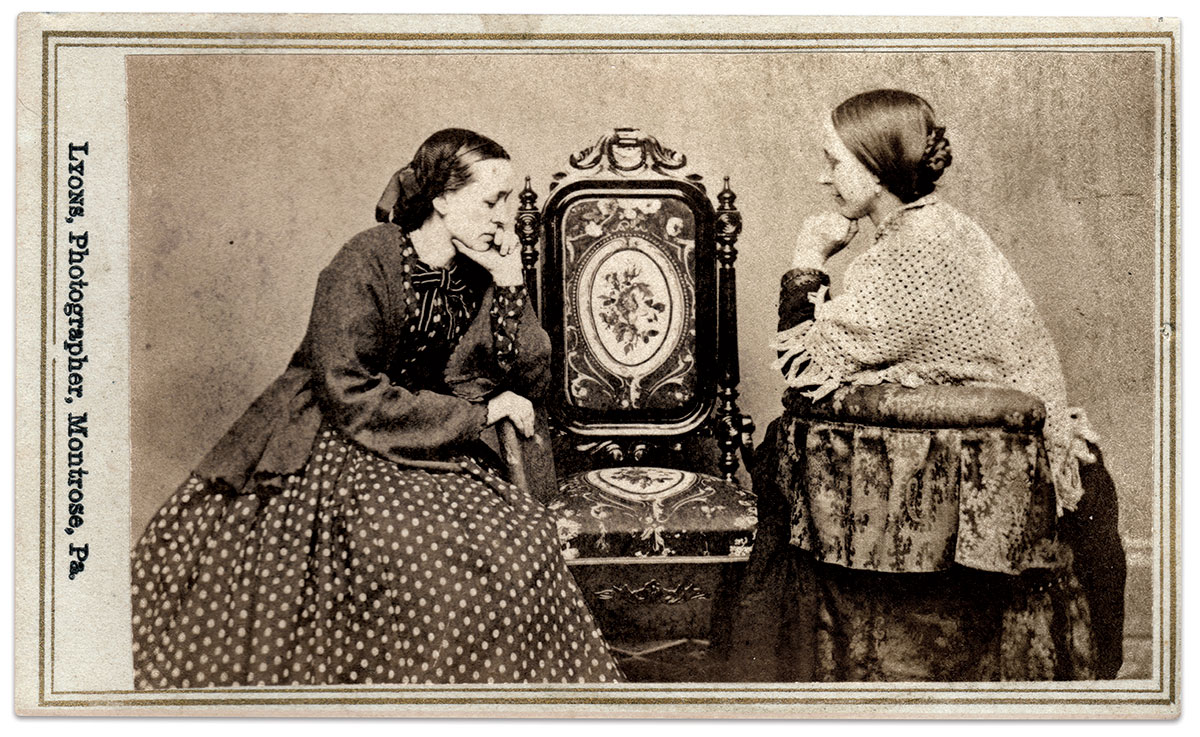
The latest example of our ongoing mission involves Kingston 300, Inc., a non-profit organization preparing to publish Tales of Jones River Village: Kingston’s 300 Years, a book celebrating the tricentennial of Kingston, Massachusetts, in 2026. As part of their effort to tell the town’s rich history, Ken Brack. One of the volunteers working on the project, reached out to request permission to publish the poignant image here of two women glancing at an empty chair, which appeared in the Autumn 2023 issue of the magazine to illustrate “Symbol of Remembrance: The Vacant Chair” by Elizabeth A. Topping. The image is in Elizabeth’s collection.

“The Vacant Chair,” a poem written by Henry Stevenson Washburn following the Battle of Ball’s Bluff, Va., in October 1861, edited national attention after George F. Root pirated the song in 1862 and set the words to music. Washburn lived in Kingston at one time. According to Brack, Kingston 300, Inc. plans to publish a short story about Washburn in the forthcoming book.

Brack discovered Elizabeth’s story and photograph in our digital edition and reached out for permission, which Elizabeth granted. 

Making the connection between Elizabeth and Brack is another testament to how Military Images bridges the past and present through curated photographic content.

By facilitating access to historically significant imagery, Military Images strengthens the narratives of authors and researchers, ensuring that stories of the past are not only told but visually brought to life. This latest collaboration with Kingston 300, Inc. underscores the magazine’s long-standing commitment to historical preservation and education. As Military Images approaches its 50th anniversary, it remains a trusted resource for those seeking to honor and understand America’s military history through the power of photography.

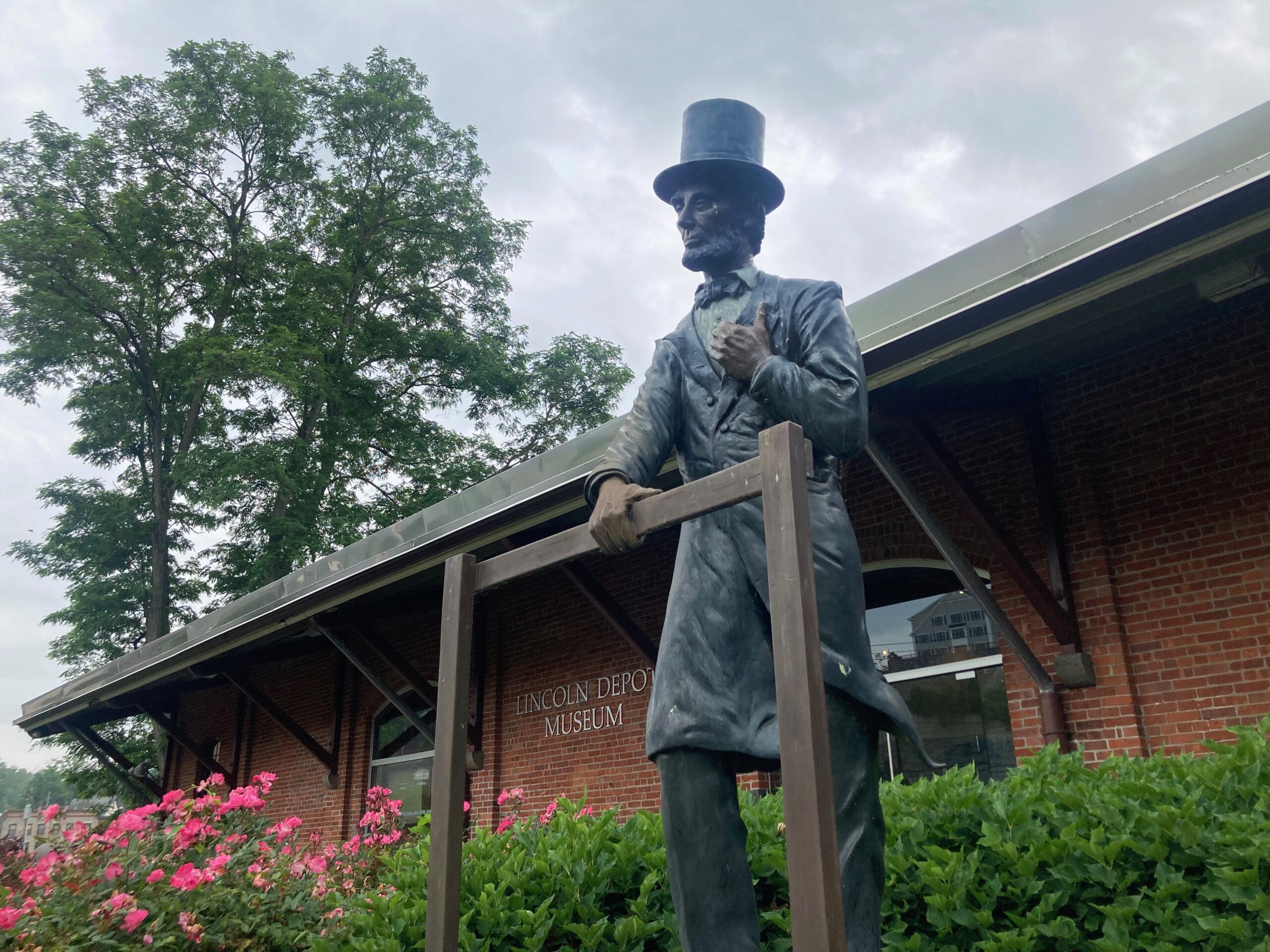
Faces of Freedom Exhibit Travels to the Lincoln Depot Museum

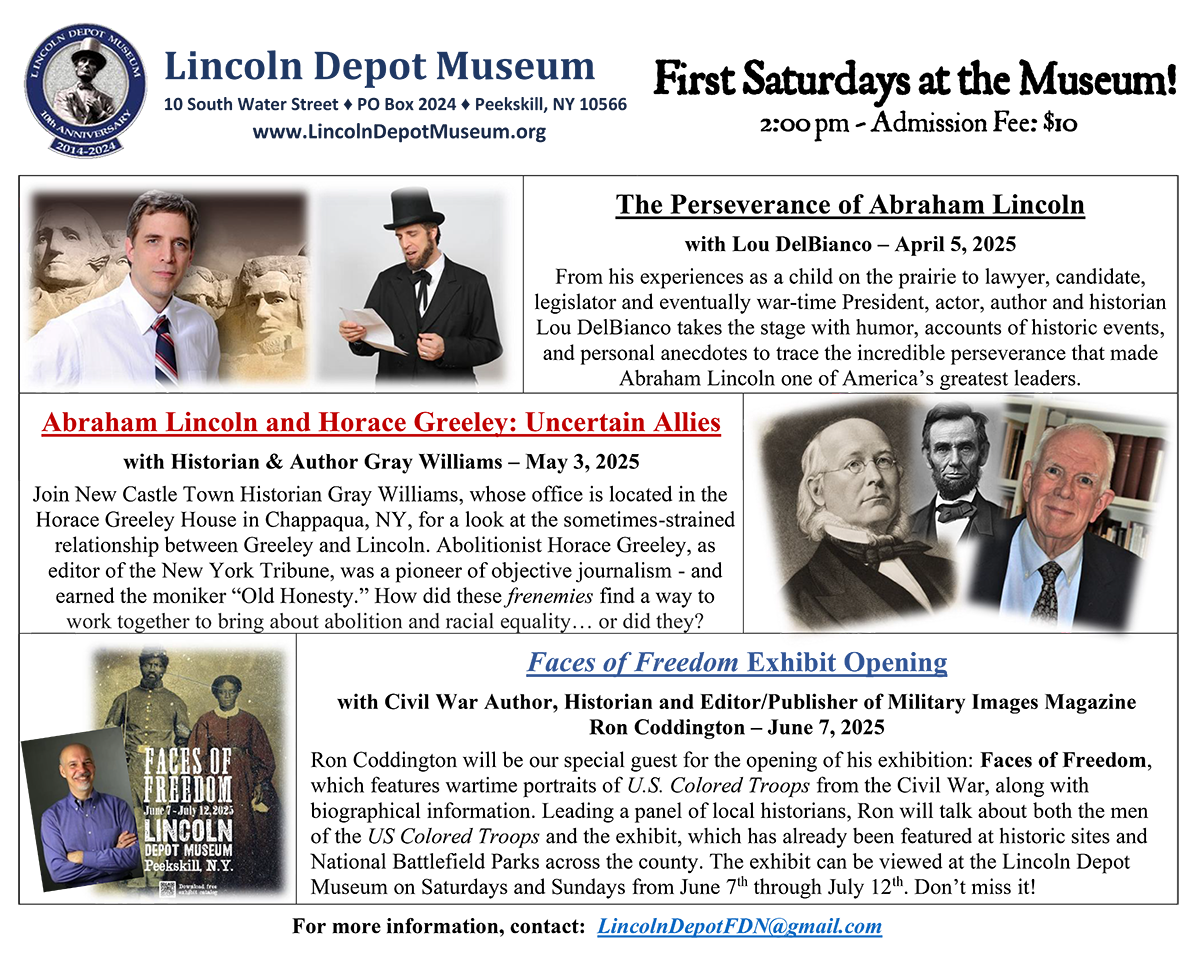
We are thrilled to announce that our traveling exhibit, Faces of Freedom, is coming to the Lincoln Depot Museum in Peekskill, N.Y. The exhibit will be on display from June 7 through July 12, 2025, offering visitors a powerful opportunity to connect with the courageous Black men who fought for freedom during the Civil War.

Established in 2019, Faces of Freedom first appeared at the Hubbard House Underground Railroad Museum in Ashtabula, Ohio. After a pause due to COVID, the exhibit resumed its travels in 2024, stopping at the Goodridge Freedom Center and Underground Railroad Museum in York, Pa., followed by Manassas National Battlefield Park. Now, we are honored to bring this exhibit to the Lincoln Depot Museum.

The Lincoln Depot Museum is a fitting location for this unique exhibit. President Abraham Lincoln traveled by rail through Peekskill on the way to his first inauguration in 1861. Two years later, Lincoln signed the Emancipation Proclamation, an executive order that paved the way for the enlistment of Black men in the Union Army and Navy. The soldiers featured in Faces of Freedom fought for the very cause Lincoln championed—freedom and equality.


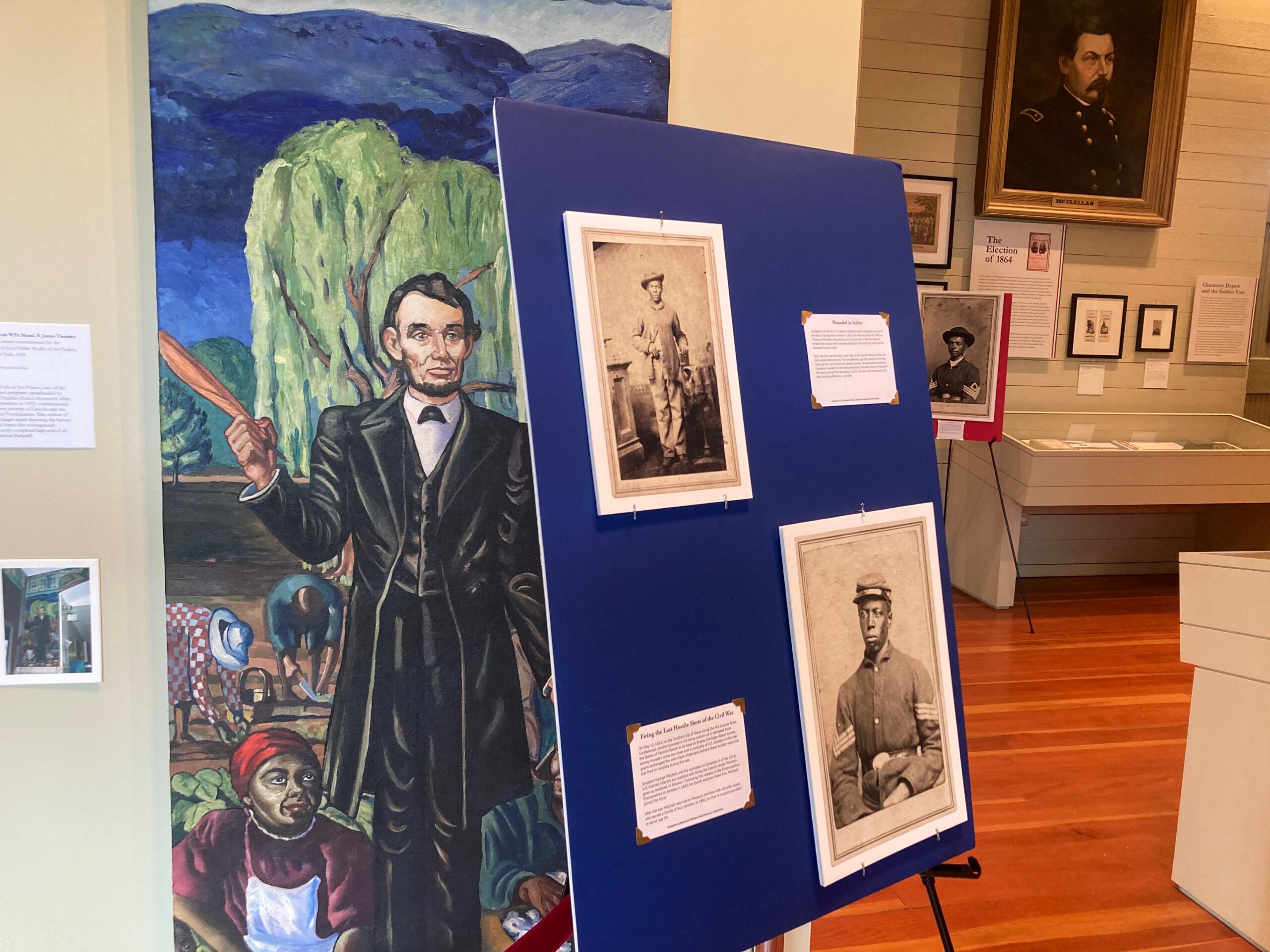
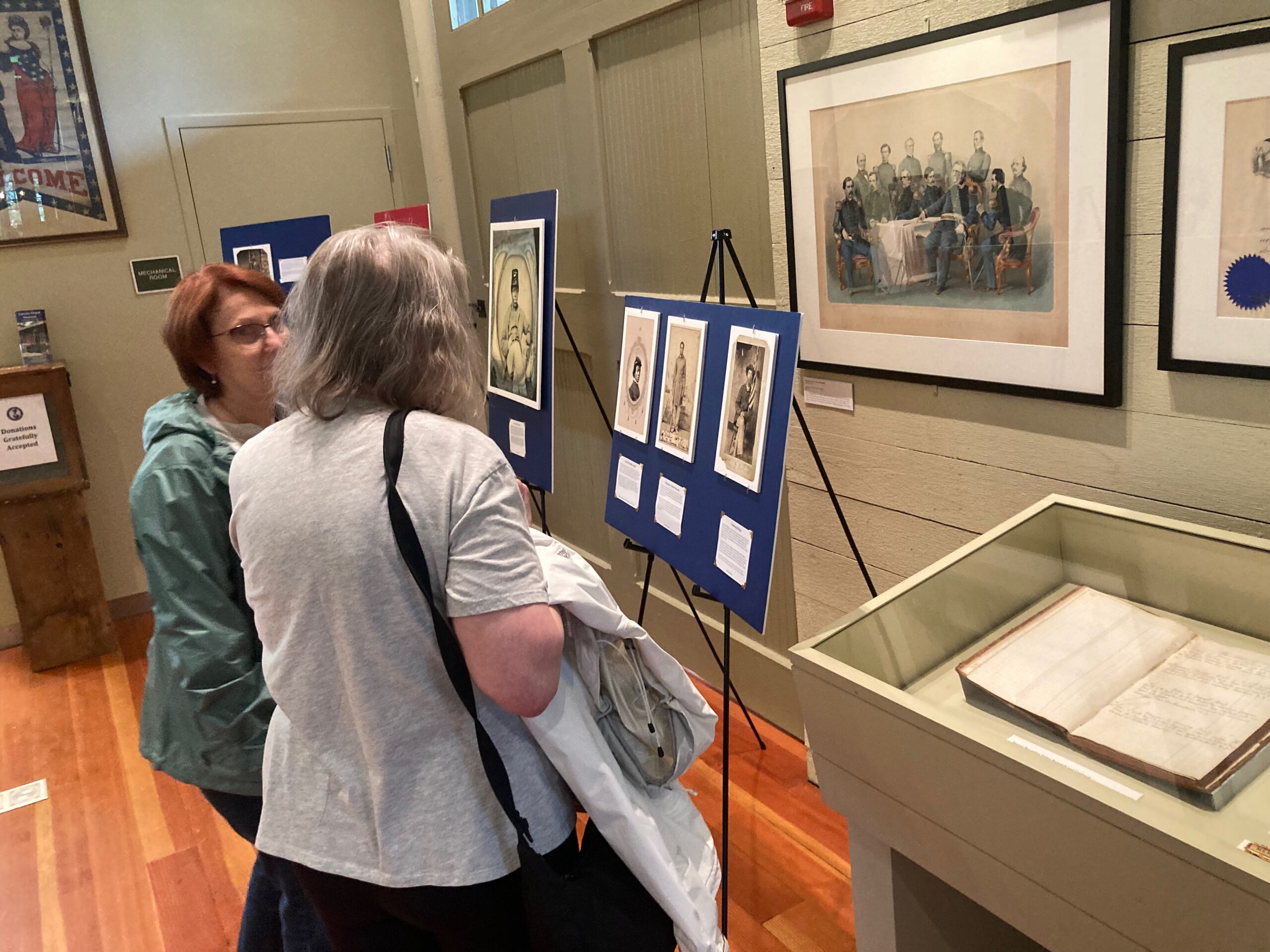
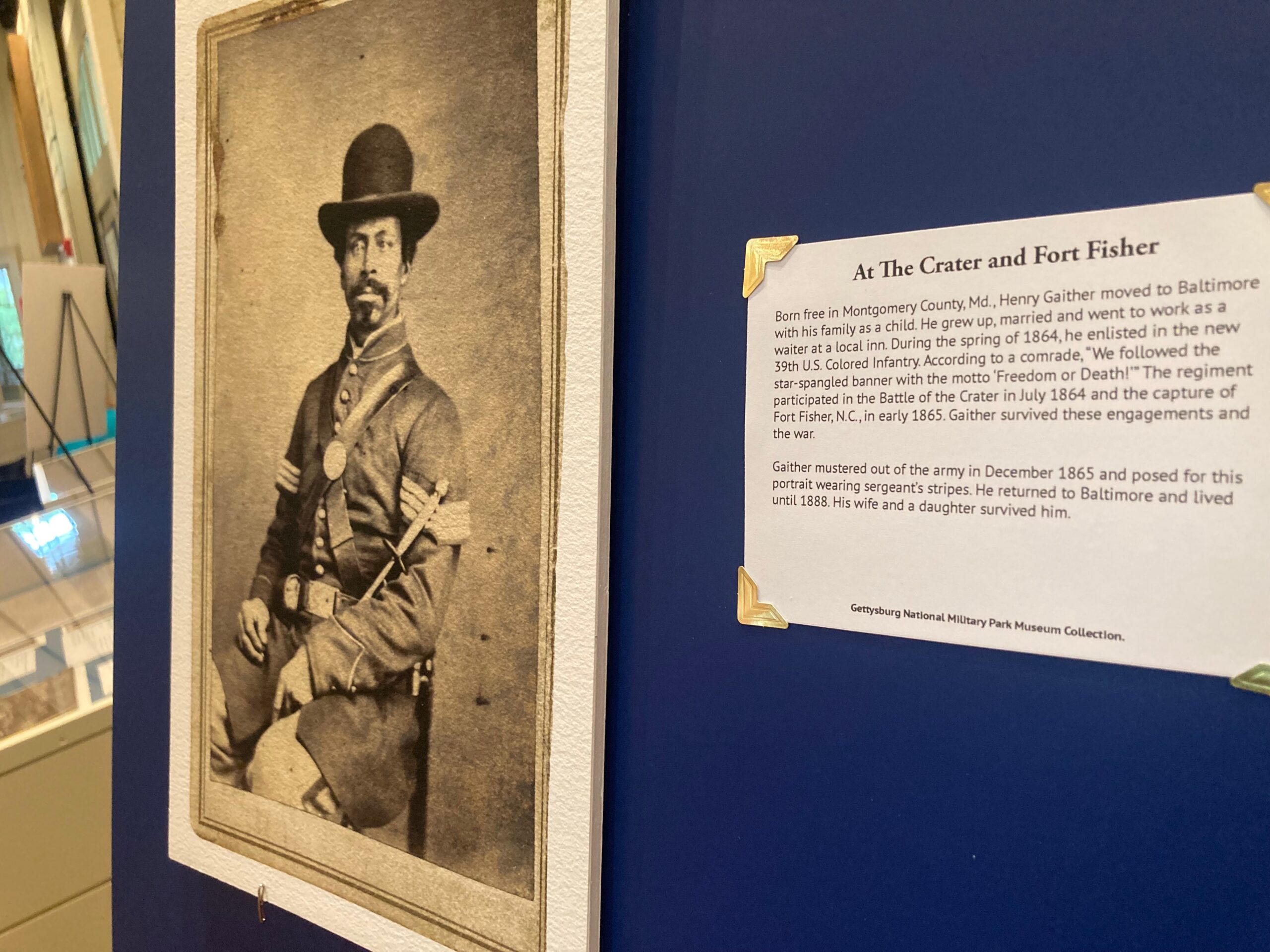
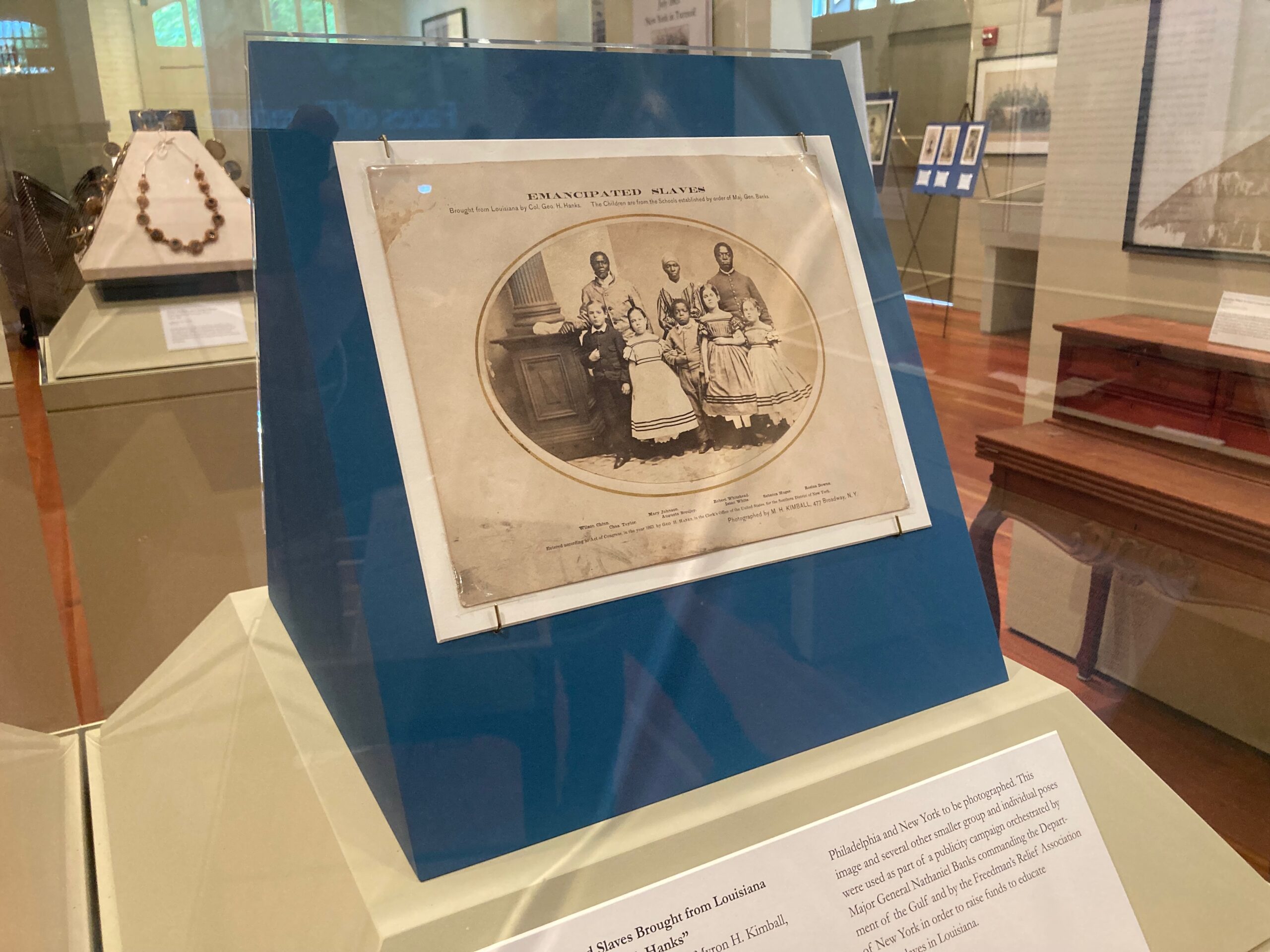
The exhibit features 37 stunning, high-quality prints of wartime portraits of Black soldiers and sailors who served in the U.S. Colored Troops (USCT) and Navy. Each portrait is paired with a compelling biographical sketch detailing their wartime experiences—some gave their lives in service of a more perfect Union, while others continued their fight for justice as Buffalo Soldiers in the West.

This special exhibit is made possible by Military Images, with assistance from the Goodridge Freedom Center and Underground Railroad Museum. Editor and Publisher Ron Coddington shares, “We are excited to bring these incredible portraits and stories to the Lincoln Depot Museum, where visitors can truly appreciate the bravery and sacrifice of these men who shaped our nation’s history.”

The images on display come from both private collectors and esteemed public institutions. We extend our deepest gratitude to the following individuals for sharing images from their collections: Jonathan Beasley, David E. Brown, Kevin Canberg, Glen Cangelosi, Ronald S. Coddington, Greg French, Thomas Harris, Ross Kelbaugh, C. Paul Loane, Steve Meadow, Ronn Palm, and Paul Russinoff.

We also thank the following institutions for their contributions:

  • Beinecke Rare Book and Manuscript Library, Yale University
  • The Lawrence T. Jones III Collection at DeGolyer Library, Southern Methodist University
  • Gettysburg National Military Park Museum
  • Kansas State Historical Society
  • The Liljenquist Family Collection at the Library of Congress
  • National Archives
  • West Virginia and Regional History Collection, West Virginia University Libraries
  • Manuscripts, Archives, and Rare Book Library, Robert W. Woodruff Library, Emory University

Don’t miss this extraordinary opportunity to experience history up close and honor these forgotten heroes. Visit the Lincoln Depot Museum in Peekskill, N.Y., and immerse yourself in the powerful stories of the Faces of Freedom.

For more details about the exhibit and museum hours, please visit https://lincolndepotmuseum.org/.

The Spring 2025 Issue

A complete table of contents for the Spring 2025 issue of Military Images magazine, and information about how to purchase single issues and subscriptions.

Vol. XLIII, No. 2
(80 pages)

Print edition: Visit our store to check availability
Digital edition: Visit JSTOR.org to purchase
Subscribe or renew your subscription

Explore the MI Archives:
Browse | Advanced search | Tutorial

Inside

Cover
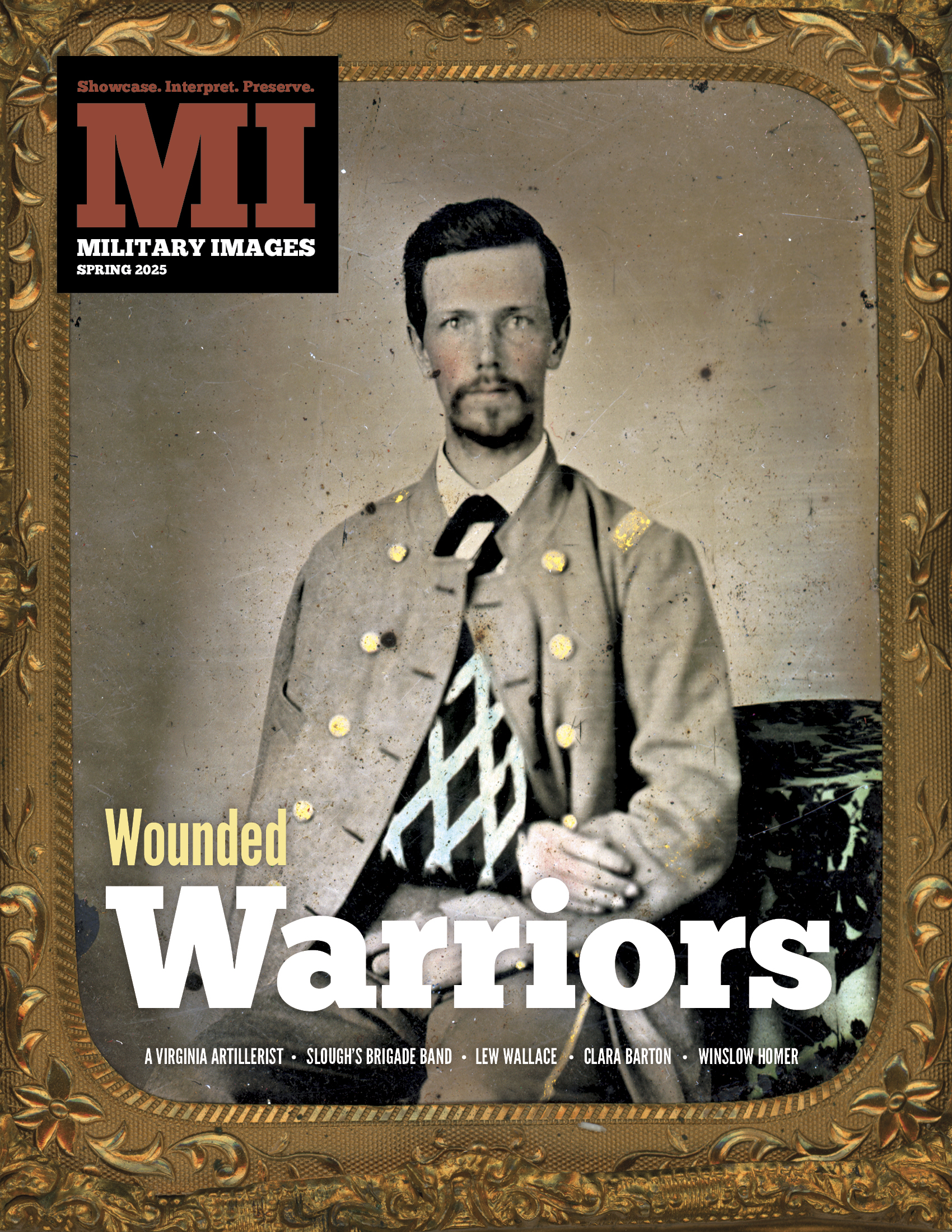
A tintype from the Dan Schwab Collection pictures Confederate Col. Evander Mciver Law recuperating from the wound he suffered at the First Battle of Manassas.

Table of Contents (p. 1)

Editor’s Desk (p. 2)
After Kolt Massie alerted me about a tintype picturing Evander M. Law recovering from his First Manassas wound, I reflected on the thrill of Civil War photography discoveries.

Mail Call (pp. 3-4)
Feedback includes an appreciation for John Walsh’s Fort Donelson feature, Kurt Luther’s Photo Sleuth column, Paul Russinoff’s story about a Michigan cavalryman, and more.

Military Anthropologist (p. 4)
A review of shot fractures of limbs in The Medical and Surgical History of the War of the Rebellion reveals the success rates of conservation, excision, and amputation.

Passing in Review (p. 6)
Righteous Strife by Richard Carwardine, published by Knopf Doubleday, explores how religious nationalism shaped Lincoln’s Union and the Civil War’s moral battles.

Photo Sleuth by Kurt Luther (pp. 8-10)
Photo sleuthing Civil War portraits requires triangulating names, units, and ages to ensure accurate IDs, revealing lost soldier stories and correcting mislabeling.

Antebellum Warriors (p. 12)
A daguerreotype of an unidentified 1840s-50s militia soldier showcases distinctive insignia, a Model 1840-style sword, and period-specific uniform details.

Most Hallowed Ground (p. 14)
Edmund C. Bainbridge, a career U.S. Army officer, served in key Civil War campaigns before retiring as a colonel. He was buried with honors at Arlington.

The Honored Few (p. 16)
At Petersburg, John W. Boutwell of the 18th New Hampshire Infantry rescued a wounded comrade. Decades later, he and another soldier received the Medal of Honor.

The Citizenry (p. 18)
Love of country fills this portrait of a patriotic woman, likely a fundraising image from the 1864 Mississippi Valley Sanitary Fair, featuring the Old Guard’s flag and liberty cap.

Of Arms and Men by Phil Spaugy (pp. 20-22)
Colonel Lew Wallace found a dead Confederate’s ornate Tryon & Co. muzzle-loading rifle at Fort Donelson in 1862, and took it home as a battlefield souvenir.

Wounded Warriors: Slings, crutches, and missing limbs are emblems of personal loss and patriotic sacrifice(pp. 22-36)
A photographic survey of Civil War amputees and other wounded soldiers and sailors, their societal impact, medical treatment, and portraits of the veterans.

Gifted Scholar, Faithful Christian, Reluctant Soldier: The life and times of Virginia professor and artillerist Lewis Minor Coleman by Ronald S. Coddington, with images from the Dave Batalo Collection (pp. 38-45)
Lewis Minor Coleman, an educator turned Confederate officer, sought to balance duty, faith, and the horrors of war. His service culminated at Fredericksburg.

A Useful Life: Sarah Chamberlin Eccleston, Civil War nurse and educator by Sidney Dreese (pp. 46-48)
Sallie Chamberlin defied age restrictions to serve as a Civil War nurse, later pioneering kindergarten education in Argentina. She lived a life of service.

Cruising the Potomac and Elsewhere with Brig. Gen. John P. Slough’s Brigade Band by Ronald S. Coddington, with images from the Mark Jones Collection (pp. 50-55)
Formed from the 60th New York Infantry, Slough’s Brigade Band played at key Civil War events in Alexandria, Va., and Washington, D.C.

Winslow’s Homer’s Use of Portrait Photographs in Civil War Era Illustrations by Rick and Victoria Britton (pp. 57-60)
A recently discovered sketch of Gen. Montgomery Meigs adds to Winslow Homer’s rich artistic legacy. The famed Civil War illustrator captured wartime life in Harper’s Weekly.

Wherever He Went, He Found History: Remembering Alex de Quesada, 1965-2024 by Ronald S. Coddington(pp. 62-64)
Alex de Quesada (1965-2024) was a passionate historian, collector, and author, known for his militaria expertise, vast artifact collection, and love of Star Wars.

Material Culture by Frank Graves (p. 66)
An early 1840s daguerreotype features an unknown man holding a U.S. Model 1805 Harpers Ferry flintlock pistol, the first military handgun made by a U.S. national armory.

Women of War by Melissa A. Wynn (pp. 68-69)
Clara Barton, Civil War nurse and founder of the Missing Soldiers Office, helped families locate lost loved ones and later established the American Red Cross.

Behind the Backdrop by Dave Batalo (p. 70)
A look at a painted camp and forts backdrop that appears in Confederate soldier portraits; it may be connected to a Fredericksburg photographer.

Vignette by Scott Valentine (p. 72)
First Lt. and Adjutant Orett Munger of the 44th New York Infantry was captured at Laurel Hill but freed by Gen. George Armstrong Custer’s cavalry. After the Civil War he settled in Chicago.

Stragglers (p. 74)
Confederate and Union soldiers pose for portraits, showcasing unique uniforms, tinting, and photography techniques by Charles R. Rees and other artists.

The Last Shot (p. 80)
A Confederate captain poses in a rustic studio scene with a tree-trunk chair and table, holstered sidearm, and missing coat button.

Preserving History, Shaping the Present at a National Military Park

At Military Images, we know that every historical photograph is more than just an image—it’s a window into the past, offering valuable insights for today’s Americans. That’s why we were honored to receive a recent request from the National Park Service to include one of our published photographs in a Cultural Landscape Report for Chickamauga and Chattanooga National Military Park’s Point Park.
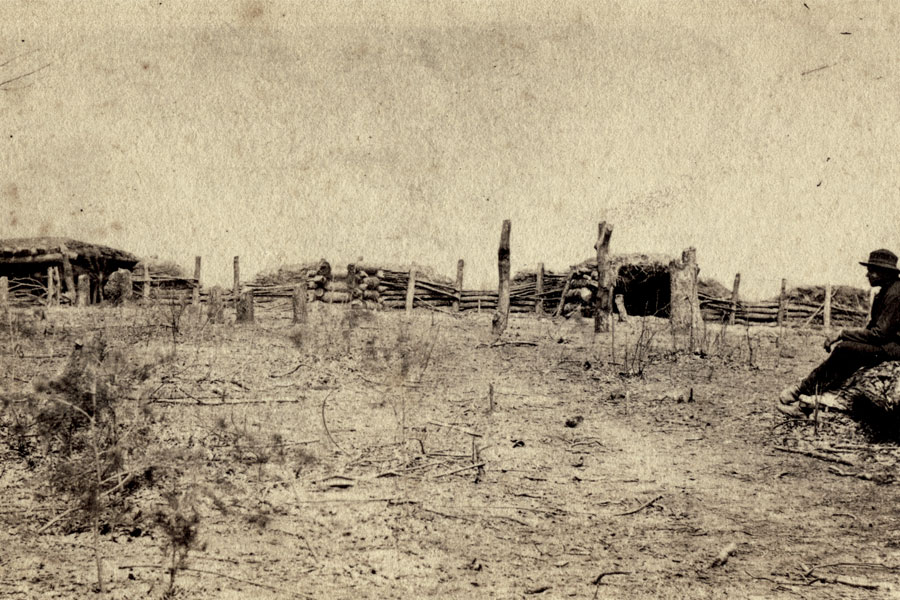
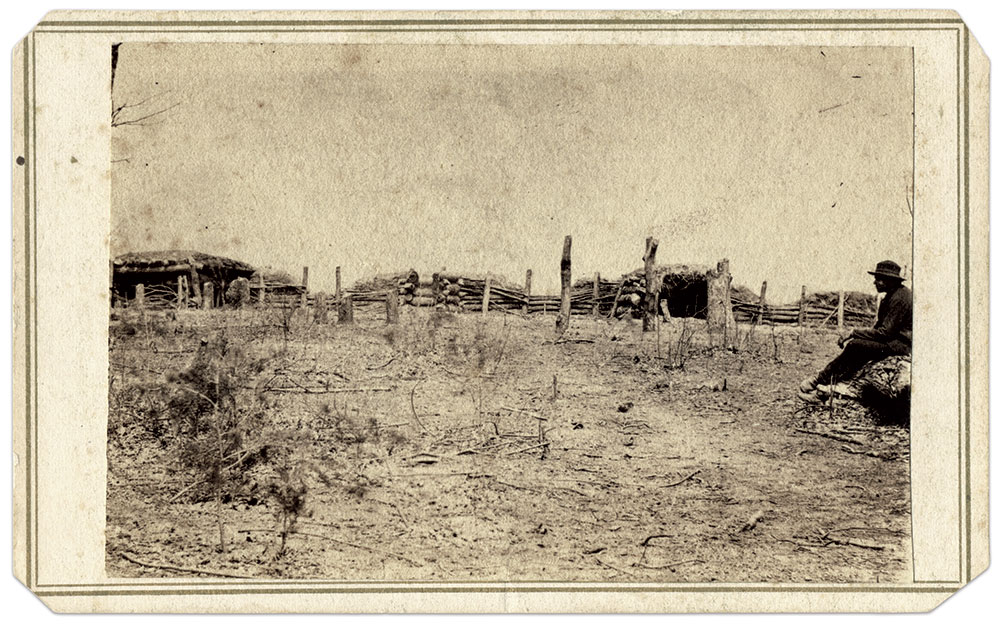
The image, a rare carte de visite of a Confederate military encampment atop Lookout Mountain, was originally featured in our Autumn 2018 issue as part of a “Linns of Lookout.” Its inclusion in this report underscores the continued relevance of Civil War photography.

The owner of the image, Dr. Anthony Hodges, a lifelong collector and dedicated steward of Chickamauga and Chattanooga history, has spent more than 40 years serving the National Military Park. His passion for historical preservation is a reminder that these images are not just relics of the past—they are essential to understanding our national story.

This request is just one example of how Military Images contributes to our ongoing mission to showcase, interpret, and preserve historic photography. We are delighted to play a role in ensuring that the stories of the Civil War—and the landscapes that shaped them—remain visible and meaningful for future generations.